Behind the Candelabra
Year: 2013
Runtime: 118 mins
Language: English
Director: Steven Soderbergh
This film recounts the complex and ultimately turbulent six-year relationship between flamboyant entertainer Liberace and his much younger lover, Scott Thorson. Based on a memoir, the story explores the highs and lows of their romance, revealing both the indulgence and the struggles within their lives, and offering a glimpse into a hidden chapter of Hollywood history.
Warning: spoilers below!
Haven’t seen Behind the Candelabra yet? This summary contains major spoilers. Bookmark the page, watch the movie, and come back for the full breakdown. If you're ready, scroll on and relive the story!
Behind the Candelabra (2013) – Full Plot Summary & Ending Explained
Read the complete plot breakdown of Behind the Candelabra (2013), including all key story events, major twists, and the ending explained in detail. Discover what really happened—and what it all means.
In 1977, 18-year-old Scott Thorson, Matt Damon, an animal trainer working on a movie set, crosses paths with Bob Black, Scott Bakula, a Hollywood producer, in a Los Angeles gay bar. At Black’s urging, Scott leaves his foster home and the care of Joe and Rose, and begins a search for better-paying work. Joe and Rose are portrayed by Garrett M. Brown and Jane Morris, and their quiet, stable world is quickly upended by the glamorous pull of fame and fortune.
Black takes Scott to Las Vegas where they witness a live Liberace performance, and then to the backstage dressing room of the legendary pianist, who immediately takes a shine to the young newcomer. Liberace, played by Michael Douglas, invites them to his lavish home, and Scott—drawing on his veterinary background—tends to a sick dog and begins to serve as Liberace’s “assistant” at the pianist’s request. The arrangement deepens rapidly: Scott moves in, becomes Liberace’s lover, and even joins the act, chauffeuring him to the stage in a Rolls-Royce as part of the show’s spectacle.
Behind the scenes, tensions simmer. Billy Leatherwood, Cheyenne Jackson, a fellow performer, is cut from the act and departs after a sizable payout. As Scott and Liberace’s bond grows, Scott reveals a bisexual streak, explaining that he is also drawn to women. Liberace, portrayed with a complex mix of warmth and control, shares stories of a “divine healing” and a near-death experience that he says reinforced God’s love for him, a narrative crafted to shield their relationship from public scrutiny.
Yet cracks begin to appear. A looming sense of manipulation colors Liberace’s grand gestures: he consults his long-time manager, Seymour Heller, Dan Aykroyd, who guards the entertainer’s carefully curated image and suppresses the truth of Lee’s (Liberace’s) sexuality. A truth-seeking dynamic emerges as Carlucci, Liberace’s live-in helper, Bruce Ramsey, warns of an eventual break, while Dr. Jack Startz, Rob Lowe, a plastic surgeon, is enlisted to keep the illusion of youth intact. Liberace even experiments with a plan to adopt Scott, a notion that would have been unthinkable in that era.
As the years pass, Liberace’s obsession deepens: he undergoes a dramatic facelift to appear younger, and he begins pressuring Scott to resemble him more closely. The relationship strains under the weight of fame, wealth, isolation, and addiction. Scott spirals into drug use, feeling increasingly controlled and used, while Liberace’s public persona remains a carefully guarded mask.
Tragedy strikes with Liberace’s mother’s death in 1980, an event that Scott notes with a sense of dissonance as Liberace’s grief feels pointedly selective. In 1981, the couple’s rift widens—Scott’s drug use escalates and Liberace’s sexual indiscretions with younger men intensify, pulling them further apart. The tension peaks when Liberace courts other relationships, and Scott is drawn into a cycle of withdrawal and anger that culminates in his eviction by Seymour and security, who urge him to sever ties.
A formal palimony suit follows in 1984, with Scott seeking more than $100 million in property rights. Liberace denies a sexual relationship and any gifts beyond a few rings and cars, and his lawyer secures a settlement drawn tightly around silence and financial compensation. The case reveals the couple’s story to the public only in fragments, with Scott’s testimony detailing their five-year romance while Liberace denies it.
The years advance toward a bitter denouement. A trip to a bookstore reveals a personal photograph book about Liberace’s life, while headlines turn toward Rock Hudson’s AIDS-related death, signaling a broader social reckoning. Christmas 1986 finds Scott visiting a frail Liberace in Palm Springs; Liberace, now gravely ill with AIDS, thanks him for coming and hands him a final gold ring as a reminder, pleading that Scott never expose his private life to the world. He asks Scott to remember him not just as a flamboyant showman, but as a man who faced his truth.
Liberace dies on February 4, 1987, a death that public scrutiny soon confirms as AIDS-related. At the Los Angeles funeral, Scott wrestles with memory and mortality, imagining one last stage moment in which Liberace performs before being carried to heaven by a stage harness. The film closes on the weight of a life spent navigating love, fame, secrecy, and the enduring question of what it means to be true to oneself in a world that prizes appearances above all.
Last Updated: October 01, 2025 at 10:23

Explore Movie Threads
Discover curated groups of movies connected by mood, themes, and story style. Browse collections built around emotion, atmosphere, and narrative focus to easily find films that match what you feel like watching right now.
Movies with opulent melancholy like Behind the Candelabra
Stories where dazzling wealth and glamour conceal deep emotional isolation and sadness.If you liked the contrast of glittering wealth and deep sadness in Behind the Candelabra, explore more movies like it. This collection features similar dramatic stories where fame and fortune lead to emotional isolation, capturing that same bittersweet and heavy feeling.
The Great Beauty
2013
The Unbearable Lightness of Being
1988
Velvet Goldmine
1998
The Duchess of Langeais
2008
High Art
1998
The Look of Love
2013
Moonlight Mile
2002
The Great Gatsby
1974
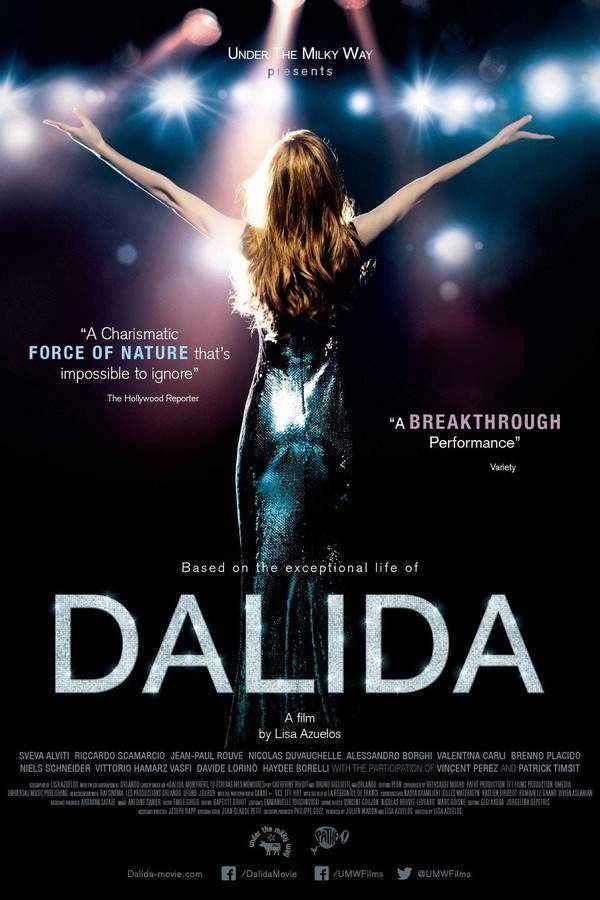
Dalida
2017
Behind the Candelabra
2013

Dark Illness
1990
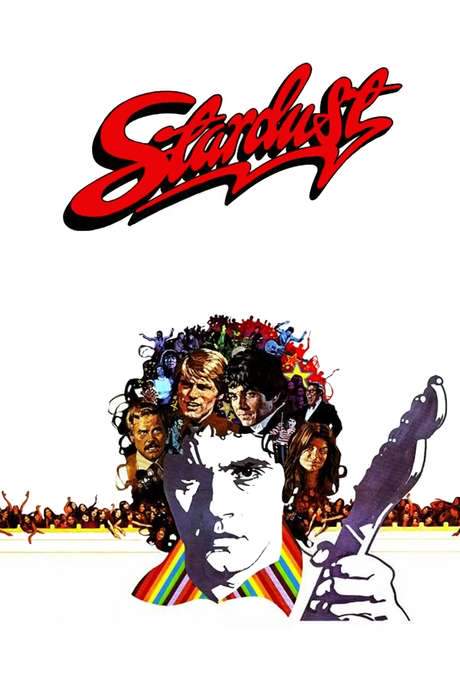
Stardust
1974
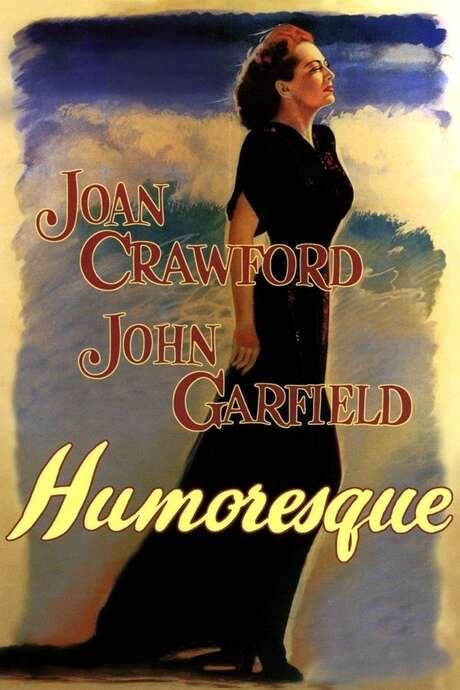
Humoresque
1946

The Goddess
1958

The History of Sound
2025
Narrative Summary
Narratives in this thread often follow characters who have achieved material success or public adoration, only to find their lives empty and relationships compromised. The journey typically involves a slow realization that the glittering world they inhabit is a gilded cage, leading to a melancholic reflection on the true cost of their lifestyle.
Why These Movies?
Movies are grouped here for their shared atmosphere of grandeur paired with sorrow. They share a specific emotional mix where the visual spectacle is undercut by a heavy, reflective tone, exploring themes of loneliness, the corruption of desire, and the personal sacrifices made for a public image.
Turbulent age gap romance movies like Behind the Candelabra
Intense, complicated love stories defined by power imbalances and dramatic age differences.Fans of the complex, power-imbalanced relationship in Behind the Candelabra will find more movies like it here. Discover similar emotional dramas about turbulent May-December romances, where significant age differences lead to manipulation, addiction, and bittersweet endings.
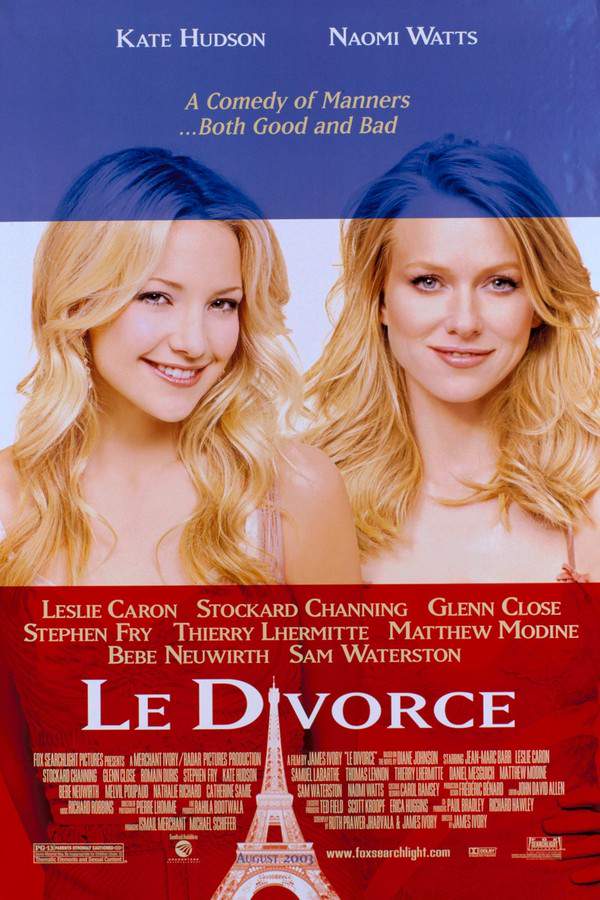
Le divorce
2003
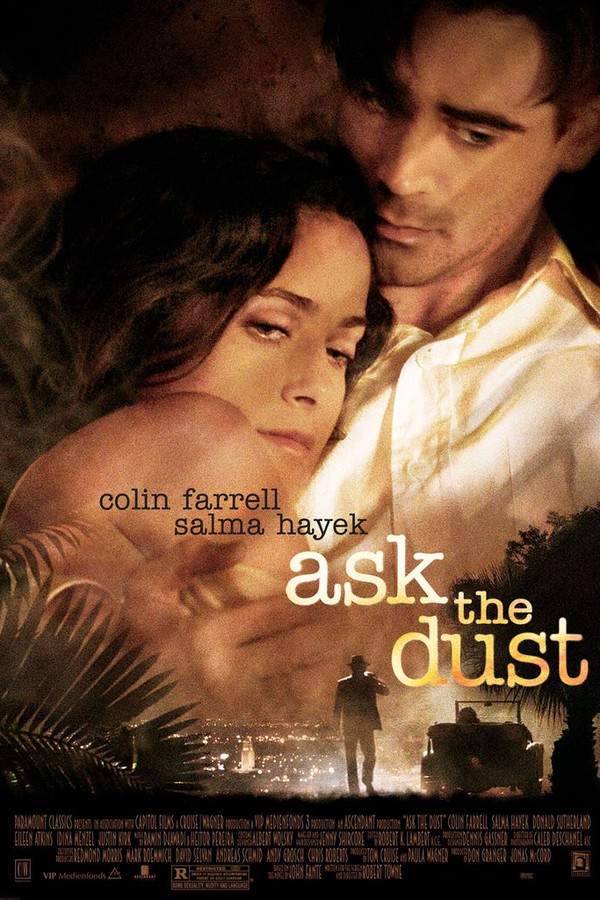
Ask the Dust
2006
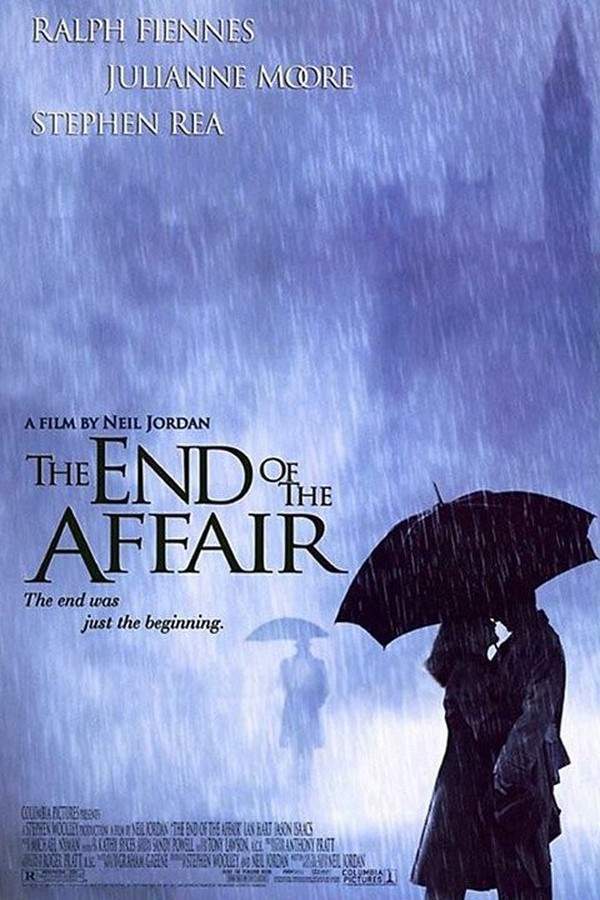
The End of the Affair
1999

Palm Trees and Power Lines
2023

After We Fell
2021

Temptation: Confessions of a Marriage Counselor
2013

Mildred Pierce
1000

My Bromance
2014

A Bizarre Love Triangle
2002
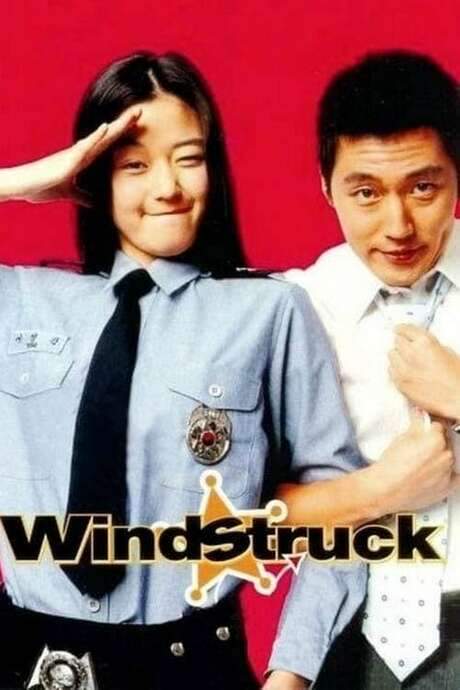
Windstruck
2004

The Proposition
1998

Where Love Has Gone
1964

Kama Sutra: A Tale of Love
1996

Born to Be Bad
1934

All This, and Heaven Too
1940
Narrative Summary
The narrative pattern follows a whirlwind romance that quickly becomes controlling or codependent. The story often charts a course from infatuation and indulgence to psychological manipulation, conflict over identity and autonomy, and a painful, bittersweet conclusion that leaves both characters scarred.
Why These Movies?
These films are grouped by their focus on the specific dramatic arc of an age-gap relationship. They share a high emotional intensity, a steady pacing that allows for deep character study, and a heavy weight derived from themes of exploitation, loss of self, and the inevitable collapse of an unbalanced partnership.
Unlock the Full Story of Behind the Candelabra
Don't stop at just watching — explore Behind the Candelabra in full detail. From the complete plot summary and scene-by-scene timeline to character breakdowns, thematic analysis, and a deep dive into the ending — every page helps you truly understand what Behind the Candelabra is all about. Plus, discover what's next after the movie.
Behind the Candelabra Timeline
Track the full timeline of Behind the Candelabra with every major event arranged chronologically. Perfect for decoding non-linear storytelling, flashbacks, or parallel narratives with a clear scene-by-scene breakdown.

Characters, Settings & Themes in Behind the Candelabra
Discover the characters, locations, and core themes that shape Behind the Candelabra. Get insights into symbolic elements, setting significance, and deeper narrative meaning — ideal for thematic analysis and movie breakdowns.