The year is 1910, set in the desolate badlands of Northeast Brazil. The story revolves around Tonho, a twenty-year-old middle son from an impoverished farm family known as the Breves. Caught in a relentless blood feud with the neighboring Ferreiras, Tonho is destined to continue this cycle of revenge, where each family has been embroiled in a series of tit-for-tat killings over land for generations. This bitter conflict is governed by a cold, harsh code that asserts, > "Blood has the same volume for everyone. You have no right to take more blood than was taken from you." The atmosphere is thick with a sense of futility and stoic despair, reflecting the gravity of their situation.
Under the immense pressure from his father, Tonho takes it upon himself to avenge his older brother's murder by killing one of the Ferreira sons, ironically marking himself as the next target. In this family dynamic, his younger brother, known simply as the Kid, bears no name—an ominous result of their parents' anticipation of inevitable loss. However, the Kid, with his imaginative spirit and unwavering love, remains uplifted despite the harsh realities of their life, offering Tonho a glimmer of hope.
Tonho's life takes a significant turn when he encounters Clara, a charismatic circus performer, who presents him with a world of endless possibilities. The narrative unfolds through the eyes of the Kid, who eventually earns the name Pacu from Clara and her stepfather, allowing the audience deeper insight into their lives and making them more relatable.
As Tonho and Pacu visit the nearby circus, the bond between Tonho and Clara deepens. Clara, yearning for connection, leaves her stepfather to join Tonho at the farm. In a poignant moment before her departure, Clara urges Tonho to meet her by the ocean in the east. The fragile tranquility shatters when the Ferreiras come seeking vengeance, initially threatening Tonho's life, but instead taking Pacu’s—a heart-wrenching blow to the Breves family.
In the aftermath, Tonho’s father demands retribution, insisting he retrieve the gun to avenge Pacu's death. Yet, reflecting on the devastation of their lives, Tonho chooses silence and walks away, prompting a violent confrontation with his father, who aims to uphold their family's honor. However, the mother intervenes, asserting that the feud has lost all meaning and must finally end.
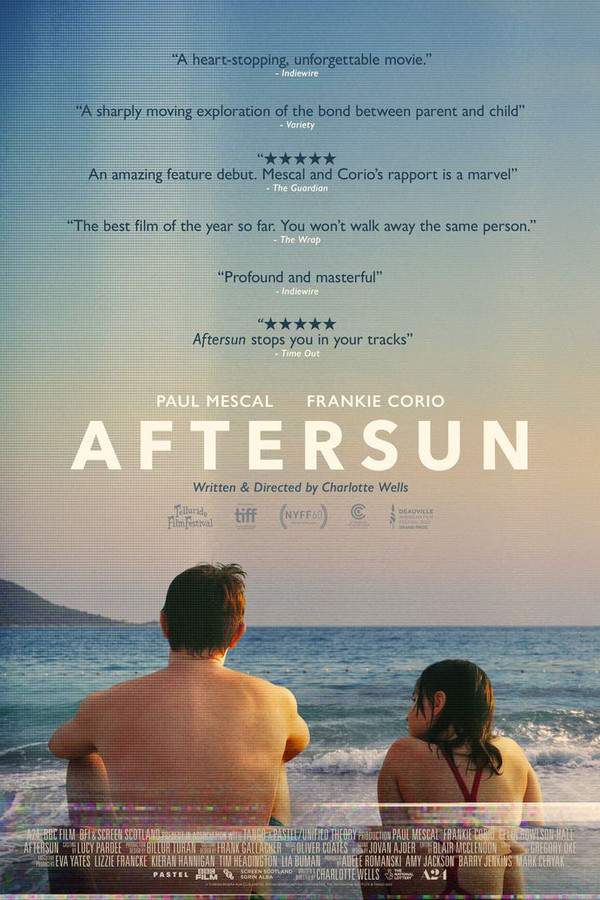
The film concludes with Tonho on a beach, gazing into the vast sea, embodying a melancholic wonder as he contemplates the shattered remnants of his past.