

Plot Explained Spoilers guaranteed!
Plot Explained

Browse by genre

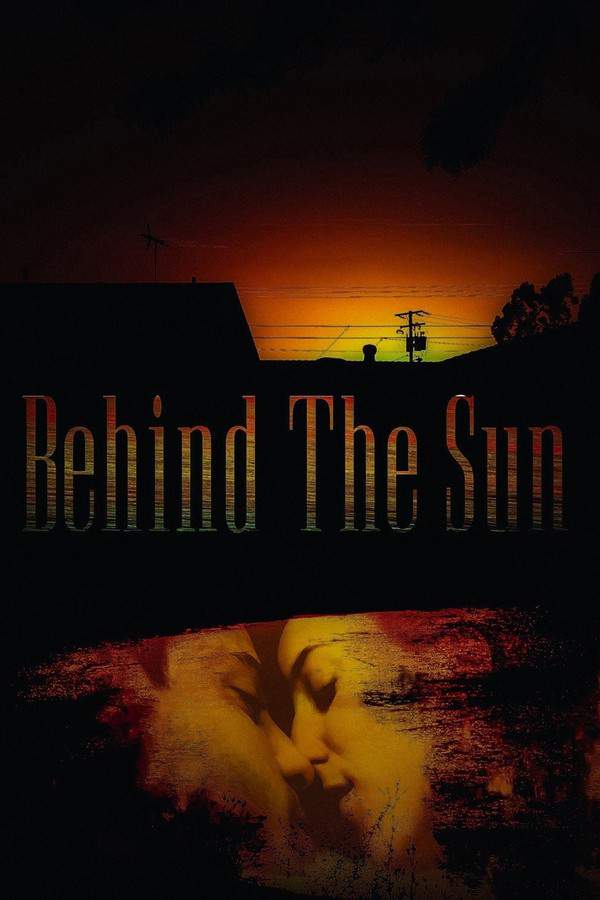
Behind the Sun (2001) movie poster

Timeline

Behind the Sun (2001) Timeline Explained – Every Event in Order

Release, runtime and language
2001 · 105 min · English
Directed by
Walter Salles
Starring
Rodrigo Santoro, José Dumont

A struggling writer, overwhelmed by despair, retreats into a fantastical world to find comfort and escape. There, he discovers solace in the presence of a companion born from his imagination. As he spends more time in this constructed reality, the boundaries between what is real and what is not become increasingly indistinct, forcing him to confront his own internal struggles and the nature of his emotional state.

On this page (6)
  1. 1 Where to watch
  2. 2 Events in order (13)
  3. 3 Timeline questions answered
  4. 4 Movie threads
  5. 5 Movies like Behind the Sun
  6. 6 Every angle

Where to watch

Where to Watch Behind the Sun (2001)

Where can you watch Behind the Sun? Stream, rent or buy it in the US, including on Hoopla: current JustWatch availability with up-to-date prices.

Streaming availability powered by JustWatch

13 events in order · contains spoilers

Behind the Sun Timeline: Events in Chronological Order

Every key event of Behind the Sun (2001) in order, scene by scene, with when and where it takes place. Use it to untangle flashbacks, time jumps and parallel storylines, to refresh your memory before the sequel or to find the exact scene you are thinking of.

  1. The Breves Family Struggles

    In the year 1910, the Breves family lives in the desolate badlands of Northeast Brazil, grappling with poverty and hardship. This challenging environment shapes the dynamics between the family members and highlights their ongoing blood feud with the Ferreiras, setting the stage for the story.

    When
    1910
    Where
    Badlands of Northeast Brazil
  2. The Blood Feud

    The Breves and Ferreiras are embroiled in a fierce blood feud, characterized by a relentless cycle of tit-for-tat killings over land. This bitter conflict has persisted for generations, governed by a harsh code revolving around the concept of blood and vengeance.

  3. The Murder of Tonho's Brother

    The narrative is propelled forward when Tonho's older brother is murdered, pushing him into a deep sense of obligation. Under immense pressure from his father, Tonho takes it upon himself to avenge his brother's death by targeting a son of the Ferreira family.

  4. Tonho's Transformation

    By avenging his brother's murder, Tonho unknowingly marks himself as the next target in the ongoing feud. This act escalates the cycle of violence and solidifies his role in the family's dark legacy of revenge.

  5. Introduction of the Kid

    The younger brother of Tonho, simply known as the Kid, becomes a poignant figure in the family dynamic. His lack of a name symbolizes the family's anticipation of loss, yet he remains a beacon of hope through his imaginative spirit and love for his elder brother.

  6. Tonho Meets Clara

    Tonho's life changes drastically when he meets Clara, a vibrant circus performer who introduces him to a world of dreams beyond the harsh realities of his existence. Their connection sparks a glimmer of happiness amidst the oppressive atmosphere surrounding the Breves family.

    Where
    Circus
  7. Bonding at the Circus

    Tonho and the Kid, now called Pacu, visit the circus where Clara performs. This outing deepens the bond between Tonho and Clara, allowing them to share moments of joy and connection that contrast starkly with their troubled home life.

    Where
    Circus
  8. Clara's Departure

    As Clara yearns for deeper connections, she decides to leave her stepfather and join Tonho at the farm. Before leaving, she urges Tonho to meet her by the ocean, symbolizing hope and promise amidst despair.

  9. The Ferreira's Vengeance

    Tragedy strikes when the Ferreiras, seeking vengeance, attack the Breves family. In the ensuing chaos, it is not Tonho who falls, but rather Pacu, whose death becomes a profound blow to the family and intensifies the existing conflict.

  10. Demand for Retribution

    In the aftermath of Pacu's death, Tonho's father demands that he retrieve his weapon to avenge their loss, emphasizing the unyielding cycle of violence. However, Tonho finds himself at a crossroads, grappling with the weight of familial expectations.

  11. Tonho Walks Away

    Faced with his father's insistence on revenge, Tonho chooses silence and walks away, a decision that infuriates his father. This act of defiance leads to a violent confrontation, showcasing the deep emotional rift within the family amidst the ongoing tragedy.

  12. Mother's Intervention

    In a pivotal moment, Tonho's mother intervenes during the confrontation, urging that the feud has lost all meaning. Her plea highlights the futility of their situation and suggests the need for reconciliation over revenge.

  13. Tonho's Reflection

    The film culminates with Tonho standing on a beach, gazing out over the vast sea. In this moment of melancholic wonder, he reflects on the shattered remnants of his past, embodying the emotional toll that family loyalty and revenge have taken on his life.

    Where
    Beach

Last updated: November 08, 2024 at 16:35

Was this helpful?

Timeline questions answered

Behind the Sun Timeline Explained: Your Questions Answered

When does it happen, and why in that order? The questions people ask about the chronology of Behind the Sun (2001): time jumps, flashbacks, cause and effect between scenes and the correct order of events, each answered with spoilers.

Q1

Why is Tonho trapped in the blood feud with the Ferreiras?

Tonho is trapped in the blood feud because it is a generations-long cycle of tit-for-tat killings over land between the Breves and Ferreira families. As a son of the Breves family, he is bound by the code that demands revenge for each murder. When his older brother is killed by the Ferreiras, the code obligates Tonho to avenge that death, even though doing so marks him as the next target for retaliation.

Foreshadowing: The film's opening establishes the harsh code: 'Blood has the same volume for everyone. You have no right to take more blood than was taken from you.'

  • blood feud
  • revenge
  • Breves family
  • Ferreira family
  • cycle of violence
Q2

Why does Tonho avenge his brother's murder?

Tonho avenges his brother's murder because of immense pressure from his father and the binding code of the blood feud. In their community, failing to avenge a family member's death would be seen as dishonorable and weak. By killing a Ferreira son, Tonho fulfills his familial duty, but this act also makes him the next target in the endless cycle of retaliation.

  • Tonho
  • brother
  • revenge
  • murder
  • father pressure
Q3

Why doesn't the Kid have a name?

The Kid has no name because his parents anticipate he will die young, as has happened with previous children in the family due to the violence of the blood feud. Giving a name would create emotional attachment to a child they expect to lose. Despite this grim reality, the Kid remains hopeful and imaginative, eventually earning the name Pacu from Clara.

Foreshadowing: The Kid's namelessness foreshadows his ultimate fate, he becomes the victim of the very violence that defines his family's existence.

  • Kid
  • Pacu
  • name
  • loss
  • family
  • hope
Q4

Who is Clara and what does she mean to Tonho?

Clara is a charismatic circus performer who becomes Tonho's romantic connection and represents hope beyond the bleak reality of his life. She introduces him to a world of possibility and joy that contrasts sharply with the poverty and violence of the badlands. For Tonho, Clara symbolizes escape from the cycle of revenge and a glimpse of a different future.

Foreshadowing: Before leaving the circus, Clara urges Tonho to meet her by the ocean in the east, a symbol of escape and new beginnings.

  • Clara
  • circus
  • love
  • hope
  • escape
  • Tonho
Q5

Why does Clara leave the circus to join Tonho?

Clara leaves her stepfather and the circus because she yearns for genuine connection and a life beyond performing. She sees in Tonho an opportunity for authentic relationship and escape from her itinerant, dependent existence. Her decision to leave represents her search for meaning and permanence rather than the transient life of a circus performer.

  • Clara
  • circus
  • stepfather
  • leaving
  • connection
Q6

Why do the Ferreiras kill Pacu instead of Tonho?

The Ferreiras come seeking vengeance for Tonho's murder of one of their sons, but they end up killing Pacu instead. This tragic twist occurs because Tonho is the intended target, but in the chaos and confusion of the attack, Pacu becomes the victim. His death represents the senseless randomness of the feud, where the violence ultimately claims the most innocent life rather than the one who actually committed the killing.

Foreshadowing: The code of the feud states blood must be repaid in equal measure, but the Ferreiras' attack demonstrates how the cycle spirals beyond anyone's control.

  • Ferreiras
  • Pacu
  • death
  • revenge
  • wrong target
Q7

Why does Tonho walk away instead of seeking revenge after Pacu's death?

Tonho walks away from revenge because he recognizes the futility and devastation the cycle of violence has brought upon his family. After losing his brother to the feud and now his younger brother Pacu, Tonho sees that continued retaliation will only lead to more loss. His choice represents a break from the generational code, choosing silence and peace over honoring a family tradition that has destroyed their lives.

Foreshadowing: This decision contrasts with the earlier scene where Tonho's father pressures him to avenge his brother's death, showing Tonho's evolution in understanding the feud's meaninglessness.

  • Tonho
  • revenge
  • walk away
  • peace
  • cycle ending
Q8

Why does Tonho's mother intervene in the confrontation?

Tonho's mother intervenes because she sees that the feud has consumed everything meaningful in her family's life and has lost all purpose. After losing two sons to the cycle of violence, she declares that the feud must end. Her intervention represents the voice of reason and maternal protection, arguing that continuing the revenge will only bring more tragedy to an already devastated family.

  • mother
  • intervention
  • feud
  • ending
  • family
Q9

What does the beach scene at the end of the movie signify?

The beach scene signifies Tonho's moment of liberation from the blood feud and his contemplation of a new life. When Clara urged him to meet her by the ocean in the east, she offered him an escape from the badlands and the cycle of violence. By standing alone on the beach at the end, Tonho has technically broken free from the feud, but he does so at the cost of his family ties and his past life, leaving him in melancholic solitude with an uncertain future.

Foreshadowing: Clara's earlier invitation to meet by the ocean foreshadows this final moment of potential renewal, though Clara herself is absent.

  • beach
  • ending
  • ocean
  • freedom
  • solitude
  • Clara
Q10

What is the blood code that governs the Breves and Ferreiras families?

The blood code is a harsh governing principle that states: 'Blood has the same volume for everyone. You have no right to take more blood than was taken from you.' This code mandates that each murder must be avenged with an equal death, creating a perpetual cycle of tit-for-tat killings over land disputes. The code gives the feud its cold logic and sense of inevitability, trapping both families in generations of violence with no clear path to resolution.

Foreshadowing: The blood code is established early in the film, setting up the inevitable tragedy that follows for both families.

  • blood code
  • feud
  • revenge
  • law
  • honor

Movie threads

More Movies Like Behind the Sun, by Mood & Story

Curated lists built around what makes Behind the Sun tick: the same mood, the same kind of story or the same emotional payoff. Each list explains why these movies belong together.

Rural Tragedies and Blood Feuds Like Behind the Sun

Stories where ancient traditions and blood feuds trap characters in a brutal cycle. If you were captivated by the grim cycle of violence in Behind the Sun, this list features movies with similar themes of family honor, rural poverty, and the heartbreaking cost of tradition. These powerful dramas explore the relentless pressure of duty in isolated, unforgiving settings.

  • grim
  • fatalistic
  • tragic
  • stoic
  • desolate
  • atmospheric
  • Tone: melancholic, grim, fatalistic
  • Pacing: slow, deliberate
Why these movies?

The story pattern: These narratives typically follow a protagonist bound by a brutal, inherited conflict, often a blood feud. The plot revolves around the inevitable progression of violence, punctuated by loss, forcing a choice between upholding a destructive legacy or sacrificing everything for a chance at peace.

Why they belong together: They share a heavy emotional weight, a melancholic tone, and a slow, deliberate pacing that reflects the suffocating nature of their worlds. The central conflict is an external, tangible force—family duty, honor codes—that shapes every character's fate.

Movies About Internal Escapism Like Behind the Sun

Characters grappling with despair create inner worlds to cope with harsh reality. For viewers who connected with the theme of finding solace in imagination in Behind the Sun, this selection highlights similar stories of characters using fantasy as a coping mechanism. These films explore the bittersweet and often dangerous line between reality and constructed comfort.

  • reflective
  • yearning
  • atmospheric
  • tragic
  • psychological
  • desolate
  • Tone: melancholic, reflective, bittersweet
  • Pacing: slow, contemplative
Why these movies?

The story pattern: The story begins with a character in a state of deep emotional distress. To survive, they consciously or unconsciously build an alternative reality. The narrative tension comes from the increasing difficulty of distinguishing this refuge from the real world, leading to a crisis of identity and a bittersweet resolution.

Why they belong together: They are united by a heavy emotional core, a slow, contemplative pace that allows for deep character immersion, and a melancholic or bittersweet tone. The primary conflict is internal, centered on grief, trauma, and the psychology of survival.

If you liked this

Movies Like Behind the Sun

Similar movies to Behind the Sun: the same genre, themes or kind of story. Each one comes with its own plot summary, timeline and ending explained.

Browse all movie summaries

Every angle

Behind the Sun (2001) Explained: Plot, Timeline & Characters

Everything about Behind the Sun in one place: what happens in the plot summary, the timeline in chronological order, the characters and meaning and a spoiler-free summary. What's After the Movie adds the cast, box office and post-credit scenes.

Coming soon on iOS and Android

The Plot Explained Movie Summary App

Plot summaries, endings explained and timelines on your phone. Catch up on any movie in minutes, save your favorites and never miss a twist again.

Be the first to know when we launch. Your email stays private, always.

Learn more about the app