

Plot Explained Spoilers guaranteed!
Plot Explained

Browse by genre

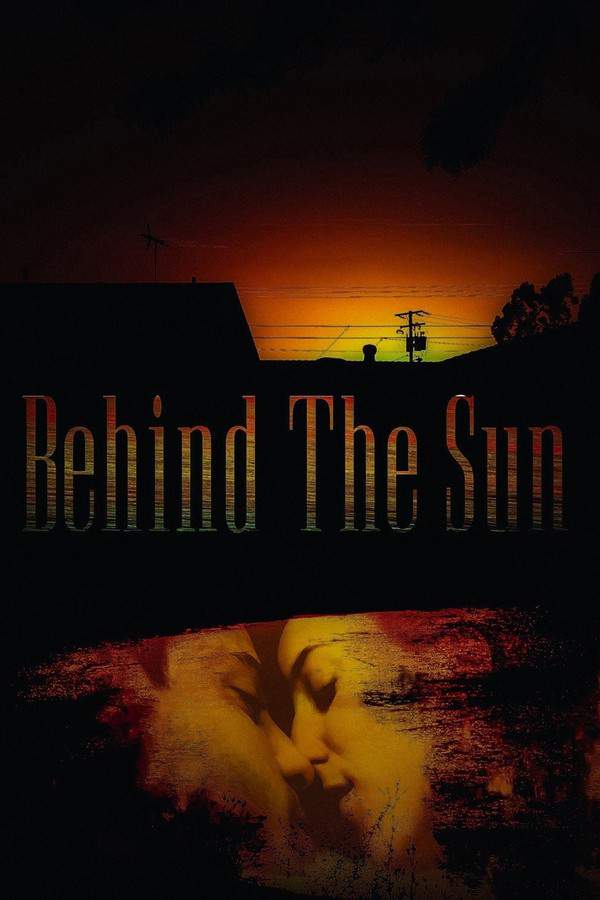
Behind the Sun (2001) movie poster

Characters & Themes

Behind the Sun (2001) Characters, Setting & Themes Explained

Release, runtime and language
2001 · 105 min · English
Directed by
Walter Salles
Starring
Rodrigo Santoro, José Dumont

A struggling writer, overwhelmed by despair, retreats into a fantastical world to find comfort and escape. There, he discovers solace in the presence of a companion born from his imagination. As he spends more time in this constructed reality, the boundaries between what is real and what is not become increasingly indistinct, forcing him to confront his own internal struggles and the nature of his emotional state.

On this page (8)
  1. 1 Where to watch
  2. 2 Characters explained (3)
  3. 3 Where & when it takes place
  4. 4 Themes & meaning (3)
  5. 5 Character & meaning questions
  6. 6 Movie threads
  7. 7 Movies like Behind the Sun
  8. 8 Every angle

Where to watch

Where to Watch Behind the Sun (2001)

Where can you watch Behind the Sun? Stream, rent or buy it in the US, including on Hoopla: current JustWatch availability with up-to-date prices.

Streaming availability powered by JustWatch

3 main characters · contains spoilers

Behind the Sun Characters Explained: Who Is Who

The main characters of Behind the Sun (2001), heroes and villains: what drives them, how they change over the course of the story and what each of them reveals about the film's bigger ideas.

  • Tonho

    Tonho, the 20-year-old middle son of the Breves family, is caught in a web of familial duty and the harsh realities of violence. Struggling with the pressure of avenging his brother’s death, he embodies the conflict between legacy and the desire for a different life. His inner turmoil reflects the film’s themes of revenge and helplessness.

    • 👨‍🌾 Farmer
    • ⚔️ Avenger
  • Pacu

    Pacu, initially referred to as 'the Kid,' represents innocence amidst chaos. His imaginative spirit and unwavering love provide a stark contrast to the violent world around him. Despite his lack of a name, Pacu's journey with Tonho and Clara encapsulates the film's emotional core, emphasizing the bonds of family.

    • 👦 Innocence
    • 🌈 Imagination
  • Clara

    Clara, a charismatic circus performer, symbolizes the lure of a different life and the possibility of love. Her connection with Tonho reveals his yearning for change, while her departure highlights the film's theme of loss. Clara's independent spirit and desire for connection make her a pivotal character in Tonho's transformation.

    • 🎭 Performer
    • 💖 Love

Last updated: October 23, 2024 at 08:45

Was this helpful?

Setting

Where and When Does Behind the Sun Take Place?

The setting of Behind the Sun (2001): the year and time period, the places and locations, and how they shape the characters, the mood and the tension of the story.

Time period

1910

The year 1910 is marked by social tensions and deep-rooted feuds in rural Brazil. This period reflects a world where old codes of honor and revenge dictate actions, leading to a tragic cycle that engulfs families for generations. It is a time when traditional values clash with new beginnings, highlighting the struggle between past grievances and the possibility of change.

Location

Northeast Brazil

The desolate badlands of Northeast Brazil serve as the backdrop for this film, characterized by harsh landscapes and a sense of isolation. Known for its rugged terrain and resilience, this region reflects the struggles of its inhabitants, caught in a cycle of violence and despair. The nearby ocean symbolizes both beauty and the promise of escape from their tumultuous lives.

  • 🌄 Badlands
  • 🌊 Ocean

Last updated: October 23, 2024 at 08:45

Was this helpful?

3 major themes

Behind the Sun Meaning: Themes & Message Explained

What is Behind the Sun (2001) really about? The emotional, social and philosophical themes the film keeps returning to, its symbolism and the message beneath the surface.

  • Revenge

    Revenge is a central theme, illustrated through the generations of blood feuds between the Breves and the Ferreiras. This relentless cycle of retaliation demonstrates how vengeance drives characters to commit acts of violence in an attempt to restore their family's honor. Ultimately, the film questions the futility of such actions and the cost it exacts on individual lives.

  • Loss

    The theme of loss permeates the narrative, particularly through the character of Tonho and the tragic fate of his younger brother, Pacu. The family experiences profound grief and inevitability, as each member grapples with the idea of impending loss. Clara's departure and Pacu's death serve as poignant reminders of the fragility of life and the enduring impact of loss on the human spirit.

  • Hope

    In the midst of despair, hope emerges through relationships, particularly between Tonho, Pacu, and Clara. Clara represents a world of possibilities, urging Tonho to consider a life beyond revenge. Despite the darkness surrounding them, Pacu's imagination and love signify resilience and the potential for change, offering a glimmer of hope in an otherwise bleak existence.

Last updated: October 23, 2024 at 08:45

Was this helpful?

Character & theme questions

Behind the Sun Characters & Meaning: Your Questions Answered

The questions people ask about Behind the Sun (2001): who the characters really are, their relationships, what the symbols mean, where it takes place and what the movie is really about. Each answer contains spoilers.

Q1

Where is the movie set?

The film takes place in the desolate badlands of Northeast Brazil, a harsh landscape characterized by rugged terrain and isolation. This region reflects the struggles of its inhabitants, caught in a cycle of violence and despair. The nearby ocean appears as a contrasting symbol of beauty and the promise of escape from the tumultuous lives led by the characters.

Foreshadowing: The harsh landscape mirrors the unforgiving nature of the blood feud that governs the characters' lives.

  • northeast brazil
  • badlands
  • setting
  • location
Q2

When does the story take place?

The movie is set in 1910, a period marked by social tensions and deep-rooted feuds in rural Brazil. This era reflects a world where old codes of honor and revenge dictate actions, trapping families in cycles of retaliation that span generations. Traditional values clash with the possibility of new beginnings during this time.

  • 1910
  • brazil
  • time period
  • historical setting
Q3

What role does revenge play in the story?

Revenge is the central driving force of the narrative, embodied in the generations-long blood feud between the Breves and Ferreira families. The film illustrates how vengeance compels characters to commit acts of violence in pursuit of family honor, ultimately questioning the futility of such actions and the devastating personal cost they exact.

Foreshadowing: The opening sequences establish the unending cycle of retaliation that consumes both families.

  • revenge
  • blood feud
  • honor
  • cycle of violence
Q4

Who is Tonho and what is his role?

Tonho is the 20-year-old middle son of the Breves family, whose life is consumed by familial duty and the harsh realities of violence surrounding him. He embodies the central conflict between continuing his family's legacy of revenge and his desire for a different life. His inner turmoil defines the film's exploration of vengeance and helplessness.

  • tonho
  • protagonist
  • breves family
  • revenge
Q5

Who is Pacu and what does he symbolize?

Pacu, Tonho's younger brother, represents pure innocence amidst the chaos of their violent world. Despite lacking a formal name, his imaginative spirit and unwavering love provide a stark contrast to the blood feud surrounding him. His journey alongside Tonho and Clara emphasizes the bonds of family and the fragility of life in such a brutal environment.

  • pacu
  • kid
  • younger brother
  • innocence
Q6

Who is Clara and what is her significance?

Clara is a charismatic circus performer who symbolizes the lure of a different life and the possibility of love and change. Her connection with Tonho reveals his deep yearning for escape from the cycle of violence. Her departure serves as a powerful reminder of loss, while her independent spirit acts as a catalyst for Tonho's potential transformation.

  • clara
  • circus performer
  • love
  • escape
Q7

How is loss portrayed in the film?

Loss permeates the narrative through multiple characters and events, most profoundly through Tonho and the tragic fate of his younger brother Pacu. The family experiences profound grief and inevitability as each member confronts impending loss. Clara's departure and Pacu's death serve as poignant reminders of life's fragility and the lasting emotional impact on those left behind.

  • loss
  • death
  • grief
  • tragedy
Q8

Is there hope amid the tragedy?

Hope emerges through the relationships between Tonho, Pacu, and Clara, particularly as Clara represents a world of possibilities beyond revenge. Pacu's imagination and love symbolize resilience and the potential for change, offering a glimmer of hope in an otherwise bleak existence. The film suggests that breaking free from destructive cycles is possible, though at great personal cost.

  • hope
  • change
  • possibility
  • resilience
Q9

What is the emotional tone of the movie?

The film carries a dominantly melancholic tone, characterized by quiet, reflective sadness over tragic events rather than outright bleakness. The slow pacing reflects the deliberate, inevitable march of fate in a harsh, static environment, amplifying the sense of despair. However, there remains a glimmer of hope through Clara and Pacu, making the ending bittersweet rather than purely tragic.

  • melancholy
  • tone
  • mood
  • slow pacing
Q10

What does the ocean represent in the story?

The ocean near the badlands symbolizes both beauty and the promise of escape from the tumultuous lives of the characters. It represents possibility and freedom, contrasting sharply with the harsh, landlocked violence of the blood feud. For characters trapped in cycles of revenge, the ocean becomes a metaphor for breaking free from their predetermined fate.

  • ocean
  • escape
  • symbolism
  • freedom

Movie threads

More Movies Like Behind the Sun, by Mood & Story

Curated lists built around what makes Behind the Sun tick: the same mood, the same kind of story or the same emotional payoff. Each list explains why these movies belong together.

Rural Tragedies and Blood Feuds Like Behind the Sun

Stories where ancient traditions and blood feuds trap characters in a brutal cycle. If you were captivated by the grim cycle of violence in Behind the Sun, this list features movies with similar themes of family honor, rural poverty, and the heartbreaking cost of tradition. These powerful dramas explore the relentless pressure of duty in isolated, unforgiving settings.

  • grim
  • fatalistic
  • tragic
  • stoic
  • desolate
  • atmospheric
  • Tone: melancholic, grim, fatalistic
  • Pacing: slow, deliberate
Why these movies?

The story pattern: These narratives typically follow a protagonist bound by a brutal, inherited conflict, often a blood feud. The plot revolves around the inevitable progression of violence, punctuated by loss, forcing a choice between upholding a destructive legacy or sacrificing everything for a chance at peace.

Why they belong together: They share a heavy emotional weight, a melancholic tone, and a slow, deliberate pacing that reflects the suffocating nature of their worlds. The central conflict is an external, tangible force—family duty, honor codes—that shapes every character's fate.

Movies About Internal Escapism Like Behind the Sun

Characters grappling with despair create inner worlds to cope with harsh reality. For viewers who connected with the theme of finding solace in imagination in Behind the Sun, this selection highlights similar stories of characters using fantasy as a coping mechanism. These films explore the bittersweet and often dangerous line between reality and constructed comfort.

  • reflective
  • yearning
  • atmospheric
  • tragic
  • psychological
  • desolate
  • Tone: melancholic, reflective, bittersweet
  • Pacing: slow, contemplative
Why these movies?

The story pattern: The story begins with a character in a state of deep emotional distress. To survive, they consciously or unconsciously build an alternative reality. The narrative tension comes from the increasing difficulty of distinguishing this refuge from the real world, leading to a crisis of identity and a bittersweet resolution.

Why they belong together: They are united by a heavy emotional core, a slow, contemplative pace that allows for deep character immersion, and a melancholic or bittersweet tone. The primary conflict is internal, centered on grief, trauma, and the psychology of survival.

If you liked this

Movies Like Behind the Sun

Similar movies to Behind the Sun: the same genre, themes or kind of story. Each one comes with its own plot summary, timeline and ending explained.

Browse all movie summaries

Every angle

Behind the Sun (2001) Explained: Plot, Timeline & Characters

Everything about Behind the Sun in one place: what happens in the plot summary, the timeline in chronological order, the characters and meaning and a spoiler-free summary. What's After the Movie adds the cast, box office and post-credit scenes.

Coming soon on iOS and Android

The Plot Explained Movie Summary App

Plot summaries, endings explained and timelines on your phone. Catch up on any movie in minutes, save your favorites and never miss a twist again.

Be the first to know when we launch. Your email stays private, always.

Learn more about the app