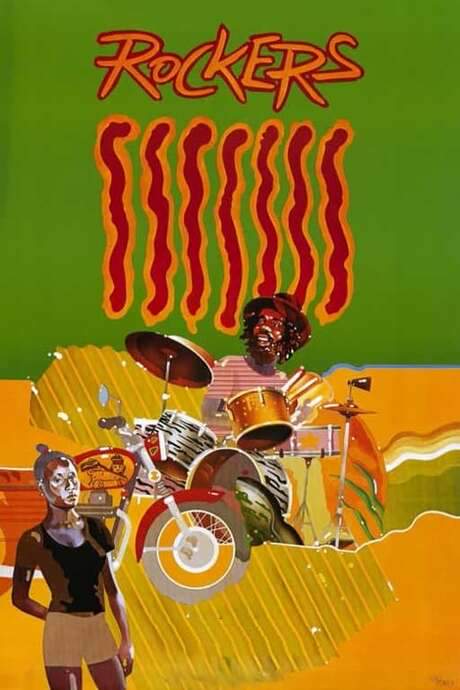
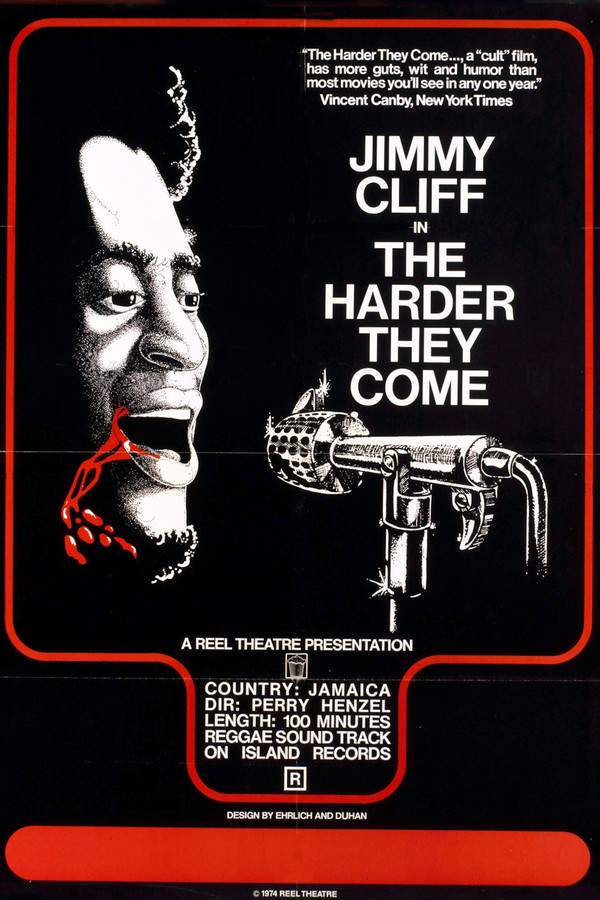
In Kingston's crowded, sun-washed ghetto, Horsemouth is a drummer who turns his musical instincts into a side hustle by buying, selling, and distributing contemporary reggae records. He buys an orange-red 175 motorcycle on borrowed money to ferry crates of vinyl to sound systems, bodegas, clubs, and dance parties across the island, a purchase that becomes both a lifeline and a symbol of independence for the tight-knit crew around him. A friend named Jah Wise adds a bold touch to the ride, painting a Lion of Judah on both sides of the gas tank, a vivid mark of faith that travels with him on every gig and trip.
To stock his inventory, he taps into two powerful local forces in the scene: Jack Ruby and Joe Gibbs record businesses, whose crates of records help stitch together a broader network of musicians, studios, and audiences. After selling records at a variety of spots, he visits the renowned Channel One Studios to meet the celebrated singer Jacob Miller. The meeting sparks a new opportunity: he is asked to play drums with Miller and members of the band Inner Circle for a gig at a tourist resort, a chance to showcase his drumming and widen his circle beyond the neighborhood.
When that chance seems within reach, the resort job introduces a personal tie: Sunshine, the resort owner’s daughter, becomes a guiding presence who understands the value of loyalty and community. The budding connection adds a human dimension to the story as the path of life and music cross with hers in a way that blends business, friendship, and a shared sense of responsibility. Yet darkness intrudes quickly—that night, his motorbike is stolen, shaking the foundation of his livelihood and the fragile balance of the crew around him.
In the days that follow, Sunshine realizes the theft is no random act but part of a larger scheme run by her father’s hired men. This revelation drags the personal into the political, turning the pursuit of a bike into a fight for dignity and collective survival. Sunshine chooses to stand with Horsemouth and their friends, helping to recover the bike and other stolen goods, cementing a bond born of necessity and mutual trust. The ensemble faces danger, but their willingness to stand up for one another fuels a stubborn perseverance.
The film unfolds like a journey through a living reggae club: it moves from a loose, almost documentary-like depiction of street life toward a more mythic, communal telling. It nods to Vittorio de Sica’s Bicycle Thieves in its focus on ordinary people pressed by circumstance, yet it reimagines the arc through the rhythmic, hopeful pulse of reggae culture. The result is less about crime and punishment and more about resilience, creativity, and the power of a community that bands together when resources are scarce and hope feels fragile. As the story threads together music, friendship, and a shared struggle, it captures a moment when art becomes a tool for reclaiming dignity and keeping a neighborhood moving, even when theft, danger, and debt threaten to derail the rhythm.
























k-con Artists-viqvHswOHjXv1Q.jpg)