Plot Explained Spoilers guaranteed!
Plot Explained

Browse by genre

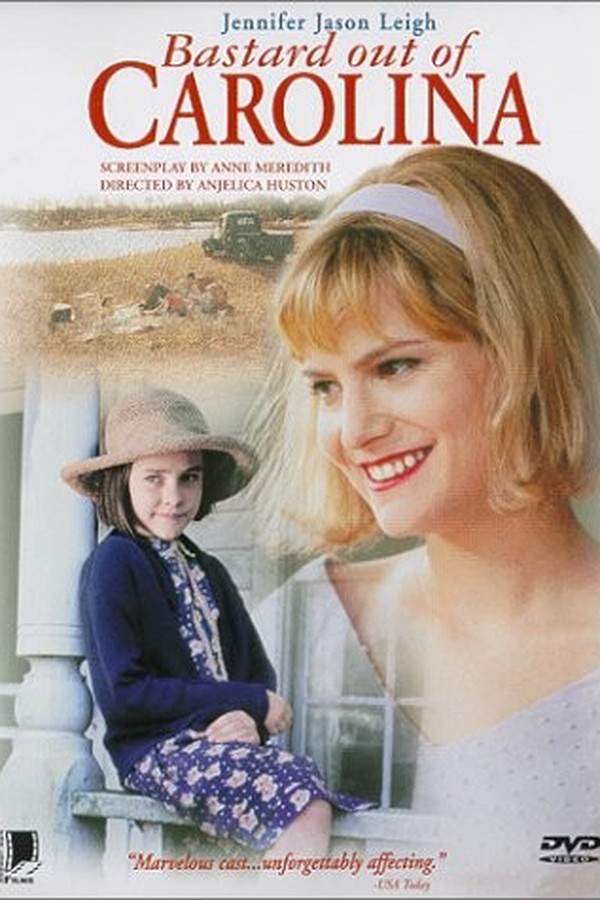
Bastard Out of Carolina (1996) movie poster

Plot Summary

Bastard Out of Carolina (1996) Plot Summary Explained

Release, runtime and language
1996 · 97 min · English

In the rural South, a single mother, Anney, strives to create a stable life for her young daughter, Bone. A brief period of happiness arrives with the kind husband, Lyle, but tragedy strikes when he dies in an accident. Following this loss, Anney marries the volatile Glen, and their family spirals into a dark and abusive situation. Glen’s cruel treatment of Bone puts the family’s well-being and future in grave danger.

On this page (6)
  1. 1 What happens: full plot
  2. 2 Plot questions answered
  3. 3 The book behind the movie
  4. 4 Movie threads
  5. 5 Movies like Bastard Out of Carolina
  6. 6 Every angle

Full plot summary · contains spoilers

What Happens in Bastard Out of Carolina: Full Plot Summary

The whole story of Bastard Out of Carolina (1996) explained, from the opening scene to the final frame: every key event, every twist and what it all adds up to. Read it as a quick recap before the sequel, to check a scene you missed, or to finally understand what really happened.

In a quaint corner of Greenville, South Carolina, the atmosphere of the 1950s envelops Ruth Anne "Bone" Boatwright as she grapples with complex family dynamics alongside her mother, Anney. Born in a world where societal stigma lingers, Bone carries the heavy burden of being born out of wedlock, casting a shadow over her childhood. When a fortuitous fire destroys the county courthouse, obliterating Bone's vital records, Anney feels a glimmer of hope, believing this calamity offers them a chance for a fresh start.

Anney's second marriage to Glen Waddell, father of Bone's half-sister, initially brings promise. Following Lyle Parsons' untimely demise, Glen steps in, showering Bone with attention in attempts to bridge the emotional gap. However, as the anticipation for a new child dims, Glen’s facade crumbles, giving way to a chilling darkness. His pent-up frustrations transform into horrific abuse, subjecting Bone to unimaginable violence, while Anney finds herself powerless to intervene.

One harrowing night, Bone, nearly paralyzed with pain, seeks solace beside her mother. At the hospital, a doctor unloads a barrage of accusations at Anney for allowing such atrocities to unfold. Bone's only utterance is a soft, pained: > "Mama." As tears stream down Anney's face like autumn leaves, she rejects Glen's feeble attempts at comfort and escapes the hospital, seeking refuge with her sister Alma. Yet, Anney's hope for reform leads her back to Glen, only to witness the cycle of abuse resume—a reminder that not all wounds can heal.

During a tender moment at a local café, Anney urges Bone to find sanctuary with Aunt Ruth, whose health is declining. As they share sweet gospel melodies, Bone reassures Ruth about Glen's behavior, denying any violence. Their connection is shattered, however, when Dee Dee arrives with the devastating news of Ruth's passing. At the subsequent funeral, Bone's Aunt Raylene notices the physical scars on her niece, prompting immediate concern and action from Earle, Wade, and Travis, who confront Glen to avenge Bone’s suffering.

Now living under the care of her aunts, Bone must confront the profound repercussions of her mother's choices. Anney's struggle culminates in a heart-wrenching decision—dividing her loyalties between Glen and her daughter. When Glen reappears, attempting to manipulate Bone into compliance, she stands firm. She threatens exposure of his misdeeds, evoking a dangerous escalation that culminates in a horrific assault, leaving Bone physically and emotionally shattered.

Annee’s discovery of her daughter’s trauma ignites a fierce protectiveness within her. In a moment that echoes the shattered trust of their relationship, she wields a milk bottle against Glen’s skull, an act of defiance. As Glen tumbles away, pleading for forgiveness, Anney rushes to flee with Bone. In a poignant twist, she strokes Glen's head, seemingly believing he has changed, while Bone grapples with her own feelings of disgust at this display of misplaced compassion.

As the fragile threads of Bone's existence unravel, she receives an unexpected visitor: Aunt Raylene. Despite the authorities’ probing for details regarding the assault, Bone clings to her silence as she calls for her absent mother. In this critical juncture, she finds temporary refuge with Aunt Raylene and Uncle Earle—a safe haven to escape her secrets, if only for a moment.

A pivotal visit from Anney delivers a bittersweet closure as she hands Bone her birth certificate, now free from the burden of illegitimacy. With a tearful apology for her previous complicity, Anney confesses her ill-fated affection for Glen, revealing the complexity of her choices. As she departs again, sorrow fills the space between mother and daughter, leaving Bone in quiet mourning.

In the aftermath of Anney's emotional exit, Bone begins to claim her long-overdue freedom, channeling her anguish into a powerful affirmation: > "I forgive my mother." This act becomes her beacon of liberation, illuminating the path toward healing. As the credits roll, the film resonates with the profound impact of forgiveness—a testament to Bone's journey from bondage to freedom, marking a significant transformation in her life.
Last updated: November 22, 2024 at 18:46

Was this helpful?

Plot questions answered

Bastard Out of Carolina Plot Explained: Your Questions Answered

The questions people ask most about Bastard Out of Carolina (1996): what happens in the confusing scenes, why the characters do what they do, the twists, hidden details and what the ending means. Each answer contains spoilers.

Q1

Why does Anney return to Glen after leaving him?

Anney returns to Glen because she genuinely believes he will change. After the initial hospital incident where Bone is severely injured, Anney seeks refuge with her sister Alma, showing her initial willingness to leave. However, hope for reform leads her back to Glen, illustrating how victims of abusive relationships often believe in the possibility of change. The cycle of abuse continues because Glen's behavior remains unchanged, demonstrating the tragic reality that abusers rarely transform despite promises or brief periods of apparent reform.

Foreshadowing: Glen's facade begins to crumble 'as the anticipation for a new child dims,' showing his caring demeanor was always conditional.

  • Anney
  • Glen
  • abusive relationship
  • cycle of abuse
  • victim returns
Q2

Why doesn't Anney protect Bone from Glen's abuse?

Anney feels powerless to intervene despite knowing what is happening. The hospital scene explicitly shows a doctor accusing Anney of allowing the abuse to continue, and Anney is portrayed as paralyzed by her own circumstances. She struggles with divided loyalty, between her daughter and her husband, and lacks the resources, support, or emotional strength to leave initially. Her powerlessness stems from both Glen's manipulation and the societal constraints of 1950s rural South Carolina that made leaving an abusive spouse extremely difficult for women.

Foreshadowing: Anney 'finds herself powerless to intervene' once Glen's darkness emerges, establishing her inability to act earlier.

  • Anney
  • Bone
  • Glen
  • failure to protect
  • powerlessness
  • domestic abuse
Q3

What triggers Glen's transformation from caring stepfather to abuser?

Glen's transformation occurs gradually as his expectations around the new baby fade. Initially, he attempts to build a relationship with Bone following Lyle's death, showering her with attention. However, as 'the anticipation for a new child dims,' his pent-up frustrations surface and his facade crumbles. The abuse represents his true nature emerging, his initial kindness was a performance to win Anney's trust and affection, and once comfortable in the marriage, his violent and abusive tendencies surface.

Foreshadowing: The timeline notes Glen 'initially brings promise' but 'his facade begins to crumble' as the new baby excitement fades.

  • Glen
  • transformation
  • abuse
  • stepfather
  • fake kindness
Q4

Why does Bone keep silent about the abuse?

Bone remains silent about the abuse due to fear, shame, and the manipulation tactics Glen employs. When Glen attempts to manipulate her into submission, she initially threatens to expose him, but the trauma and systematic control prevent her from speaking out. At the hospital and later with authorities, she clings to silence, which is a common response among abuse victims who feel trapped, responsible, or fearful of further retaliation. Her silence is also a survival mechanism in a household where telling the truth only escalated the violence.

Foreshadowing: Glen 'attempting to manipulate Bone into compliance' shows the control dynamic that silences victims.

  • Bone
  • silence
  • abuse
  • fear
  • manipulation
  • trauma
  • victim silence
Q5

What is the significance of the courthouse fire in the story?

The courthouse fire destroys Bone's vital records, which carries enormous symbolic and practical weight. Because Bone was born out of wedlock, these records prove her illegitimacy, a stigma that haunts her throughout the film. When the courthouse burns down, Anney sees it as 'a glimmer of hope, believing this calamity offers them a chance for a fresh start.' The fire represents the possibility of escaping societal judgment and starting anew without the mark of illegitimacy. Later, when Anney gives Bone her birth certificate at the end, it symbolizes the removal of that burden.

Foreshadowing: The fire destroys records that 'cast a shadow over her childhood,' setting up the eventual restoration of her identity.

  • courthouse fire
  • birth certificate
  • illegitimacy
  • fresh start
  • records
Q6

Why does Anney stroke Glen's head after hitting him with the milk bottle?

Anney's act of stroking Glen's head while he falls represents the complex, dysfunctional nature of her relationship with him. Despite his horrific abuse of her daughter, she still harbors feelings for him, she later admits her 'ill-fated affection for Glen.' This moment shows the contradictory emotions victims experience: she has just defended her child with violence, yet she cannot fully sever her emotional attachment. The gesture suggests she momentarily believes he might change, or perhaps it reflects years of conditioned response to prioritize his needs even in crisis.

Foreshadowing: Anney later admits her 'ill-fated affection for Glen,' explaining why she cannot fully abandon him even after violence.

  • Anney
  • Glen
  • milk bottle
  • complex relationship
  • mixed feelings
  • abuse victim
Q7

What leads to the confrontation at Ruth's funeral?

The confrontation at Ruth's funeral occurs because Aunt Raylene notices Bone's physical scars. At the funeral, 'Bone's Aunt Raylene notices the physical scars on her niece, prompting immediate concern and action from Earle, Wade, and Travis, who confront Glen to avenge Bone's suffering.' This is the first time external family members visibly witness evidence of abuse and take action. The public setting of the funeral forces the hidden abuse into the open, triggering the male relatives to directly confront Glen about his violence.

Foreshadowing: Earlier, Anney and Bone visit Aunt Ruth at the café where Ruth's health is declining, establishing the family connection that leads to the funeral discovery.

  • Ruth funeral
  • scars
  • Raylene
  • Earle
  • confrontation
  • Glen
  • abuse exposed
Q8

Why does Bone forgive her mother at the end?

Bone forgives Anney as a final act of liberation and self-healing. After enduring years of abuse and witnessing her mother's failure to protect her, Bone chooses forgiveness not to excuse Anney's actions, but to free herself from the emotional burden of resentment. The film presents this as her 'beacon of liberation, illuminating the path toward healing.' Forgiveness becomes her way of reclaiming agency over her own emotional state rather than remaining trapped in anger and pain. This does not mean the relationship is restored, Anney leaves again, but Bone's declaration signifies her own psychological release from the trauma.

Foreshadowing: The film emphasizes Bone 'grapples with her own feelings of disgust at this display of misplaced compassion' toward Anney, showing the internal conflict she must resolve before forgiving.

  • Bone
  • forgiveness
  • healing
  • liberation
  • mother
  • closure
  • emotional release
Q9

Why does Glen become abusive toward Bone?

Glen becomes abusive because his initial kindness was a facade to win Anney's trust, and his violence represents his true nature. The timeline indicates 'his pent-up frustrations transform into horrific abuse' once he feels secure in the marriage. His abuse is not triggered by any action from Bone, it is about power and control. Abusers often maintain a charming exterior initially, and Glen's pattern follows this cycle of abuse: idealization (showering Bone with attention), devaluation (violence), and manipulation. Bone is the target because she represents Anney's previous life and is a reminder that she had a relationship before Glen.

Foreshadowing: Glen 'initially brings promise' and 'showering Bone with attention in attempts to bridge the emotional gap,' revealing his strategic approach.

  • Glen
  • abuse
  • violence
  • power
  • control
  • manipulation
  • true nature
Q10

What happens to Bone at the end of the movie?

At the end of the movie, Bone achieves a form of emotional liberation through forgiving her mother. After Anney visits one final time to deliver Bone's birth certificate and apologize for her complicity, Bone is left to process her mother's departure. She then 'begins to claim her long-overdue freedom, channeling her anguish into a powerful affirmation: I forgive my mother.' This declaration marks a significant transformation in her life, from victim to survivor. She does not return to Glen, and she does not stay trapped in trauma; instead, she begins rebuilding her life with the support of her aunts while carrying the emotional weight of her past.

Foreshadowing: Anney gives Bone 'her birth certificate, now free from the burden of illegitimacy,' symbolizing the removal of her social stigma.

  • Bone
  • ending
  • freedom
  • forgiveness
  • healing
  • survival
  • transformation
Q11

Why does Anney marry Glen after Lyle's death?

Anney marries Glen because she needed stability after Lyle Parsons' untimely death. The timeline indicates 'Glen steps in' following Lyle's demise, suggesting Anney sought a father figure for Bone and economic stability for the family. Glen is also the father of Bone's half-sister, creating a biological connection. Anney likely hoped Glen would provide the family structure she struggled to maintain alone, especially given the stigma of being a single mother in 1950s South Carolina. Her decision reflects the limited options available to women of that era rather than romantic love.

Foreshadowing: Timeline item 3 shows Glen entering the family specifically as father to Bone's half-sister, making him a 'logical' choice.

  • Anney
  • Glen
  • marriage
  • Lyle death
  • stability
  • half-sister
  • 1950s
Q12

Why is Bone's birth certificate important in the story?

Bone's birth certificate represents her legitimate identity and freedom from the stigma of illegitimacy. Born out of wedlock, she carries the social burden of being a 'bastard child' throughout the film. When Anney finally gives her the birth certificate, obtained after the courthouse fire was resolved, it removes this label. The certificate also signifies Anney's final act of motherhood, trying to give Bone something pure and official before leaving again. This moment provides Bone with documented proof that she exists as a full person in society's eyes, free from the shame that defined her childhood.

Foreshadowing: The courthouse fire destroys records that 'cast a shadow over her childhood,' and the restored certificate inverts this burden.

  • birth certificate
  • illegitimacy
  • identity
  • freedom
  • stigma
  • legitimacy
Q13

What role do Bone's aunts play in the story?

Bone's aunts, particularly Aunt Raylene and Aunt Ruth, provide crucial support and eventual rescue. Aunt Ruth offers Bone refuge and companionship in her declining health, sharing gospel music and providing a safe emotional space. When Ruth dies, it is Aunt Raylene who notices Bone's scars at the funeral and organizes the confrontation against Glen. After the final assault, Bone finds 'temporary refuge with Aunt Raylene and Uncle Earle, a safe haven.' The aunts represent the protective family network that Anney failed to provide, demonstrating that Bone had family willing to help if the abuse had been revealed earlier.

Foreshadowing: Anney 'urges Bone to find sanctuary with Aunt Ruth, whose health is declining,' establishing the aunt family network as a resource.

  • aunts
  • Raylene
  • Ruth
  • support
  • rescue
  • safe haven
  • family protection

Movie threads

More Movies Like Bastard Out of Carolina, by Mood & Story

Curated lists built around what makes Bastard Out of Carolina tick: the same mood, the same kind of story or the same emotional payoff. Each list explains why these movies belong together.

Unflinching Dramas of Childhood Trauma Like Bastard Out of Carolina

Gritty stories centered on a child's harrowing experience of abuse and survival. If Bastard Out of Carolina's raw depiction of a child's suffering resonated with you, this thread gathers similar movies. Find other emotionally heavy dramas centered on childhood trauma, survival, and the grim realities of abuse, perfect for viewers seeking intense, realistic stories of resilience.

  • harrowing
  • traumatic
  • heart-wrenching
  • gritty
  • oppressive
  • resilient
  • Tone: dark, harrowing, somber
  • Pacing: steady, linear
Why these movies?

The story pattern: These narratives typically follow a linear, chronological descent into a traumatic situation, often within a family unit. The central conflict is the child's struggle for survival against overwhelming odds, leading to a climax that may offer a bittersweet or ambiguous resolution focused more on endurance than triumph.

Why they belong together: Movies in this thread are united by their primary focus on a child's perspective of severe adversity. They share a dark, oppressive tone, high emotional intensity, and a straightforward, steady pacing that allows the gravity of the events to fully sink in, creating a consistently heavy viewing experience.

Bittersweet Survival Stories with Heavy Emotional Scars Like Bastard Out of Carolina

Journeys of profound suffering that end with a complex, hard-worn resilience. For viewers who appreciated the complex ending of Bastard Out of Carolina, this collection highlights movies with similar emotional journeys. Discover stories where characters survive great trauma, ending not with pure happiness but a bittersweet and resilient acceptance of their painful past.

  • heart-wrenching
  • traumatic
  • resilient
  • bittersweet
  • somber
  • melancholic
  • Tone: dark, bittersweet, resilient
  • Pacing: steady, character-driven
Why these movies?

The story pattern: The narrative arc follows a character through a sustained period of intense suffering, testing their physical and emotional limits. The climax involves a form of escape or acceptance, but the denouement emphasizes the lasting impact of the trauma, resulting in an ending that acknowledges survival without erasing the pain.

Why they belong together: These films are grouped by their specific emotional trajectory: a high-intensity journey through dark themes culminating in a bittersweet resolution. They balance the crushing weight of trauma with a final, fragile sense of resilience, creating a powerful and memorable emotional experience for the viewer.

If you liked this

Movies Like Bastard Out of Carolina

Similar movies to Bastard Out of Carolina: the same genre, themes or kind of story. Each one comes with its own plot summary, timeline and ending explained.

Browse all movie summaries

Every angle

Bastard Out of Carolina (1996) Explained: Plot, Timeline & Characters

Everything about Bastard Out of Carolina in one place: what happens in the plot summary, the timeline in chronological order, the characters and meaning and a spoiler-free summary. What's After the Movie adds the cast, box office and post-credit scenes.

Coming soon on iOS and Android

The Plot Explained Movie Summary App

Plot summaries, endings explained and timelines on your phone. Catch up on any movie in minutes, save your favorites and never miss a twist again.

Be the first to know when we launch. Your email stays private, always.

Learn more about the app