Year: 1993
Runtime: 107 mins
Language: English
Director: Glenn Jordan
After the planned launch of Premier, a smokeless cigarette, is derailed by market rumours, F. Ross Johnson resolves to take RJR Nabisco private by orchestrating a buyout of the company he runs, setting the stage for an aggressive leveraged‑purchase battle.
Warning: spoilers below!
Haven’t seen Barbarians at the Gate yet? This summary contains major spoilers. Bookmark the page, watch the movie, and come back for the full breakdown. If you're ready, scroll on and relive the story!
Trace every key event in Barbarians at the Gate (1993) with our detailed, chronological timeline. Perfect for unpacking nonlinear stories, spotting hidden connections, and understanding how each scene builds toward the film’s climax. Whether you're revisiting or decoding for the first time, this timeline gives you the full picture.
Last updated: February 24, 2026 at 13:59
Find frequently asked questions about the Barbarians at the Gate (1993) timeline, including chronological order, nonlinear jumps, cause-and-effect links, and scene sequence clarifications. This timeline FAQ helps explain when key events happen, how moments connect, and why the story unfolds in that specific order.
The board chose Kravis's lower bid because Johnson's offer was structured to give him and other executives enormous personal profits. While Johnson's bid was numerically higher, it came with excessive management equity and perks that would benefit insiders at the expense of shareholders and employees. The board viewed Kravis's offer as more balanced and less transparently self-serving, even though it meant accepting less money.
Earlier, Charles Hugel remarks on how much Johnson would personally profit, suggesting the board was aware of Johnson's self-interested motives.
Johnson pursued the leveraged buyout after learning that Premier, the smokeless cigarette project meant to boost the company's stock price, might fail. With this growth opportunity endangered, Johnson believed mounting debt to take the company private could unlock value and drive up the stock price, personally enriching him and other executives while removing the company from public market scrutiny.
Kravis felt betrayed because Johnson initially discussed the LBO possibility with him, leading Kravis to invest time and resources exploring the partnership. Then Johnson secretly took the potentially enormous deal to Shearson Lehman Hutton instead, securing financing through American Express. This move demonstrated that trust was scarce in the takeover arena and that Johnson prioritized speed and different financing terms over his existing business relationships.
The title comes from Ted Forstmann's speech defending his firm's approach. He contrasted his 'real money' with Kravis's financing as 'phoney junk bond crap,' arguing that his brother and he were 'real people with real money.' To stop what he saw as predatory raiders, Forstmann declared, 'We need to push the barbarians back from the city gates,' framing the fight as a defense of legitimate business against opportunistic financiers.
Thousands of Nabisco workers faced potential job losses as a direct consequence of the leveraged buyout. The massive debt taken on to finance the deal required cost-cutting, and executives including Charles Hugel publicly warned about the human cost. The film emphasizes that while the bidding war played out in boardrooms, the real stakes involved the livelihoods of workers, families, and communities dependent on the company.
Premier was designed as a revolutionary smokeless cigarette that would attract health-conscious smokers and boost RJR Nabisco's stock price. When market rumors suggested Premier might fail, Johnson lost confidence in the company's ability to grow its value through conventional means. This prompted him to attempt a leveraged buyout, reasoning that taking on substantial debt could still generate returns by restructuring and taking the company private before the bad news fully impacted the stock.
Forstmann entered the race to challenge what he viewed as predatory financial tactics. He believed Kravis's junk-bond-financed approach represented 'phoney' capital that endangered healthy companies. With his brother, Forstmann positioned their firm as representing 'real people with real money', legitimate investors who would not saddle companies with unsustainable debt. Their entry transformed the auction into a public debate about the ethics of corporate takeovers.
Johnson moved the deal to Shearson Lehman Hutton because they offered different financing terms that Johnson believed would close faster and more favorably. This shift was a strategic business decision, but it burned bridges with Kravis, who had already invested considerable effort in evaluating the deal. The move exemplified the high-stakes environment where loyalty was secondary to securing the best financing path.
The board ultimately accepted Kravis's bid because his financing structure and governance proposals appeared more sustainable than Johnson's. While Johnson's offer was higher, the board was concerned that his deal was designed to enrich insiders excessively. Kravis's proposal, despite being numerically lower, promised better protection for shareholders and represented what the board viewed as a more legitimate form of corporate governance.
Earlier in the film, Charles Hugel's remark about Johnson's profit motives signals the board's awareness of the conflict of interest.
Discover curated groups of movies connected by mood, themes, and story style. Browse collections built around emotion, atmosphere, and narrative focus to easily find films that match what you feel like watching right now.
Unsettling dramas about ruthless corporate takeovers and boardroom betrayals.Explore movies similar to Barbarians at the Gate that depict ruthless power struggles in the business world. If you liked the tense boardroom battles and high-finance drama, you'll find more films about aggressive takeovers and corporate greed here.
Stories typically revolve around a power center, like a major corporation, that becomes the target of a hostile takeover. The narrative follows the escalating bids, strategic leaks, and personal betrayals as rival factions maneuver for control, often culminating in a victory that feels hollow or morally compromised.
These movies are grouped by their shared focus on the mechanics and emotional tension of corporate acquisition battles. They feature intelligent, ambitious characters engaged in a fast-paced, high-stakes conflict driven by greed and the desire for power.
Cynical tales where brilliant but flawed characters are driven by unchecked greed.Discover more movies like Barbarians at the Gate featuring charismatic but morally ambiguous protagonists. If you enjoyed the story of F. Ross Johnson's ambitious buyout attempt, you'll find films about driven characters whose greed leads to high-stakes consequences.
The narrative follows a protagonist, often charismatic and highly skilled, who launches an ambitious plan for personal gain or power. Their initial success is met with fierce competition and ethical challenges, forcing them to make increasingly ruthless decisions. The arc often ends with a pyrrhic victory or a revelation of the hollowness of their pursuits.
Movies in this thread share a focus on the psychological journey of an ambitious character. The similarity lies in the cynical tone, the exploration of ethical decay in pursuit of a goal, and the intense, fast-paced consequences of that ambition.
Don't stop at just watching - explore Barbarians at the Gate in full detail. From the complete plot summary and scene-by-scene timeline to character breakdowns, thematic analysis, and a deep dive into the ending - every page helps you truly understand what Barbarians at the Gate is all about. Plus, discover what's next after the movie.
Read a complete plot summary of Barbarians at the Gate, including all key story points, character arcs, and turning points. This in-depth recap is ideal for understanding the narrative structure or reviewing what happened in the movie.
Discover the characters, locations, and core themes that shape Barbarians at the Gate. Get insights into symbolic elements, setting significance, and deeper narrative meaning - ideal for thematic analysis and movie breakdowns.
Discover movies like Barbarians at the Gate that share similar genres, themes, and storytelling elements. Whether you’re drawn to the atmosphere, character arcs, or plot structure, these curated recommendations will help you explore more films you’ll love.
Barbarians at the Gate (1993) Plot Summary & Movie Recap
Barbarians at the Gate (1993) Scene-by-Scene Movie Timeline
Barbarians at the Gate (1993) Spoiler-Free Summary & Key Flow
Movies Like Barbarians at the Gate – Similar Titles You’ll Enjoy
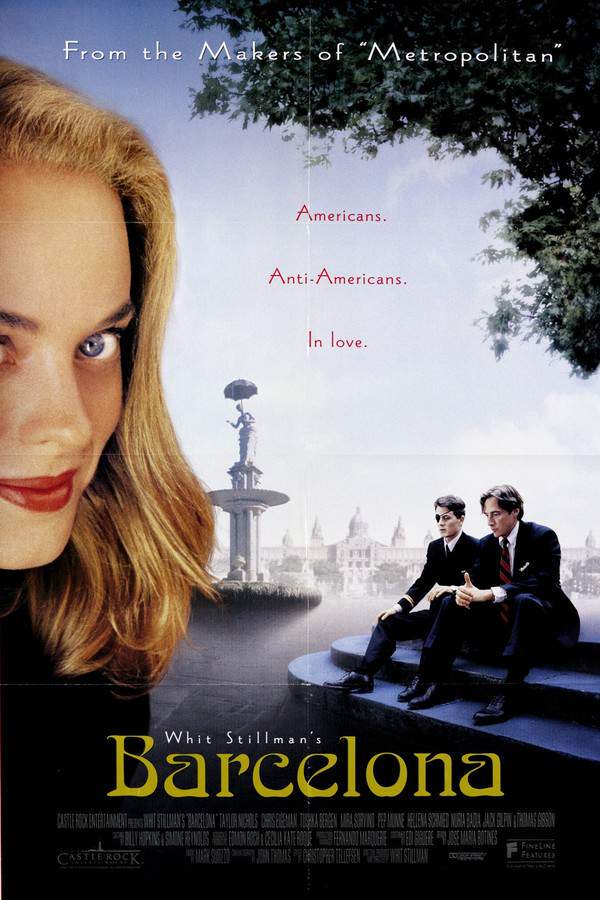
Barcelona (1994) Full Movie Breakdown
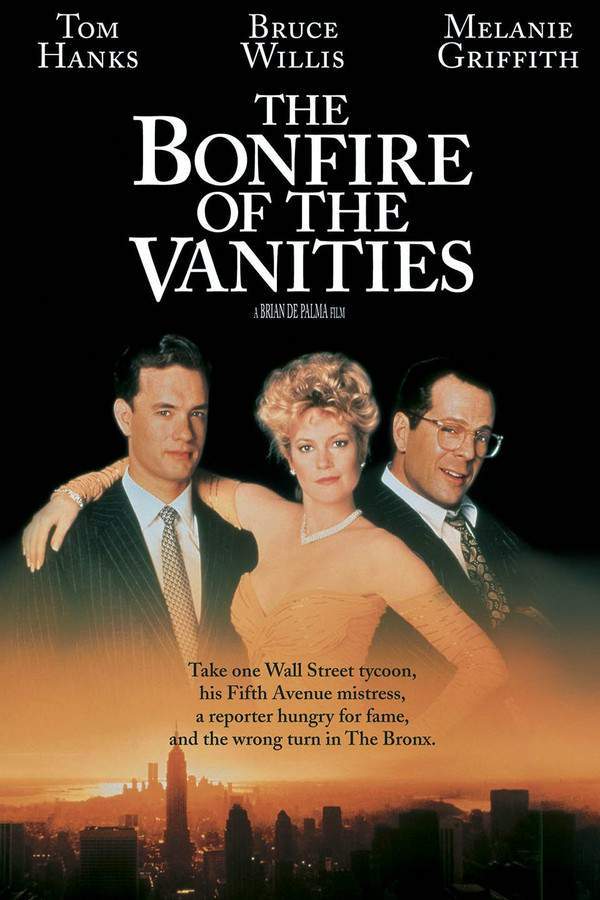
The Bonfire of the Vanities (1990) Spoiler-Packed Plot Recap
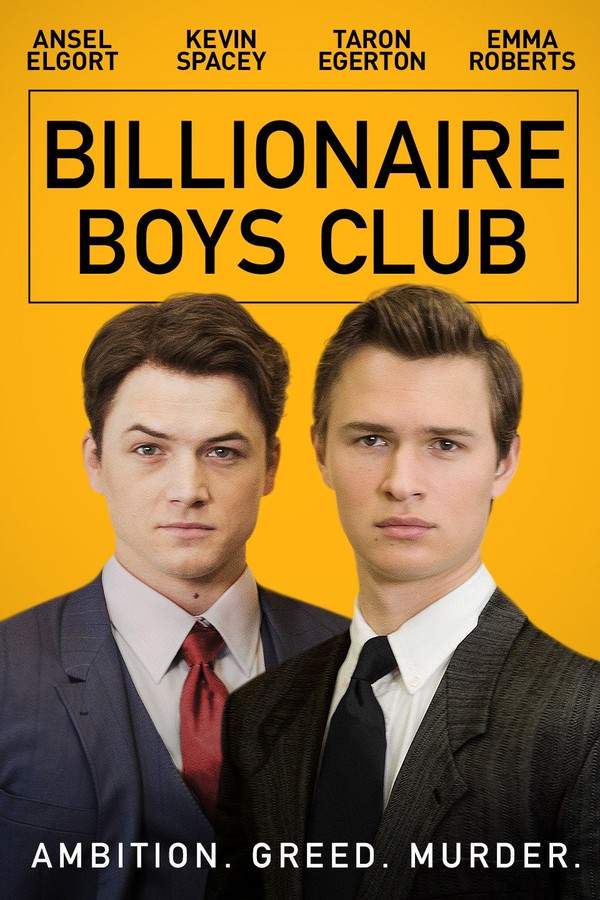
Billionaire Boys Club (2018) Story Summary & Characters
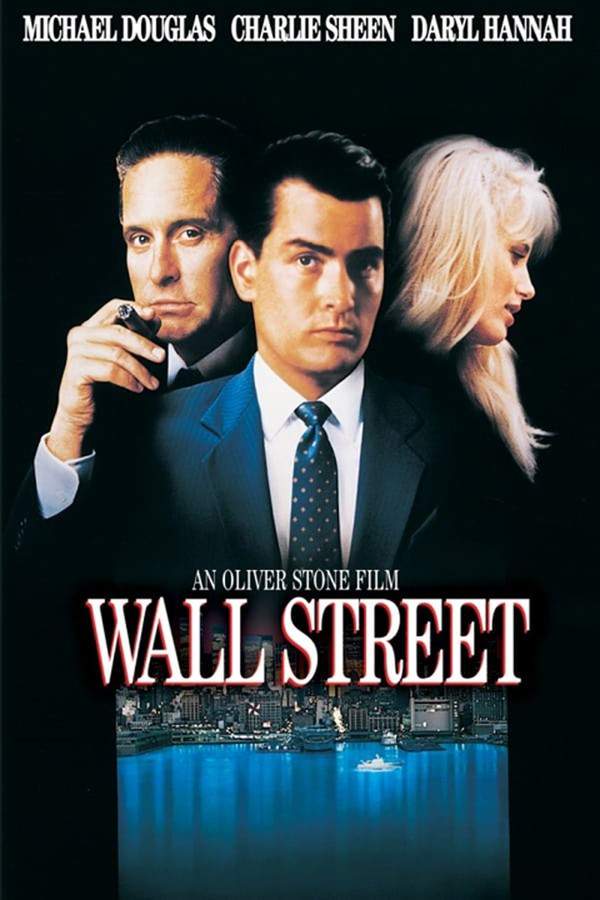
Wall Street (1987) Plot Summary & Ending Explained
Waiting for the Barbarians (2019) Film Overview & Timeline
Other People’s Money (1991) Plot Summary & Ending Explained
The Barbarians (1987) Film Overview & Timeline
A Fool and His Money (1989) Full Summary & Key Details
Made on Broadway (1933) Full Summary & Key Details
Arthur Hailey’s The Moneychangers (1000) Full Summary & Key Details
Weapons of Mass Distraction (1997) Complete Plot Breakdown
Dealing: Or the Berkeley-to-Boston Forty-Brick Lost-Bag Blues (1972) Spoiler-Packed Plot Recap
The Barbarian (1933) Full Summary & Key Details
The Baron of the Locks (1960) Complete Plot Breakdown
The Toast of New York (1937) Full Summary & Key Details