Plot Explained Spoilers guaranteed!
Plot Explained

Browse by genre

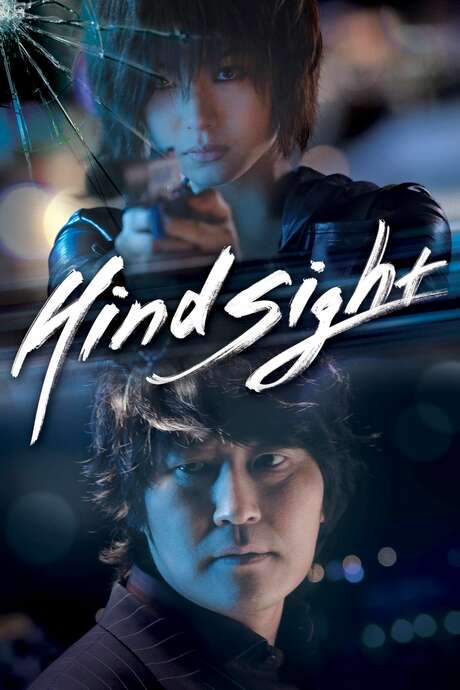
Hindsight (2011) movie poster

Plot Summary

Hindsight (2011) Plot Summary Explained

Release, runtime and language
2011 · 122 mins · Korean
Directed by
Lee Hyun-seung
Starring
Esom, Song Kang-ho, Lee Jong-hyuk, Youn Yuh-jung, Jo Young-jin, Kim Min-jun

Someone came into my… A young assassin is sent to kill a retired mob boss. But things get complicated when she begins to like him.

On this page (4)
  1. 1 What happens: full plot
  2. 2 Plot questions answered
  3. 3 Movie threads
  4. 4 Every angle

Full plot summary · contains spoilers

What Happens in Hindsight: Full Plot Summary

The whole story of Hindsight (2011) explained, from the opening scene to the final frame: every key event, every twist and what it all adds up to. Read it as a quick recap before the sequel, to check a scene you missed, or to finally understand what really happened.

Busan, South Korea, in the present day, follows the quiet ambition of a legendary retired gangster who dreams of opening a restaurant and signs up for a cooking class. There, he becomes acquainted with the diligent and enigmatic Se-bin, whose presence hints at a future alliance that could reshape more than just their lives. The former boss of the underworld, Man-gil, dies after a car accident, and the surviving gang members scramble to locate his will to determine who might inherit leadership. Yet the table of suspects seems to tilt toward the man who stepped back from crime just long enough to nurture a culinary calling, making Yoon Doo-hun a person of intense interest to those who once followed him and those who now stand to gain from his downfall.

Meanwhile, a more personal storm brews in Se-bin’s circle. Her roommate, Lee Eun-jung, is entangled in debt to moneylenders from Haeundae, forcing Se-bin into a risky position to spy on Doo-hun. The pressure intensifies when Eun-jung, in a desperate bid to escape the noose, steals a suitcase full of cocaine from the moneylenders. Se-bin is ordered to eliminate Doo-hun, a mission she cannot bring herself to complete, revealing a core conflict between loyalty and mercy that threads through the entire narrative. The escape attempt that follows—Eun-jung trying to run Doo-hun down with a car—leaves him alive and sends her on a perilous path that throws the balance of the old gang into question.

With Man-gil’s death unsettled, Doo-hun returns to lead his former crew, determined to uncover who killed him and why the will matters so much now. The recovered resilience of the group is tested by a new set of power dynamics. One prominent figure is Baek Kyung-min, a young and ambitious member whose drive creates tension within the ranks as he negotiates his own future and his complicated stake in Doo-hun’s leadership. The evolving relationship between Doo-hun and Se-bin remains a focal thread, as Se-bin finds herself caught between continuing to work under the covert pressures of the assassination world and her growing connection to the man she’s meant to end.

As the power play unfolds, the shadow of assassination agency head Madame Kang looms large, pressuring Se-bin to deliver a decisive strike against Doo-hun. The tension between duty and conscience sharpens, casting a pall over every decision and every risk taken in the backroom of the city’s criminal ecosystem. The plot tightens around the fragile balance Doo-hun must maintain between reclaiming his former status, protecting those who matter to him, and solving the mystery of Man-gil’s death before the truth rewrites everyone’s fate.

The film is a study in contrasts: the quiet, almost peaceful discipline of a man who once ruled with force, set against the brutal, flickering tempo of a world where loyalty is a currency and betrayal can come from the closest ally. The kitchen becomes a stage for temper and precision, a metaphor for how Doo-hun navigates the moral recipes he must follow to survive. Across Busan’s bustling streets and intimate cooking spaces, the characters move with purpose, each driven by a personal recipe for power, revenge, or redemption.

At its core, the story is about how a dream—of a simple restaurant, a life beyond the street—and a dangerous past intersect in a city that never fully lets go of its shadows. Doo-hun’s attempt to rewrite his destiny is tested by the ambitions of Baek Kyung-min and the demands of Se-bin, while the threat of Madame Kang’s orders keeps the pressure taut. The ensemble cast, including figures like Boss Ki and the enigmatic K, threads their own ambitions through a web of loyalties and grudges that never quite settles.

In the end, the film invites viewers to weigh the cost of power against the comfort of a dream. It asks what it takes to leave a life behind, what holds a person to the edge, and whether protection and forgiveness can coexist with a history written in violence. The characters’ choices ripple outward, shaping not only their futures but the world around them, in a narrative that remains grounded in the quiet human desires that drive even the most formidable figures.

Last updated: February 24, 2026 at 14:04

Was this helpful?

Plot questions answered

Hindsight Plot Explained: Your Questions Answered

The questions people ask most about Hindsight (2011): what happens in the confusing scenes, why the characters do what they do, the twists, hidden details and what the ending means. Each answer contains spoilers.

Q1

Why can't Se-bin bring herself to kill Doo-hun?

Se-bin is ordered by Madame Kang's assassination network to kill Doo-hun, but she cannot complete the mission because she has developed genuine feelings for him. Their connection began in the cooking class where Doo-hun showed his softer, more vulnerable side as he pursued his dream of opening a restaurant. This growing emotional bond creates an irreconcilable conflict between her professional duty and her personal feelings, ultimately preventing her from carrying out the hit.

Foreshadowing: Earlier in the cooking class, Se-bin is drawn to Doo-hun's quiet kindness, planting the seeds of her inability to harm him later.

  • se-bin
  • doo-hun
  • assassination
  • feelings
  • conflict
Q2

Why does Eun-jung try to run Doo-hun down with a car?

Eun-jung attempts to kill Doo-hun because she is desperate to escape her debt situation. After stealing the suitcase of cocaine from the Haeundae moneylenders, she knows Doo-hun has become a key figure in the gang's power structure following Man-gil's death. She believes eliminating him would remove a major obstacle and potentially give her a chance to escape with the stolen cocaine and resolve her debts. The attempt is a last-ditch effort by a cornered woman willing to do anything to survive.

Foreshadowing: Eun-jung's desperation was established when she stole the cocaine, showing she was already capable of extreme acts under financial pressure.

  • eun-jung
  • doo-hun
  • attempted murder
  • debt
  • cocaine
Q3

How did Man-gil die and why is his will important?

Man-gil, the former boss of the underworld, dies after being hit by a car. His death sparks a power vacuum because the gang members need to locate his will to determine who will inherit leadership. Most suspects point to Doo-hun as the likely successor since he was a prominent figure who stepped back from crime. The will search becomes a central plot driver, as different factions within the gang compete to influence or discover its contents to control the organization's future.

Foreshadowing: The story establishes early on that Doo-hun's retirement created a gap in leadership that many were eager to fill.

  • man-gil
  • death
  • will
  • gang
  • leadership
Q4

Why does Doo-hun return to lead his old gang?

Doo-hun returns to lead his old gang after surviving Eun-jung's assassination attempt. The attack forces him out of his peaceful retirement and back into the criminal world. Additionally, he becomes determined to uncover who killed Man-gil and why the will matters so much now. His return represents both a protective instinct, since he now has enemies targeting him, and a sense of responsibility to reclaim his former position before others can claim it through manipulation.

Foreshadowing: The moment Eun-jung tries to kill him marks the end of his ability to remain passive in his retirement.

  • doo-hun
  • gang
  • leadership
  • return
  • man-gil death
Q5

Who is Baek Kyung-min and why is he a threat?

Baek Kyung-min is a young, ambitious gang member who challenges Doo-hun's authority after Doo-hun takes over leadership. His drive creates tension within the ranks as he negotiates his own future and his complicated stake in the organization's direction. Kyung-min represents a new generation of criminals hungry for power, and his calculated moves threaten the stability Doo-hun is trying to establish. He symbolizes the internal threat that any returning leader faces from those who see opportunity in transition.

Foreshadowing: Kyung-min's ambition is hinted at during the power vacuum after Man-gil's death, where younger members begin positioning themselves.

  • baek kyung-min
  • ambition
  • gang threat
  • power struggle
Q6

What is Madame Kang's role in the story?

Madame Kang heads the assassination agency that employs Se-bin. She is the manipulative force pressuring Se-bin to kill Doo-hun, representing the external threat that refuses to let Se-bin abandon her mission. Madame Kang embodies the criminal underworld's unforgiving nature, once you are entangled in her network, leaving is nearly impossible. Her continued pressure on Se-bin creates sustained suspense throughout the film, as she represents both professional consequences and the moral test Se-bin must face.

Foreshadowing: Madame Kang's authority over Se-bin is established when she issues the initial kill order, showing the agency has complete control over its operatives.

  • madame kang
  • assassination agency
  • se-bin
  • pressure
Q7

Why is the cooking class significant to Doo-hun's character?

The cooking class represents Doo-hun's sincere attempt to leave his criminal past behind and build a new life. It's not just a hobby, it's his dream to open a restaurant, symbolizing his desire for normalcy, creation instead of destruction, and redemption. The kitchen becomes a metaphor for the careful, precise life he wants to lead, contrasting sharply with the violent world he came from. This dream is what makes his return to the gang so tragic and what makes Se-bin unable to kill him, she sees the genuine, vulnerable human behind the former gangster.

Foreshadowing: The cooking class is introduced as Doo-hun's primary pursuit in the present day, establishing his peaceful intentions from the start.

  • cooking class
  • restaurant dream
  • doo-hun
  • redemption
Q8

Why does Se-bin spy on Doo-hun for the moneylenders?

Se-bin is pulled into Doo-hun's orbit because her roommate Eun-jung has fallen into debt with Haeundae moneylenders. The financial pressure on Eun-jung creates a dangerous situation where Se-bin feels compelled to help, leading her to spy on Doo-hun as a way to potentially earn money or leverage. This spy mission brings Se-bin into close contact with Doo-hun, setting the stage for their relationship to develop, though her initial presence is driven by desperation rather than genuine interest.

Foreshadowing: Eun-jung's debt situation is introduced early, immediately establishing the financial desperation that forces Se-bin into Doo-hun's circle.

  • se-bin
  • spying
  • eun-jung
  • debt
  • moneylenders
Q9

What happens to Eun-jung after she tries to kill Doo-hun?

After Eun-jung's failed attempt to run Doo-hun down with a car, she disappears from the narrative. The summary indicates she goes on a perilous path following the failed assassination attempt, but her ultimate fate is not detailed in the provided text. Her disappearance throws the balance of the old gang into question and leaves another mystery unresolved, her fate represents one of the loose ends in the story's web of loyalties and betrayals.

Foreshadowing: Her desperation was established through the cocaine theft, showing she was already willing to take extreme risks.

  • eun-jung
  • disappearance
  • fate
  • failed assassination
Q10

What triggers the gang power struggle after Man-gil's death?

Man-gil's death in a car accident creates a power vacuum that triggers an immediate struggle for control of the criminal organization. With no clear successor named, different factions within the gang scramble to locate Man-gil's will, which they believe will reveal his official successor. Most suspects point to Doo-hun as the likely heir to leadership, making him a person of intense interest to both those who once followed him and those who now stand to gain from his downfall. This uncertainty creates the environment for Kyung-min's ambition and the broader conflict.

Foreshadowing: The story establishes immediately after Man-gil's death that the gang's power structure is unstable and vulnerable to manipulation.

  • gang
  • power struggle
  • man-gil
  • succession
  • vacuum
Q11

Why is the stolen cocaine suitcase significant?

The cocaine suitcase stolen by Eun-jung from the Haeundae moneylenders raises the stakes dramatically for everyone connected to Man-gil's death. The theft widens the net of suspicion around Doo-hun's circle because the moneylenders will seek revenge, and the gang becomes entangled in a new criminal enterprise they did not plan. It also creates additional pressure on Se-bin, as the situation becomes more dangerous and complex. The suitcase represents how one desperate act can ripple outward and affect multiple character arcs simultaneously.

Foreshadowing: Eun-jung's debt situation directly leads to this theft, showing how her problems become everyone's problems.

  • cocaine
  • suitcase
  • eun-jung
  • heist
  • stakes
Q12

How does Se-bin resolve her conflict between duty and feelings?

Se-bin's internal conflict between loyalty to her assassination assignment and her growing feelings for Doo-hun is the emotional core of the film. She is ordered to kill him but cannot bring herself to complete the mission. This reveals that her personal feelings have overridden her professional duty, a dangerous position for someone in her line of work. The tension between duty and conscience sharpens throughout the narrative as Madame Kang increases pressure, casting a pall over every decision Se-bin makes. Her choice represents the film's exploration of whether protection and forgiveness can coexist with a violent past.

Foreshadowing: The moment Se-bin receives the kill order but cannot execute it is the turning point that defines her character arc.

  • se-bin
  • doo-hun
  • duty
  • feelings
  • conflict
  • madame kang
Q13

Why is Doo-hun determined to find out who killed Man-gil?

Doo-hun becomes determined to uncover who killed Man-gil and why because the murder directly threatens his new leadership position and personal safety. Since most suspects point to him as the likely successor, he has both a personal and strategic interest in proving his innocence and finding the true culprit. Additionally, understanding Man-gil's death will reveal who the real enemies are, whether they are external rivals or internal rivals like Kyung-min. Solving this mystery is essential for Doo-hun to consolidate power and ensure his survival in the criminal world he has been forced back into.

Foreshadowing: Doo-hun's return to leadership is explicitly tied to his desire to investigate Man-gil's murder.

  • doo-hun
  • man-gil
  • killer
  • investigation
  • leadership

Movie threads

More Movies Like Hindsight, by Mood & Story

Curated lists built around what makes Hindsight tick: the same mood, the same kind of story or the same emotional payoff. Each list explains why these movies belong together.

Movies about conflicted assassins like Hindsight

Professional killers grapple with their targets becoming unexpectedly sympathetic. If you enjoyed the moral conflict in Hindsight, explore more movies where assassins develop complex feelings for their targets. These films blend intense action with deep moral dilemmas, focusing on characters torn between obligation and a surprising human connection.

  • morally ambiguous
  • tense
  • suspenseful
  • conflicted
  • dangerous
  • anxious
  • Tone: tense, morally complex, conflicted
  • Pacing: fast, suspenseful
Why these movies?

The story pattern: These narratives typically follow a highly skilled killer who is assigned a target that, upon closer observation, challenges their worldview or evokes sympathy. The plot revolves around the growing internal conflict, the suspension or subversion of the mission, and the dangerous consequences of defying their employers.

Why they belong together: Movies are grouped here for their shared focus on the 'assassin with a heart' archetype, exploring the tension between cold professionalism and unexpected empathy. They combine high-stakes action with a psychologically driven character study.

Movies about gangland power struggles like Hindsight

Criminal empires fracture under pressure, testing loyalties and survival. For viewers who liked the underworld turmoil in Hindsight, this collection features similar movies about gangland power struggles. Discover stories of betrayal, leadership coups, and the high-stakes consequences of criminal ambition.

  • tense
  • dangerous
  • suspenseful
  • gritty
  • betrayal
  • power struggle
  • Tone: tense, dangerous, bleak
  • Pacing: fast, chaotic
Why these movies?

The story pattern: The narrative pattern involves the sudden death or weakening of a crime boss, creating a power vacuum. Various factions, including ambitious underlings and rival gangs, scramble for control, leading to a rapid succession of betrayals, violent confrontations, and shifting allegiances.

Why they belong together: These films are grouped by their focus on the chaotic and dangerous dynamics of criminal organizations in flux. They share a tense atmosphere, fast-paced plotting, and themes of loyalty, betrayal, and the brutal cost of power.

Every angle

Hindsight (2011) Explained: Plot, Timeline & Characters

Everything about Hindsight in one place: what happens in the plot summary, the timeline in chronological order, the characters and meaning and a spoiler-free summary. What's After the Movie adds the cast, box office and post-credit scenes.

Coming soon on iOS and Android

The Plot Explained Movie Summary App

Plot summaries, endings explained and timelines on your phone. Catch up on any movie in minutes, save your favorites and never miss a twist again.

Be the first to know when we launch. Your email stays private, always.

Learn more about the app