

Plot Explained Spoilers guaranteed!
Plot Explained

Browse by genre

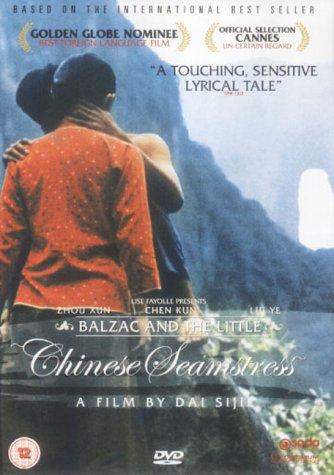
Balzac and the Little Chinese Seamstress (2005) movie poster

Timeline

Balzac and the Little Chinese Seamstress (2005) Timeline Explained – Every Event in Order

Release, runtime and language
2005 · 110 min · Chinese
Directed by
Sijie Dai
Starring
Xun Zhou, Ye Liu, Kun Chen

During the Cultural Revolution in China, two young men, Ma Jianling and Luo Min, are sent to a remote mountain village for re-education. There, Luo becomes infatuated with the Little Seamstress, a local girl fascinated by Western culture. He begins sharing forbidden books with her, opening her eyes to new ideas and sparking a transformative journey of self-discovery and challenging the oppressive political climate.

On this page (5)
  1. 1 Where to watch
  2. 2 Events in order (15)
  3. 3 Timeline questions answered
  4. 4 Movie threads
  5. 5 Every angle

Where to watch

Where to Watch Balzac and the Little Chinese Seamstress (2005)

Where can you watch Balzac and the Little Chinese Seamstress? Stream, rent or buy it in the US, including on Kanopy: current JustWatch availability with up-to-date prices.

Streaming availability powered by JustWatch

15 events in order · contains spoilers

Balzac and the Little Chinese Seamstress Timeline: Events in Chronological Order

Every key event of Balzac and the Little Chinese Seamstress (2005) in order, scene by scene, with when and where it takes place. Use it to untangle flashbacks, time jumps and parallel storylines, to refresh your memory before the sequel or to find the exact scene you are thinking of.

  1. Setting the Scene

    The story unfolds between 1971 and 1974, during the tumultuous end of the Chinese Cultural Revolution. This backdrop is significant as it shapes the experiences of the characters and the societal pressures they face.

    When
    1971-1974
    Where
    China
  2. Arrival at the Village

    Luo Min and Ma Jianling arrive at a secluded village in Sichuan province for their re-education. Upon their arrival, they are interrogated by the village Chief about their backgrounds, which sets a tense tone for their stay.

    Where
    Sichuan Province
  3. Interrogation by the Chief

    The village Chief scrutinizes the boys, questioning their backgrounds and discarding any bourgeois items from their belongings, including a beloved cookbook. This moment highlights the rigid ideologies of the era and the boys' vulnerability.

    Where
    Village
  4. The Violent Violin Incident

    In a dramatic confrontation, the Chief attempts to destroy Ma's cherished violin, viewing it as a symbol of bourgeois culture. Luo quickly intervenes by pretending that a Mozart piece is a local mountain song, cleverly preserving the violin.

    Where
    Village
  5. Engaging in Labor

    The boys begin their grueling re-education by participating in harsh labor, including hauling human waste and working in a coal mine. This illustrates the harsh realities of their environment and highlights the physical challenges they face.

    Where
    Village
  6. Introduction of the Little Seamstress

    Their lives take a turn with the arrival of the Little Seamstress, who becomes a significant part of their world. Captivated by Ma's violin playing, she forges a deep connection with the boys that brings joy and complexity to their lives.

    Where
    Neighboring Village
  7. Literary Education

    In an effort to enrich the Little Seamstress's life, the boys devise a plan to steal a suitcase filled with banned Western novels. Luo reads to her daily, introducing literary giants, which transforms her worldview and deepens their bond.

    Where
    Village
  8. Realization of Love

    As their friendship blossoms, the Little Seamstress admits her feelings for Luo, complicating their dynamics. On the eve of Luo's departure to visit his father, she reveals a 'problem' that weighs heavily on her and will change their lives.

    Where
    Village
  9. The Confession

    Afterwards, the Little Seamstress confides in Ma about her unexpected pregnancy. Due to strict laws surrounding marriage and abortion, she finds herself trapped, leading them to seek out a solution.

    Where
    Village
  10. Seeking Help in the City

    In a selfless act, Ma ventures to the city to ask a gynecologist, a friend of his father, for help regarding the Little Seamstress's pregnancy. Moved by their predicament, the doctor agrees to assist in a clandestine manner.

    Where
    City
  11. The Little Seamstress's Decision

    Returning from the city, Luo discovers that the Little Seamstress has made a bold choice to leave the village in search of a better future. Her decision signifies her transformation sparked by the literature they shared.

    When
    1974
    Where
    Village
  12. Paths Diverge

    By 1974, both boys follow different paths; Luo becomes a professor in Shanghai while Ma pursues a career as a professional violinist in France. Their journeys reflect their personal growth and the impact of their experiences at the village.

    When
    1974
    Where
    Shanghai and France
  13. Returning to the Village

    In the late 1990s, Ma returns to the village, now under threat of submersion due to the construction of the Three Gorges Dam. He is motivated by nostalgia and hopes to reunite with the Little Seamstress but finds only memories.

    When
    1990s
    Where
    Village
  14. A Poignant Reunion

    In a bittersweet reunion with Luo in Shanghai, Ma shares his search for the Little Seamstress, who remains elusive. Their conversation reveals their mutual sense of loss and the enduring impact of their past.

    Where
    Shanghai
  15. Haunting Memories

    The film culminates with heart-wrenching news footage of the flooded villages, symbolizing lost time and memories. The imagery captures the essence of change, loss, and the indelible mark of their youth.

    Where
    Flooded Villages

Last updated: November 08, 2024 at 01:51

Was this helpful?

Timeline questions answered

Balzac and the Little Chinese Seamstress Timeline Explained: Your Questions Answered

When does it happen, and why in that order? The questions people ask about the chronology of Balzac and the Little Chinese Seamstress (2005): time jumps, flashbacks, cause and effect between scenes and the correct order of events, each answered with spoilers.

Q1

Why did Luo pretend Mozart was a mountain song?

Luo saved Ma's violin by claiming a Mozart piece was a local "mountain song" titled "Mozart is Thinking of Chairman Mao." The village Chief was about to destroy the violin as a bourgeois artifact, but by disguising the classical music as a revolutionary folk song, Luo prevented its destruction and demonstrated the clever ways re-educated youth had to hide Western culture during the Cultural Revolution.

Foreshadowing: Earlier, the Chief had already destroyed their cookbook and was actively searching for bourgeois items to destroy.

  • mozart
  • violin
  • cultural revolution
  • village chief
  • forbidden music
Q2

Why couldn't the Little Seamstress get an abortion legally?

Due to China's strict population control laws during the Cultural Revolution, women could not marry before age 25, and abortion was illegal without a marriage certificate. When the Little Seamstress became pregnant, she had no legal option to terminate the pregnancy, forcing Ma and Luo to seek a clandestine solution.

  • abortion
  • population control
  • cultural revolution laws
  • illegal abortion
  • marriage age
Q3

Why did the Little Seamstress leave the village?

After being exposed to Western literature through Luo, particularly Balzac's works, the Little Seamstress underwent a transformation. She developed a desire for a "new life" beyond the isolated mountain village. Her exposure to ideas about freedom, romance, and personal aspiration through the books made her realize she wanted more than the limited life available to her in rural China during that era.

Foreshadowing: The books Luo read to her included works by Stendhal, Kipling, and Dostoevsky, but she was most entranced by Balzac.

  • little seamstress
  • leaves village
  • balzac
  • western books
  • transformation
  • new life
Q4

What happened to the village after the Three Gorges Dam?

In the late 1990s, Ma returned to find that the village was about to be submerged by the construction of the Three Gorges Dam. The film ends with haunting news footage showing the flooded towns and villages, symbolizing the literal and metaphorical erasure of the characters' past and memories.

  • three gorges dam
  • village flooded
  • 1990s
  • memories lost
Q5

Why did Luo and Ma share forbidden books with the Little Seamstress?

The boys wanted to enrich the Little Seamstress's life because she was illiterate and had a thirst for education. They stole a suitcase of prohibited translated Western novels from a fellow re-education participant named Four-Eyes, and Luo began reading to her daily. This act was both an attempt to help her escape her circumstances intellectually and a small rebellion against the Cultural Revolution's suppression of Western literature.

  • forbidden books
  • western novels
  • education
  • re-education
  • four-eyes
Q6

What was the Little Seamstress's "problem"?

The Little Seamstress was pregnant. On the eve of Luo's departure to visit his ailing father, she told him she had a "problem" but withheld details. Later, she confided in Ma about her pregnancy, which led to their quest to find a secret solution.

  • pregnancy
  • problem
  • little seamstress
  • -confession
Q7

Why did Ma travel to the city to find a gynecologist?

Ma went to the city to seek help from a gynecologist who was acquainted with his father. Because the Little Seamstress could not legally obtain an abortion, Ma pleaded with the doctor to secretly perform the procedure in the village. The gynecologist, moved by their plight, agreed to help them clandestinely.

  • gynecologist
  • secret abortion
  • ma jianling
  • city doctor
Q8

What happened to the Little Seamstress at the end?

The Little Seamstress disappears from the narrative after leaving the village. In the late 1990s, both Luo and Ma separately attempt to find her, in Shenzhen and Hong Kong respectively, but neither succeeds. She remains elusive, and her ultimate fate is unknown, representing the loss and irreversible change brought by the era they lived through.

  • little seamstress
  • fate
  • end
  • not found
  • shenzhen
  • hong kong
Q9

Why did the Little Seamstress fall in love with Luo?

Luo was the one who read to her daily, introducing her to the world of Western literature. Through these reading sessions, she was exposed to new ideas, emotions, and perspectives that transformed her worldview. This intellectual connection and his role in her awakening created a deep emotional bond, leading her to fall in love with him.

  • love
  • luo min
  • reading
  • literature
  • connection
Q10

Why was Balzac especially meaningful to the Little Seamstress?

While Luo read her works by Stendhal, Kipling, and Dostoevsky, the Little Seamstress found herself most entranced by Balzac. His novels, which often explored themes of ambition, social transformation, and romantic idealism, resonated deeply with her as she dreamed of escaping her circumstances and pursuing a greater life beyond the village.

  • balzac
  • favorite author
  • literature
  • transformation
  • books
Q11

What happened to Luo and Ma after leaving the village?

By 1974, both boys returned to the city. Luo became a professor at a dental institute in Shanghai, while Ma pursued his passion for music in France and became a professional violinist. Their paths diverged based on their interests, Luo followed an academic career while Ma fulfilled his musical potential abroad.

  • luo min
  • ma jianling
  • shanghai
  • france
  • professor
  • violinist
  • futures
Q12

What is the significance of Ma and Luo's reunion in Shanghai?

The reunion in Shanghai represents the characters' ultimate sense of loss and nostalgia. Both men have achieved external success, Luo as a professor and Ma as a violinist, but they share a profound void from losing the Little Seamstress and their youth. Their conversation reveals their mutual failed attempts to find her, cementing the bittersweet ending.

  • reunion
  • shanghai
  • nostalgia
  • loss
  • friendship

Movie threads

More Movies Like Balzac and the Little Chinese Seamstress, by Mood & Story

Curated lists built around what makes Balzac and the Little Chinese Seamstress tick: the same mood, the same kind of story or the same emotional payoff. Each list explains why these movies belong together.

Movies about young love and rebellion like Balzac and the Little Chinese Seamstress

Young lives finding freedom and love under the shadow of political control. If you enjoyed the story of intellectual and romantic awakening against a backdrop of political oppression in 'Balzac and the Little Chinese Seamstress', you'll find similar movies here. These films explore coming-of-age journeys where forbidden ideas and love challenge authoritarian systems, often with a reflective and yearning tone.

  • yearning
  • transformative
  • oppressive
  • nostalgic
  • melancholic
  • hopeful
  • Tone: bittersweet, reflective, yearning
  • Pacing: steady, character-driven
Why these movies?

The story pattern: The narrative pattern centers on young characters sent to remote locations or living under strict control, where they discover illicit culture, literature, or love. This discovery sparks a transformation that liberates their spirit but often places them in conflict with the system, culminating in an ending that acknowledges both the beauty of their awakening and the cost of their rebellion.

Why they belong together: Movies are grouped here by their shared focus on the collision between youthful idealism and political reality. They share a bittersweet tone, a steady, character-driven pace, and a medium emotional intensity, creating a cohesive experience of thoughtful, transformative stories set against historical or fictional oppression.
Movies about the power of books like Balzac and the Little Chinese Seamstress

Where secret literature opens new worlds and alters destinies forever. For viewers who loved how literature transformed the characters in 'Balzac and the Little Chinese Seamstress', this section features similar movies about the life-altering impact of forbidden stories. These films celebrate the subversive power of art and knowledge to ignite change, challenge authority, and shape personal identity.

  • intellectual
  • transformative
  • forbidden
  • nostalgic
  • hopeful
  • melancholic
  • Tone: reflective, bittersweet, transformative
  • Pacing: steady, thoughtful
Why these movies?

The story pattern: The narrative revolves around a hidden trove of knowledge—books, films, or music—that is discovered and shared among characters. This exposure acts as an awakening, challenging their beliefs and the status quo. The story explores the ripple effects of this new perspective, focusing on intellectual rebellion, personal transformation, and the poignant cost of possessing dangerous knowledge.

Why they belong together: These films are united by the core theme of art and literature as instruments of liberation and change. They typically share a reflective mood, a moderate complexity in weaving together personal and political themes, and a bittersweet emotional core that acknowledges both the power of ideas and the price of enlightenment.

Every angle

Balzac and the Little Chinese Seamstress (2005) Explained: Plot, Timeline & Characters

Everything about Balzac and the Little Chinese Seamstress in one place: what happens in the plot summary, the timeline in chronological order, the characters and meaning and a spoiler-free summary. What's After the Movie adds the cast, box office and post-credit scenes.

Coming soon on iOS and Android

The Plot Explained Movie Summary App

Plot summaries, endings explained and timelines on your phone. Catch up on any movie in minutes, save your favorites and never miss a twist again.

Be the first to know when we launch. Your email stays private, always.

Learn more about the app