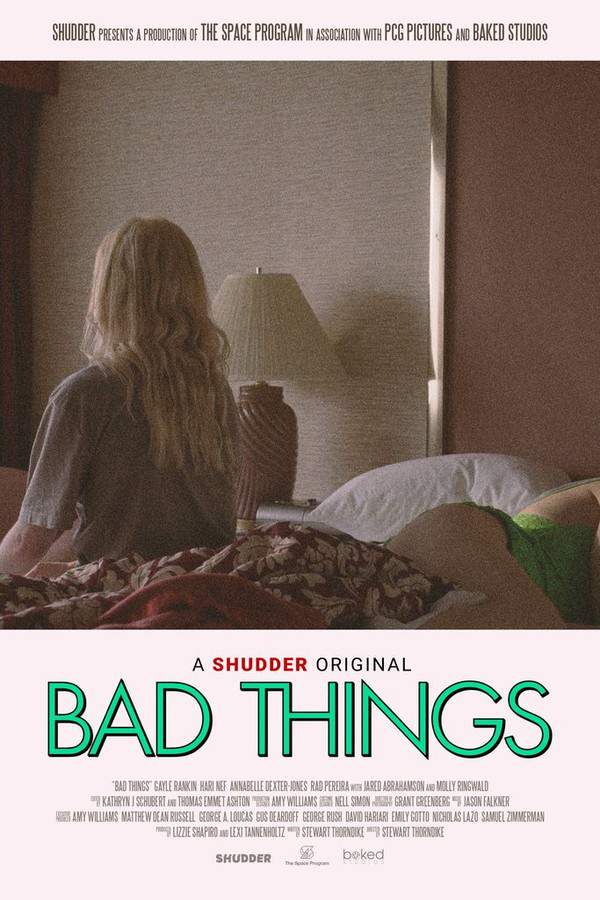
Bad Things
Inheriting her grandmother's abandoned hotel, Ruthie Nodd finds herself confronting a haunted past that jeopardizes her relationships. During a weekend getaway with friends, long-held secrets are revealed, and the boundaries between reality and desire become increasingly blurred. The group's escape quickly spirals into a disturbing exploration of darkness and depravity as they uncover the hotel’s eerie history and its impact on their lives.
Warning: spoilers below!
Haven’t seen Bad Things yet? This summary contains major spoilers. Bookmark the page, watch the movie, and come back for the full breakdown. If you're ready, scroll on and relive the story!
Bad Things (2023) – Ending Explained & Final Scene Breakdown
Still thinking about how Bad Things (2023) ended? Here’s a full breakdown of the ending, key final moments, major twists, and the deeper meaning behind the film’s conclusion.
Ruthie, Cal, Maddie, and Fran arrive at the deserted Comley Suite Hotel for what seems like a simple weekend getaway, but as the story unfolds, it becomes clear that their stay is haunted by the darker history of the place. The hotel, once a site of mysterious deaths and ghostly apparitions, begins to blur the lines between reality and hallucination. Ruthie, the protagonist, appears to be deeply affected by her troubled past, including her childhood abandonment by her mother, Ms. Auerbach, who was a real estate agent and had a complicated, possibly dysfunctional relationship with Ruthie. Throughout the film, Ruthie is shown watching a peculiar YouTube video where a woman, who turns out to be her mother, talks directly to her—highlighting her emotional connection and unresolved issues with her maternal figure.
As the characters experience increasingly terrifying and surreal incidents, it becomes uncertain whether the horrors are real or manifestations of Ruthie’s fragile mind. Ruthie’s own secrets—the secret affair with Fran, her emotional struggles, and her possible murder of her mother—suggest that her perception of reality is severely distorted. The climax reveals that the supposed murders of her friends—Cal, Maddie, and Fran—might all be hallucinations. Ruthie, driven to madness, kills them in a violent blackout, but the entire scene takes place in a setting where no one else witnesses it, and the surroundings seem eerily deserted, implying that Ruthie’s acts are likely figments of her disturbed mind.
The final scene shows Ruthie wandering the empty hallways of the haunted hotel, her mental state completely broken. It suggests that perhaps she was the only real person present all along, and that the terrible events and murders were hallucinations or memories distorted by her trauma. The reveal of suite 324, containing a decaying corpse and linked to her mother, underscores her traumatic childhood and the mental hauntedness that has consumed her. In the end, it’s left ambiguous whether Ruthie truly committed the murders or if they were all hallucinated, emphasizing the film’s central theme of how unresolved past trauma and loneliness can distort reality and lead to madness. Ultimately, Ruthie’s mental breakdown appears to be the true horror, leaving viewers questioning the nature of reality within the story.
Last updated: June 25, 2025 at 08:59
Bad Things (2023) Ending Questions Answered – Ending FAQ
Read frequently asked questions about the ending of Bad Things (2023), including final-scene interpretation, twist explanations, character outcomes, and the deeper meaning behind the conclusion. This ending explained FAQ is designed for viewers searching for clear spoiler-heavy answers and ending breakdown insights.
Did Ruthie actually kill Cal, Maddie, and Fran at the end
The ending leaves it ambiguous whether Ruthie actually murdered her friends or if the killings were hallucinations. The film suggests Ruthie killed them during a violent blackout, but since no one else witnesses the murders and the hotel appears eerily deserted during the final act, the deaths may be distorted memories or figments of her traumatized mind. This ambiguity is central to the film's exploration of how trauma distorts reality.
Earlier scenes show Ruthie experiencing visions and struggling to distinguish between reality and hallucination, setting up the uncertainty around the murders.
What happens to Ruthie at the end of the movie
Ruthie survives but her mental state is completely broken. She is left wandering the empty hallways of the Comley Suite Hotel completely alone, having either murdered her friends or imagined doing so. The final scene shows her inherited trauma consuming her entirely, leaving her utterly isolated in the haunted space that represents her psychological descent.
Ruthie's fragile mental state and unresolved issues with her mother build throughout the film, culminating in her complete breakdown.
What is the significance of suite 324 in the ending
Suite 324 is revealed in the final moments to contain a decaying corpse linked to Ruthie's mother, Ms. Auerbach. This discovery connects directly to Ruthie's traumatic childhood and explains why the hotel has haunted her psychologically. The decaying body represents the unresolved trauma and the maternal abandonment that has been eating away at Ruthie's sanity throughout her life.
Ruthie watches a YouTube video of her mother throughout the film, hinting at their deep connection and the mother's significance to Ruthie's psychological state.
What happened to Ruthie's mother Ms. Auerbach
The ending implies that Ruthie's mother is dead and her body is located in suite 324 of the hotel. The film hints that Ruthie may have murdered her mother, suggesting her complicated and possibly dysfunctional relationship with Ms. Auerbach, who abandoned her in childhood, led to a violent confrontation. This revelation connects directly to Ruthie's psychological collapse and the blurring of reality throughout the film.
Ruthie's troubled past and her mother's abandonment are established early, with the YouTube video showing her mother speaking directly to her hinting at unresolved issues.
Were the murders in the hotel real or hallucinations
The murders appear to be hallucinations or distorted memories. During the climactic violent scene, no witnesses are present, and the surroundings seem eerily deserted. The hotel's history of ghostly apparitions combined with Ruthie's fragile mental state makes it impossible to confirm whether the violent acts actually occurred, suggesting they may be manifestations of her trauma-induced madness.
Throughout the film, the boundaries between reality and hallucination blur repeatedly, with Ruthie seeing ghosts and experiencing disturbing visions.
Was the hotel actually haunted or was it all in Ruthie's mind
The ending suggests the hotel's haunting may be entirely psychological rather than supernatural. Ruthie appears to be the only real person present, and the terrifying events could be hallucinations or memories distorted by her trauma. The film blurs the line between actual ghostly apparitions and Ruthie's fragile mind projecting them, making it ambiguous whether the hotel is truly haunted or if Ruthie's trauma has created her own haunted reality.
The film repeatedly shows Ruthie experiencing visions and uncertainty about what is real, preparing viewers for the revelation that her mind may be the source of the horror.
What was the secret affair between Ruthie and Fran
Ruthie was having a secret affair with Fran, one of her friends who came to the hotel. This hidden relationship adds to the interpersonal tension and betrayal within the group. The affair represents one of the many secrets that unravel during the weekend getaway, contributing to the breakdown of relationships and the escalating horror.
Tension between the characters and hints of hidden relationships are present throughout the film, building to the revelation of the affair.
What is the YouTube video Ruthie keeps watching
Ruthie watches a peculiar YouTube video where a woman, revealed to be her mother Ms. Auerbach, talks directly to her. This video represents Ruthie's deep emotional connection to her abandoned mother and her unresolved issues with maternal abandonment. The video serves as a recurring motif showing Ruthie's psychological fragility and her desperate need for closure with her mother.
The video appears multiple times throughout the film, establishing its importance to Ruthie's mental state and hinting at the mother-daughter relationship.
What is the meaning and theme of Bad Things ending
The ending emphasizes how unresolved past trauma and loneliness can distort reality and lead to complete psychological collapse. Ruthie's inherited trauma from her mother's abandonment, combined with her isolation, ultimately consumes her. The bleak conclusion leaves all other characters dead or abandoned, with Ruthie alone and mentally destroyed, suggesting that the true horror is internal rather than supernatural.
The film's slow build of psychological tension and Ruthie's mounting mental instability foreshadow the tragic conclusion.
Why does Ruthie have a mental breakdown
Ruthie's mental breakdown results from a combination of inherited trauma, maternal abandonment, and the hotel's dark history triggering her fragile psyche. Her mother's departure in childhood left deep psychological scars, and the hotel's eerie atmosphere, filled with ghostly apparitions and mysterious deaths, further destabilizes her grip on reality. The accumulation of these factors, along with the secret affair and buried secrets, causes her complete psychological collapse.
Ruthie's troubled past and her emotional connection to her absent mother are established early, showing her vulnerability to psychological break.

Explore Movie Threads
Discover curated groups of movies connected by mood, themes, and story style. Browse collections built around emotion, atmosphere, and narrative focus to easily find films that match what you feel like watching right now.
Claustrophobic horror movies of psychological breakdown like Bad Things
Trapped characters unravel as their minds and reality become a prison. If you liked the suffocating atmosphere and unraveling sanity in Bad Things, explore more movies like it. This collection features similar horror stories where characters are trapped and tormented, leading to a dark exploration of psychological collapse and terrifying revelations in isolated settings.




Narrative Summary
Stories typically begin with characters entering a confined or isolated location, often one with a troubled past. Internal conflicts and group tensions are slowly exacerbated by the environment, leading to a blurring of reality, the exposure of dark secrets, and a descent into madness or violence from which there is no easy escape.
Why These Movies?
These films are grouped by their shared use of a confined setting to create intense psychological pressure. They share a slow-burn pacing that prioritizes atmospheric dread over action, a dark and bleak tone, and a focus on the horror of the mind collapsing under the weight of isolation and paranoia.
Horror movies about inherited trauma and haunted pasts like Bad Things
A dark legacy from the past violently disrupts the present. For viewers who enjoyed the theme of a cursed inheritance in Bad Things, this list recommends similar movies. Discover other horror films where characters grapple with a dark family legacy, a haunted property, or a supernatural curse that brings a slow, bleak, and psychologically heavy terror into their lives.
Burnt Offerings
1976
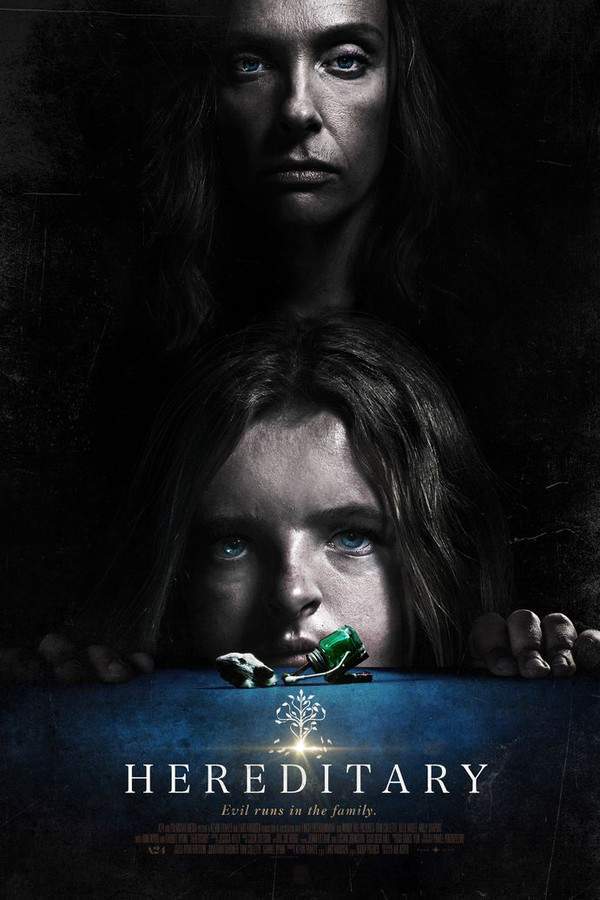
Hereditary
2018
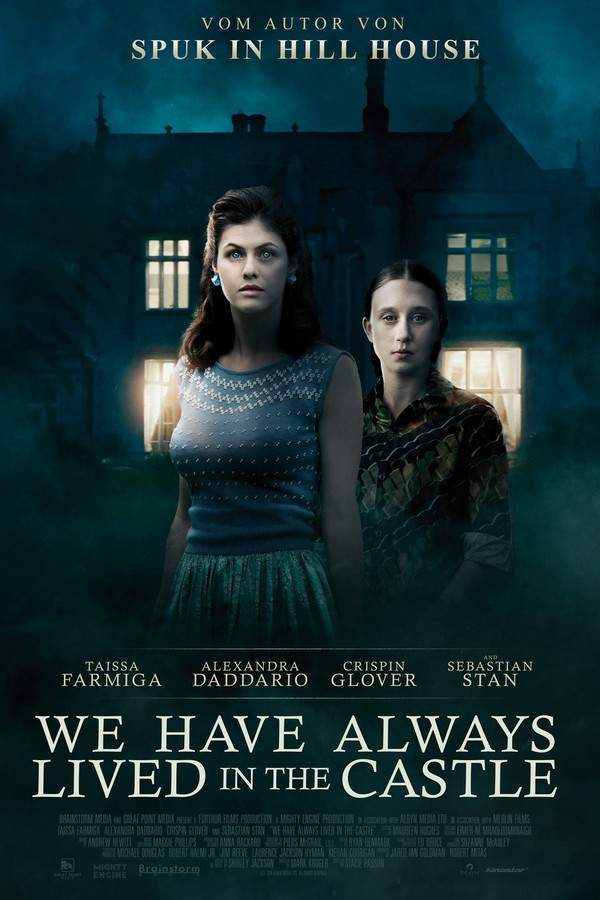
We Have Always Lived in the Castle
2019
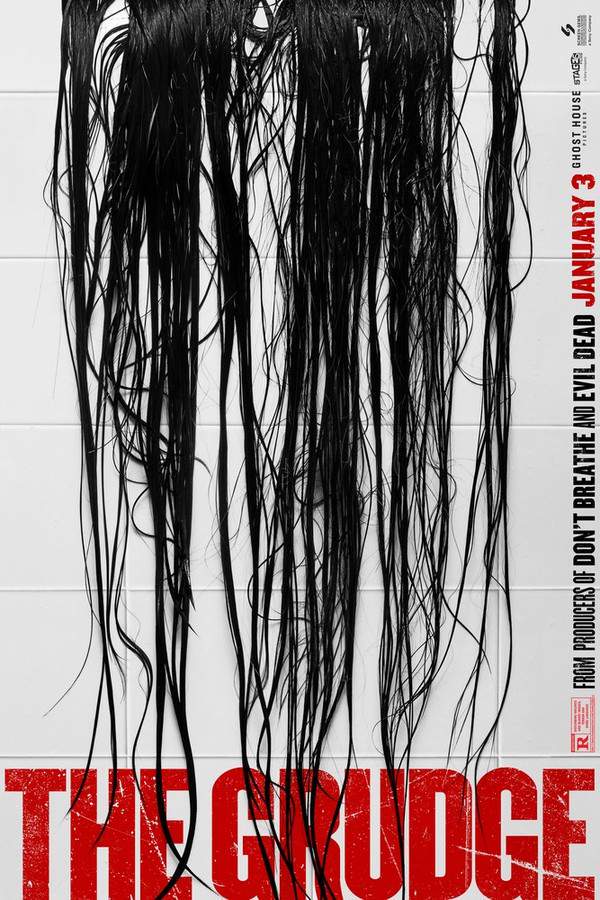
The Grudge
2020
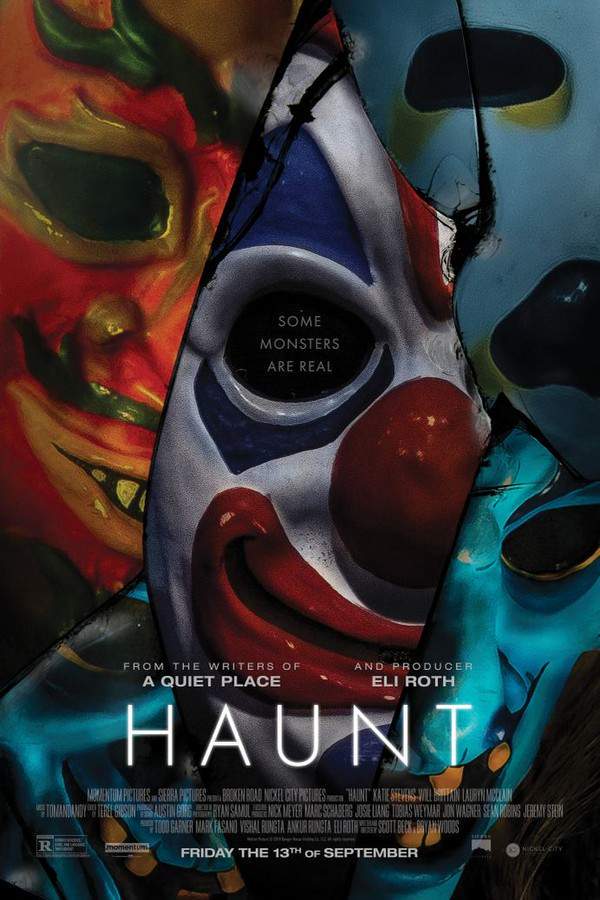
Haunt
2014
The Legacy
1979
Inheritance
2024
The Inheritance
2024

The Inhabitants
2015
Relics
2017

The House Where Evil Dwells
1982
Ghosthouse
1988

Ghost Story
1974

Night of Dark Shadows
1971

Haunting of Winchester House
2009
Narrative Summary
The narrative pattern revolves around a protagonist discovering they are the heir to something ominous. Their investigation into this inheritance reveals a disturbing past that mirrors or directly causes their present-day suffering. The story is a slow revelation of intertwined fates, where escaping the past proves impossible, and the ending is often bleak.
Why These Movies?
These films share a core thematic focus on generational trauma and inescapable fate. They are united by a melancholic, heavy mood, a slow-burn structure that builds dread through discovery, and a premise where the horror is deeply personal, rooted in family history and the sins of the past.
Unlock the Full Story of Bad Things
Don't stop at just watching - explore Bad Things in full detail. From the complete plot summary and scene-by-scene timeline to character breakdowns, thematic analysis, and a deep dive into the ending - every page helps you truly understand what Bad Things is all about. Plus, discover what's next after the movie.
Bad Things Summary
Read a complete plot summary of Bad Things, including all key story points, character arcs, and turning points. This in-depth recap is ideal for understanding the narrative structure or reviewing what happened in the movie.

Bad Things Timeline
Track the full timeline of Bad Things with every major event arranged chronologically. Perfect for decoding non-linear storytelling, flashbacks, or parallel narratives with a clear scene-by-scene breakdown.

Characters, Settings & Themes in Bad Things
Discover the characters, locations, and core themes that shape Bad Things. Get insights into symbolic elements, setting significance, and deeper narrative meaning - ideal for thematic analysis and movie breakdowns.


Similar Movies to Bad Things
Discover movies like Bad Things that share similar genres, themes, and storytelling elements. Whether you’re drawn to the atmosphere, character arcs, or plot structure, these curated recommendations will help you explore more films you’ll love.
Bad Tales
2021
Very Bad Things
1998
Bad Behaviour
2024
Things Will Be Different
2024

Bad Blood
2017

Evil Under the Skin
2019

Wicked Little Things
2006
Unhinged
1982

Bad Nun: Deadly Vows
2020

Hotel Fear
1978
Haunts
1976

Legacy of Blood
1978

From the Dark
2009

Evil Things
2009

Terror at Red Wolf Inn
1972
Explore More About Movie Bad Things
Bad Things (2023) Plot Summary & Movie Recap
Bad Things (2023) Scene-by-Scene Movie Timeline
Bad Things (2023) Movie Characters, Themes & Settings
Bad Things (2023) Spoiler-Free Summary & Key Flow
Movies Like Bad Things – Similar Titles You’ll Enjoy
Bad Tales (2021) Movie Recap & Themes
Very Bad Things (1998) Ending Explained & Film Insights
Bad Behaviour (2024) Film Overview & Timeline
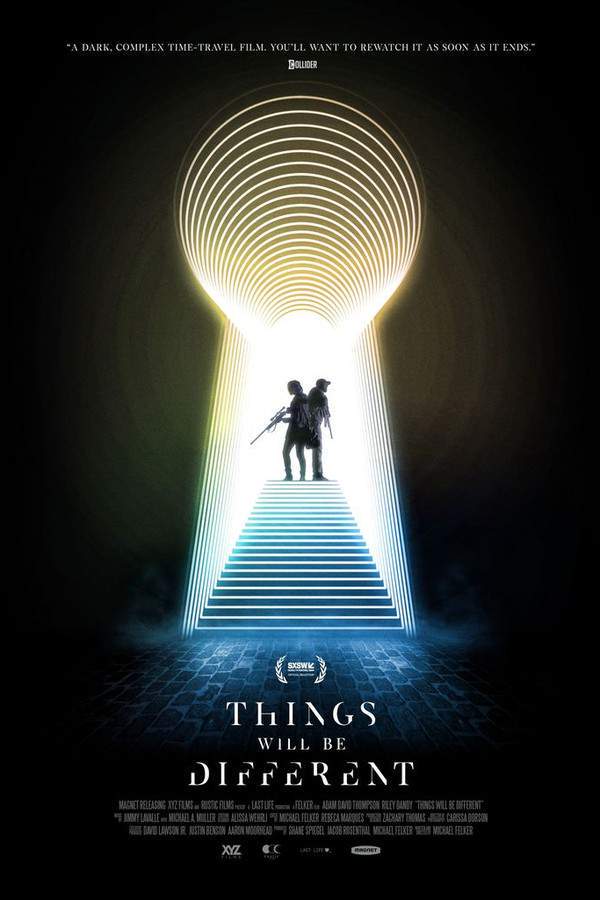
Things Will Be Different (2024) Film Overview & Timeline
Bad Blood (2017) Full Summary & Key Details
Evil Under the Skin (2019) Detailed Story Recap
Wicked Little Things (2006) Plot Summary & Ending Explained
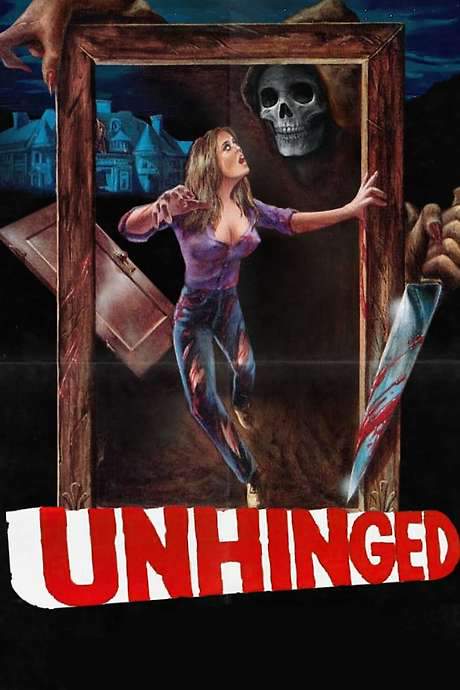
Unhinged (1982) Film Overview & Timeline
Bad Nun: Deadly Vows (2020) Film Overview & Timeline
Hotel Fear (1978) Ending Explained & Film Insights
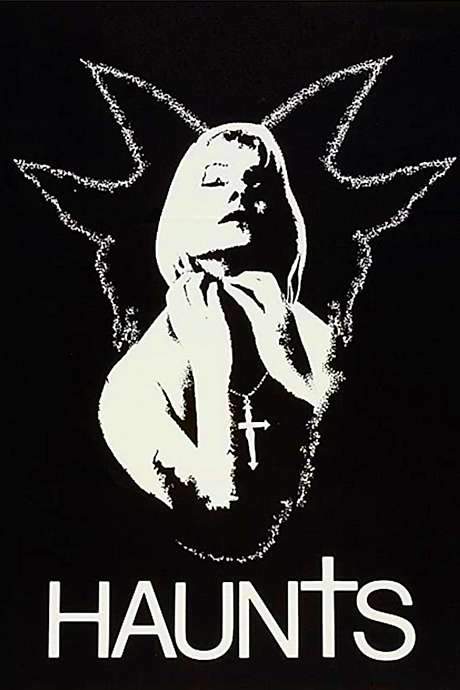
Haunts (1976) Film Overview & Timeline
Legacy of Blood (1978) Story Summary & Characters
From the Dark (2009) Full Movie Breakdown
Evil Things (2009) Spoiler-Packed Plot Recap
Terror at Red Wolf Inn (1972) Full Movie Breakdown