Plot Explained Spoilers guaranteed!
Plot Explained

Browse by genre

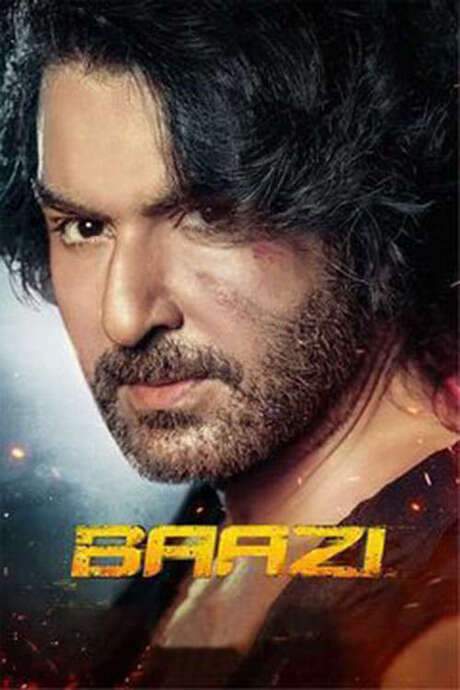
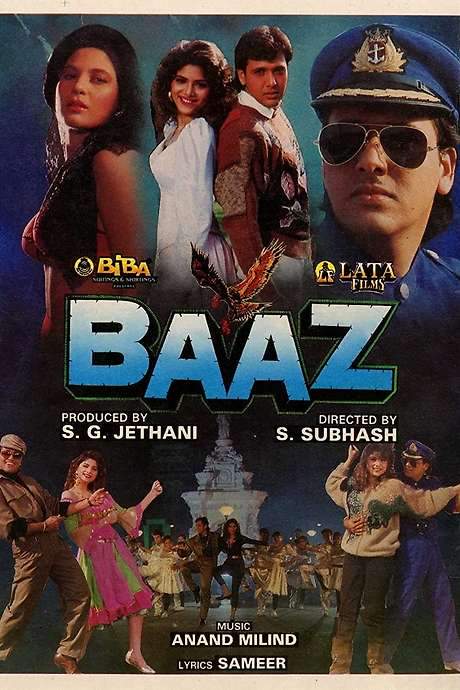
Baaz: A Bird in Danger (2003) movie poster

Plot Summary

Baaz: A Bird in Danger (2003) Plot Summary Explained

Release, runtime and language
2003 · 176 mins · Hindi
Directed by
Tinnu Verma
Starring
Suhasini Mulay, Jackie Shroff, Suniel Shetty, Karisma Kapoor, Razak Khan, Vivek Shauq

In the hill town of Nainital, police hunt a serial killer who stalks extraordinarily beautiful young women, leaving a dragger and a pair of rubber gloves at each scene. Their prime suspects are Mayor Jai Singh Dabral, DSP Harshvardan and a local painter, Raj Singh, yet investigators lack concrete proof to arrest any of them.

On this page (6)
  1. 1 Where to watch
  2. 2 What happens: full plot
  3. 3 Plot questions answered
  4. 4 Movie threads
  5. 5 Movies like Baaz: A Bird in Danger
  6. 6 Every angle

Where to watch

Where to Watch Baaz: A Bird in Danger (2003)

Where can you watch Baaz: A Bird in Danger? Stream, rent or buy it in the US, including on Fawesome and Tubi TV: current JustWatch availability with up-to-date prices.

Streaming availability powered by JustWatch

Full plot summary · contains spoilers

What Happens in Baaz: A Bird in Danger: Full Plot Summary

The whole story of Baaz: A Bird in Danger (2003) explained, from the opening scene to the final frame: every key event, every twist and what it all adds up to. Read it as a quick recap before the sequel, to check a scene you missed, or to finally understand what really happened.

The film opens with the life of a child born with a strange disorder who tends to destroy anything that fascinates him. His father has committed suicide, and his mother is declared mentally ill. Doctors diagnose that he has inherited this condition genetically, and he is looked after by his grandmother.

Seventeen years later in Nainital, Neha Chopra, Karisma Kapoor from Delhi, arrives to work as an interior designer for Jai Singh Dabral, Jackie Shroff, the city’s Mayor who is also a womaniser and attracted to Neha, at one of his secluded and deserted mansions. A serial killer is said to be on the prowl, ruthlessly targeting beautiful women and always eluding the police or any solid evidence if he’s arrested.

Neha soon meets Raj Singh, Dino Morea, a loafer whom everyone in the city avoids because he is the prime suspect in the murders, yet she feels drawn to him and they fall in love. The city’s police commissioner Harshvardhan Bhatti, Suniel Shetty, and his subordinate Preeti Rastogi, Preeti Jhangiani, monitor the couple’s every move and warn Neha that Raj could be the killer, making her his next potential victim. Neha is reluctant to believe it, especially since Raj saves her life on one occasion. But when she later discovers murder evidence in Raj’s house, she becomes convinced of his guilt.

Heartbroken, she decides to leave Nainital for good, though Dabral opposes the move. Harshvardhan and Preeti encourage her to stay and help nab Raj. Raj goes to see Neha but finds her spirit dampened, sensing that something is wrong. One of the killer’s victims’ sisters comes out of a coma and tells Preeti she can identify the killer. When Preeti and Harshvardhan reach the house, the comatose girl dies suddenly from shock. That night, Preeti contemplates the case and questions Harshvardhan, while Dabral notices her racing through the city in the dark.

The next day, Preeti is found murdered in Raj’s house. Raj is pursued by Harshvardhan and the police, eventually jumping off a waterfall and seeking refuge in Neha’s home. Dabral threatens to demote Harshvardhan if he does not capture the killer within 24 hours, and the inspector insists on results. Harshvardhan hands Neha a mobile phone and tells her that if Raj calls, she must immediately inform the police. Raj visits Neha to explain his situation, but she pushes him away and leaves a voicemail for Harshvardhan stating that Raj is the killer. Raj briefly argues with Neha, and in the heat of the moment she is knocked unconscious.

The climax unfolds when Harshvardhan appears, taking Raj and the unconscious Neha to a temple they had visited before and chaining them there. He reveals himself as the serial killer terrorizing the town—the child from the opening scenes, neglected by peers and kept company only by his mother at the asylum. His mother urged him to “make his own world,” which set off his killing spree. Harshvardhan admits to all the murders and hiding the bodies in an underground lair, including Preeti, whom he killed after she uncovered the truth and stumbled upon his lair. He also confesses that he never truly loved Preeti, though she loved him, and that his search for love ended when he first saw Neha and he would take her by any means necessary.

He reveals that he framed Raj Singh by planting the murder evidence and recording Neha’s voice message to condemn Raj. He proclaims, > Kaam mera, naam tera, the crime is mine and the name will be Raj’s. He hustles Neha to his underground enclosure to kill her, where the remains of previous victims lie in glass boxes as if in a morbid park.

Dabral bursts in, frees Raj, and a brutal fight erupts among the three. In a dramatic turn, grandmother, Suhasini Mulay, appears and shoots Harshvardhan multiple times, ending his terror. The film closes with Raj and Neha planning their wedding, and Dabral gifting them the deserted house to make a new life together.


Last updated: October 09, 2025 at 16:28

Was this helpful?

Plot questions answered

Baaz: A Bird in Danger Plot Explained: Your Questions Answered

The questions people ask most about Baaz: A Bird in Danger (2003): what happens in the confusing scenes, why the characters do what they do, the twists, hidden details and what the ending means. Each answer contains spoilers.

Q1

Who is the real serial killer in the movie?

DSP Harshvardhan Bhatti is revealed as the actual serial killer. He is the police commissioner who has been hunting himself throughout the film, using his position to manipulate the investigation and frame Raj Singh for the crimes. He kills Preeti when she discovers his secret and nearly kills Neha before Dabral and the grandmother intervene.

Foreshadowing: The opening scene shows a disturbed child with a genetic disorder who destroys things that fascinate him, establishing the killer's origin.

  • serial killer
  • harshvardhan
  • twist
  • raj singh framed
Q2

Why does Harshvardhan kill beautiful women?

Harshvardhan suffered severe childhood trauma. As a child, he was born with a genetic disorder that caused him to destroy anything that fascinated him. His father committed suicide and his mother was declared mentally ill, leaving him isolated. His mother at the asylum told him to "make his own world," which twisted his psychology and led him to create a morbid collection of victims in glass boxes underground.

Foreshadowing: The opening child scene directly connects to Harshvardhan's adult identity as the killer.

  • harshvardhan motivation
  • childhood trauma
  • genetic disorder
  • psychopath
Q3

How did Harshvardhan frame Raj Singh for the murders?

Harshvardhan planted murder evidence in Raj Singh's house to make him appear guilty. He also recorded Neha's voice message accusing Raj of being the killer and used it to strengthen the case against him. This explains the dialogue "Kaam mera, naam tera" (the crime is mine and the name will be Raj's).

Foreshadowing: The police consistently pressure Neha to help trap Raj, and Harshvardhan conveniently directs all evidence toward him.

  • frame raj singh
  • planted evidence
  • voice message
  • setup
Q4

Why was Preeti murdered?

Preeti was killed because she got too close to discovering Harshvardhan's true identity as the killer. She questioned his behavior and stumbled upon his underground lair containing the bodies of victims. To protect his secret, Harshvardhan murdered her in Raj's house to frame him further.

Foreshadowing: Preeti's growing suspicion and direct questioning of Harshvardhan about the case sets up her doom.

  • preeti death
  • killed by harshvardhan
  • framed Raj
Q5

What was the child's disorder shown at the beginning?

The child in the opening sequence is young Harshvardhan. He was diagnosed with a rare genetic disorder that caused him to destroy anything that fascinated him. His father committed suicide and his mother was declared mentally ill, so he was raised by his grandmother. This traumatic childhood shaped his psychopathic adult personality.

Foreshadowing: The grandmother who raises him appears at the climax to kill him, completing the generational cycle.

  • genetic disorder
  • childhood trauma
  • opening scene
  • harshvardhan origin
Q6

How did Raj survive jumping off the waterfall?

Raj jumps off the waterfall while being chased by police. He survives the jump and later seeks refuge at Neha's home. The film doesn't show explicit details of his survival, but the focus remains on his innocence and the pursuit to capture who the police believe is the killer.

Foreshadowing: This escape allows Raj to reach Neha and attempt to prove his innocence.

  • raj waterfall jump
  • escape
  • police chase
Q7

What does the dialogue "Kaam mera, naam tera" mean?

"Kaam mera, naam tera" translates to "the crime is mine, the name will be Raj's." Harshvardhan says this to reveal he deliberately framed Raj Singh for all his murders, using Raj's reputation as a social outcast to take the blame.

Foreshadowing: Throughout the film, all evidence inexplicably points to Raj despite his actual innocence.

  • kaam mera naam tera
  • frame dialogue
  • raj blamed
Q8

Why is Harshvardhan obsessed with Neha?

Harshvardhan tells Neha that his search for love ended the moment he saw her. He becomes fixated on taking her "by any means necessary," including murdering her to add her to his collection. His twisted psychology makes him believe he owns her, similar to how he collects objects that fascinate him.

Foreshadowing: Harshvardhan's obsession is hinted by his personal interest in the case and directing the investigation toward Neha.

  • harshvardhan neha
  • obsession
  • collection
  • final victim
Q9

Who kills Harshvardhan at the end?

Harshvardhan's own grandmother appears at the climax and shoots him multiple times, killing him. She is the same grandmother who looked after him as a child after his parents' tragedy. Her intervention saves Raj and Neha from being murdered in the underground lair.

Foreshadowing: The opening scene establishes the grandmother as Harshvardhan's caretaker, making her appearance at the end symbolically significant.

  • grandmother kills harshvardhan
  • final confrontation
  • climax
Q10

Where does Harshvardhan keep the bodies of his victims?

Harshvardhan hides all his victims' bodies in an underground lair beneath his house. The bodies are displayed in glass boxes arranged like a morbid park, which Neha discovers when Harshvardhan takes her there during the climax. This disturbing collection represents his twisted attempt to "make his own world."

Foreshadowing: The opening child's obsession with collecting and destroying objects foreshadows this adult behavior.

  • underground lair
  • glass boxes
  • bodies
  • collection
Q11

Why is Raj Singh suspected as the killer?

Raj Singh is the town's social outcast and is avoided by everyone, making him an easy target for suspicion. Harshvardhan deliberately plants murder evidence in Raj's house and uses his marginalized status to ensure the police and townspeople believe he is guilty. This allows the real killer to operate freely.

Foreshadowing: The police immediately warn Neha about Raj being dangerous despite lacking solid proof.

  • raj singh suspect
  • framed
  • social outcast
  • red herring
Q12

Why does Neha leave a voicemail accusing Raj?

After discovering murder evidence in Raj's house, Neha becomes convinced of his guilt. When Harshvardhan gives her a phone to contact police if Raj calls, she leaves a voice message accusing Raj as the killer. Unknown to her, Harshvardhan uses this recording to further frame Raj and manipulate the investigation.

Foreshadowing: Harshvardhan's setup is revealed when he admits to recording Neha's accusation.

  • neha voicemail
  • accuses raj
  • harshvardhan recording
  • manipulation

Movie threads

More Movies Like Baaz: A Bird in Danger, by Mood & Story

Curated lists built around what makes Baaz: A Bird in Danger tick: the same mood, the same kind of story or the same emotional payoff. Each list explains why these movies belong together.
Personal investigation thrillers like Baaz: A Bird in Danger

Officers confront a killer who hits dangerously close to home. If you enjoyed Baaz: A Bird in Danger, you'll like these movies where police officers are personally invested in a dangerous case. This collection features tense crime stories with high stakes investigations, corruption, and killers targeting those close to the main character.

  • tense
  • paranoid
  • thrilling
  • corruption
  • betrayal
  • high stakes
  • Tone: tense, paranoid
  • Pacing: fast, relentless
Why these movies?

The story pattern: These stories follow investigators who become personally invested in a case, often because the criminal targets them directly, someone they care about, or is revealed to be a trusted colleague. The procedural elements are heightened by personal stakes, leading to moral dilemmas and intense confrontations.

Why they belong together: Movies in this thread share a core structure of a professional investigation fused with deep personal risk. They generate tension by blurring the line between duty and survival, often featuring corruption, betrayal, and a race against time where the hunter can quickly become the hunted.

Dark thrillers with happy endings like Baaz: A Bird in Danger

A journey through intense darkness that ends in light. For viewers who like the intense suspense of movies like Baaz: A Bird in Danger but prefer a satisfying conclusion. This thread collects dark thrillers and horror-tinged stories that, despite their grim journeys, end on a hopeful and victorious note for the protagonists.

  • dark
  • suspenseful
  • morbid
  • cathartic
  • hopeful
  • thrilling
  • Tone: dark, tense, hopeful
  • Pacing: fast-paced, climactic
Why these movies?

The story pattern: The narrative pattern involves building extreme tension and exploring dark subject matter, creating a sense of almost overwhelming dread. However, the story arc is designed to provide a strong catharsis, culminating in a climax where the threat is decisively overcome, often uniting a central romantic or heroic pair.

Why they belong together: These films are grouped together because they masterfully balance a dark, heavy tone with a ultimately uplifting narrative structure. They satisfy viewers who enjoy high-stakes suspense but dislike bleak conclusions, offering the thrill of the chase followed by the reward of a happy ending.

If you liked this

Movies Like Baaz: A Bird in Danger

Similar movies to Baaz: A Bird in Danger: the same genre, themes or kind of story. Each one comes with its own plot summary, timeline and ending explained.

Browse all movie summaries

Every angle

Baaz: A Bird in Danger (2003) Explained: Plot, Timeline & Characters

Everything about Baaz: A Bird in Danger in one place: what happens in the plot summary, the timeline in chronological order, the characters and meaning and a spoiler-free summary. What's After the Movie adds the cast, box office and post-credit scenes.

Coming soon on iOS and Android

The Plot Explained Movie Summary App

Plot summaries, endings explained and timelines on your phone. Catch up on any movie in minutes, save your favorites and never miss a twist again.

Be the first to know when we launch. Your email stays private, always.

Learn more about the app