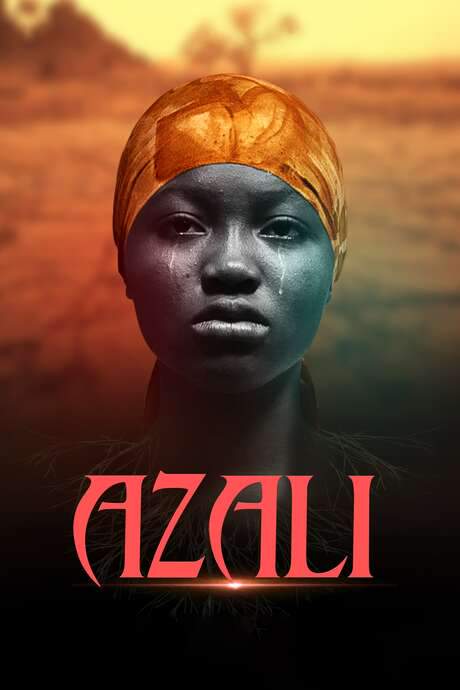
In a small village in northern Ghana, a 14-year-old girl, Amina, leads a comfortable yet unexciting life alongside her mother, her grandmother Rukaya, and her uncle Akatok. Her mother dreams of a freer, brighter future for her daughter, while her grandmother pushes for a traditional path of marriage to an older man from their community. In a bid to improve Amina’s prospects, her mother unknowingly sells her to strangers, sending the young girl on a perilous journey toward the city.
On the road, Amina befriends a boy who has also been sold into a similar fate, and the two escape together with a small group of other children. Their flight carries them into the bustle of Accra, where they scramble to survive. The city brings opportunity and peril in equal measure. The boy Seidu proves to be hard-working and quickly gains some standing, while Amina struggles to keep pace with demanding tasks. They drift into a precarious livelihood, joining a larger circle of children who take on various errands to earn a living.
In Accra, the harsh economics of survival push Amina into a difficult choice. She finds herself living in a rent-dense compound where daily payments are non-negotiable. To stay housed, she learns that money is essential, and her duties as a head porter do not bring in enough. Desperation drives her to join a neighbor—the landlord’s favorite—in prostitution, a choice that offers short-term relief but deepens her sense of sadness and isolation. For a time, the arrangement seems to stabilize her, yet the weight of her circumstances wears heavily on her.
Amina’s longing for Seidu persists, but when she seeks him out, he rejects her, unable to accept her status as an outsider within his new living arrangements as a porter. With that heartbreak, she sinks deeper into the cycle of work and hardship within the compound, her hope dimming as time passes. Meanwhile, Akatok—the uncle who loves her—begins a determined search for Amina in Accra after learning she has gone missing. His initial three-month effort tests his resolve, but an old friend’s advice rekindles his determination, spurring him to press on.
As circumstances harden, Amina’s resilience is put to a brutal test. She endures a cruel encounter with a man who refuses to pay her promised wages, lashing out in anger by smashing a glass and taking his money. She seeks Seidu again to express her wish to return home, but fate takes another dark turn when Razak, Seidu’s boss, calls her to wait on Seidu and assaults her. The trauma of the assault weighs on her, and Seidu’s reaction—guilt and despair—deepens the tragedy of their situation.
Seidu responds with protective violence of his own, beating Razak in a fit of anger and leaving him bleeding in the street. Amina returns to the households that care for her, only to face condemnation when the landlord learns of her pregnancy. Unable to keep a baby within the confines of the compound, she travels to the streets of Accra, where she endures the last stage of her pregnancy in precarious conditions. Eight months pass, and Amina, heavier and more skilled at surviving, continues her work as a head porter.
Akatok and his friend remain close by, still searching for Amina. In a cruel twist of fate, Amina encounters a mob led by Razak that attacks Seidu, and she is unable to intervene as Seidu is overwhelmed and killed by the mob. In that moment of horror, Akatok and his companion finally locate Amina, and Akatok reveals a devastating truth: Razak is her estranged father. The revelation shocks Amina to the core, and she faints from the weight of this disclosure.
Returning to her family compound, Amina gives birth beneath a star-filled sky, surrounded by the sounds of her grandmother’s lullaby and the collective breath of a family moving through a difficult rite of passage. In the final moments, the film pairs the newborn’s cry with a whispered, ancestral murmur as the on-screen text confirms a painful truth about tradition and secrecy.
> This child will never be accepted by tradition so in our hearts we buried a secret only heaven knows.