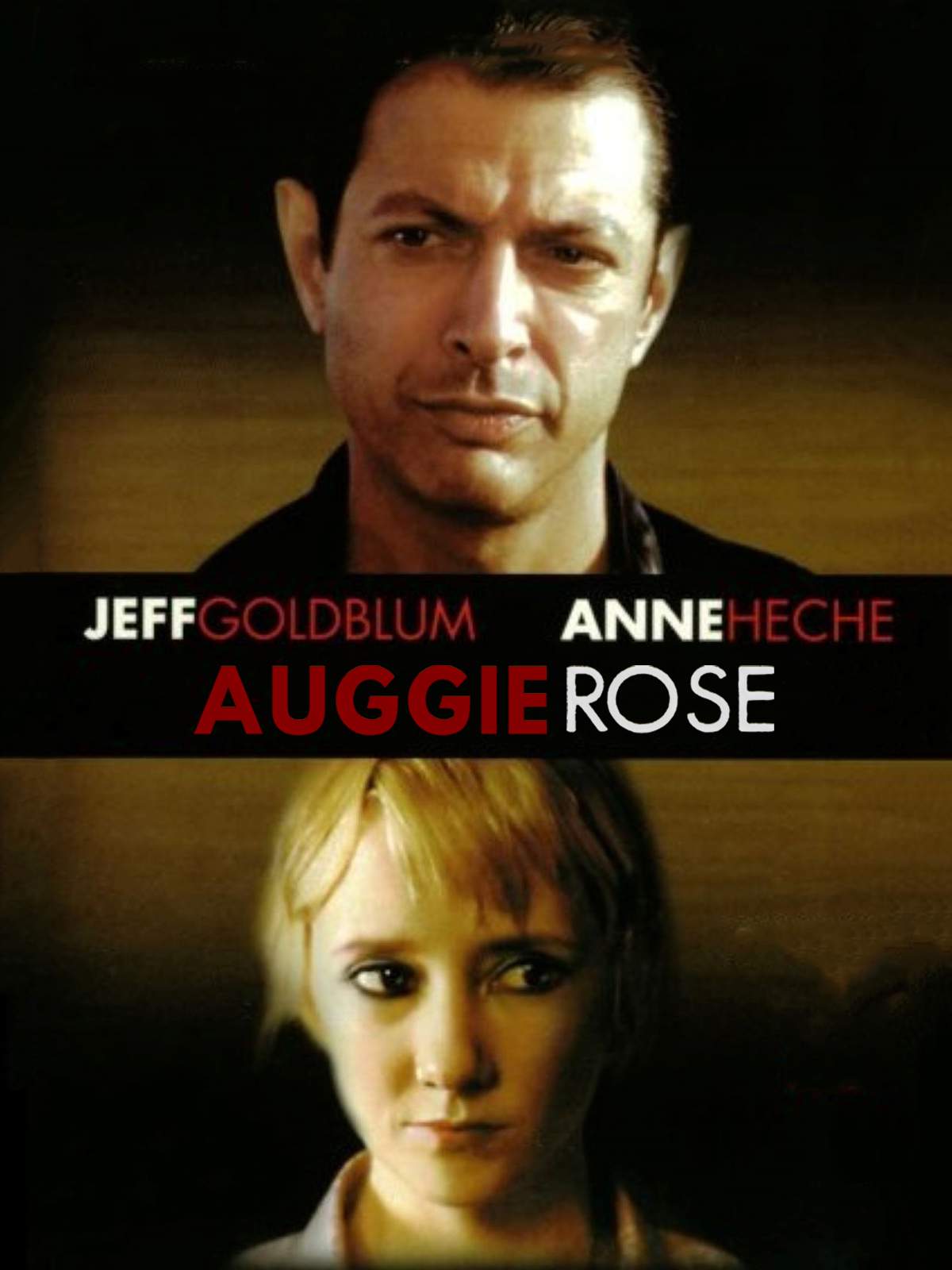
Insurance salesman John Nolan's ordinary life takes a dramatic turn when he discovers the body of a former convict. Compelled by an inexplicable connection, Nolan assumes the dead man's identity, initiating a deceptive journey of self-discovery. He becomes entangled with Lucy, a woman whose life is deeply connected to the man he’s impersonating, and a poignant relationship develops between them as he navigates the complexities of his assumed persona.
Find where to stream, rent, or buy Auggie Rose (2001) in the US with current JustWatch availability, up-to-date pricing, and platform listings for subscription, rental, and digital purchase options.
Warning: spoilers below!
Haven’t seen Auggie Rose yet? This summary contains major spoilers. Bookmark the page, watch the movie, and come back for the full breakdown. If you're ready, scroll on and relive the story!
Trace every key event in Auggie Rose (2001) with our detailed, chronological timeline. Perfect for unpacking nonlinear stories, spotting hidden connections, and understanding how each scene builds toward the film’s climax. Whether you're revisiting or decoding for the first time, this timeline gives you the full picture.
Last updated: November 17, 2024 at 19:43
Find frequently asked questions about the Auggie Rose (2001) timeline, including chronological order, nonlinear jumps, cause-and-effect links, and scene sequence clarifications. This timeline FAQ helps explain when key events happen, how moments connect, and why the story unfolds in that specific order.
John becomes consumed by responsibility and guilt after witnessing Auggie's murder. Rather than simply reporting the crime, he becomes obsessed with understanding who Auggie was and finding his connections, particularly Lucy. Taking Auggie's identity becomes John's way of processing his trauma, by literally stepping into the dead man's life, he attempts to find meaning in the violent death he witnessed and escape his own unfulfilling existence.
John's obsession stems from two factors: the traumatic nature of witnessing a violent death and his anger at the LAPD's failure to solve the case or find Auggie's loved ones. As an insurance salesman whose job involves assessing risk and mortality, the senseless murder of a man trying to rebuild his life hits particularly hard, triggering John's need to take action where the police did not.
Roy tracks John to his workplace and accuses him of maliciously taking Auggie's identity after seeing a photograph. The confrontation becomes physical, but John fights back and asserts dominance, forcing Roy to leave. To defuse the situation, John gives Roy a counterfeit $100,000 insurance policy in Auggie's name with no beneficiary, which temporarily satisfies Roy and ends their immediate conflict.
Lucy senses something is wrong and pushes John to confide in her. When John attempts to reveal his true identity, the burden of deception becomes overwhelming for Lucy. The revelation that the man she's been bonding with is actually a stranger who assumed her friend's identity, representing everything she hoped Auggie could have been, proves too much for her to process, causing her to leave.
The ending is bittersweet and ambiguous. Lucy returns and enthusiastically calls him "Auggie," suggesting she may have figured out the truth but accepts him anyway, perhaps understanding that John has become the person she hoped Auggie would be. Alternatively, she could simply be playing along with the charmer. This final moment leaves John's true identity uncertain, but his reaction suggests he's torn between correcting her and accepting this reintegration.
By this point, John has decided to abandon Auggie's identity and truly transform his life. Tip-offing Decker represents John's final break from his criminal connections and his choice to embrace an honest life. The decision also demonstrates his growth, he's no longer the passive salesman who witnessed a murder without acting; he's now willing to take decisive moral action, even if it means sending Roy back to prison for violating his parole.
The headstone represents John's symbolic death as his old identity, a middle-aged insurance salesman trapped in an unfulfilling life. By creating his own tombstone inscribed with "Free at last," John visually marks his transformation into someone new. This act captures the movie's central theme: John is literally burying his former self to escape the monotony and meaninglessness he felt before witnessing Auggie's murder.
Roy Mason is another ex-con connected to Auggie, suggesting they either served time together or were involved in criminal activities before Auggie's imprisonment. Roy approaches John (whom he believes is Auggie) with a proposal to rob the L.A. Transit Authority, indicating he viewed Auggie as a potential partner in crime. This connection establishes Roy as a dangerous threat who could expose John's deception.
John uses his insurance industry knowledge to create a fake $100,000 policy in Auggie's name with no beneficiary. This document serves as a strategic peace offering to pacify Roy during their confrontation. By presenting what appears to be a legitimate payout, John satisfies Roy's demand for money without actually risking anyone else's money, effectively ending their conflict through deception within deception.
Lucy reveals she married a man she didn't love shortly after believing Auggie was dead. When her husband discovered her letters to Auggie, the marriage ended. This confession explains why Lucy was so drawn to John, she sees him as embodying everything she believed Auggie could have become: warm, present, and emotionally available. Her past reveals a woman seeking genuine connection while stuck in the shadows of lost loves.
Selling his stake represents John's definitive break from his former life. The automotive business symbolizes his old identity, the successful but unfulfilling career as an insurance salesman. By liquidating this part of himself, John commits fully to his new existence as Auggie, embracing freedom over the comfortable but empty life he previously knew.
John's recurring nightmares stem from trauma. He witnessed Auggie's brutal murder while holding a bottle of wine, a mundane object that now triggers vivid memories of that night. These visions represent John's guilt over surviving while Auggie died, his failure to intervene, and his displacement of Auggie's identity. The trauma haunts him throughout his deception, adding psychological weight to his transformation.
John's deepening obsession with investigating Auggie's death and eventually assuming his identity directly competes with his relationship with Carol. As he spends more time pursuing the truth and living as Auggie, he withdraws from his old life, including his girlfriend. Carol represents everything John is trying to escape: his mundane, responsible existence. Her eventual absence signals John's complete transformation.
During a chance encounter with Carl's family seeking financial advice, John offers profound wisdom: "I think you should go home and make love to your wife and pray that nothing bad happens, and ask yourself each day, 'if it were to end right here right now, would it be enough?'" This reflection captures John's transformation, having witnessed death and lived someone else's life, he now values presence and connection over wealth, making this moment a turning point in his journey toward authenticity.
Discover curated groups of movies connected by mood, themes, and story style. Browse collections built around emotion, atmosphere, and narrative focus to easily find films that match what you feel like watching right now.
Characters who escape their own lives by stepping into someone else's shoes.If you liked the premise of Auggie Rose, where a man assumes another's identity, you'll find similar stories here. These films and shows explore the psychological drama of living a lie, the romantic entanglements that result, and the heavy burden of maintaining a double life. They are compelling character studies about deception and self-discovery.
These narratives typically begin with a catalyst—a death, a chance encounter, or an escape—that allows the protagonist to shed their old life. The plot then follows the intricate web of lies they must weave to maintain their new persona, often centering on a relationship built on false pretenses. The central conflict is internal (the guilt and anxiety) and external (the threat of being exposed), culminating in a crisis of identity.
Movies are grouped here because they share the core narrative device of identity assumption. They focus on the emotional and moral complexities of this deception, creating a specific kind of tense, character-driven drama where every interaction is charged with the risk of revelation.
Stories of lost souls finding a fragile, bittersweet new beginning.Fans of the melancholic, introspective mood of Auggie Rose will appreciate these films. They feature steady-paced, character-focused narratives about lonely individuals seeking meaning and a second chance. The stories are emotionally weighty and often conclude with a bittersweet sense of resolution, where redemption comes at a personal cost.
The narrative pattern follows a character's internal transformation. It begins with a state of isolation or dissatisfaction. A catalyst forces them onto a new path, which is often difficult and fraught with emotional challenges. The focus is less on external action and more on the quiet, incremental steps of personal change, leading to an ending that acknowledges both loss and growth.
These films are grouped by their shared atmospheric qualities: a dominant melancholic tone, a steady, deliberate pacing, and a medium level of emotional intensity. They offer a similar viewing experience—contemplative, somber, and ultimately focused on the possibility of redemption amidst sadness.
Don't stop at just watching - explore Auggie Rose in full detail. From the complete plot summary and scene-by-scene timeline to character breakdowns, thematic analysis, and a deep dive into the ending - every page helps you truly understand what Auggie Rose is all about. Plus, discover what's next after the movie.
Read a complete plot summary of Auggie Rose, including all key story points, character arcs, and turning points. This in-depth recap is ideal for understanding the narrative structure or reviewing what happened in the movie.
Discover the characters, locations, and core themes that shape Auggie Rose. Get insights into symbolic elements, setting significance, and deeper narrative meaning - ideal for thematic analysis and movie breakdowns.
Discover movies like Auggie Rose that share similar genres, themes, and storytelling elements. Whether you’re drawn to the atmosphere, character arcs, or plot structure, these curated recommendations will help you explore more films you’ll love.
Auggie Rose (2001) Plot Summary & Movie Recap
Auggie Rose (2001) Scene-by-Scene Movie Timeline
Auggie Rose (2001) Spoiler-Free Summary & Key Flow
Movies Like Auggie Rose – Similar Titles You’ll Enjoy
Rose Plays Julie (2021) Detailed Story Recap
The Missing Person (2009) Ending Explained & Film Insights
Anamorph (2008) Detailed Story Recap
Pali Road (2016) Plot Summary & Ending Explained
The Poison Rose (2019) Complete Plot Breakdown
Julie (1956) Movie Recap & Themes
Auggie (2019) Full Movie Breakdown
Rose Plays Julie (2019) Complete Plot Breakdown
A Little Trip to Heaven (2005) Detailed Story Recap
Grief Street (1931) Full Movie Breakdown
A Lovely Way to Die (1968) Detailed Story Recap
Moonrise (1948) Film Overview & Timeline
The Cry of the Owl (2009) Ending Explained & Film Insights
Audrey Rose (1977) Film Overview & Timeline
The Rose Tattoo (1955) Full Movie Breakdown