
Ashes of Time
Year: 1994
Runtime: 100 mins
Language: Cantonese
Director: Wong Kar-wai
Haunted by fear of rejection, Ouyang Feng lives in exile. A bitter, heartbroken cynic, he roams the desert acting as a broker, pairing master swordsmen with patrons who can pay for vengeance. Over five seasons of exile, he recounts his clients’ unrequited loves and extraordinary acts of bravery.
Warning: spoilers below!
Haven’t seen Ashes of Time yet? This summary contains major spoilers. Bookmark the page, watch the movie, and come back for the full breakdown. If you're ready, scroll on and relive the story!
Timeline & Setting – Ashes of Time (1994)
Explore the full timeline and setting of Ashes of Time (1994). Follow every major event in chronological order and see how the environment shapes the story, characters, and dramatic tension.
Last updated: October 04, 2025 at 18:50
Main Characters – Ashes of Time (1994)
Meet the key characters of Ashes of Time (1994), with detailed profiles, motivations, and roles in the plot. Understand their emotional journeys and what they reveal about the film’s deeper themes.
Last updated: October 04, 2025 at 18:50
Major Themes – Ashes of Time (1994)
Explore the central themes of Ashes of Time (1994), from psychological, social, and emotional dimensions to philosophical messages. Understand what the film is really saying beneath the surface.
Last updated: October 04, 2025 at 18:50
Ashes of Time (1994) Character & Theme Questions Answered – Info FAQ
Browse frequently asked questions about Ashes of Time (1994) focused on characters, relationships, themes, symbols, setting, and story context. This movie info FAQ gives spoiler-aware explanations for character arcs, world details, and thematic interpretation so readers can better understand what the film is really about.
Where is the story set?
The narrative unfolds around an inn situated near a desert village, with White Camel Mountain serving as a distant, imposing landmark. The harsh desert landscape creates a desolate backdrop for the tense encounters between wandering martial artists, while the inn functions as a crossroads where past promises, rivalries, and hidden identities intersect.
What role does memory play in the film?
Memory serves as a fragile currency throughout the film, where a special jar of wine can erase memories and reshape destinies. Characters either manipulate or resist forgetting to protect or ruin relationships, creating tension between what is remembered and what is forgotten. This memory theme acts as a barrier to closure, fueling suspicion and longing among the characters.
What are the main themes?
The film explores several interconnected themes: Memory as a force that shapes identity and fate; Love and Betrayal through a complex triangle between Huang Yaoshi, Peach Blossom, and Murong Yang/Yin; Identity and illusion, particularly with Murong Yang and Murong Yin being the same person; and Conflict and Destiny in a world of assassins where choices lead to irreversible outcomes.
Who is Ouyang Feng?
Ouyang Feng is a former friend of Huang Yaoshi who left White Camel Mountain after his brother's wedding and set up an inn near a desert village. Once a respected swordsman, he now works as a killer-for-hire, offering his services to those who can pay for vengeance. His arc centers on obsession, violence, and a costly withdrawal from his past life, ultimately descending into a psychotic trajectory.
Who is Murong Yang/Yin?
Murong Yang and Murong Yin are revealed to be the same person, a noble from Yan who manipulates relationships through desire and ambiguity. Their pursuit of control over marriage and affection drives key confrontations throughout the narrative. This dual identity blurs the line between truth and illusion, reflecting the film's exploration of identity as a fluid and deceptive concept.
What motivates the Blind Swordsman?
The Blind Swordsman is an old friend of Huang Yaoshi who is rapidly losing his sight. His primary motivation is to return home to Peach Blossom, and he offers his services to protect the village as a means to fund that journey. This desperate quest represents his final attempt at redemption and closure before his vision fails completely.
Who is Huang Yaoshi?
Huang Yaoshi is a close friend of Ouyang Feng who visits the inn yearly to drink with him before heading for White Camel Mountain. He brings a jar that can erase memories, though Ouyang declines to use it. Huang's romantic entanglements and impulsive behavior trigger much of the story's emotional currents and conflicts.
How does the film explore identity?
Identity is portrayed as fluid and deceptive throughout the film. Murong Yang and Murong Yin being the same person highlights themes of dual identity and illusion. Ouyang Feng's transformation into the Western Venom, and his potential reemergence as a legendary swordsman, further reflect this fluid sense of self. The narrative repeatedly blurs who a person truly is, challenging characters to confront their own masks.
What is the significance of the inn?
The inn serves as the central setting and metaphorical crossroads where past promises, rivalries, and hidden identities collide. It is a place of waiting and negotiation, where wandering martial artists seek vengeance or refuge. The inn's fragile balance of power creates tension, acting as a stage for encounters that push characters toward violent outcomes and irreversible choices.
What motivates Hong Qi?
Hong Qi is a down-and-out martial artist who trades his services for a single egg, losing a finger in the process. His arc illustrates the harsh survival instincts of the martial world, showing how desperation drives fighters to make extreme sacrifices. He later becomes the Northern Beggar, embodying the transformation that occurs when one loses everything.
How does the film explore love and betrayal?
The love triangle between Huang Yaoshi, Peach Blossom, and Murong Yang/Yin reveals how desire can complicate loyalties. Murong's manipulations expose the fragility of trust and the costs of passion. Ouyang's unrequited longing for his sister-in-law adds a layer of melancholy and betrayal. The narrative probes how romantic longing can both sustain and destroy lives.
What time period is the film set in?
The film does not specify a concrete historical era, functioning instead in a timeless wuxia world. While the setting suggests a historical Chinese context with wandering swordsmen and innkeepers, the narrative prioritizes mythic and philosophical elements over precise historical grounding. This timeless quality allows the themes of memory, identity, and destiny to resonate more universally.

Explore Movie Threads
Discover curated groups of movies connected by mood, themes, and story style. Browse collections built around emotion, atmosphere, and narrative focus to easily find films that match what you feel like watching right now.
Philosophical Wuxia Movies Like Ashes of Time
Wuxia films that use the genre to explore profound themes of memory and regret. If you liked the melancholic and reflective tone of Ashes of Time, explore more movies like it. This list features wuxia and martial arts films that prioritize existential themes, complex character studies, and a poetic exploration of memory and regret over straightforward action.
Ashes of Time
1994

Chinese Box
1997
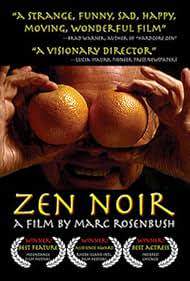
Zen Noir
2006
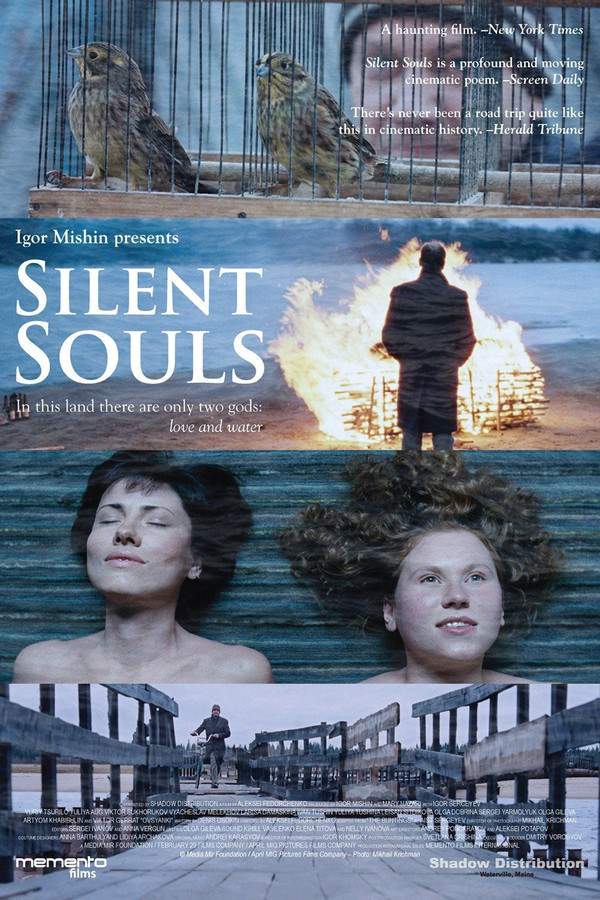
Silent Souls
2011
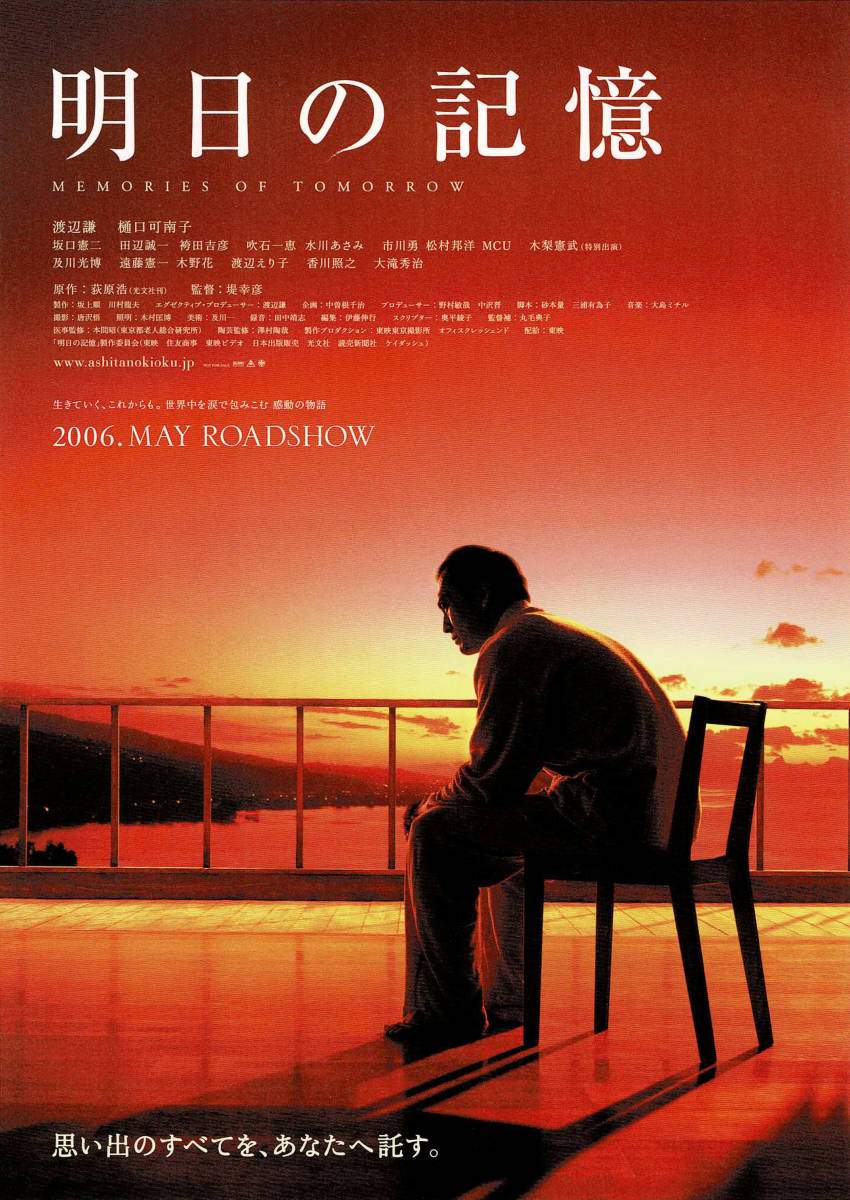
Memories of Tomorrow
2007

Electric Shadows
2005

The Burmese Harp
1956

Rurouni Kenshin: Reflection
2001
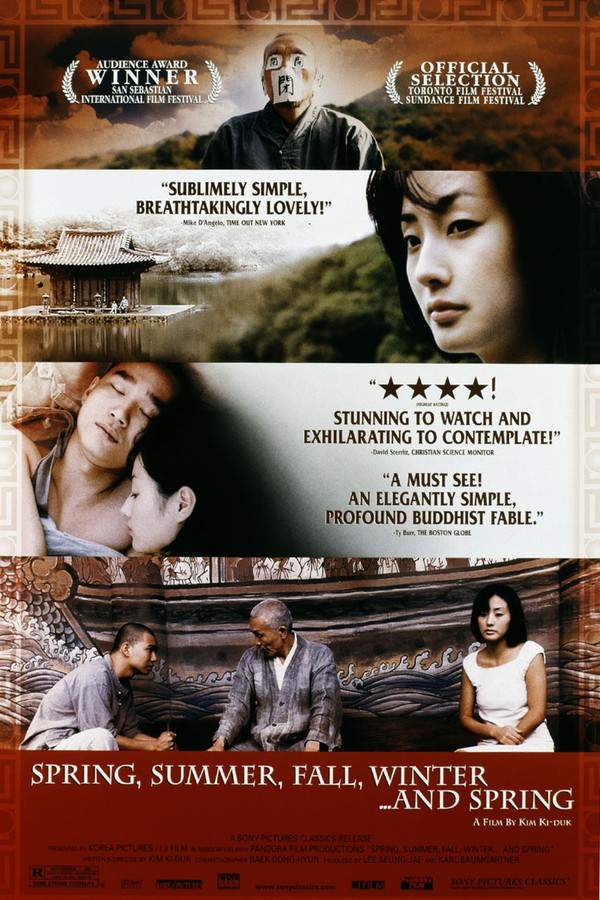
Spring, Summer, Fall, Winter... and Spring
2004

A New Old Play
2021

Suzhou River
2000

Taipei Story
1985
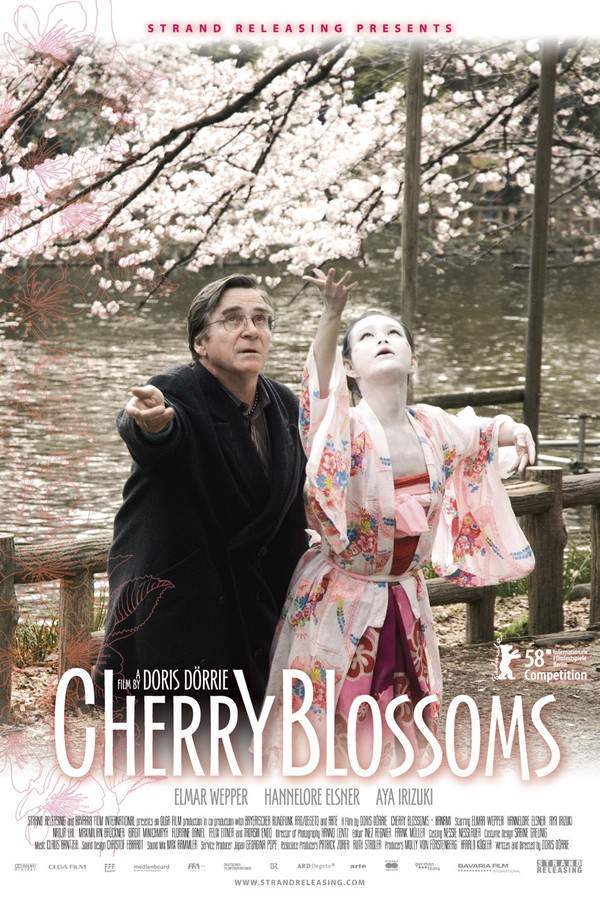
Cherry Blossoms
2009

Kung-Fu Master!
1988
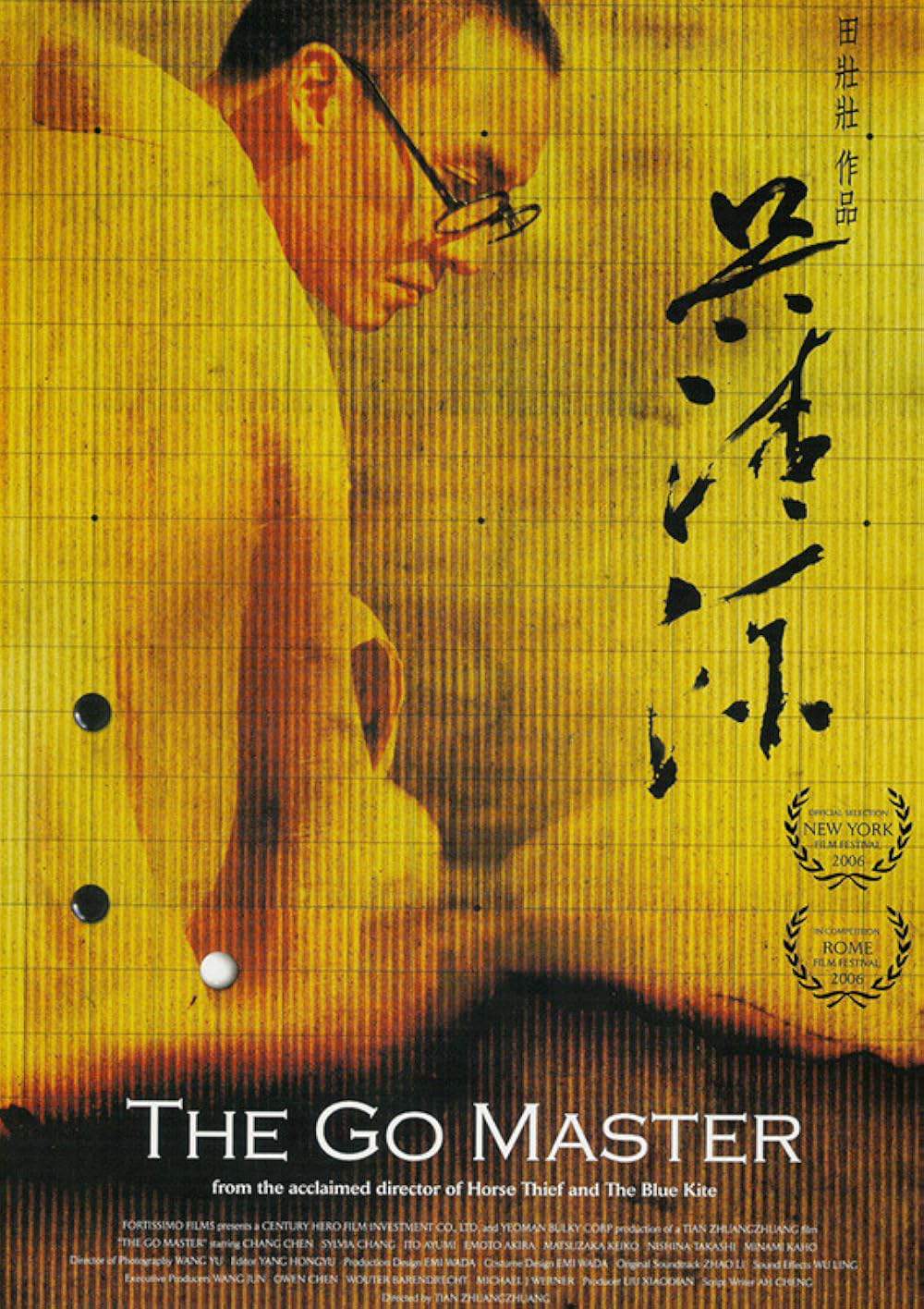
The Go Master
2007
Narrative Summary
Stories in this thread often feature characters wrestling with their pasts, grappling with unrequited love, and seeking redemption or meaning in a world defined by codes of honor. The narrative is typically nonlinear or fragmented, mirroring the characters' troubled memories and the elusive nature of truth.
Why These Movies?
Movies are grouped here because they share a core focus on using the martial arts genre as a vehicle for philosophical and emotional exploration. They possess a slow, atmospheric pace, a melancholic tone, and place a heavier emphasis on internal conflict than on external action.
Movies with Interwoven Tragic Romances Like Ashes of Time
Stories where multiple bittersweet love stories are intricately woven together by fate. Find more films with narratives like Ashes of Time, where multiple character arcs of unrequited love and tragic romance are woven into a single, melancholic tapestry. These movies share a complex structure, a heavy emotional weight, and explore how fate connects different stories of heartbreak.

Love Story
1970

Tristan and Isolde
2006
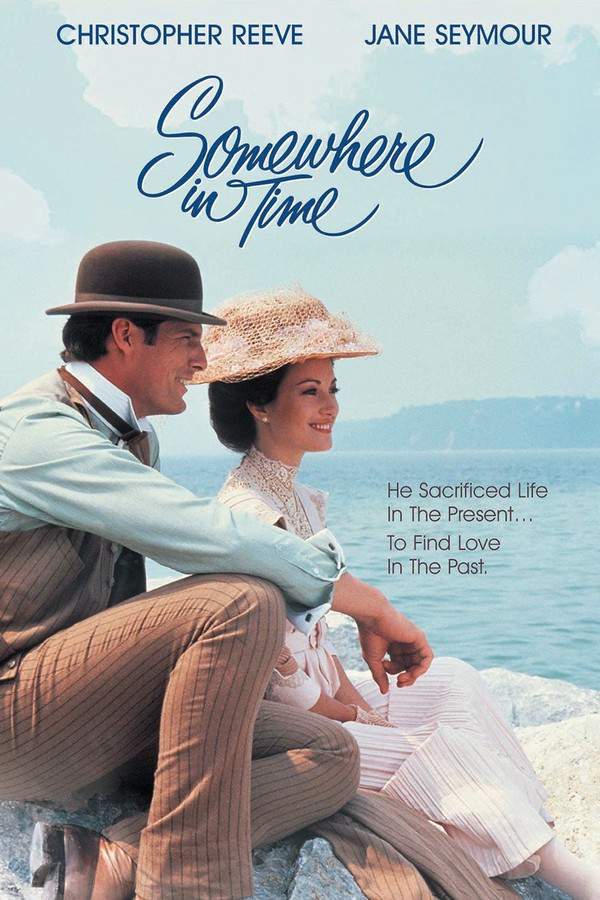
Somewhere in Time
1980

Untamed Heart
1993

Romeo + Juliet
1996
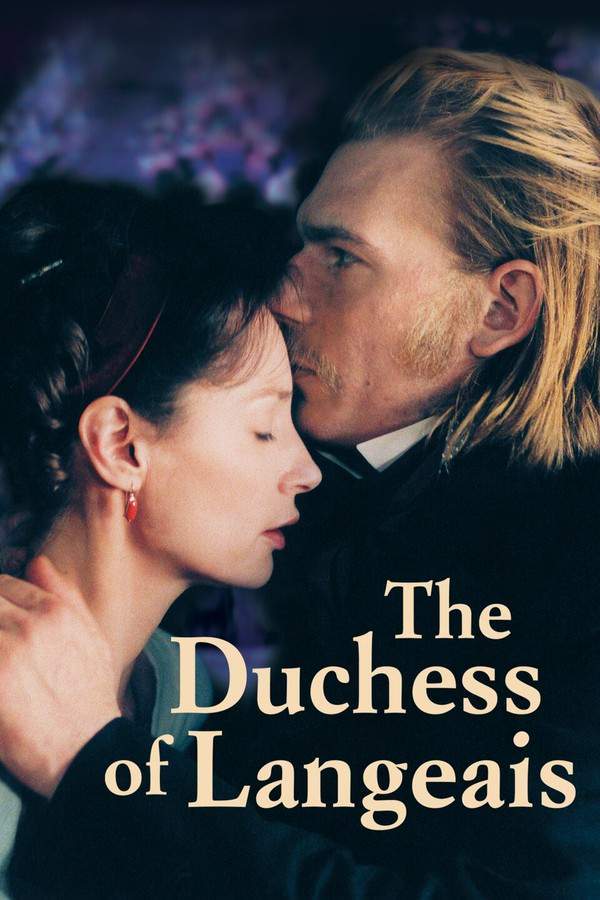
The Duchess of Langeais
2008

Lost and Delirious
2001
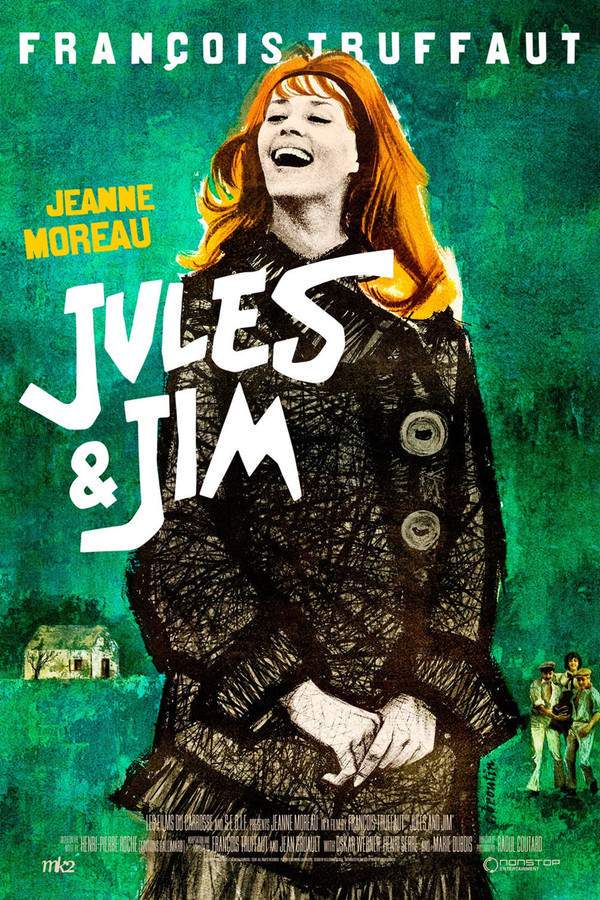
Jules and Jim
1962

Endless Love
1981
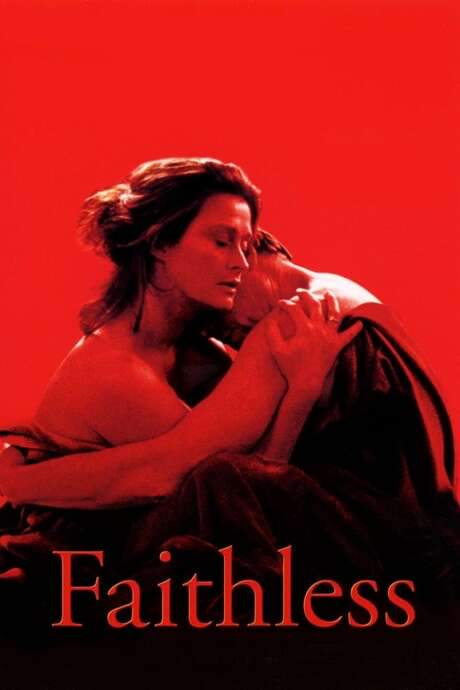
Faithless
2000

Things You Can Tell Just by Looking at Her
2000

Felicitas
2009
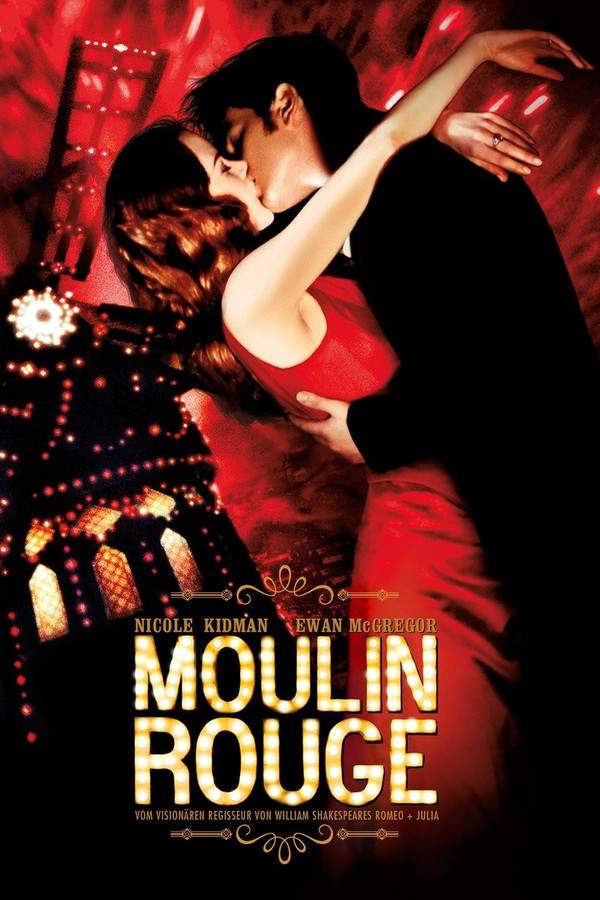
Moulin Rouge!
2001

Humoresque
1946
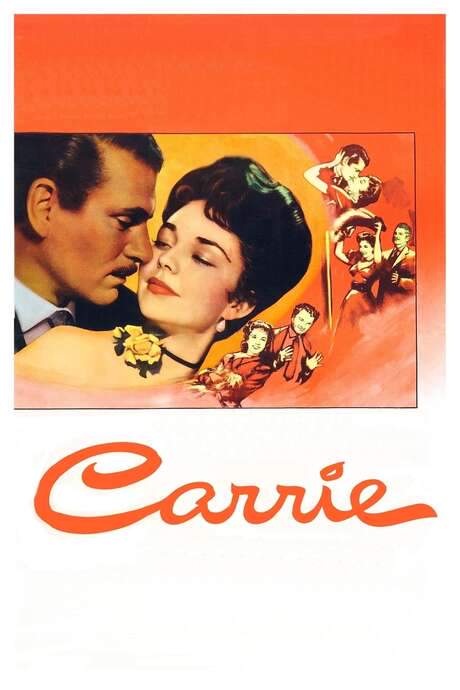
Carrie
1952
Narrative Summary
The narrative pattern involves a central location or character that connects several disparate stories of love and loss. These individual tales are not isolated but reflect and amplify each other's themes, building towards a unified, somber reflection on the nature of love, sacrifice, and destiny.
Why These Movies?
These films are connected by their complex, multi-threaded narrative structure focused on romantic tragedy. They share a melancholic and fatalistic mood, a slow, deliberate pace that allows for deep character reflection, and an ending that feels collectively sad or bittersweet.
Unlock the Full Story of Ashes of Time
Don't stop at just watching - explore Ashes of Time in full detail. From the complete plot summary and scene-by-scene timeline to character breakdowns, thematic analysis, and a deep dive into the ending - every page helps you truly understand what Ashes of Time is all about. Plus, discover what's next after the movie.
Ashes of Time Summary
Read a complete plot summary of Ashes of Time, including all key story points, character arcs, and turning points. This in-depth recap is ideal for understanding the narrative structure or reviewing what happened in the movie.

Ashes of Time Timeline
Track the full timeline of Ashes of Time with every major event arranged chronologically. Perfect for decoding non-linear storytelling, flashbacks, or parallel narratives with a clear scene-by-scene breakdown.


Similar Movies to Ashes of Time
Discover movies like Ashes of Time that share similar genres, themes, and storytelling elements. Whether you’re drawn to the atmosphere, character arcs, or plot structure, these curated recommendations will help you explore more films you’ll love.
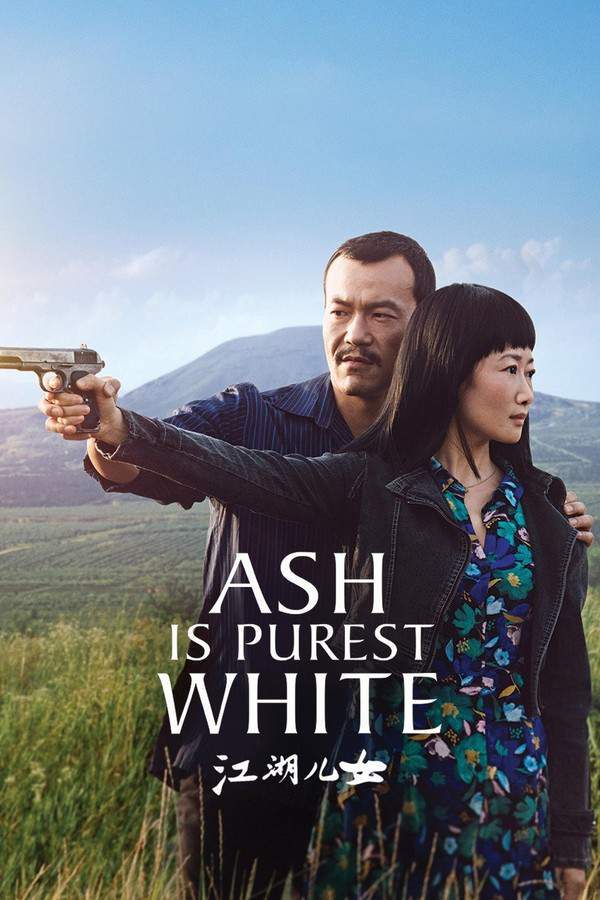
Ash Is Purest White
2019
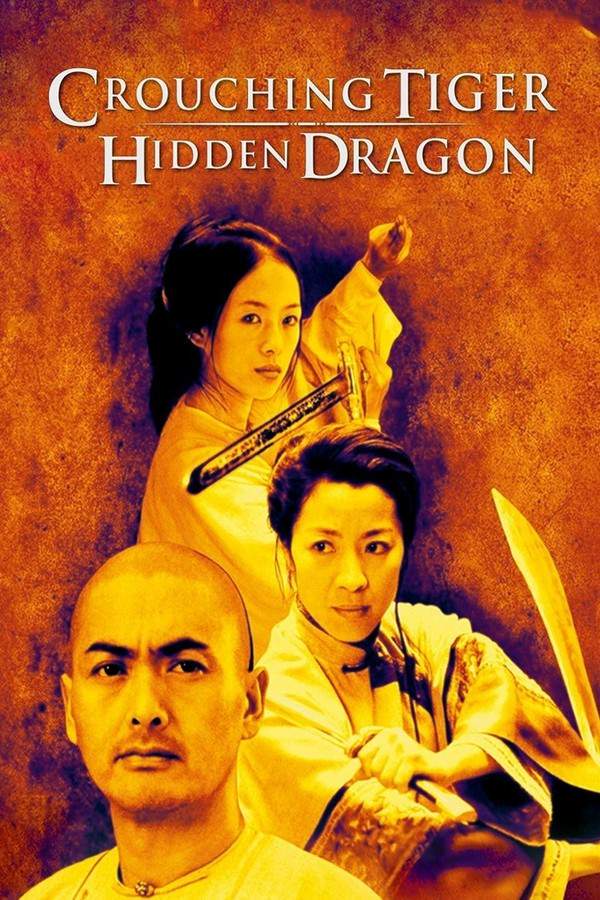
Crouching Tiger, Hidden Dragon
2000

Out Live
2000

The Sword
1980

Duel to the Death
1983

A Chinese Ghost Story
1987

The Deadly Breaking Sword
1979

The Thundering Sword
1967

A Touch of Zen
1970

Soul of the Sword
1978

The Assassin
1993

Death Valley
1968

Zen of Sword
1992

The Assassin
1967

Have Sword, Will Travel
1969
Explore More About Movie Ashes of Time
Ashes of Time (1994) Plot Summary & Movie Recap
Ashes of Time (1994) Scene-by-Scene Movie Timeline
Ashes of Time (1994) Spoiler-Free Summary & Key Flow
Movies Like Ashes of Time – Similar Titles You’ll Enjoy
Ash Is Purest White (2019) Detailed Story Recap
Crouching Tiger, Hidden Dragon (2000) Movie Recap & Themes
Out Live (2000) Full Summary & Key Details
The Sword (1980) Complete Plot Breakdown
Duel to the Death (1983) Full Movie Breakdown
A Chinese Ghost Story (1987) Complete Plot Breakdown
The Deadly Breaking Sword (1979) Spoiler-Packed Plot Recap
The Thundering Sword (1967) Ending Explained & Film Insights
A Touch of Zen (1970) Ending Explained & Film Insights
Soul of the Sword (1978) Complete Plot Breakdown
The Assassin (1993) Full Movie Breakdown
Death Valley (1968) Story Summary & Characters
Zen of Sword (1992) Full Summary & Key Details
The Assassin (1967) Spoiler-Packed Plot Recap
Have Sword, Will Travel (1969) Film Overview & Timeline