Plot Explained Spoilers guaranteed!
Plot Explained

Browse by genre

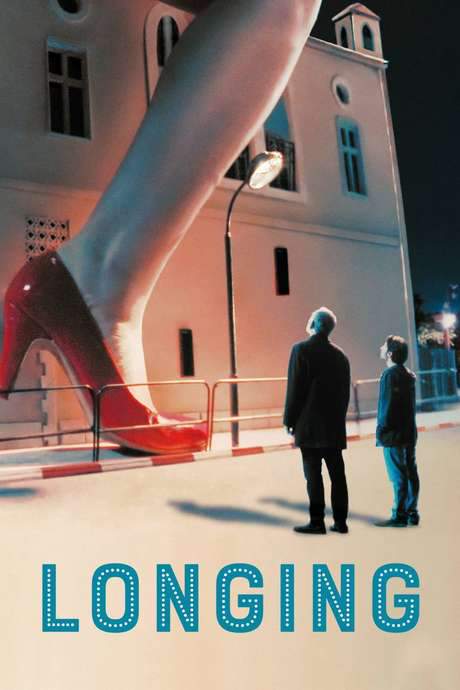
Apur Panchali (2013) movie poster

Plot Summary

Apur Panchali (2013) Plot Summary Explained

Release, runtime and language
2013 · 107 mins · Bengali, Bangla
Starring
Sova Sen, Kaushik Ganguly, Parambrata Chatterjee, Soumitra Chatterjee, Parno Mittra, Gaurav Chakrabarty

A film student, Arko, seeks out Subir Banerjee, the actor who famously portrayed Apu as a child, and invites him to an award ceremony in Germany. Banerjee is initially reluctant to accept the invitation, leading to a thoughtful exploration of legacy, memory, and the impact of a classic film.

On this page (4)
  1. 1 What happens: full plot
  2. 2 Plot questions answered
  3. 3 Movie threads
  4. 4 Every angle

Full plot summary · contains spoilers

What Happens in Apur Panchali: Full Plot Summary

The whole story of Apur Panchali (2013) explained, from the opening scene to the final frame: every key event, every twist and what it all adds up to. Read it as a quick recap before the sequel, to check a scene you missed, or to finally understand what really happened.

The film follows the journey of Subir Banerjee, the child actor who portrayed “Apu” in Satyajit Ray’s Pather Panchali. The story unfolds across two time periods: present-day action is shot in color, while the memories of the past play out in black and white. Throughout, subtle parallels are drawn between Subir’s life and the Apu trilogy, weaving cinema’s classic history with the actor’s own recollections in a thoughtful, introspective arc.

At the outset, film school student Arka arrives with a letter inviting Subir Banerjee to attend a prestigious award ceremony in Germany. The older Subir, portrayed by Ardhendu Banerjee, is initially reluctant to open the past, but Arka’s persistence nudges him toward revisiting the days he spent working on Pather Panchali. They wander through an old, dilapidated house—the same one where the classic film was shot—and Arka pockets a brick as a tangible keepsake. As they prepare for their journey to Germany, Subir begins to tell his life story to Arka, guiding us through memories that blur the lines between the film’s fiction and Subir’s own history.

In the present, the narrative shifts to Subir’s youth. After his brother leaves for work in Dhanbad, Subir—now in his twenties—puts aside his football dreams to care for his ailing father and to help his mother around the house. On a friend's advice, Subir marries Ashima, Ashima, the daughter of a wealthy Burdwan family, and this union arrives two years after his father’s death. The couple soon learns that Ashima is pregnant, a beacon of hope that stands against the family’s hardships and Subir’s sense of duty.

Back in the present, Subir and Arka grow closer as they share memories and reflections. Arka speaks about his late father, and Subir reveals deeper scars: due to jaundice, Ashima’s pregnancy ends in a premature birth, the baby dies, and Ashima herself sinks into depression before she dies. Subir’s heart breaks, and he withdraws into himself, grappling with loss and isolation that echo the darker tones of his youth and the weight of memory.

As the trip to Germany approaches, Subir’s quiet sense of gratitude surfaces in a small, telling moment: Arka thanks Subir for this chance, noting it’s his first business-class trip; Subir answers that he should thank “Apu,” marking a deeply personal acknowledgment of the film’s origins and Subir’s lifelong connection to that role.

The journey home brings a ritual of returning Ashima’s belongings to her ancestral house. There, Ashima’s grandmother invites Subir to bathe in a local pond and share lunch. In a poignant, almost ritual moment, a young boy asks if Subir’s name is Apu. Subir nods, tears in his eyes, hinting that the boy may indeed be a younger version of the legend he once played—and, in a twist of fate, the child is revealed to be Arka.

As the credits roll, the film shows Subir Banerjee being celebrated at an international event in Germany, a nod to the enduring resonance of his early work and the life that followed.

- The film’s layered storytelling blends color and monochrome to reflect how memory and legacy color Subir’s present. The encounter between Subir and Arka becomes a meditation on fame, family, and the inexorable pull of cinema’s greatest milestones.

- The performance arcs sit against a backdrop of archival footage and a sense of reverence for the Pather Panchali legacy, while exploring how one man’s life has been quietly shaped by the movies that made him famous.


Last updated: October 03, 2025 at 10:35

Was this helpful?

Plot questions answered

Apur Panchali Plot Explained: Your Questions Answered

The questions people ask most about Apur Panchali (2013): what happens in the confusing scenes, why the characters do what they do, the twists, hidden details and what the ending means. Each answer contains spoilers.

Q1

Why is Subir Banerjee reluctant to accept the invitation to Germany?

Subir is reluctant because reopening the past means confronting painful memories. He has lived a life marked by significant loss, the deaths of his wife Ashima and their baby, and he has spent years withdrawn from the world. Revisiting his role as Apu forces him to acknowledge how that iconic part has defined him, bringing both pride and deep sorrow. Arka's persistence eventually helps him come to terms with his legacy.

Foreshadowing: Earlier scenes hint at Subir's emotional guardedness when he initially avoids opening the letter from Germany.

  • subir banerjee
  • germany invitation
  • reluctance
  • apathetic
  • brittleness
Q2

What happened to Subir Banerjee's wife and child?

Subir's wife Ashima became pregnant, bringing hope to their marriage during a difficult time. However, due to jaundice during pregnancy, she gave birth prematurely, and the baby died. Ashima subsequently fell into depression and died, leaving Subir devastated. This tragedy mirrors the hardships faced by the Apu character he portrayed, creating a poignant parallel between fiction and his real life.

Foreshadowing: The timeline shows Ashima's pregnancy as a moment of hope that is quickly overshadowed by tragedy.

  • ashima
  • death
  • baby
  • jaundice
  • tragedy
  • pregnancy loss
Q3

Who is Arka in the film?

Arka is a film school student who comes to invite Subir to Germany. He is portrayed as a young, persistent filmmaker who helps Subir revisit his past. In a key twist at the end, it is revealed that Arka is the reincarnation or symbolic representation of the young boy who asked Subir if his name was Apu at Ashima's ancestral house, essentially connecting Subir's past with the present generation of filmmakers.

Foreshadowing: The ending reveals that the young boy who calls Subir 'Apu' is actually Arka, bridging the timeline.

  • arka
  • film student
  • young boy
  • filmmaker
  • germany
Q4

Why does Subir cry when the young boy calls him Apu?

Subir cries because being called 'Apu' forces him to confront his entire life's relationship with the role that defined him. The boy represents the enduring legacy of Pather Panchali and how Subir will forever be connected to Apu. The tears also carry the weight of his personal losses, his wife and child, as the Apu character himself experienced hardship and loss. It is a moment of accepting his identity as both Subir and Apu.

Foreshadowing: Throughout the film, Subir's connection to Apu is repeatedly explored, building to this emotional acceptance.

  • apu
  • crying
  • identity
  • legacy
  • emotional moment
Q5

Why did Subir give up his football dreams?

Subir gave up football to care for his ailing father and help his mother around the house after his brother left for work in Dhanbad. This sacrifice reflects the family duty that dominated his adult life, similar to how Apu in the trilogy must grow up quickly and take on responsibilities. The decision marks Subir's transition from childhood fame into adult obligations.

Foreshadowing: The timeline shows his brother's departure as the trigger for Subir taking on more family responsibilities.

  • football
  • family duty
  • sacrifice
  • father
  • mother
Q6

What is the significance of Arka taking a brick from the old house?

Arka taking a brick from the dilapidated house where Pather Panchali was filmed serves as a tangible connection to cinema history. The brick represents physical evidence of the legacy Subir helped create, it is a keepsake that bridges the gap between the iconic film's past and the present reality. It also symbolizes how Arka, as a young filmmaker, is collecting pieces of film history.

Foreshadowing: The scene occurs early when they visit the old house, establishing the theme of preserving legacy.

  • brick
  • house
  • memory
  • keepsake
  • heritage
Q7

Why does Subir say he should thank Apu for the Germany trip?

Subir says this because he recognizes that his invitation to Germany and all the recognition he receives is entirely due to his role as Apu in Pather Panchali. Despite his personal struggles and the fame that never translated to financial stability, the film that made him famous continues to shape his life. It is a moment of quiet gratitude for the unexpected legacy that has given him this honor.

Foreshadowing: This moment comes as they approach Germany, showing Subir's acceptance of his connection to Apu.

  • germany
  • thank you
  • apu
  • gratitude
  • award ceremony
Q8

How does Subir Banerjee's life mirror Apu's story?

Subir's life parallels Apu's in several ways, both experienced childhood hardship, both faced family responsibilities at a young age, both lost their spouses, and both endured poverty while maintaining hope. The film deliberately draws these parallels to explore how life imitated art. Subir's personal tragedies echo the emotional journey of the Apu trilogy, making his connection to the role deeply personal rather than just professional.

Foreshadowing: The film uses black-and-white for past memories to visually connect Subir's life with the Apu trilogy's aesthetic.

  • parallel
  • apu trilogy
  • hardship
  • life imitate art
  • memories
Q9

Why does the film use color for present scenes and black-and-white for memories?

The film uses color for present-day scenes and black-and-white for past memories as a visual storytelling device. This technique reinforces how memory works, present experiences are vivid and immediate, while past moments are tinted by nostalgia and reflection. It also directly connects to the aesthetic of the original Pather Panchali, creating a visual link between Subir's life and the Apu trilogy that made him famous.

Foreshadowing: This visual technique is established from the opening and maintained throughout the film.

  • color
  • black and white
  • visual style
  • memories
  • dual timeline
Q10

Why does Subir return Ashima's belongings to her ancestral house?

Subir returns Ashima's belongings as a ritual of mourning and closure. This act honors their marriage and acknowledges the pain they shared. At her ancestral house, Ashima's grandmother invites him to bathe in a local pond and share lunch, a gesture of hospitality that helps Subir reconcile with his past. It is a poignant moment of returning what was borrowed from life.

Foreshadowing: This scene occurs on the journey home from Germany, providing closure to Subir's grief.

  • ashima
  • ancestral house
  • return
  • closure
  • ritual
Q11

How does the relationship between Subir and Arka develop?

Subir and Arka's relationship evolves from initial reluctance to deep connection. Arka's persistence breaks through Subir's guarded nature, and as they travel together, Subir opens up about his past, including the deaths of his wife and child. Arka shares details about his own late father, creating a bond between two generations. Their companionship becomes a vehicle for Subir to process his legacy and grief.

Foreshadowing: Their growing closeness is evident throughout the journey to Germany and back.

  • arka
  • relationship
  • bond
  • generations
  • companionship
Q12

Why did Subir withdraw into himself after Ashima's death?

Subir withdrew into himself after losing both his wife and child because the grief was overwhelming. The tragedies marked a turning point in his life where he became more guarded and isolated. This withdrawal mirrors the way Apu in the trilogy also retreats into solitude after loss. The film suggests that Subir's personal suffering has been as profound as the fictional character's, shaping his entire adult life.

Foreshadowing: The timeline shows Subir becoming more isolated after the tragedy, a pattern that continues into his present day.

  • withdrawal
  • isolation
  • grief
  • depression
  • emotional closure

Movie threads

More Movies Like Apur Panchali, by Mood & Story

Curated lists built around what makes Apur Panchali tick: the same mood, the same kind of story or the same emotional payoff. Each list explains why these movies belong together.

Movies about artistic legacy like Apur Panchali

Exploring how a single role or creation forever alters the trajectory of a life. If you were moved by Apur Panchali's exploration of an actor's life after fame, this thread collects similar movies like Birdman, The Artist, and Synecdoche, New York. These films thoughtfully examine the lasting impact of art on its creators, blending personal history with public perception.

  • contemplative
  • nostalgic
  • poignant
  • somber
  • introspective
  • thought-provoking
  • Tone: melancholic, reflective, bittersweet
  • Pacing: slow, contemplative
Why these movies?

The story pattern: Stories in this thread often follow characters looking back on their lives, prompted by an event that forces a reckoning with their past fame or a seminal work. The narrative juxtaposes past triumphs with present-day reality, exploring the gap between public image and private self through a lens of quiet introspection.

Why they belong together: These films are grouped together because they share a deep focus on the psychological and emotional consequences of artistic creation. They possess a melancholic, reflective tone, a deliberate pacing that allows for contemplation, and a central theme of reconciling personal identity with an enduring public legacy.

Quiet movies about grief and memory like Apur Panchali

Stories where loss is processed not with high drama, but through quiet remembrance. For viewers who appreciated the gentle, somber handling of bereavement in Apur Panchali, this list includes similar films like A Ghost Story, Paris, Texas, and Our Little Sister. These movies share a quiet, reflective approach to processing loss and the power of memory.

  • somber
  • quiet
  • reflective
  • poignant
  • contemplative
  • melancholic
  • Tone: melancholic, somber, poignant
  • Pacing: very slow, deliberate
Why these movies?

The story pattern: The narrative pattern often involves a character who is emotionally adrift due to a past loss. The plot is less about action and more about a slow, internal journey as they sift through memories, reconcile with the past, and find a way to carry their grief forward, often leading to a bittersweet but hopeful resolution.

Why they belong together: These movies are united by their low-intensity, melancholic tone and slow pacing, which perfectly suits the subject matter of quiet grief. They prioritize emotional authenticity over plot twists, creating a space for the audience to reflect alongside the characters on themes of memory, healing, and the passage of time.

Every angle

Apur Panchali (2013) Explained: Plot, Timeline & Characters

Everything about Apur Panchali in one place: what happens in the plot summary, the timeline in chronological order, the characters and meaning and a spoiler-free summary. What's After the Movie adds the cast, box office and post-credit scenes.

Coming soon on iOS and Android

The Plot Explained Movie Summary App

Plot summaries, endings explained and timelines on your phone. Catch up on any movie in minutes, save your favorites and never miss a twist again.

Be the first to know when we launch. Your email stays private, always.

Learn more about the app