Year: 1953
Runtime: 96 mins
Language: English
Director: Philip Leacock
Wing-Commander Tim Mason leads a Lancaster bomber squadron on near‑nightly raids over occupied Europe. After eighty‑seven missions he is set to retire, and the strain shows. Determined to keep his men focused, he bans women from the base, but his resolve wavers when he meets naval officer Eve Canyon, whose presence makes him question his rules.
Warning: spoilers below!
Haven’t seen Appointment in London yet? This summary contains major spoilers. Bookmark the page, watch the movie, and come back for the full breakdown. If you're ready, scroll on and relive the story!
Trace every key event in Appointment in London (1953) with our detailed, chronological timeline. Perfect for unpacking nonlinear stories, spotting hidden connections, and understanding how each scene builds toward the film’s climax. Whether you're revisiting or decoding for the first time, this timeline gives you the full picture.
Last updated: October 09, 2025 at 10:43
Find frequently asked questions about the Appointment in London (1953) timeline, including chronological order, nonlinear jumps, cause-and-effect links, and scene sequence clarifications. This timeline FAQ helps explain when key events happen, how moments connect, and why the story unfolds in that specific order.
Tim Mason was grounded because he had completed nearly ninety missions across three tours, and orders arrived banning him from further flying as his third tour ended. Command was concerned about the strain on an experienced officer who had survived so many dangerous missions, and the grounding was intended to protect him from further risk as the war wound down.
Earlier references to Mason approaching ninety missions and dreaming of reaching a clean ninety hint at the approaching end of his flying career.
The jinx was a growing belief among the crew that the squadron was cursed after suffering mounting losses and several failed raids in quick succession. Veterans like Bill Brown and The Brat Greeno clung to small luck rituals, and the fear of a jinx was eroding morale just as Mason prepared for his final mission.
The summary notes that the tension thickens as the sense of fate gnaws at morale, establishing the psychological burden the crew carried.
Mason chose to fly because a crew member was injured when the 4,000-pound cookie bomb slipped from its shackles during preflight, leaving no time to replace him. Additionally, US observer Mac Baker stepped in to fill the gap, and Mason decided to accompany the flight to reassure his crew and counteract the feared jinx, demonstrating leadership under pressure.
Mason's earlier concession that grounding might be for his own good shows he was already wrestling with the temptation to fly one more time.
When the Pathfinder aircraft directing the raid was shot down, the remaining bombers lost their guidance and began bombing inaccurately. Mason, listening to the radio from Britain, improvised by taking the Pathfinder's place on the airwaves and broadcast corrective instructions to steer the bomber fleet back toward their target, turning a likely failure into a successful strike.
The tension builds as the Pathfinder goes down and the bombing goes awry, setting up Mason's decisive radio intervention.
Greeno's Lancaster failed to return from a raid several days after he was caught sending unauthorized telegrams to his wife Pam. The loss heightened concerns across the station and added to the squadron's belief that a jinx was affecting their operations.
The telegram incident involving Greeno precedes his aircraft's disappearance, adding a personal tragedy to the mounting tensions.
Group Captain Logan acknowledged Mason's achievement because his improvised leadership directly saved the bombing raid from failure, achieving results that justified the risk. Though Mason had technically disobeyed orders by flying despite being grounded, Logan recognized that the outcome validated his command decisions and valued the successful mission result over strict procedural compliance.
Logan's realization that Mason disobeyed orders creates tension in the operations room, but the successful raid resolves that conflict.
The Brat (Greeno) was caught sending unauthorized telegrams to his wife Pam rather than using official military channels, which Mason treated as a security breach. Mason reprimanded him for the lapse in discipline, reminding the crew of the dangers of careless communication during wartime, though the incident also revealed the emotional strain on airmen separated from their families.
The telegram incident occurs shortly before Greeno's aircraft fails to return, adding emotional weight to the later tragedy.
Mason imposed the ban on women to maintain focus and discipline among his men as they approached the end of their grueling tour of missions. The strain of near-nightly bombing raids was showing, and he believed restricting distractions would help keep his crew concentrated on their dangerous duties. However, his resolve wavered when he met naval officer Eve Canyon, causing him to question his own rules.
The description establishes Mason's strict approach to discipline before introducing the complication of meeting Eve Canyon.
Mason was honored by King George VI at Buckingham Palace for his decisive actions during the bombing raid when he took over radio control after the Pathfinder was shot down. His improvised leadership saved the mission from failure and ensured the bombing achieved its target, demonstrating exceptional courage and command ability under pressure.
The royal honor was planned immediately after the mission's success, with the final scene showing Mason processing toward the palace with his companions.
Discover curated groups of movies connected by mood, themes, and story style. Browse collections built around emotion, atmosphere, and narrative focus to easily find films that match what you feel like watching right now.
Stories about leaders facing immense weight and isolation while making difficult choices.Movies like Appointment in London that explore the heavy burden of command. These similar war dramas and thrillers feature leaders facing immense pressure, isolation, and the psychological toll of making life-or-death decisions for their team.
Narratives in this thread typically follow a solitary leader facing escalating pressure. The central conflict is often internal: the struggle between duty, personal well-being, and the safety of subordinates. The story structure builds tension through a series of high-pressure situations that test the commander's resolve and judgment.
These films are grouped together because they share a profound focus on the psychological weight of leadership. They generate a specific kind of tense, anxious mood by placing the viewer directly into the stressful deliberations of a commander, creating a shared experience of high-stakes decision-making.
Intense stories of tight-knit military units tested by the trauma of combat.If you liked the bomber crew dynamics in Appointment in London, explore these similar movies about small military units. These war films focus on male camaraderie, shared sacrifice, and the resilient spirit of soldiers bonded by the trauma of battle.
These stories unfold around a central group—a bomber crew, a platoon, a squad—whose members rely on each other for survival. The plot is often driven by a series of missions or battles that whittle down the unit, testing their morale and the strength of their bonds. The emotional journey is one of profound loss tempered by the heroic resilience of those who endure.
Movies in this thread share a core emphasis on the dynamics of a combat unit. They evoke a specific mix of grim tension, heroic resilience, and deep sadness, creating a cohesive vibe centered on the theme of collective survival and the high cost of camaraderie in war.
Don't stop at just watching - explore Appointment in London in full detail. From the complete plot summary and scene-by-scene timeline to character breakdowns, thematic analysis, and a deep dive into the ending - every page helps you truly understand what Appointment in London is all about. Plus, discover what's next after the movie.
Read a complete plot summary of Appointment in London, including all key story points, character arcs, and turning points. This in-depth recap is ideal for understanding the narrative structure or reviewing what happened in the movie.
Discover the characters, locations, and core themes that shape Appointment in London. Get insights into symbolic elements, setting significance, and deeper narrative meaning - ideal for thematic analysis and movie breakdowns.
Discover movies like Appointment in London that share similar genres, themes, and storytelling elements. Whether you’re drawn to the atmosphere, character arcs, or plot structure, these curated recommendations will help you explore more films you’ll love.
Appointment in London (1953) Plot Summary & Movie Recap
Appointment in London (1953) Scene-by-Scene Movie Timeline
Appointment in London (1953) Spoiler-Free Summary & Key Flow
Movies Like Appointment in London – Similar Titles You’ll Enjoy
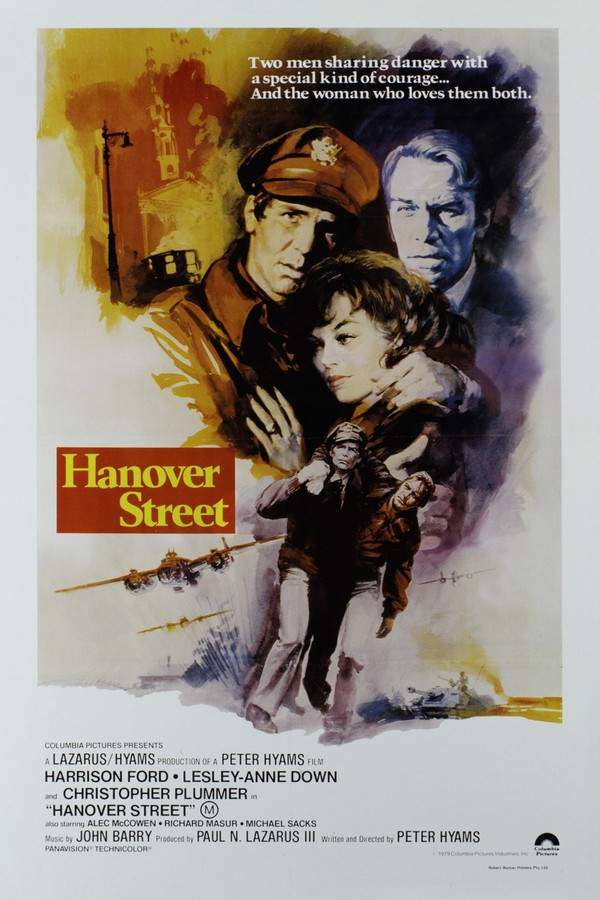
Hanover Street (1979) Detailed Story Recap
Close to the Enemy (1000) Story Summary & Characters
Battle Over Britain (2023) Spoiler-Packed Plot Recap
The War Lover (1962) Complete Plot Breakdown
The Way to the Stars (1945) Full Summary & Key Details
Mosquito Squadron (1969) Plot Summary & Ending Explained
Born to Love (1931) Full Summary & Key Details
This Above All (1942) Plot Summary & Ending Explained
Eagles Over London (1969) Complete Plot Breakdown
A Yank in the R.A.F. (1941) Spoiler-Packed Plot Recap
I Wanted Wings (1941) Full Movie Breakdown
Appointment with Venus (1951) Story Summary & Characters
Target for Tonight (1941) Movie Recap & Themes
One of Our Aircraft Is Missing (1942) Story Summary & Characters
Appointment in Berlin (1943) Complete Plot Breakdown