Anno Domini 1573
Year: 1975
Runtime: 145 mins
Language: Serbo-Croatian
Director: Vatroslav Mimica
In the latter half of the 16th century Europe was harsh, and peasants in Slovenia and Croatia faced constant Turkish raids and heavy taxes for defense. Ruthless local lords led by Franjo Tahi oppressed them, sparking the great 1573 peasant revolt, depicted in a film made for its 400th anniversary.
Warning: spoilers below!
Haven’t seen Anno Domini 1573 yet? This summary contains major spoilers. Bookmark the page, watch the movie, and come back for the full breakdown. If you're ready, scroll on and relive the story!
Timeline & Setting – Anno Domini 1573 (1975)
Explore the full timeline and setting of Anno Domini 1573 (1975). Follow every major event in chronological order and see how the environment shapes the story, characters, and dramatic tension.
Last Updated: October 04, 2025 at 19:19
Main Characters – Anno Domini 1573 (1975)
Meet the key characters of Anno Domini 1573 (1975), with detailed profiles, motivations, and roles in the plot. Understand their emotional journeys and what they reveal about the film’s deeper themes.
Last Updated: October 04, 2025 at 19:19
Major Themes – Anno Domini 1573 (1975)
Explore the central themes of Anno Domini 1573 (1975), from psychological, social, and emotional dimensions to philosophical messages. Understand what the film is really saying beneath the surface.
Last Updated: October 04, 2025 at 19:19

Explore Movie Threads
Discover curated groups of movies connected by mood, themes, and story style. Browse collections built around emotion, atmosphere, and narrative focus to easily find films that match what you feel like watching right now.
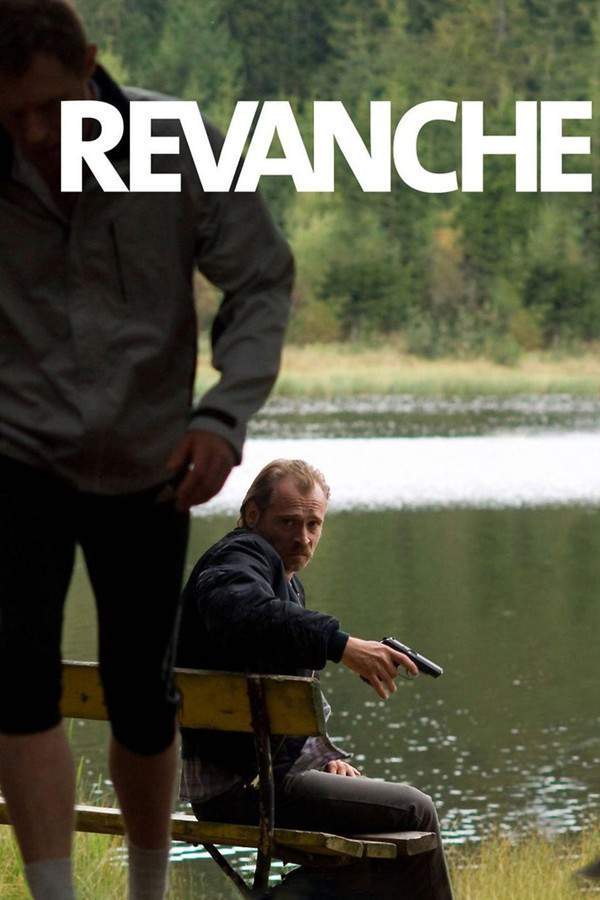
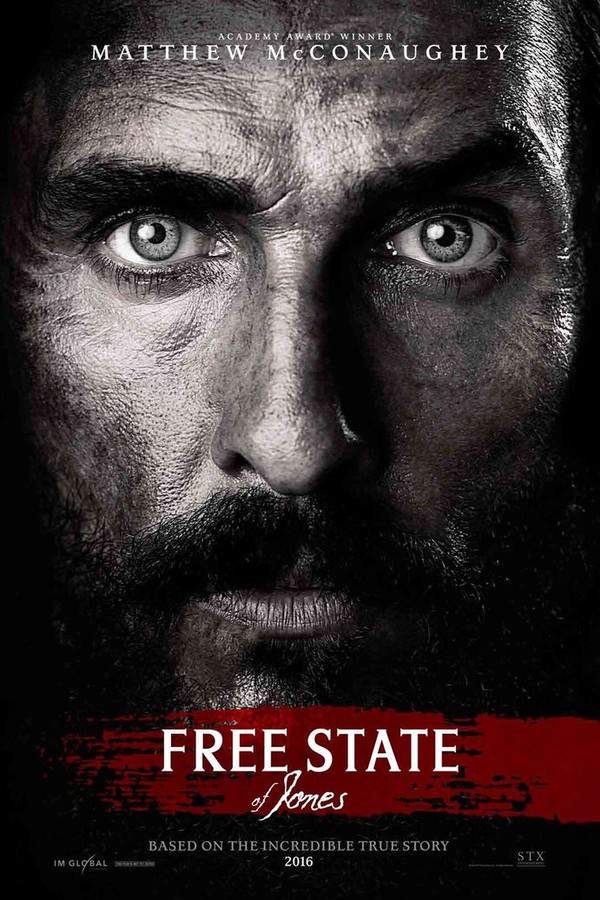
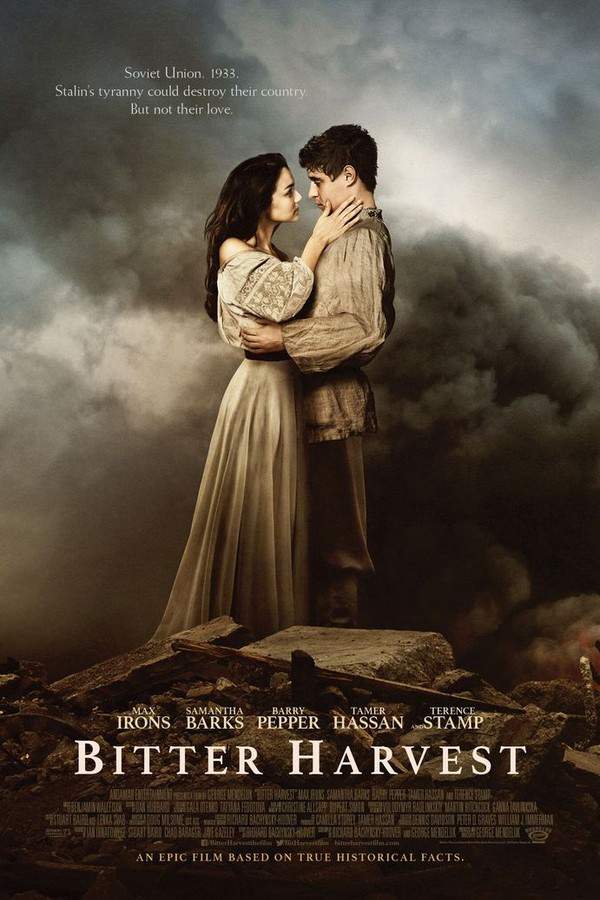
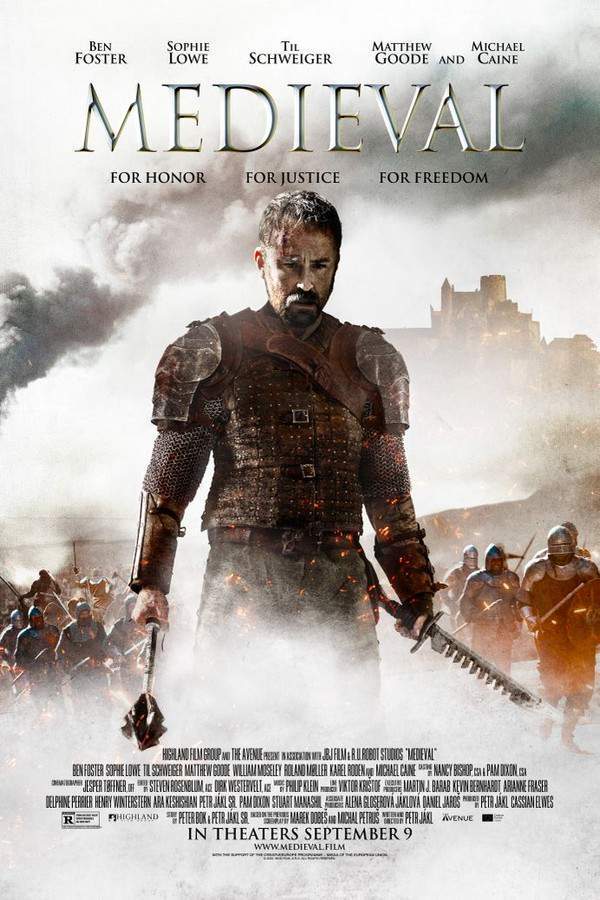
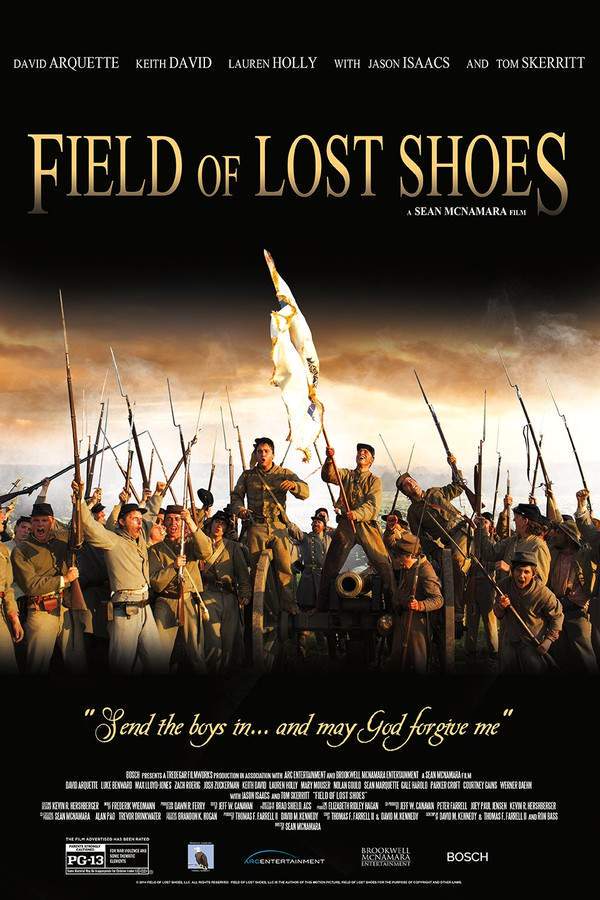
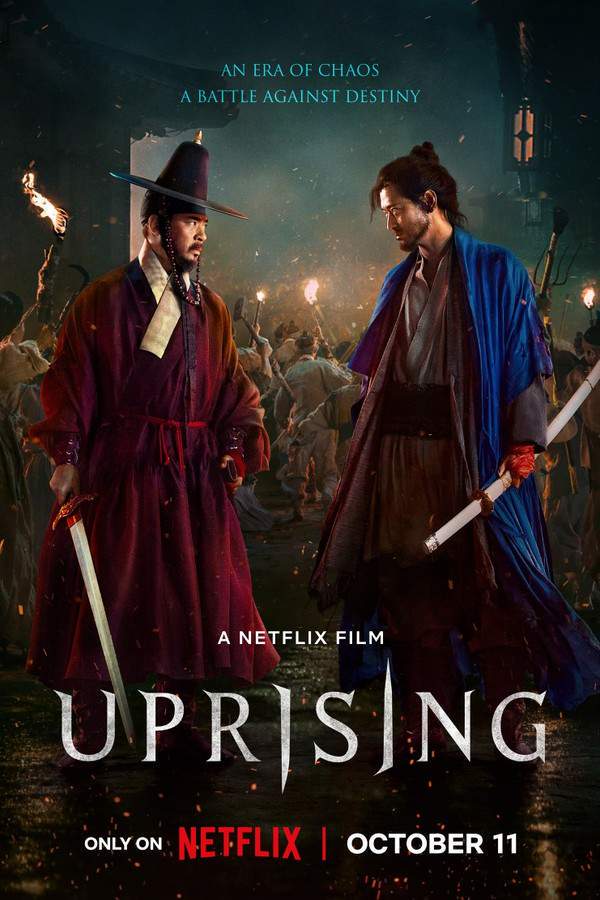
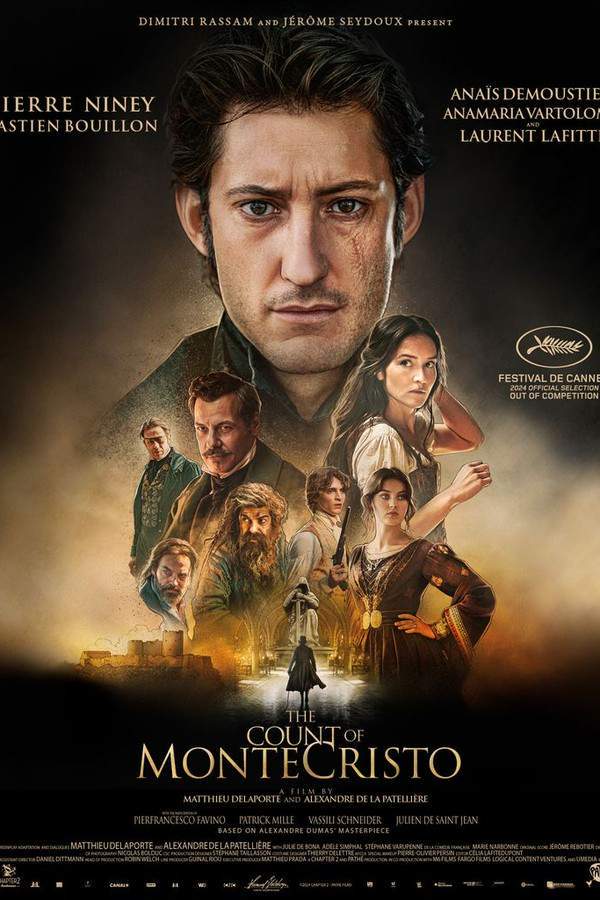
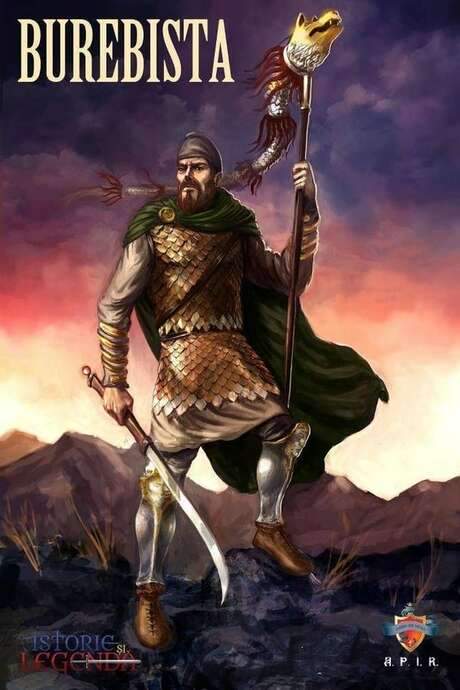
Movies about crushed rebellions with lasting hope like Anno Domini 1573
Stories of rebellions that fail physically but succeed in spirit.If you liked the tragic yet hopeful ending of Anno Domini 1573, explore similar historical dramas and war films. These movies focus on rebellions that are physically crushed but leave an enduring legacy of hope and resistance, perfect for viewers seeking emotionally heavy stories with bittersweet conclusions.


Narrative Summary
Narratives in this thread follow a clear arc: unbearable injustice sparks a desperate, organized rebellion. The revolt achieves initial success but is ultimately met with overwhelming force and brutally crushed. The ending, however, transcends pure tragedy by emphasizing that the act of rebellion itself becomes a symbol, inspiring future generations and ensuring the cause lives on.
Why These Movies?
Movies are grouped here because they share a specific emotional trajectory—building from oppression to violent uprising, culminating in a crushing defeat that is paradoxically uplifting. They balance the darkness of immediate failure with the light of long-term hope, creating a powerful and resonant bittersweet feeling.
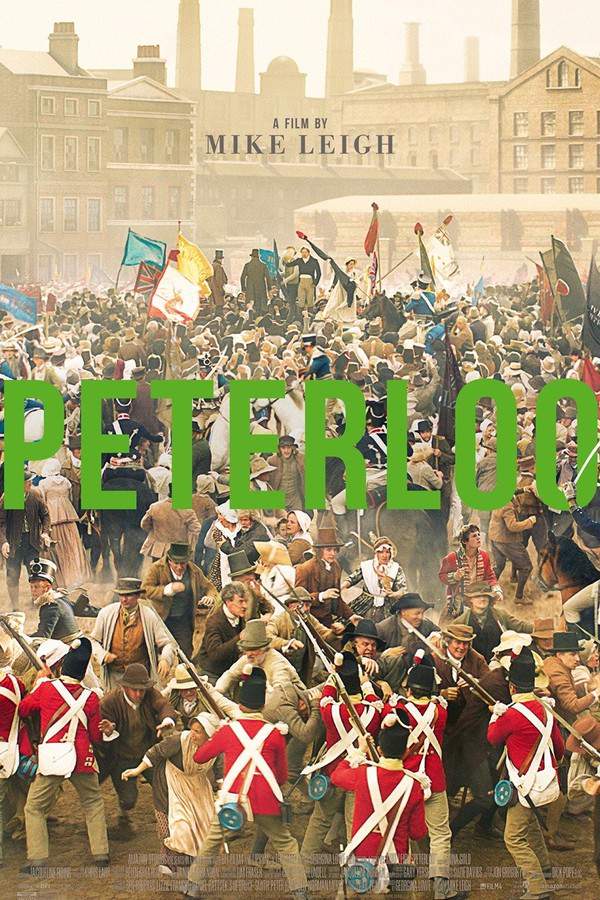
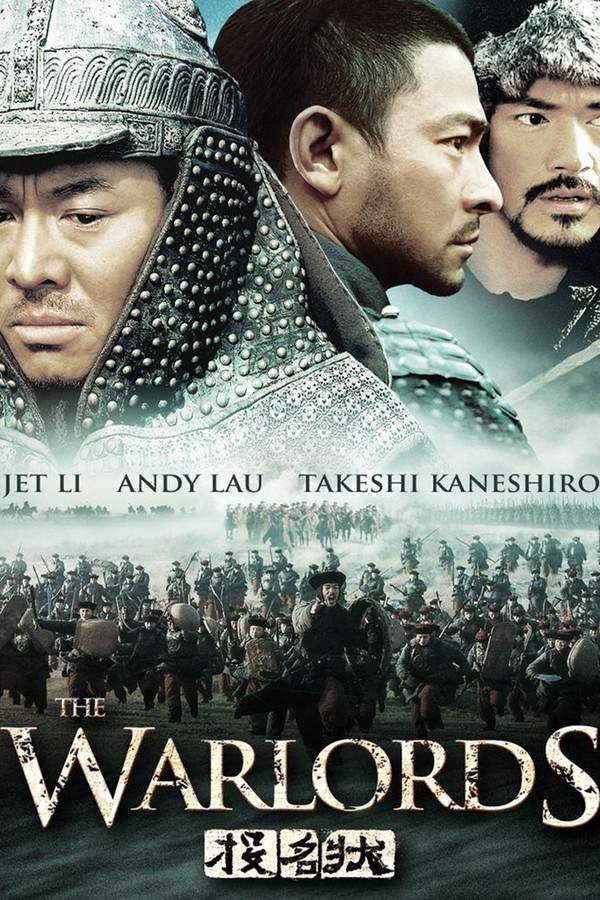
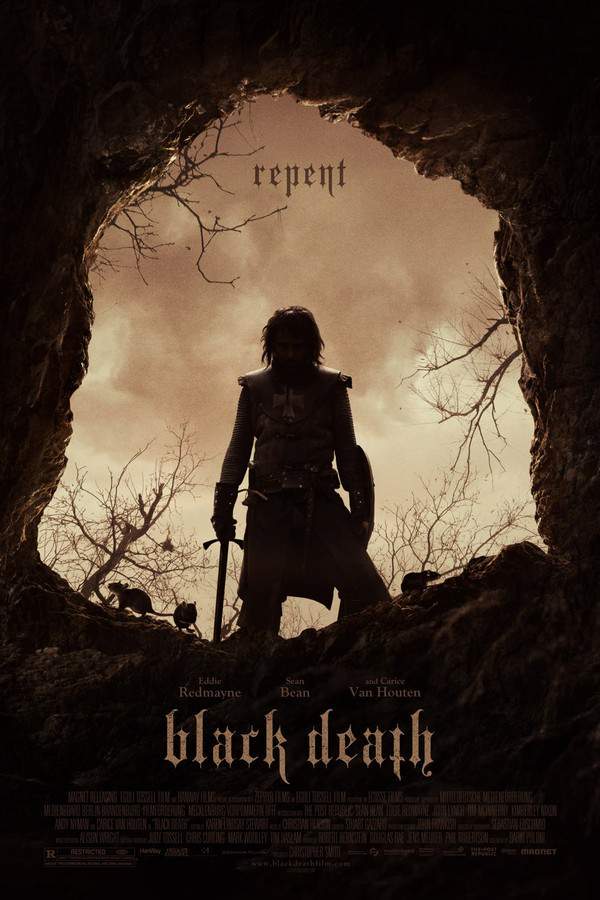
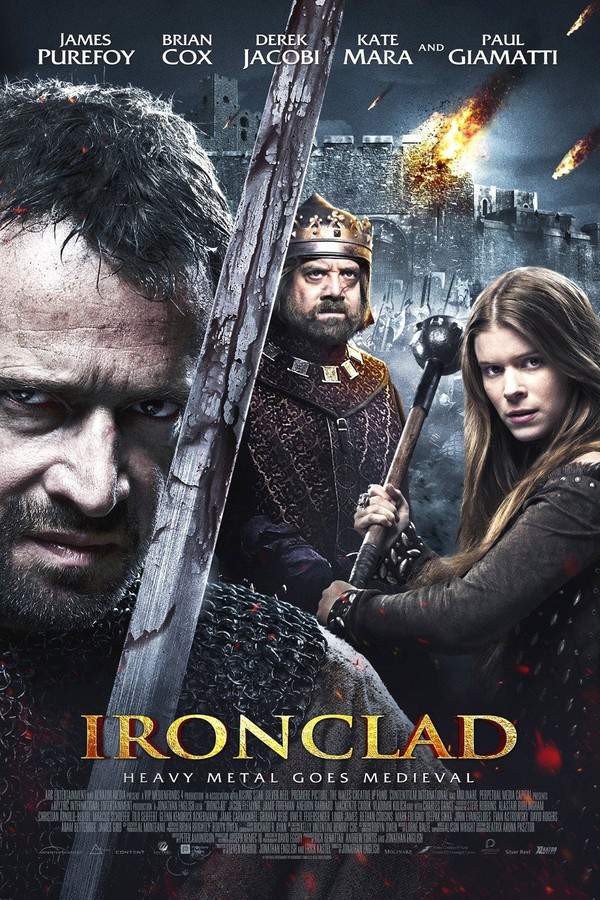
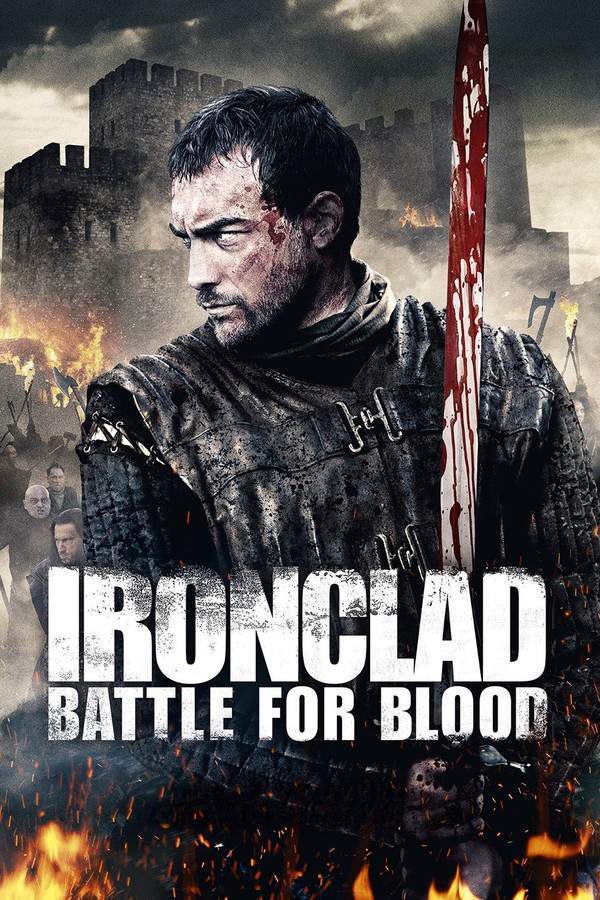
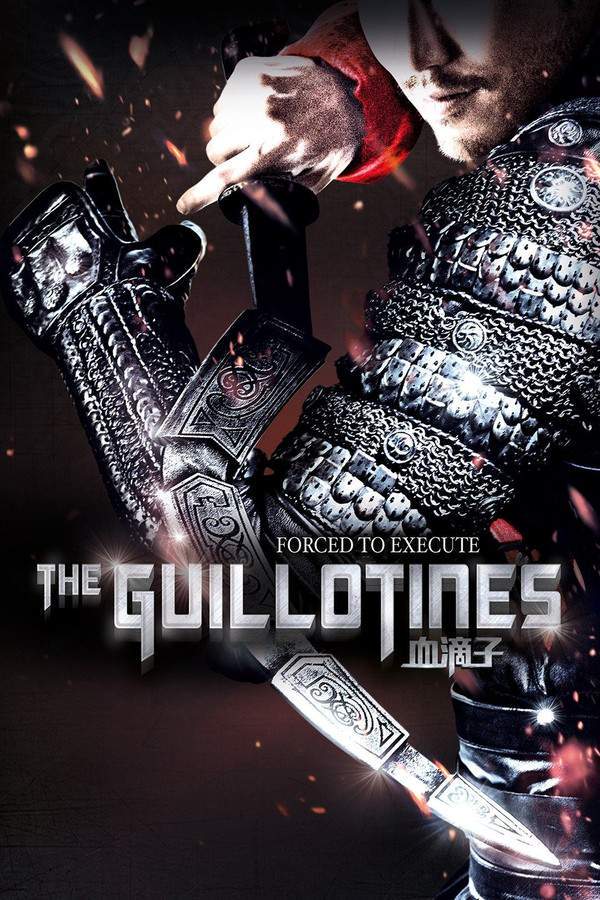
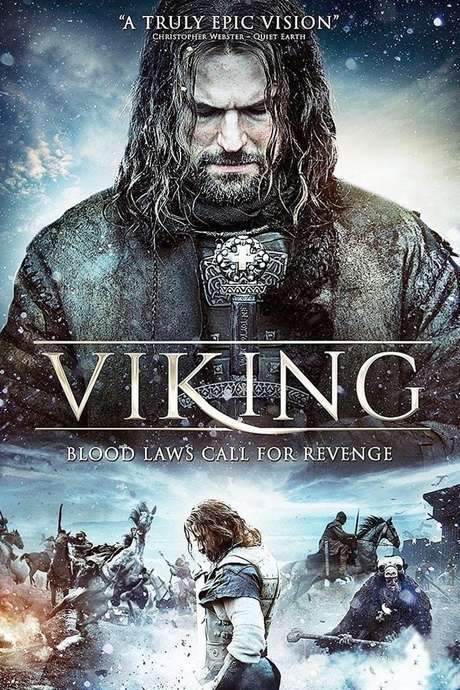
Grim historical dramas about oppression like Anno Domini 1573
Unflinching depictions of harsh historical periods and class struggle.For fans of the grim and oppressive atmosphere of Anno Domini 1573, this list features similar movies. Discover other stark historical dramas that realistically portray war, social injustice, and the harsh lives of peasants or lower classes, delivering a heavy, impactful viewing experience.




Narrative Summary
The narrative pattern is often straightforward, following characters navigating a brutally unfair world. The conflict arises from systemic forces—feudal lords, invading armies, or rigid class structures—rather than individual villains. The focus is on depicting the relentless pressure of oppression and the raw, often tragic, human response to it.
Why These Movies?
These films are grouped by their shared commitment to a dark, oppressive tone and a high-intensity depiction of historical suffering. They prioritize atmospheric realism over romanticism, creating a cohesive vibe defined by grim settings, heavy themes, and a steady, methodical pacing that immerses the viewer in a harsh world.
Unlock the Full Story of Anno Domini 1573
Don't stop at just watching — explore Anno Domini 1573 in full detail. From the complete plot summary and scene-by-scene timeline to character breakdowns, thematic analysis, and a deep dive into the ending — every page helps you truly understand what Anno Domini 1573 is all about. Plus, discover what's next after the movie.
Anno Domini 1573 Summary
Read a complete plot summary of Anno Domini 1573, including all key story points, character arcs, and turning points. This in-depth recap is ideal for understanding the narrative structure or reviewing what happened in the movie.

Anno Domini 1573 Timeline
Track the full timeline of Anno Domini 1573 with every major event arranged chronologically. Perfect for decoding non-linear storytelling, flashbacks, or parallel narratives with a clear scene-by-scene breakdown.