Anno Domini 1573

Anno Domini 1573

Year: 1975

Runtime: 145 mins

Language: Serbo-Croatian

Director: Vatroslav Mimica

DramaWarHistory

In the latter half of the 16th century Europe was harsh, and peasants in Slovenia and Croatia faced constant Turkish raids and heavy taxes for defense. Ruthless local lords led by Franjo Tahi oppressed them, sparking the great 1573 peasant revolt, depicted in a film made for its 400th anniversary.

Warning: spoilers below!

Haven’t seen Anno Domini 1573 yet? This summary contains major spoilers. Bookmark the page, watch the movie, and come back for the full breakdown. If you're ready, scroll on and relive the story!

Timeline – Anno Domini 1573 (1975)

Trace every key event in Anno Domini 1573 (1975) with our detailed, chronological timeline. Perfect for unpacking nonlinear stories, spotting hidden connections, and understanding how each scene builds toward the film’s climax. Whether you're revisiting or decoding for the first time, this timeline gives you the full picture.

1

Petar's father is slain in the forest by Tahy's men

Petar and his father are out in Baron Franjo Tahy's forest when Tahy's men ambush them. Petar's father is forced to strip naked, then is chased down and killed by Tahy's dogs. The brutal killing signals the start of Tahy's terror over the region.

1573 Baron Franjo Tahy's forest
2

Tahy's oppression reaches the village

Petar returns to his village to find Tahy’s men stripping resources from the peasants and taking what they want. The nobility's cruelty spreads, as even young women are taken to Tahy’s castle. Rumors spread of the Oathed Brotherhood, a movement of peasant leaders preparing to rise.

1573 Petar's village
3

Comedian troupe arrives and stirs trouble

A comedian troupe arrives in the village to mock the local nobility and church leadership, drawing crowds with their show. Tahy’s men approach, prompting the troupe to flee and hide. Petar begins to see them as potential allies in his search for the rebellion.

1573 Petar's village
4

Petar learns from Ilija Gregorić and becomes his squire

Petar encounters Ilija Gregorić, who is single-handedly fighting Imperial troops and killing them. Gregorić takes Petar in as his squire, and they travel together toward the next town.

shortly after the next town
5

Gregorić is captured; fate explained to Petar

En route, Gregorić is captured by Imperial soldiers just as an artist sketches him. Before he leaves, Gregorić tells Petar to head to a blacksmith to learn his fate.

soon after near a town
6

Escape and resolve to seek vengeance

Petar goes to the blacksmith and witnesses Gregorić escape from the soldiers. They flee together, with Gregorić planning to leave the area while Petar insists on staying to seek vengeance for his father.

soon after the blacksmith's vicinity
7

Rebel leaders gather and recruit Gregorić

Someone arrives with news that Gregorić is wanted at a meeting. At the gathering, Matija Gubec, Trgovac Mikula, and other peasant leaders reveal their plan to revolt and ask Gregorić to train and lead the troops.

before winter meeting hall
8

Winter mobilization and family joins the rebellion

Winter comes and the peasants, led by Gregorić and the other leaders, gather with their main force. Petar arrives with his mother and sisters among the rebels, and he joins the ranks with only a dagger.

winter peasant camp
9

Attack on Tahy's castle begins

The peasants march on Tahy's castle; Tahy underestimates them and sends servants to whip them away. The peasants press forward, Tahy hides, and the castle falls into their hands.

winter Tahy's castle
10

The rebellion proclaims independence

With the castle in rebel hands, the peasants issue a proclamation banning the nobility and the influence of the Roman Catholic Church, declaring independence from the nobility.

after castle takeover rebel camp
11

Mikula's trial and the artist is exposed

Mikula is brought forward on charges of confiscating property; Gubec orders his execution, insisting their goal is to change the customs of the nobles and ensure the peasant voice is heard. The plan continues, and it’s revealed that the artist who had drawn the leaders actually speaks Croatian, challenging a foreign facade.

after Mikula's case peasant camp
12

The Battle of Stubičko polje

News arrives that the Kaiser’s army is approaching. The peasant army defends Stubičko polje, luring a cavalry charge, then suffering a brutal turn as Imperial reinforcements arrive. The fighting brings heavy casualties, and Petar is wounded, losing an eye.

winter Stubičko polje
13

Aftermath: burnings, execution, and mock cheers

In the aftermath, Imperial and Roman Catholic authorities burn all records of the rebellion. Gubec is executed; brave rebels are paraded through the streets and taunted by nobles, culminating in Gubec's death as he endures a crown of hot metal before the throne is set aflame.

aftermath streets
14

Return home and a new life begins

Petar returns to his land, finds the blacksmith's location burned, and begins a new life with Regica. He fathers a child and adopts the role of a jester, continuing to entertain as a comedian after all.

post-rebellion Petar's homeland
15

Ending image: resistance endures in memory

Petar and Regica sing together as they walk among the executed peasants hanging from torture wheels, a stark reminder that the struggle for equality will endure. The film closes on a note of defiant resolve for a second fight to come.

end of film the land

Last updated: October 05, 2025 at 12:29

Was this helpful?

Anno Domini 1573 (1975) Timeline Questions Answered – Chronology FAQ

Find frequently asked questions about the Anno Domini 1573 (1975) timeline, including chronological order, nonlinear jumps, cause-and-effect links, and scene sequence clarifications. This timeline FAQ helps explain when key events happen, how moments connect, and why the story unfolds in that specific order.

Q1

Why does Petar's father have to strip before Tahy's dogs kill him?

A.

The forced stripping is a ritual of humiliation that underscores the absolute power the nobility held over peasants. Tahy treats the killing as a predatory sport, making the victim completely vulnerable and defenseless before the dogs. This brutal opening establishes the dehumanizing oppression that motivates the entire rebellion.

peasant oppressionhumiliationtahyviolence
Q2

Why is Mikula executed for theft when he's a founding member of the rebellion?

A.

Gubec orders Mikula's execution to prove the rebellion stands for genuine equality, not just replacing one tyranny with another. By holding even founding members accountable to the same laws, Gubec demonstrates the rebels intend to eliminate the corrupt noble customs that allowed the wealthy to steal without consequence. This principle matters more than Mikula's past contributions.

matija gubecmikulajusticeequalityrebel laws
Q3

What is the significance of Gubec's execution with the heated crown?

A.

The heated iron crown is a deliberately cruel torture designed to mock the idea of monarchy. Gubec is symbolically crowned as a false king before being burned alive on his throne, combining psychological humiliation with physical horror. This execution method reflects the Catholic Church and Imperial authorities' determination to erase not just Gubec's life but his legitimacy as a leader.

matija gubecexecutiontorturecrownhistorical punishment
Q4

Why does the peasant rebellion succeed at first but then fail at Stubičko polje?

A.

The initial success comes from Tahy's underestimation and the element of surprise, the nobles expected no resistance and their servants abandoned them. However, at Stubičko polje, Imperial reinforcements arrive and overwhelm the peasants despite their bravery. The rebellion lacks the military strength to sustain victory against a professional army, and the lack of proper weapons and training becomes fatal.

The rebellion's leaders had planned to strike during winter when peasants were most ready to rise, but they underestimated the Empire's military response time.

stubičko poljebattlepeasant rebellionimperial armydefeat
Q5

How does Petar lose his eye during the Battle of Stubičko polje?

A.

Petar is wounded fighting in the chaotic battle at Stubičko polje, losing an eye to Imperial troops. This injury marks him physically as a veteran of the rebellion's violent suppression. The wound symbolizes the permanent cost paid by those who participated, distinguishing him as someone who survived the fight but carries its permanent marks.

petarinjurybattlestubičko poljewound
Q6

Why does it matter that the artist speaking Croatian is revealed?

A.

The revelation that the visiting artist who drew the rebel leaders actually speaks Croatian challenges the foreign pretension of the nobles and Church. It suggests that truth and courage come from within the local people rather than from outside forces. This moment reinforces the film's theme that the peasants must rely on their own strength and identity.

Earlier, the artist was shown sketching Gregorić while he was captured, appearing to be a neutral foreign observer.

artistcroatianidentitytruthrebellion theme
Q7

Why do the peasants plan to rebel during winter rather than another season?

A.

The rebellion waits for winter because that's when peasants are most desperate and ready to rise against oppression. With food scarce and the harsh season making survival difficult anyway, the peasants have less to lose by fighting. The winter conditions also work to the rebels' advantage as the nobility's forces become stretched thin.

winterrebellion timingpeasant uprisingdesperate times
Q8

Why does Tahy take virgin girls to his castle?

A.

Tahy seizes young women from the village as part of his absolute exploitation of the peasants. This represents the complete power imbalance where the nobility treat common people as property to be taken at will. The detail establishes the depth of oppression that makes rebellion the only option, showing the personal violations peasants endure.

tahyoppressionabusenobilityexploitation
Q9

Why does Petar decide to become Ilija Gregorić's squire?

A.

Petar is impressed by Gregorić's courage when he witnesses the warrior fighting Imperial troops single-handedly. After losing his father, Petar is seeking purpose and a way to avenge his death. Gregorić offers him both martial training and a path to the growing rebellion, making him the ideal mentor for Petar's transformed identity.

petarilija gregorićsquiretrainingrevenge
Q10

Why does the rebellion ban both the nobility and the Catholic Church?

A.

The proclamation bans the nobility and the Roman Catholic Church because both institutions are seen as oppressive forces keeping peasants in servitude. The Church justified noble authority through divine right, while the nobility enforced it through military power. Declaring independence from both represents the rebels' goal of complete social restructuring, not just replacing one ruler with another.

rebellionproclamationchurchnobilityindependence
Q11

What does the blacksmith mean when he tells Petar to learn his fate?

A.

The blacksmith guides Petar toward Gregorić and ultimately toward the rebellion, suggesting that Petar's destiny is tied to the larger cause of peasant liberation. Rather than living as a hunted victim, Petar must choose to fight. This encounter marks Petar's transition from an individual seeking revenge to a soldier in a collective movement.

blacksmithfatepetarguidancerebellion
Q12

What happens to Petar and Regica after the rebellion is crushed?

A.

Petar returns to find his home damaged and the blacksmith's workshop burned, but he begins a new life with Regica. They become performers, with Petar adopting the jester role the comedian troupe once held. They have a child together and continue singing their defiant message among the executed peasants, symbolizing that the struggle for equality survives even in defeat.

petarregicaendingsurvivalhope
Q13

Why does the film end with Petar and Regica walking among the hanged peasants?

A.

The final image shows the hanged victims as a stark reminder that the authorities failed to erase the rebellion's memory. By walking among them defiantly and singing about a second fight to come, Petar and Regica embody the film's theme that oppression cannot fully crush resistance. The executed become symbols rather than forgotten casualties.

endinghangedmemorydefianceresistance
Mobile App Preview

Coming soon on iOS and Android

The Plot Explained Mobile App

From blockbusters to hidden gems - dive into movie stories anytime, anywhere. Save your favorites, discover plots faster, and never miss a twist again.

Sign up to be the first to know when we launch. Your email stays private, always.

Explore Movie Threads

Discover curated groups of movies connected by mood, themes, and story style. Browse collections built around emotion, atmosphere, and narrative focus to easily find films that match what you feel like watching right now.

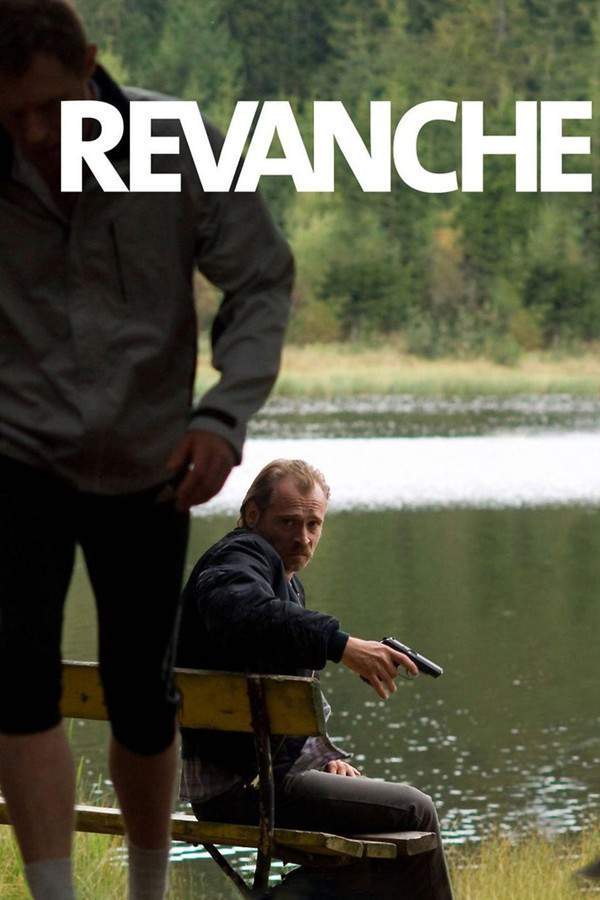
Movies about crushed rebellions with lasting hope like Anno Domini 1573

Stories of rebellions that fail physically but succeed in spirit.If you liked the tragic yet hopeful ending of Anno Domini 1573, explore similar historical dramas and war films. These movies focus on rebellions that are physically crushed but leave an enduring legacy of hope and resistance, perfect for viewers seeking emotionally heavy stories with bittersweet conclusions.

rebellioustragichopefulsombergrimdefiantcathartic

Narrative Summary

Narratives in this thread follow a clear arc: unbearable injustice sparks a desperate, organized rebellion. The revolt achieves initial success but is ultimately met with overwhelming force and brutally crushed. The ending, however, transcends pure tragedy by emphasizing that the act of rebellion itself becomes a symbol, inspiring future generations and ensuring the cause lives on.

Why These Movies?

Movies are grouped here because they share a specific emotional trajectory—building from oppression to violent uprising, culminating in a crushing defeat that is paradoxically uplifting. They balance the darkness of immediate failure with the light of long-term hope, creating a powerful and resonant bittersweet feeling.

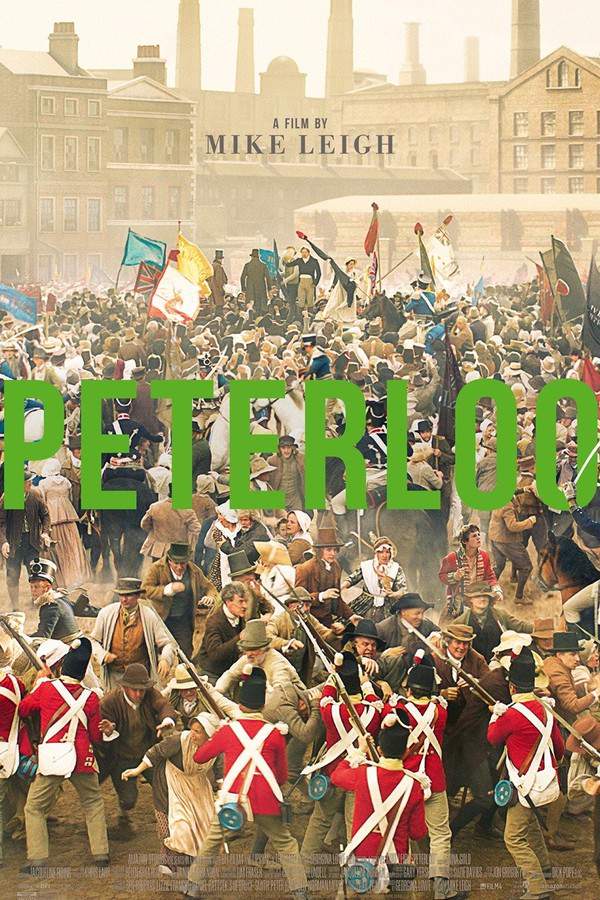
Grim historical dramas about oppression like Anno Domini 1573

Unflinching depictions of harsh historical periods and class struggle.For fans of the grim and oppressive atmosphere of Anno Domini 1573, this list features similar movies. Discover other stark historical dramas that realistically portray war, social injustice, and the harsh lives of peasants or lower classes, delivering a heavy, impactful viewing experience.
grimoppressivebrutalsomberhistoricalrealistictragicheavy

Narrative Summary

The narrative pattern is often straightforward, following characters navigating a brutally unfair world. The conflict arises from systemic forces—feudal lords, invading armies, or rigid class structures—rather than individual villains. The focus is on depicting the relentless pressure of oppression and the raw, often tragic, human response to it.

Why These Movies?

These films are grouped by their shared commitment to a dark, oppressive tone and a high-intensity depiction of historical suffering. They prioritize atmospheric realism over romanticism, creating a cohesive vibe defined by grim settings, heavy themes, and a steady, methodical pacing that immerses the viewer in a harsh world.

Unlock the Full Story of Anno Domini 1573

Don't stop at just watching - explore Anno Domini 1573 in full detail. From the complete plot summary and scene-by-scene timeline to character breakdowns, thematic analysis, and a deep dive into the ending - every page helps you truly understand what Anno Domini 1573 is all about. Plus, discover what's next after the movie.

Anno Domini 1573 Summary

Read a complete plot summary of Anno Domini 1573, including all key story points, character arcs, and turning points. This in-depth recap is ideal for understanding the narrative structure or reviewing what happened in the movie.

Anno Domini 1573 Summary

Characters, Settings & Themes in Anno Domini 1573

Discover the characters, locations, and core themes that shape Anno Domini 1573. Get insights into symbolic elements, setting significance, and deeper narrative meaning - ideal for thematic analysis and movie breakdowns.
Characters, Settings & Themes in Anno Domini 1573

Anno Domini 1573 Spoiler-Free Summary

Get a quick, spoiler-free overview of Anno Domini 1573 that covers the main plot points and key details without revealing any major twists or spoilers. Perfect for those who want to know what to expect before diving in.

Anno Domini 1573 Spoiler-Free Summary

More About Anno Domini 1573

Visit What's After the Movie to explore more about Anno Domini 1573: box office results, cast and crew info, production details, post-credit scenes, and external links - all in one place for movie fans and researchers.

More About Anno Domini 1573