Plot Explained Spoilers guaranteed!
Plot Explained

Browse by genre

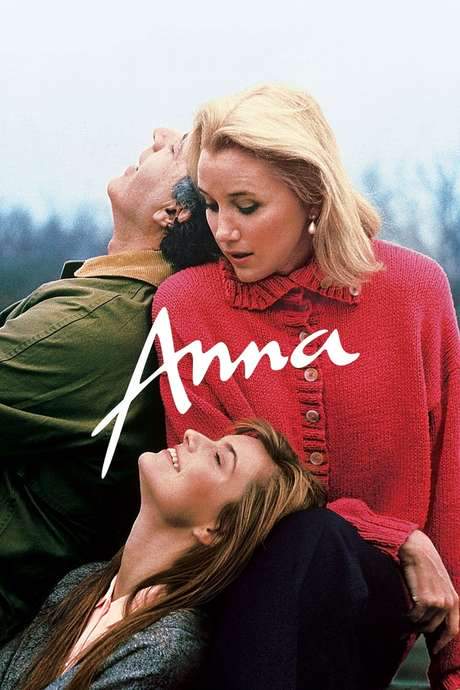
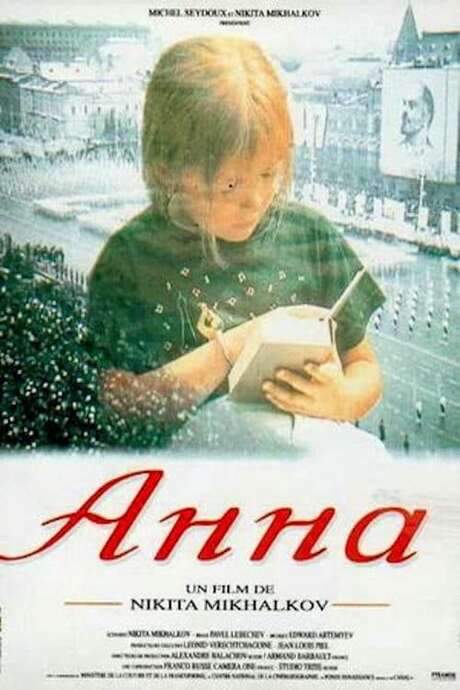
Anna Karamazoff (1991) movie poster

Timeline

Anna Karamazoff (1991) Timeline Explained – Every Event in Order

Release, runtime and language
1991 · 125 mins · Russian
Directed by
Rustam Khamdamov
Starring
Jeanne Moreau, Anna Aleksakhina, Aleksandr Feklistov, Aleksandr Zuev, Vladislav Vetrov, Olga Orlova

The film is notable for containing the complete surviving footage of Sergei Solovyov’s unfinished 1974 project Slave of Love, later remade by Nikita Mikhalkov. Its framing story follows a woman (Jeanne Moreau) released from 1940s Soviet prison camps, confronting a society that no longer recognizes her. Lush, surreal imagery dominates, making the plot secondary.

On this page (6)
  1. 1 Events in order (14)
  2. 2 Timeline questions answered
  3. 3 Movie threads
  4. 4 Movies like Anna Karamazoff
  5. 5 Categories
  6. 6 Every angle

14 events in order · contains spoilers

Anna Karamazoff Timeline: Events in Chronological Order

Every key event of Anna Karamazoff (1991) in order, scene by scene, with when and where it takes place. Use it to untangle flashbacks, time jumps and parallel storylines, to refresh your memory before the sequel or to find the exact scene you are thinking of.

  1. Return from the labor camp to Leningrad

    Anna returns from the labor camp to Leningrad, starting a fragile reintegration into a city that has changed around her. During the train ride she keeps a diary and weighs an uncertain future in the aftermath of her ordeal. The moment hints at the personal distances she must navigate to rebuild her life.

    When
    1949
    Where
    Train to Leningrad
  2. Mysterious young man shoots at Anna with an imaginary bow

    On the train, a young man covered in liquid clay appears and fires at Anna with an imaginary bow. The surreal act underscores the danger and dreamlike disorientation of the postwar setting. The encounter unsettles Anna as she continues toward her destination.

    When
    1949
    Where
    Train
  3. Anna arrives to find three Uzbek women in her apartment

    Anna reaches her apartment only to find it already inhabited by three Uzbek women. One of them, Tatiana Drubich's character, tries to pull a milk tooth from a child, adding a disturbing, unsettling mood. The scene marks a sudden rupture in Anna's sense of home.

    When
    1949
    Where
    Apartment, Leningrad
  4. Communal apartment investigation and hidden documents

    Anna goes to a communal apartment where her documents were once hidden. A child speaks from behind a door, claiming to be alone and unable to open it. Anna is eventually recognized and admitted inside, where two men and a woman who had pretended to be the child live. The chest with the documents has been burned.

    When
    1949
    Where
    Communal apartment
  5. Visit to mad grandmother's house

    Later, Anna visits a house where a mad grandmother lives with her grandsons, Alexander and Mari. She helps pull a tooth from the boy, and the house is filled with avant-garde artworks. The unsettling environment foreshadows deeper revelations about family and memory.

    When
    1949
    Where
    Grandmother's house
  6. Learning of mother's death

    Anna learns of her mother's death, Maria Alexandrovna, at the grandmother's place. The news deepens her sense of loss and pushes her toward seeking a gravesite. The moment links personal tragedy to the larger search for memory.

    When
    1949
    Where
    Grandmother's house
  7. Mari's clue to mother's grave and the Big Black Dog Kaplan

    Mari explains how to find Anna's mother's grave, saying the Big Black Dog Kaplan will show the way. The dog Greta, a double for Anna in scenes with the dog, accompanies the guidance as a symbolic guardian. This moment marks a shift from domestic intrigue to a quest for memory.

    When
    1949
    Where
    City outskirts to cemetery
  8. At the cemetery the big black dog leads Anna

    Anna goes to the cemetery where a pioneer is being buried. The Big Black Dog Kaplan (Greta) passes by and marks her presence, guiding her toward the search for her mother's grave. The dog is a recurring symbolic presence in her journey.

    When
    1949
    Where
    Cemetery
  9. Chasing the rabbit boy to the cinema and a fragmented film

    Returning to the city, Anna spots a boy in a rabbit costume and chases him into a cinema. There she discovers a black-and-white film that intercuts fragments from Khodjamirov's Unexpected Joys, featuring actresses Natasha and Lena who collect carpets. The dreamlike film within the film mirrors Anna's unraveling reality.

    When
    1949
    Where
    Cinema
  10. The carpet legend and the front-line experiment

    In the cinema, two sisters learn a legend about a magical carpet and decide to test it at the front with the blood of an innocent victim. They travel to the front hoping to revive belief by spilling blood on the carpet. The affair escalates as the plan encounters fatal and tragic consequences.

    When
    1949
    Where
    Front line
  11. Prokudin-Gorsky spills blood and dies; belief fades

    Prokudin-Gorsky agrees to fulfill the plan but ends up spilling his own blood on the carpet and is killed with a sabre. Despite the spectacle, the belief is not revived, and the ruse collapses. The event underscores the futility and danger of manufactured myth.

    When
    1949
    Where
    Front line
  12. Plan to kill the retired officer; poisoning and robbery

    Anna meets Viktor Sibilev, a struggling musician, and they plot to kill and rob a rich retired officer who had previously denounced Anna. Anna carries poison from the labor camp and they acquire Crimean apples to administer it. After a successful poisoning, Anna robs the officer but escapes when his wife returns.

    When
    1949
    Where
    Yeliseevsky store, officer's home
  13. The theatre episode and stolen clothes

    Anna and the young man go to a theater where she leaves the purse in a box. The bag begins to swell, and she descends into a flooded toilet to discard the stolen clothes to an old cleaning lady. The sequence underscores the moral ambiguity and desperation of Anna's choices.

    When
    1949
    Where
    Theatre
  14. Lenin portrait and the final omen

    A passing train causes a Lenin portrait to fall and break in the young man's house, accompanied by the cry 'Sesame, open up!' This final odd moment frames the permeable boundary between reality and illusion in Anna's world. It closes on a note of mystery rather than resolution.

    When
    1949
    Where
    Young man's house

Last updated: October 09, 2025 at 14:29

Was this helpful?

Timeline questions answered

Anna Karamazoff Timeline Explained: Your Questions Answered

When does it happen, and why in that order? The questions people ask about the chronology of Anna Karamazoff (1991): time jumps, flashbacks, cause and effect between scenes and the correct order of events, each answered with spoilers.

Q1

Why does Anna decide to poison and rob the retired officer?

Anna targets the officer because she remembers he had once written a denunciation against her, leading to her imprisonment in the labor camps. When she meets the impoverished young man Viktor Sibilev, they scheme together to kill the wealthy officer as an act of revenge for her past betrayal and as a means to obtain money for their survival in postwar Leningrad.

  • anna
  • viktor sibilev
  • poison
  • revenge
  • officer
  • denunciation
  • labor camp
Q2

What is the significance of the Big Black Dog Kaplan in the story?

The black dog Kaplan (named Greta) serves as a symbolic guide in Anna's quest to find her mother's grave. The girl Mari tells Anna that 'the Big Black Dog, Kaplan, she will show you the way,' and at the cemetery, the dog appears and leads Anna toward her mother's burial site. The film notes indicate Greta functions as a double for Anna herself, representing her search for memory and the past.

  • kaplan
  • greta
  • black dog
  • mother's grave
  • symbolism
  • guide
Q3

What does the carpet legend in the film-within-a-film represent?

Inside the cinema, Anna watches a fragmented film where two sisters learn a legend about a magical carpet that can revive belief if innocent blood is spilled on it. They travel to the front line to test this legend, but the experiment fails when Prokudin-Gorsky spills his own blood and dies. This meta-narrative mirrors Anna's own journey, attempts to revive faith or meaning through sacrifice and violence ultimately fail, reflecting the film's themes of disillusionment.

  • carpet
  • film within film
  • prokudin-gorsky
  • belief
  • sacrifice
  • disillusionment
Q4

Why does Anna's purse begin to swell at the theater?

After the murder and robbery, Anna leaves the stolen purse in a theater box, and it mysteriously begins to swell with some unseen force. This surreal moment symbolizes the weight of Anna's guilt and stolen identity, she is literally burdened by her crimes. The swelling purse marks a turning point where she begins to shed this identity.

  • purse
  • theater
  • swelling
  • guilt
  • identity
  • surreal
Q5

Why is Anna recognized at the communal apartment?

When Anna goes to the communal apartment where her documents were once hidden, a child speaks to her from behind a door, claiming to be alone. After Anna tries to leave, she is recognized and admitted inside. Two men and a woman (who had been pretending to be the child) are waiting. This recognition suggests someone from Anna's past still remembers her, though the specific identity of who recognized her remains ambiguous in the dreamlike narrative.

  • communal apartment
  • recognition
  • documents
  • child
  • hidden
Q6

What is the significance of the Lenin portrait falling at the end?

At the young man's house, a passing train causes a portrait of young Vladimir Lenin to fall from the wall and crack. This occurs alongside the mysterious chant 'Sesame, open up!', referencing the Ali Baba fairy tale. The scene suggests the collapse of Soviet ideological certainties and the opening of hidden thresholds in Anna's life. It reinforces the film's permeable boundary between reality and illusion.

  • lenin portrait
  • train
  • sesame open up
  • collapse
  • ideology
  • illusion
Q7

Why does Anna discard the stolen clothes at the theater?

After murdering the officer and stealing his possessions, Anna descends into a flooded toilet at the theater and passes the stolen clothes to an elderly cleaning lady. This surreal act symbolizes her deliberate shedding of the criminal identity she briefly assumed for the robbery. She emerges purified of that role, though the murder itself remains on her conscience.

  • stolen clothes
  • theater
  • flooded toilet
  • purging
  • identity
  • escape
Q8

What happened to the chest of documents Anna was searching for?

Anna goes to a communal apartment searching for a hidden chest containing her important documents. When she finally enters, she discovers the chest has already been burned. The documents, likely proof of her identity or property rights, are gone, leaving her in a state of bureaucratic nonexistence in postwar Leningrad.

  • documents
  • chest
  • burned
  • communal apartment
  • identity
  • leningrad
Q9

Why does the young man on the train shoot at Anna with an imaginary bow?

On the train to Leningrad, a young man covered in liquid clay and wearing a women's purse on his belt fires an imaginary bow at Anna. This surreal encounter foreshadows the film's dreamlike logic and establishes the danger lurking in Anna's postwar world. The young man (Victor Sibilyov) later becomes her accomplice in the murder scheme, making this first meeting a ominous prefiguration of their criminal partnership.

  • victor sibilyov
  • imaginary bow
  • train
  • liquid clay
  • surreal
  • danger
Q10

What does the ending phrase 'Sesame, open up!' mean in the film?

When the Lenin portrait falls and cracks, a voice cries out 'Sesame, open up!', the magic phrase from Ali Baba and the Forty Thieves that opens hidden caves. This references the fairy tale's theme of hidden treasure and forbidden chambers. In context, it suggests that the collapse of Soviet iconography is opening mysterious new possibilities for Anna, though whether this leads to freedom or deeper entrapment remains ambiguous.

  • sesame open up
  • ali baba
  • lenin portrait
  • ending
  • freedom
  • hidden
Q11

What is the meaning of the tooth-pulling scenes in the film?

The film features multiple unsettling tooth-pulling moments: first when Tatyana Drubich's character tries to pull a milk tooth from a child in Anna's apartment, then later when Anna helps pull a tooth from the boy Alexander at the grandmother's house. These painful rituals in cramped, tense settings symbolize the extraction of memory, the loss of childhood innocence, and the brutal nature of survival in postwar Soviet society.

  • tooth pulling
  • ritual
  • memory
  • innocence
  • brutality
  • survival
Q12

Why does Anna return to Leningrad after the labor camp?

In 1949, Anna Aleksakhina returns from Soviet labor camps to Leningrad, her hometown. She carries a diary on the train, contemplating an uncertain future. She returns to find her apartment occupied, her documents destroyed, and a society that no longer recognizes her. This homecoming represents her attempt to reclaim her life and identity, but she discovers that the city, and her place in it, has fundamentally changed.

  • labor camp
  • leningrad
  • return
  • 1949
  • identity
  • homecoming

Movie threads

More Movies Like Anna Karamazoff, by Mood & Story

Curated lists built around what makes Anna Karamazoff tick: the same mood, the same kind of story or the same emotional payoff. Each list explains why these movies belong together.

Surreal and melancholic movies like Anna Karamazoff

Dreamlike journeys through psychological landscapes of loss and alienation. If you liked the dreamlike, melancholic atmosphere of Anna Karamazoff, explore other films that use surrealism to depict fractured psyches and emotional landscapes. These movies prioritize mood, symbolism, and artful imagery over straightforward plots, offering a similar immersive experience.

  • surreal
  • melancholic
  • dreamlike
  • reflective
  • oppressive
  • lonely
  • Tone: melancholic, dreamlike, reflective
  • Pacing: slow, deliberate, atmospheric
Why these movies?

The story pattern: Narratives in this thread often follow protagonists grappling with profound loss, trauma, or a fractured sense of self. The story unfolds through a series of symbolic or vignette-like sequences rather than a tight plot, creating a journey that feels more psychological than physical. The central conflict is often internal, projected onto a world that feels unstable and dreamlike.

Why they belong together: These films are grouped together because they share a core approach: using surrealism not just as a stylistic flourish, but as the primary lens to examine heavy themes like grief, memory, and alienation. They create a cohesive, melancholic vibe through slow pacing, complex imagery, and an emotional weight that lingers.

Movies about post-traumatic alienation like Anna Karamazoff

Characters navigating shattered realities after profound personal upheaval. For viewers who appreciated Anna Karamazoff's exploration of a character returning from trauma to an unrecognizable society, this thread features similar stories of psychological re-entry. These films share a complex, reflective tone and an ambiguous ending feel, focusing on the character's internal journey over external action.

  • psychological
  • lonely
  • reflective
  • oppressive
  • grief
  • alienation
  • Tone: melancholic, bleak, reflective
  • Pacing: slow, character-driven
Why these movies?

The story pattern: The narrative pattern involves a protagonist returning from a life-altering event (war, imprisonment, etc.) to a changed world. Their journey is less about a clear goal and more about processing their trauma, often leading to morally complex actions and an inconclusive resolution. The plot is character-driven and psychologically complex, demanding audience interpretation.

Why they belong together: These movies are connected by their focus on the ambiguous and complicated process of coping with severe trauma. They share a heavy emotional weight, a melancholic or bleak tone, and a narrative complexity that mirrors the fractured psyche of the protagonist, resulting in a similarly powerful and reflective viewing experience.

If you liked this

Movies Like Anna Karamazoff

Similar movies to Anna Karamazoff: the same genre, themes or kind of story. Each one comes with its own plot summary, timeline and ending explained.

Browse all movie summaries

Categories

Movie Lists Featuring Anna Karamazoff

Anna Karamazoff appears in these hand-built movie categories. Each one groups movies by a specific mood, theme or story type, with their plot summaries and endings explained.

View all movie categories

Every angle

Anna Karamazoff (1991) Explained: Plot, Timeline & Characters

Everything about Anna Karamazoff in one place: what happens in the plot summary, the timeline in chronological order, the characters and meaning and a spoiler-free summary. What's After the Movie adds the cast, box office and post-credit scenes.

Coming soon on iOS and Android

The Plot Explained Movie Summary App

Plot summaries, endings explained and timelines on your phone. Catch up on any movie in minutes, save your favorites and never miss a twist again.

Be the first to know when we launch. Your email stays private, always.

Learn more about the app