Plot Explained Spoilers guaranteed!
Plot Explained

Browse by genre

Anna Karamazoff (1991) movie poster

Characters & Themes

Anna Karamazoff (1991) Characters, Setting & Themes Explained

Release, runtime and language
1991 · 125 mins · Russian
Directed by
Rustam Khamdamov
Starring
Jeanne Moreau, Anna Aleksakhina, Aleksandr Feklistov, Aleksandr Zuev, Vladislav Vetrov, Olga Orlova

The film is notable for containing the complete surviving footage of Sergei Solovyov’s unfinished 1974 project Slave of Love, later remade by Nikita Mikhalkov. Its framing story follows a woman (Jeanne Moreau) released from 1940s Soviet prison camps, confronting a society that no longer recognizes her. Lush, surreal imagery dominates, making the plot secondary.

On this page (8)
  1. 1 Characters explained (13)
  2. 2 Where & when it takes place
  3. 3 Themes & meaning (4)
  4. 4 Character & meaning questions
  5. 5 Movie threads
  6. 6 Movies like Anna Karamazoff
  7. 7 Categories
  8. 8 Every angle

13 main characters · contains spoilers

Anna Karamazoff Characters Explained: Who Is Who

The main characters of Anna Karamazoff (1991), heroes and villains: what drives them, how they change over the course of the story and what each of them reveals about the film's bigger ideas.

  • Anna

    A woman returning from a labor camp, she carries a diary and navigates a web of unfamiliar apartment life after her documents vanish. Her search for her mother's grave sets her on a morally ambiguous path, and she often appears torn between risk and necessity. The character embodies uncertainty about her future in a society still reeling from war.

    • 🧭 Identity
    • 🕊️ Survival
    • 🗝️ Memory
  • Man with imaginary bow (Pyotr Mamonov)

    A surreal figure who shoots at Anna with an imaginary bow while he is described as a young man covered in liquid clay and wearing a women's purse on his belt. His presence introduces a dreamlike, threatening tone that punctuates Anna's journey.

    • 🎭 Surreal
    • ⚔️ Threat
    • 🧩 Mystery
  • Unnamed Man (Aleksandr Feklistov)

    One of the two men in the communal apartment who interacts with Anna and other residents, adding to the claustrophobic and enigmatic atmosphere of postwar living.

    • 🧭 Ambiguity
    • 🗝️ Intrigue
    • 🏢 Urban life
  • Uzbek Woman (Tatiana Drubich)

    played by Tatyana Drubich

    One of the three Uzbek women inhabiting the apartment, contributing to the sense of crowded, tense communal living and adding cultural texture to the postwar setting.

    • 🌍 Cultural diversity
    • 🏢 Shared spaces
    • 🧩 Tension
  • Grandmother Maria Kapnist

    played by Mariya Kapnist

    A mad grandmother living with her grandsons in a house filled with avant-garde art. She reveals the death of Anna's mother and guides the younger generation through a maze of memory and motive.

    • 🎭 Eccentric
    • 🕰️ Legacy
    • 🧩 Generations
  • Alexander (Aleksandr Slastin)

    A grandson living in a household of art and eccentricity; his interactions with Anna and Mari reflect a playful yet dangerous postwar environment.

    • 👦 Youth
    • 🧭 Curiosity
  • Mari (Mariya Vinogradova)

    A young girl in the household who shares information about her mother's grave and contributes to the film's sense of lost family and memory.

    • 👧 Family
    • 🧩 Memory
  • Young Man (Victor Sibilyov)

    A impoverished ally who previously helped note a singer but now partners with Anna to commit theft and murder, illuminating how poverty and desperation drive risky choices.

    • 💸 Desperation
    • 🕳️ Risk
    • 🧩 Morality
  • Officer

    A rich retired military officer who becomes a target; his murder catalyzes the film's mid-section and tests Anna's resolve.

    • 🧪 Crime
    • ⚖️ Power
  • Officer's Wife (Natalya Fateeva)

    The wife of the murdered officer, who becomes entwined in the crime plot and adds a personal stake to the story's tension.

    • 👩 Family
    • 🧭 Suspense
  • Filmmaker Prokudin-Gorsky (Emmanuil Vitorgan)

    A filmmaker who persuades the sisters to pursue a ritual on the carpet, guiding the narrative toward a fateful front-line confrontation.

    • 🎬 Cinema
    • 🧭 Illusion
  • Natasha (Natalya Leble)

    A character from the film-within-a-film who, along with Lena, explores a legend about a magical carpet and the consequences of seeking belief through material objects.

    • 🎭 Art
    • 🧩 Legend
  • Lena (Yelena Solovey)

    A silent film star depicted within the movie's meta-narrative, playing a counterpart to Natasha in the carpet legend subplot.

    • 🎬 Meta-film
    • 🧩 Legend

Last updated: October 04, 2025 at 13:40

Was this helpful?

Setting

Where and When Does Anna Karamazoff Take Place?

The setting of Anna Karamazoff (1991): the year and time period, the places and locations, and how they shape the characters, the mood and the tension of the story.

Time period

1949

The story unfolds in the immediate postwar period, when Soviet society was reconstructing its cities and dealing with the legacies of conflict. Labor camps and displacement color the protagonist's journey, and ordinary routines—diaries on trains, crowded apartments, and bustling streets—take on a charged, uncertain atmosphere. The era’s social pressure and sense of change shape both the crime plot and the film’s surreal elements.

Location

Leningrad, Communal apartment, Cemetery, Cinema, Front line, Yeliseevsky store, Theater

Set in 1949 Leningrad, the film follows Anna as she returns from a labor camp and searches for her mother's grave amid a city still rebuilding after the war. The action moves through cramped communal apartments, a cemetery, a cinema, and a theater, painting a portrait of urban life under strain. A large black dog named Kaplan guides her at key moments, underscoring a surreal thread in the narrative.

  • 🏙️ Postwar city
  • 🧭 Memory & identity
  • 🏢 Communal housing
  • 🎭 Avant-garde arts

Last updated: October 04, 2025 at 13:40

Was this helpful?

4 major themes

Anna Karamazoff Meaning: Themes & Message Explained

What is Anna Karamazoff (1991) really about? The emotional, social and philosophical themes the film keeps returning to, its symbolism and the message beneath the surface.

  • Identity

    Anna's identity is unstable after returning from a labor camp, and the narrative constantly questions what is true about her past and future. The diary she keeps, the hidden documents, and the encounters in crowded living spaces pull her into shifting roles. The film uses surreal imagery to probe how memory can be fragmented and reconstructed.

  • Myth vs Reality

    A central carpet legend and a front-line ritual attempt to revive belief through ritual, only to reveal how myths can be manipulated. Characters chase a borrowed sense of meaning as the boundary between truth and performance blurs. The film-within-a-film fragment reinforces the theme that stories shape reality more than facts do.

  • Crime & Ambition

    Anna and the Young Man hatch a plan to kill and rob a retired officer, driven by desperation and a distorted sense of justice. Poison, deception, and a staged betrayal propel the plot toward a grim conclusion. The story examines moral ambiguity in a harsh environment where survival often requires hard choices.

  • Art & Surrealism

    The characters encounter avant-garde artworks and a cinema that collages fragments of a different film, creating a dreamlike, disorienting mood. The film uses artifice to comment on how cinema and memory stitch together personal histories. Surreal elements, including the guiding dog Kaplan, punctuate the narrative with symbolic meaning.

Last updated: October 04, 2025 at 13:40

Was this helpful?

Character & theme questions

Anna Karamazoff Characters & Meaning: Your Questions Answered

The questions people ask about Anna Karamazoff (1991): who the characters really are, their relationships, what the symbols mean, where it takes place and what the movie is really about. Each answer contains spoilers.

Q1

Where is the movie set?

The film is set in 1949 Leningrad, portraying a city still rebuilding after World War II. Key locations include cramped communal apartments, a cemetery where Anna searches for her mother's grave, a cinema, and a theater. The urban environment under strain becomes a character itself, reflecting the postwar atmosphere of displacement and reconstruction.

Foreshadowing: The cityscape's devastation mirrors Anna's fragmented identity.

  • 1949 leningrad
  • postwar city
  • setting
  • locations
  • soviet union
Q2

What time period does the story take place in?

The story unfolds in 1949, the immediate postwar period in the Soviet Union. This era was characterized by cities reconstructing from war damage, society dealing with the legacies of conflict, and former prisoners returning from labor camps to find their homes and identities altered. The time context shapes the film's themes of displacement and uncertain reintegration into society.

Foreshadowing: The 1949 setting places Anna's return directly after the war and Stalinist era.

  • 1949
  • postwar
  • soviet era
  • time period
  • stalin era
Q3

What does the Identity theme explore?

The Identity theme examines how Anna's sense of self becomes unstable after her release from Soviet labor camps. Her diary, hidden documents, and encounters in crowded living spaces pull her into shifting roles. The film uses surreal imagery to portray how memory can be fragmented and reconstructed, questioning what is true about Anna's past and future in a society that no longer recognizes her.

Foreshadowing: The fragmented narrative mirrors Anna's fractured sense of self.

  • identity
  • memory
  • labor camp
  • self-discovery
  • alienation
Q4

What is the Myth vs Reality theme about?

The Myth vs Reality theme centers on a central carpet legend and a front-line ritual that attempt to revive belief through tradition, only to reveal how myths can be manipulated. Characters chase borrowed meaning as the boundary between truth and performance blurs. The film-within-a-film fragment reinforces how stories shape reality more than facts do, making this a meditation on the constructed nature of truth.

Foreshadowing: The carpet ritual foreshadows how belief systems can be exploited.

  • myth
  • reality
  • ritual
  • carpet legend
  • truth
  • performance
Q5

How does Art and Surrealism play into the film?

The film incorporates avant-garde artworks and a cinema that displays fragments of a different film, creating a dreamlike, disorienting mood. Surreal elements, including the black dog Kaplan who guides Anna at key moments, punctuate the narrative with symbolic meaning. The film uses this artifice to comment on how cinema and memory stitch together personal histories, making surrealism essential to understanding the story's emotional truth.

Foreshadowing: Kaplan's appearances signal shifts between reality and dreamlike states.

  • surrealism
  • art
  • avant-garde
  • dreamlike
  • cinema
  • kaplan dog
Q6

Who is the main character Anna?

Anna is a woman returning from Soviet labor camps who carries a diary and navigates unfamiliar apartment life after her documents vanish. Her search for her mother's grave sets her on a morally ambiguous path. She appears torn between risk and necessity, embodying uncertainty about her future in a society still reeling from war. Her identity becomes increasingly unstable as the narrative progresses.

Foreshadowing: Anna's lost documents hint at her erased past.

  • anna
  • protagonist
  • labor camp
  • survivor
  • identity
Q7

Who is the Young Man that partners with Anna?

The Young Man is an impoverished ally who previously helped note a singer but now partners with Anna to commit theft and murder. He represents how poverty and desperation drive risky choices in the harsh postwar environment. His partnership with Anna forms the core of the Crime & Ambition theme, illuminating the moral ambiguity that emerges when survival requires hard decisions.

Foreshadowing: The Young Man's desperation is established early through his贫困.

  • young man
  • partner
  • crime
  • poverty
  • desperation
  • theft
Q8

What is the film-within-a-film about?

The film contains surviving footage of Sergei Solovyov's unfinished 1974 project 'Slave of Love,' later remade by Nikita Mikhalkov. This meta-narrative features characters Natasha and Lena exploring a legend about a magical carpet and the consequences of seeking belief through material objects. The film-within-a-film reinforces the theme that stories shape reality, adding layers of meaning to Anna's own journey.

Foreshadowing: The meta-narrative's carpet legend parallels Anna's quest for meaning.

  • slave of love
  • film within film
  • carpet legend
  • meta narrative
  • nikita mikhalkov
Q9

What is the significance of the black dog Kaplan?

A large black dog named Kaplan guides Anna at key moments throughout the film, serving as a surreal thread in the narrative. Kaplan functions as a symbolic guide through Anna's disorienting journey, appearing at pivotal moments to underscore the dreamlike quality of the story. The dog represents the boundary between reality and the surreal, helping Anna navigate her fragmented memory and uncertain path.

Foreshadowing: Kaplan's first appearance signals the film's shift into surreal territory.

  • kaplan
  • black dog
  • surreal
  • guide
  • symbolism
  • dreamlike
Q10

What is the communal apartment setting about?

The film takes place partly in cramped communal apartments that represent the claustrophobic, tense atmosphere of postwar Soviet living. Multiple families share tight spaces, creating an environment where privacy is nonexistent and social tensions simmer. These apartments house diverse characters, including an Uzbek woman, unnamed men, and the eccentric family of Grandmother Maria Kapnist, forming a microcosm of postwar Soviet society.

Foreshadowing: The crowded apartments become a stage for Anna's evolving identity.

  • communal apartment
  • soviet housing
  • postwar life
  • crowded
  • social tension
Q11

What is the carpet legend that appears in the film?

The carpet legend is a subplot involving characters from the film-within-a-film who explore a myth about a magical carpet that can grant belief or salvation. Filmmaker Prokudin-Gorsky persuades characters to pursue a ritual on the carpet, leading to a fateful front-line confrontation. This legend serves as a metaphor for how people seek meaning and transcendence through myths, even when those myths can be manipulated.

Foreshadowing: The carpet ritual sets up the film's exploration of belief and deception.

  • carpet legend
  • ritual
  • belief
  • myth
  • prokudin-gorsky
  • magic carpet

Movie threads

More Movies Like Anna Karamazoff, by Mood & Story

Curated lists built around what makes Anna Karamazoff tick: the same mood, the same kind of story or the same emotional payoff. Each list explains why these movies belong together.

Surreal and melancholic movies like Anna Karamazoff

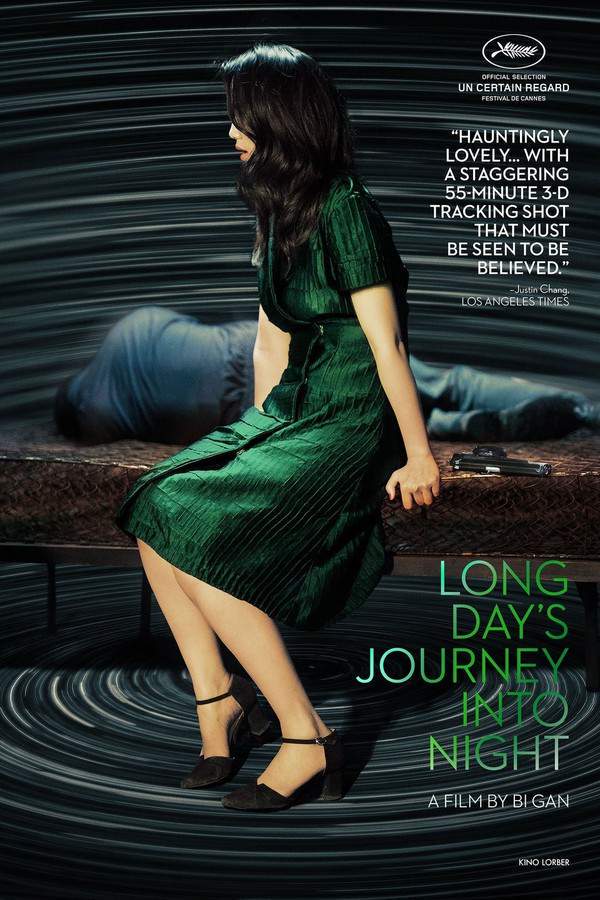
Dreamlike journeys through psychological landscapes of loss and alienation. If you liked the dreamlike, melancholic atmosphere of Anna Karamazoff, explore other films that use surrealism to depict fractured psyches and emotional landscapes. These movies prioritize mood, symbolism, and artful imagery over straightforward plots, offering a similar immersive experience.

  • surreal
  • melancholic
  • dreamlike
  • reflective
  • oppressive
  • lonely
  • Tone: melancholic, dreamlike, reflective
  • Pacing: slow, deliberate, atmospheric
Why these movies?

The story pattern: Narratives in this thread often follow protagonists grappling with profound loss, trauma, or a fractured sense of self. The story unfolds through a series of symbolic or vignette-like sequences rather than a tight plot, creating a journey that feels more psychological than physical. The central conflict is often internal, projected onto a world that feels unstable and dreamlike.

Why they belong together: These films are grouped together because they share a core approach: using surrealism not just as a stylistic flourish, but as the primary lens to examine heavy themes like grief, memory, and alienation. They create a cohesive, melancholic vibe through slow pacing, complex imagery, and an emotional weight that lingers.
Movies about post-traumatic alienation like Anna Karamazoff

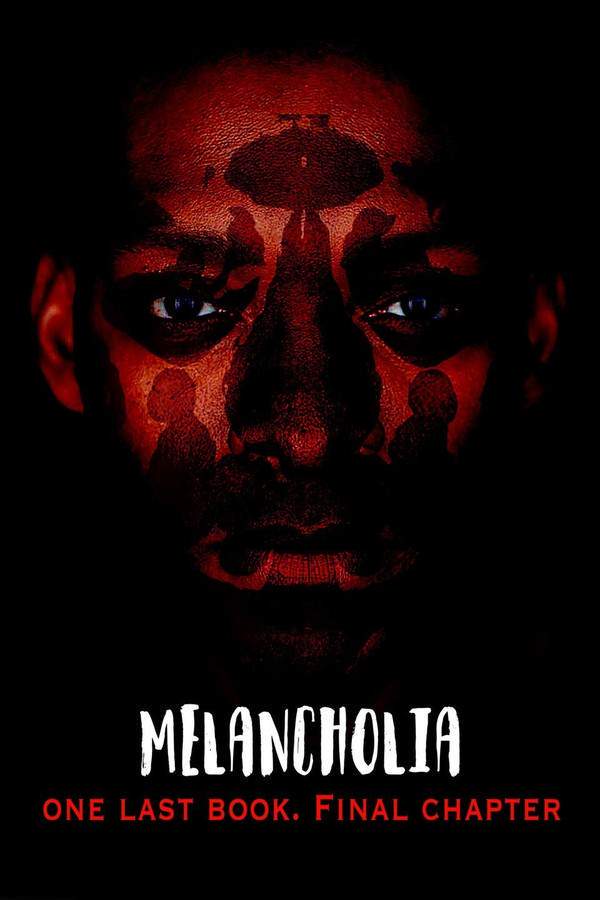
Characters navigating shattered realities after profound personal upheaval. For viewers who appreciated Anna Karamazoff's exploration of a character returning from trauma to an unrecognizable society, this thread features similar stories of psychological re-entry. These films share a complex, reflective tone and an ambiguous ending feel, focusing on the character's internal journey over external action.

  • psychological
  • lonely
  • reflective
  • oppressive
  • grief
  • alienation
  • Tone: melancholic, bleak, reflective
  • Pacing: slow, character-driven
Why these movies?

The story pattern: The narrative pattern involves a protagonist returning from a life-altering event (war, imprisonment, etc.) to a changed world. Their journey is less about a clear goal and more about processing their trauma, often leading to morally complex actions and an inconclusive resolution. The plot is character-driven and psychologically complex, demanding audience interpretation.

Why they belong together: These movies are connected by their focus on the ambiguous and complicated process of coping with severe trauma. They share a heavy emotional weight, a melancholic or bleak tone, and a narrative complexity that mirrors the fractured psyche of the protagonist, resulting in a similarly powerful and reflective viewing experience.

If you liked this

Movies Like Anna Karamazoff

Similar movies to Anna Karamazoff: the same genre, themes or kind of story. Each one comes with its own plot summary, timeline and ending explained.

Browse all movie summaries

Categories

Movie Lists Featuring Anna Karamazoff

Anna Karamazoff appears in these hand-built movie categories. Each one groups movies by a specific mood, theme or story type, with their plot summaries and endings explained.

View all movie categories

Every angle

Anna Karamazoff (1991) Explained: Plot, Timeline & Characters

Everything about Anna Karamazoff in one place: what happens in the plot summary, the timeline in chronological order, the characters and meaning and a spoiler-free summary. What's After the Movie adds the cast, box office and post-credit scenes.

Coming soon on iOS and Android

The Plot Explained Movie Summary App

Plot summaries, endings explained and timelines on your phone. Catch up on any movie in minutes, save your favorites and never miss a twist again.

Be the first to know when we launch. Your email stays private, always.

Learn more about the app