Plot Explained Spoilers guaranteed!
Plot Explained

Browse by genre

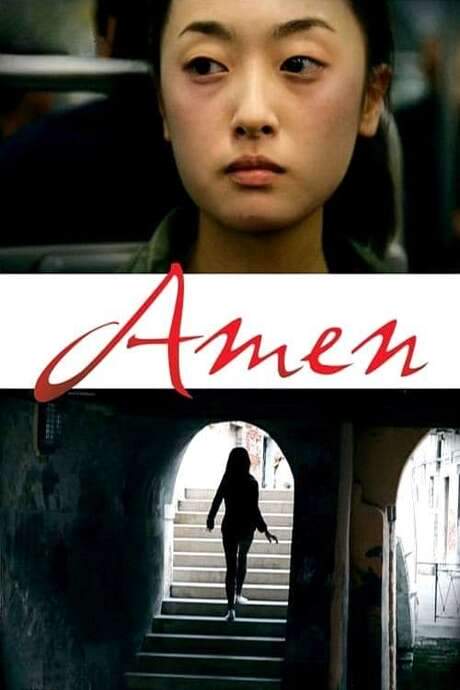
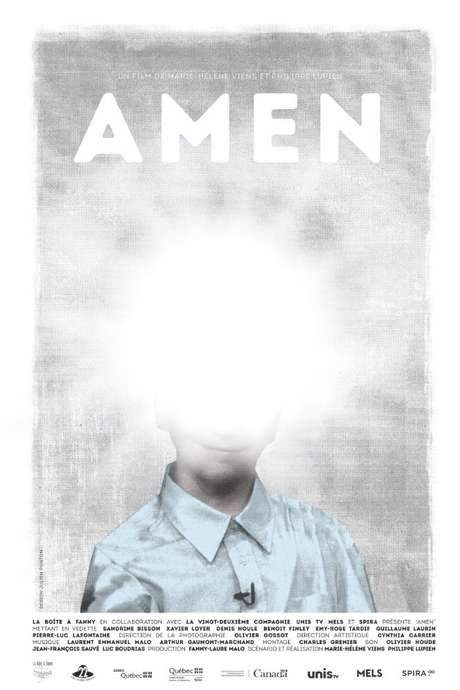
Amen (2017) movie poster

Timeline

Amen (2017) Timeline Explained – Every Event in Order

Release, runtime and language
2017 · 10 mins · French
Loading streaming availability…
Directed by
Philippe Lupien, Marie-Hélène Viens
Starring
Xavier Loyer, Denis Houle, Sandrine Bisson, Benoît Finley, Émy-Rose Tardif

Eleven-year-old Adam believes he is a messenger of God, tasked with delivering a crucial warning about the approaching Last Day. He possesses the power to heal and prepare people for what is to come, but time is running out. The Father, the Son, and the Holy Ghost are imminent, and Adam's message carries the weight of divine judgment. Will those he encounters be ready to receive the Final News?

On this page (5)
  1. 1 Where to watch
  2. 2 Events in order (12)
  3. 3 Timeline questions answered
  4. 4 Movie threads
  5. 5 Every angle
Loading streaming availability…

12 events in order · contains spoilers

Amen Timeline: Events in Chronological Order

Every key event of Amen (2017) in order, scene by scene, with when and where it takes place. Use it to untangle flashbacks, time jumps and parallel storylines, to refresh your memory before the sequel or to find the exact scene you are thinking of.

  1. Gerstein's role and discovery

    Kurt Gerstein, an SS officer in the Hygiene Institute, designs programs for water purification and vermin destruction. He is shocked to learn that Zyklon B, intended for disease control, is being used to exterminate Jews and other undesirables. The revelation unsettles him and sets the stage for his moral conflict during the war.

    When
    WWII era (early 1940s)
    Where
    SS Hygiene Institute
  2. Efforts to warn the Pope

    Gerstein attempts to inform Pope Pius XII about the gassings, hoping for decisive action. He is appalled by the lack of response from the Catholic hierarchy, as condemnations feel timid and vague. The only person visibly moved by the tragedy is Riccardo Fontana, a young Jesuit priest.

    When
    1940s
    Where
    Vatican City / Rome
  3. Fontana joins the effort

    Fontana aligns with Gerstein to raise awareness and push for stronger condemnation. They persist in appealing to church leaders, seeking a more forceful stance from the Vatican. Their collaboration marks a fragile bridge between religious conscience and wartime atrocity.

    When
    1940s
    Where
    Rome
  4. Gerstein travels to Rome

    Gerstein travels to Rome to speak directly with the Pope and present his evidence, but the German occupation blocks him from meeting the Pope. The obstacle underscores the reach of Nazi power even within the heart of the Catholic world. The mission illustrates the peril of crossing authority during the war.

    When
    1944
    Where
    Rome
  5. Rome falls under Nazi control

    As the Germans tighten their grip, Rome begins deportations of Italian Jews to death camps. The deportations unfold rapidly, signaling a grim acceleration of the genocide under Nazi occupation. The city becomes a frontline of moral crisis for those resisting the orders.

    When
    1944
    Where
    Rome
  6. Fontana's act of protest at the train

    To protest the deportations, Fontana places a yellow Star of David badge on himself and presents at the train station to be deported with the Jews. He chooses solidarity with the victims over personal safety, drawing attention to the atrocity. His act becomes a potent symbol within the collapsing moral order.

    When
    1944
    Where
    Rome's train station
  7. Fontana's fate at the camp

    At the camp's crematorium complex, Fontana is interrogated by the camp's powerful Doctor but is allowed to stay with the Jews and work there. Ultimately, the Doctor orders that Fontana be gassed, sealing his grim destiny. The encounter highlights the precarious position of individuals who resist the regime.

    When
    1944
    Where
    Camp near the crematorium
  8. Gerstein's failed rescue attempt

    Gerstein attempts to intervene for Fontana, but the Doctor remains unmoved by his pleas. The Doctor escorts Gerstein out of the camp as the murders continue, illustrating the limits of individual action against totalitarian machinery. The scene underscores the mass scale of the genocide unfolding around them.

    When
    1944
    Where
    Camp vicinity
  9. Mass graves and questions of escape

    The perspective witnesses German troops digging up and burning bodies in a mass grave near the camp. The Doctor asks Gerstein if he knows anyone who could help him escape Germany, revealing the desperation and danger that persist even as the war presses toward its end. The moment tightens the sense of impending catastrophe.

    When
    1944
    Where
    Nearby mass grave site
  10. Gerstein brings evidence to the Allies

    Gerstein returns home and compiles extensive documentation of Nazi atrocities, delivering it to Allied authorities. Despite their willingness to review the material, he remains at risk under German authority. The act represents one last bid to awaken the world to the crimes being committed.

    When
    1945
    Where
    Germany
  11. Gerstein's arrest and death

    Despite cooperating with the Allies, Gerstein is arrested and, after the charges are read, is found hanged in his cell. His death underscores the peril faced by those who sought to expose the truth and hold the perpetrators accountable. His sacrifice casts a long shadow over the narrative’s moral arc.

    When
    1945
    Where
    German detention facility
  12. Escape plans for the Doctor

    In the aftermath, the Doctor is seen speaking with a Cardinal in Rome, asking for help leaving the country. The Cardinal agrees to assist in sending him to Argentina, seeking safety after the war. This closing note leaves a glimmer of possible refuge amid the collapse of the regime.

    When
    Post-war (1945-47)
    Where
    Rome

Last updated: October 01, 2025 at 13:05

Was this helpful?

Timeline questions answered

Amen Timeline Explained: Your Questions Answered

When does it happen, and why in that order? The questions people ask about the chronology of Amen (2017): time jumps, flashbacks, cause and effect between scenes and the correct order of events, each answered with spoilers.

Q1

Why did Kurt Gerstein, an SS officer, try to stop the genocide?

Gerstein was initially assigned to the SS Hygiene Institute to develop disease control methods, including the pesticide Zyklon B. Once he discovered this same compound was being used to murder Jews in extermination camps, he experienced a moral crisis. Despite his complicity in developing the technology, he chose to use his position and access to evidence to attempt alerting the world about the atrocities.

Foreshadowing: The film establishes early that Gerstein was a devout Catholic, which creates the internal conflict that drives his later actions.

  • kurt gerstein
  • ss officer
  • moral conscience
  • zyklon b
  • genocide
Q2

Why did Pope Pius XII not intervene more forcefully in the Holocaust?

Gerstein traveled to the Vatican multiple times to present evidence of the mass gassings and urged the Pope to take decisive action. However, the Vatican offered only vague, cautious condemnations. When Fontana begged the Pope to physically intervene at the train station to stop the deportations, the Pope refused, claiming it would harm Christians living under Nazi occupation. The Church maintained a stance of abstention rather than direct intervention.

Foreshadowing: The film's opening establishes the Vatican's silence as a central moral failing that Gerstein and Fontana repeatedly confront.

  • pope pius xii
  • vatican
  • rome
  • deportation
  • catholic church
Q3

What happened to Riccardo Fontana at the concentration camp?

Fontana was arrested and transported to a death camp along with the Jews he tried to save. He was interrogated by the camp's Doctor, who recognized him as a Catholic priest but still allowed him to stay with the prisoners and work in the crematorium. Eventually, the Doctor ordered Fontana to be gassed, and Gerstein's desperate pleas to save him failed. Fontana chose to remain with the Jewish prisoners rather than accept any special treatment.

Foreshadowing: Fontana's earlier decision to wear the yellow Star of David and board the deportation train foreshadows his ultimate fate.

  • riccardo fontana
  • priest
  • gassed
  • concentration camp
  • doctor
Q4

Why was Kurt Gerstein arrested and died after helping the Allies?

After compiling extensive documentation of Nazi atrocities, Gerstein successfully delivered his evidence to Allied authorities. Despite their willingness to review the material, he remained under German jurisdiction. Gerstein was eventually arrested, and after a formal reading of the charges against him, he was found dead by hanging in his cell. The film suggests he was killed for his role as a witness rather than being prosecuted for his SS membership.

Foreshadowing: Earlier scenes show Gerstein repeatedly putting himself at risk by attempting to meet with enemy officials and church leaders.

  • kurt gerstein
  • arrested
  • hanged
  • allies
  • evidence
  • death
Q5

How did the camp Doctor escape justice after the war?

The Doctor, who ordered Fontana's execution and oversaw the camp's operations, was not held accountable for his crimes. In the film's closing scenes, he met with a Cardinal in Rome and asked for help fleeing the country. The Cardinal agreed to arrange his passage to Argentina, allowing the Doctor to escape prosecution. This ending underscores the film's bleak portrayal of how many perpetrators avoided consequences for their actions.

Foreshadowing: Earlier scenes show the Doctor asking Gerstein if he knows anyone who could help him escape Germany.

  • doctor
  • escape
  • argentina
  • cardinal
  • war crimes
  • justice
Q6

What was the significance of Riccardo Fontana wearing the yellow Star of David?

When the Nazis began rounding up Italian Jews for deportation to death camps, Fontana protested by sewing a yellow Star of David onto his clothing and presenting himself at the train station. He demanded to be deported with the Jews, choosing solidarity with the victims over his own safety. This powerful act of protest drew attention to the atrocities and demonstrated his refusal to remain complicit through silence.

Foreshadowing: Fontana had previously pleaded with the Pope to intervene and was devastated by the Church's refusal to act.

  • yellow star
  • protest
  • solidarity
  • deportation
  • riccardo fontana
Q7

What was Zyklon B and how did Gerstein discover its use in the Holocaust?

Zyklon B was a hydrogen cyanide compound originally developed for pest control and water purification at the SS Hygiene Institute, where Gerstein worked. Gerstein was horrified to learn that this same chemical, which he had helped refine, was being deployed in gas chambers to systematically murder Jews and other groups deemed undesirable. This discovery became the catalyst for his moral awakening and subsequent efforts to expose the genocide.

Foreshadowing: The opening scenes establish Gerstein as a scientist focused on hygiene and disease control, setting up the tragic irony of his work being weaponized.

  • zyklon b
  • gas chambers
  • hygiene institute
  • chemical
  • murder
Q8

Why did the Vatican remain largely silent during the Holocaust?

The Vatican, led by Pope Pius XII, issued only vague condemnations of the atrocities rather than taking decisive action. When Gerstein and Fontana presented evidence of the mass gassings and urged public condemnation, the Church responded with caution. The Pope's refusal to physically intervene at the train station, citing potential harm to Christians, demonstrated a policy of prioritizing the Church's institutional interests over direct action to save Jews.

Foreshadowing: The film consistently shows the Vatican as a powerful but inactive institution throughout Gerstein's efforts.

  • vatican silence
  • pope
  • institutional failure
  • catholic church
  • rome
Q9

What happened to the evidence of Nazi atrocities that Gerstein collected?

Gerstein meticulously compiled extensive documentation of the Nazi genocide, including detailed accounts of the gassings and other atrocities he witnessed. He delivered this evidence to the Allied authorities after the war. While the Allies were willing to review the material, the political and legal processes for accountability proved inadequate. Gerstein's testimony exists as historical record, though it did not lead to widespread prosecution during his lifetime.

Foreshadowing: The film shows Gerstein risking his life to preserve documents throughout the war.

  • evidence
  • documentation
  • allies
  • testimony
  • historical record
Q10

What motivated Gerstein to continue his efforts despite knowing the risks?

Gerstein was driven by a combination of Catholic faith, personal conscience, and guilt over his initial complicity in developing Zyklon B. Throughout the film, he made increasingly desperate attempts to alert the Vatican, the Allies, and anyone who would listen to the genocide occurring in the death camps. Even as his efforts proved largely futile and his situation grew more dangerous, he persisted in bearing witness and preserving evidence.

Foreshadowing: His religious background is established early, creating the moral foundation for his later actions.

  • motivation
  • conscience
  • guilt
  • faith
  • witness
  • risk

Movie threads

More Movies Like Amen, by Mood & Story

Curated lists built around what makes Amen tick: the same mood, the same kind of story or the same emotional payoff. Each list explains why these movies belong together.

Movies about futile resistance like Amen

Stories of individuals confronting immense evil, aware their efforts are likely in vain. If you were gripped by the desperate attempts to expose evil in Amen, this thread collects movies with similar narratives. These stories feature individuals fighting against overwhelming systemic power, often with bleak outcomes, perfect for those seeking morally complex and intense historical or dramatic films.

  • somber
  • haunting
  • desperate
  • frustrating
  • morally complex
  • oppressive
  • Tone: dark, bleak, morally complex
  • Pacing: steady, methodical
Why these movies?

The story pattern: The narrative pattern involves a protagonist's slow, steady realization of a profound moral horror, followed by a committed but ultimately unsuccessful attempt to act against it. The journey is less about victory and more about the ethical imperative of bearing witness, even in the face of certain failure.

Why they belong together: These movies are grouped by their shared exploration of moral courage in hopeless situations. They feature a similar emotional mix of high intensity, heavy emotional weight, and a bleak tone, focusing on the psychological toll of confronting evil that cannot be stopped.

Movies about institutional failure like Amen

Narratives where bureaucratic systems enable or ignore terrible crimes. Fans of Amen's depiction of the Vatican's silence will find more gripping stories here. Discover films that explore how bureaucracy and powerful organizations fail morally, creating a sense of claustrophobic frustration and exposing the fragility of conscience within complex systems.

  • frustrating
  • oppressive
  • morally complex
  • somber
  • urgent
  • institutional
  • Tone: dark, frustrating, harrowing
  • Pacing: steady, deliberate
Why these movies?

The story pattern: These stories often unfold by contrasting the desperate actions of a few aware individuals with the cold, immovable logic of a larger institution. The central conflict is not just against evil itself, but against the inertia and willful blindness of systems designed to maintain order at any cost.

Why they belong together: They share a core theme of exploring the mechanics of moral failure on a grand scale. The viewing experience is characterized by a steady pacing that builds a palpable sense of dread and a tone of deep frustration, as the hope for institutional intervention is systematically crushed.

Every angle

Amen (2017) Explained: Plot, Timeline & Characters

Everything about Amen in one place: what happens in the plot summary, the timeline in chronological order, the characters and meaning and a spoiler-free summary. What's After the Movie adds the cast, box office and post-credit scenes.

Coming soon on iOS and Android

The Plot Explained Movie Summary App

Plot summaries, endings explained and timelines on your phone. Catch up on any movie in minutes, save your favorites and never miss a twist again.

Be the first to know when we launch. Your email stays private, always.

Learn more about the app