Plot Explained Spoilers guaranteed!
Plot Explained

Browse by genre

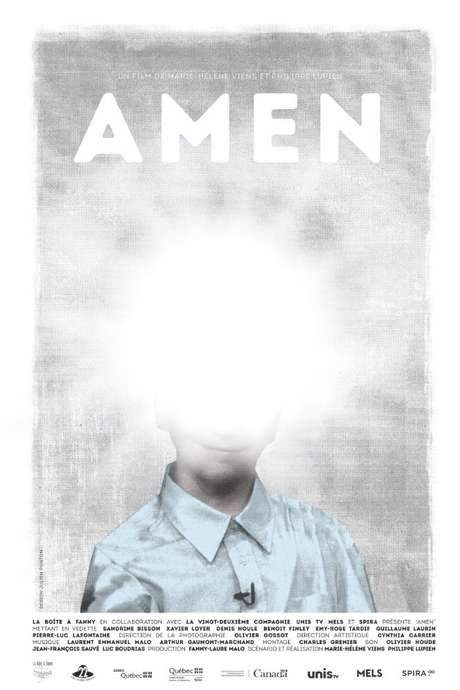
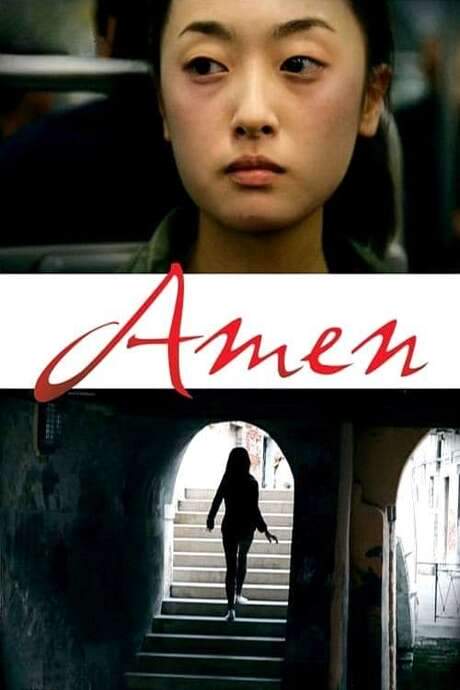
Amen (2011) movie poster

Timeline

Amen (2011) Timeline Explained – Every Event in Order

Release, runtime and language
2011 · 72 mins · Korean
Loading streaming availability…
Starring
Kim Ki-duk, Kim Ye-na

A Korean woman travels across Europe searching for her lost boyfriend. She starts in France, only to discover he has moved on to Venice. En route, a harrowing train incident forces her to confront painful doubts about life and love. Her unsettling conclusion leaves the audience questioning the nature of relationships.

On this page (5)
  1. 1 Where to watch
  2. 2 Events in order (15)
  3. 3 Timeline questions answered
  4. 4 Movie threads
  5. 5 Every angle
Loading streaming availability…

15 events in order · contains spoilers

Amen Timeline: Events in Chronological Order

Every key event of Amen (2011) in order, scene by scene, with when and where it takes place. Use it to untangle flashbacks, time jumps and parallel storylines, to refresh your memory before the sequel or to find the exact scene you are thinking of.

  1. Discovery of Zyklon B's grim use

    Kurt Gerstein, a Waffen-SS officer, works on programs to purify water and control vermin at the SS Hygiene Institute. He becomes horrified when he learns the same hydrogen cyanide compound, Zyklon B, is being used to kill Jews and other undesirables in extermination camps. The realization unsettles him about the purpose of his own work.

    When
    1943-1944
    Where
    Waffen-SS Hygiene Institute
  2. Attempt to warn the Vatican

    Acting on his conscience, Gerstein attempts to inform Pope Pius XII about the gassings. He is met with a tepid, ambiguous response from the Vatican, offering only hesitant condemnation. The effort highlights the gap between knowledge and action within the church hierarchy.

    When
    1943-1944
    Where
    Vatican City
  3. Fontana joins the cause

    Riccardo Fontana, a young Jesuit priest, becomes involved with Gerstein's efforts to raise awareness about Nazi atrocities. They work to bring the truth to light, facing resistance and cautious official circles. Their collaboration marks a moral alliance across faiths.

    When
    1943-1944
    Where
    Italy / Vatican City
  4. Gerstein travels to Rome

    Gerstein travels to Rome to speak directly with the Pope, hoping for decisive action. He arrives as the German occupation tightens and deportations of Jews begin in earnest. The journey underscores the peril of seeking high-level intervention.

    When
    1944
    Where
    Rome
  5. Deportations begin in occupied Rome

    With the Germans in control of Rome, Italian Jews are rounded up and transported to death camps. Fontana and Gerstein scramble to stop the deportations, but political and religious constraints hinder them. The grueling reality of occupation becomes personal for them.

    When
    1943-1944
    Where
    Rome
  6. Pope asked to intervene at the station

    Fontana pleads with the Pope to appear publicly at the train station to halt the deportations. The Pope refuses, arguing that public action could burden Christians living under Nazi rule. The moment reveals the tension between moral duty and political caution.

    When
    1944
    Where
    Rome train station
  7. Fontana takes a stand with the Star of David

    In protest, Fontana places a Star of David on himself and joins the deportation train. He does this to stand with the victims and to demand attention. His act is a bold personal sacrifice meant to shine a light on the horror unfolding.

    When
    1944
    Where
    Rome train station / deportation train
  8. Fontana confronts the camp authorities

    At the camp, Fontana is interrogated by the Doctor, a powerful camp official who nonetheless allows Fontana to stay and work near the crematorium. The Doctor's complex mercy reveals the blurred lines of complicity and humanity. Fontana uses this position to witness the grim machinery of murder.

    When
    1944
    Where
    camp
  9. Fontana is ordered to be gassed

    The Doctor ultimately orders Fontana to be gassed, ending his courageous protest. Fontana's death underscores the brutal efficiency of the extermination system and the peril faced by those who resist it. The cycle of inhumanity continues unabated around him.

    When
    1944
    Where
    camp crematorium
  10. Gerstein's failed rescue attempt

    Gerstein attempts to intervene to save Fontana, but Fontana refuses to desert the Jews. His steadfast moral resolve contrasts with the limits of what rescue can achieve in that moment. The scene emphasizes the cost of standing up to atrocity.

    When
    1944
    Where
    camp
  11. Gerstein escorted out, murder continues

    The Doctor escorts Gerstein out of the camp as Fontana and the remaining Jews continue to be murdered nearby. The escape highlights the fragility of any safety in the face of a functioning system of annihilation. The surrounding carnage starkly illustrates the stakes of their conflict.

    When
    1944
    Where
    camp perimeter
  12. Mass grave near the camp

    They drive by German soldiers digging up and burning the bodies of previously murdered Jews in a mass grave near the camp. The grisly spectacle cements the scale of the genocide in Gerstein's mind. The scene serves as a grim reminder of what they are trying to stop.

    When
    1944
    Where
    near the camp
  13. Gerstein brings evidence to the Allies

    Gerstein returns home and gathers all his evidence documenting Nazi atrocities and takes them to the Allies. He hopes the documentation will force international action. Despite acknowledging the evidence, the response is slow and limited.

    When
    1945
    Where
    Germany / Allied front
  14. Gerstein's arrest and death

    Despite presenting the evidence, Gerstein is arrested and after reading the charges against him is found hanged in his cell. His death marks a tragic ending for a man who tried to sound the alarm. The world would later confront the truth he fought to reveal.

    When
    1945
    Where
    Prison
  15. Post-war escape aid for the Doctor

    The Doctor is seen speaking to a Cardinal in Rome, asking for help leaving the country. The Cardinal agrees to assist him in possible escape, suggesting a route to Argentina. The final note hints at lingering networks that survive beyond the collapse of the regime.

    When
    Post-war 1945-1946
    Where
    Rome

Last updated: October 27, 2025 at 16:47

Was this helpful?

Timeline questions answered

Amen Timeline Explained: Your Questions Answered

When does it happen, and why in that order? The questions people ask about the chronology of Amen (2011): time jumps, flashbacks, cause and effect between scenes and the correct order of events, each answered with spoilers.

Q1

Why did Kurt Gerstein try to warn the Vatican about the Holocaust?

Gerstein was a Waffen-SS officer who discovered that Zyklon B, a hydrogen cyanide compound he helped develop for water purification and pest control at the SS Hygiene Institute, was being used to kill Jews in extermination camps. Horrified by this realization and driven by his conscience, he felt morally obligated to inform the highest moral authority he could reach, the Catholic Church, hoping the Pope would issue a decisive condemnation that could pressure the Nazis to stop the genocide.

Foreshadowing: His early work on water purification programs foreshadows his later horror at discovering the dual use of the poison he helped create.

  • kurt gerstein
  • vatian
  • conscience
  • zyklon b
  • ss hygiene institute
  • warning
Q2

Why did the Pope refuse to intervene at the train station during the deportations?

When Riccardo Fontana pleaded with Pope Pius XII to appear publicly at the Rome train station to halt the deportations of Italian Jews, the Pope refused. He argued that such a public display would impose unacceptable burdens on Christians living under Nazi occupation, potentially provoking retaliatory measures against the Church and its followers. This decision reflects the Vatican's calculated approach of prioritizing the protection of Catholics over direct confrontation with the Nazi regime.

Foreshadowing: The Vatican's earlier tepid responses to Gerstein's warnings foreshadowed this refusal to take bold public action.

  • pope pius xii
  • train station
  • deportations
  • refusal
  • roman jews
  • intervention
Q3

Why did Riccardo Fontana put on the Star of David and board the deportation train?

Fontana placed the Yellow Star of David on himself and boarded the deportation train as a dramatic act of protest and solidarity with the Jewish victims. After the Pope refused to intervene publicly, Fontana chose this deadly demonstration to shine a spotlight on the horror of the deportations and to physically stand with the people the Church would not save. His action was meant to force the world to witness the atrocity by placing himself directly in harm's way.

Foreshadowing: Earlier late-night conversations between Fontana and Gerstein about moral duty set the stage for this ultimate sacrifice.

  • riccardo fontana
  • star of david
  • protest
  • deportation train
  • solidarity
  • sacrifice
Q4

What happened to Riccardo Fontana at the concentration camp?

After boarding the deportation train, Fontana was taken to a camp where he was interrogated by the camp's head, known as the Doctor. Despite his position as a prisoner, the Doctor paradoxically allowed Fontana to remain near the deported Jews and work in the crematorium, seemingly granting him a form of twisted mercy. However, when the Doctor deemed it necessary, he ordered Fontana to be gassed, executing the very man he had kept alive to witness the machinery of murder.

Foreshadowing: The Doctor's initial choice to keep Fontana alive foreshadows his later decision to kill him, the same calculated control over life and death.

  • riccardo fontana
  • camp
  • doctor
  • gassing
  • crematorium
  • execution
Q5

Who was the Doctor in the concentration camp?

The Doctor was the head of the camp, a domineering figure who embodied complicity and moral corruption. He oversaw the extermination operations and allowed Fontana to work near the crematorium, calculating that even a prisoner could serve a purpose. When the war turned against Germany, he sought escape routes for himself, eventually asking a Cardinal in Rome for help emigrating to Argentina. He represents the cold, bureaucratic evil that kept the genocide functioning until the very end.

  • doctor
  • camp commander
  • complicity
  • argentina escape
  • moral corruption
Q6

Why was Kurt Gerstein arrested after giving evidence to the Allies?

After gathering all possible documentary evidence of Nazi atrocities, Gerstein traveled to the Allied front and presented a comprehensive account of the genocide. Despite the damning evidence being acknowledged, Gerstein was arrested, likely because of his SS membership, which made him suspect to the Allies regardless of his anti-Nazi activities. He was imprisoned and, after reading the charges against him, was found hanged in his cell, a tragic end for a man who risked everything to reveal the truth.

  • kurt gerstein
  • arrest
  • allies evidence
  • imprisonment
  • suicide
Q7

How did Kurt Gerstein die?

Kurt Gerstein was found hanged in his prison cell after being arrested. He had presented extensive documentation of Nazi atrocities to the Allies, hoping to force international action. Instead of being celebrated as a whistleblower, he was imprisoned as a former SS officer. The film shows him reading the charges against him before his death, marking a solemn and tragic end to his efforts to illuminate the truth.

  • kurt gerstein
  • death
  • hanged
  • prison
  • charges
Q8

What happened to the Doctor after the war ended?

In the post-war period, the Doctor, the camp official responsible for overseeing the extermination operations, was seen speaking with a Cardinal in Rome. He asked for help leaving Germany, and the Cardinal agreed to assist him in finding a possible escape route to Argentina. This closing scene suggests that networks of complicity survived beyond the Nazi regime's collapse, allowing at least some war criminals to seek refuge through Church connections.

  • doctor
  • post-war
  • escape
  • argentina
  • cardinal
  • rome
Q9

Why did the Vatican respond so weakly to Gerstein's warnings?

The Vatican offered only tentative, vague condemnations rather than decisive action against the Nazi genocide. This tepid response stemmed from political concerns and fear of provoking greater hardship for Christians living under Nazi occupation. The Church hierarchy weighed the potential consequences of direct confrontation against the risks of remaining silent, ultimately choosing caution over moral urgency. This moral paralysis is central to the film's critique of institutional inaction during the Holocaust.

Foreshadowing: Gerstein's discovery of the Vatican's initial hesitation foreshadows the later refusal at the train station.

  • vatican
  • weak response
  • political concerns
  • hesitation
  • condemnation
  • pope pius xii
Q10

Why did Riccardo Fontana refuse Gerstein's rescue attempt?

When Gerstein attempted to intervene and save Fontana at the camp, Fontana refused to leave. He remained steadfast in his decision not to abandon the Jewish prisoners he had joined to protect and represent. His moral resolve was absolute, he had boarded the train to stand with the victims, and abandoning them to save himself would have contradicted the very purpose of his sacrifice. This moment highlights the contrast between Gerstein's effort to save one person and Fontana's commitment to witness for many.

  • riccardo fontana
  • rescue attempt
  • refuse
  • jewish prisoners
  • solidarity
  • moral resolve
Q11

What was Zyklon B and how was it used in the Holocaust?

Zyklon B was a hydrogen cyanide-based compound originally developed for industrial purposes, water purification and pest control. Kurt Gerstein worked with the SS Hygiene Institute on these applications. However, the same compound was repurposed by the Nazis as a killing agent in extermination camps. It was released into sealed gas chambers to kill Jews and other targeted groups efficiently and on a massive scale. Gerstein's horror stemmed from realizing his own work had been weaponized for genocide.

Foreshadowing: Gerstein's early career at the SS Hygiene Institute directly connects to his later discovery of the poison's dual use.

  • zyklon b
  • hydrogen cyanide
  • poison
  • gas chambers
  • extermination camps
  • ss hygiene institute
Q12

Why was Kurt Gerstein working with the SS if he opposed the Holocaust?

Gerstein was a Waffen-SS officer who joined for reasons separate from Nazi ideology, he was a sanitation specialist focused on public health. His work at the SS Hygiene Institute involved developing water purification methods and controlling disease. It was only through this position that he gained access to information about the mass killings, and his discovery of Zyklon B's use in camps transformed him from a passive participant into an activist who risked his life to expose the atrocities from within the system.

  • kurt gerstein
  • waffen-ss
  • ss hygiene institute
  • water purification
  • inside whistleblower

Movie threads

More Movies Like Amen, by Mood & Story

Curated lists built around what makes Amen tick: the same mood, the same kind of story or the same emotional payoff. Each list explains why these movies belong together.

Moral crisis dramas with bleak endings like Amen

Stories where individuals confront systemic evil and face devastating personal consequences. If you appreciated the heavy moral weight and institutional failure in Amen, this collection features movies like it. These films explore individuals confronting genocide, corruption, or overwhelming evil, resulting in stories of profound sadness, whistleblowing, and tragic sacrifice. Find similar heavy dramas about moral responsibility.

  • moral anguish
  • somber
  • grim
  • oppressive
  • harrowing
  • desperate
  • Tone: dark, bleak, morally fraught
  • Pacing: steady, methodical
Why these movies?

The story pattern: Narratives in this thread typically follow a principled individual who discovers a profound evil and attempts to stop it, often through official channels. They are met with indifference, bureaucracy, or active opposition from powerful institutions. The story arc is one of escalating desperation, culminating in a personal defeat or sacrifice that highlights the scale of the horror.

Why they belong together: Movies are grouped here because they share a core focus on the psychological and emotional toll of witnessing evil and feeling powerless to prevent it. They create a cohesive experience through their dark tone, heavy emotional weight, bleak conclusions, and the central theme of moral responsibility under extreme pressure.

Solemn journeys through despair similar to Amen

Films that follow a character's grim, steady path through profound suffering and loss. For viewers who connected with the somber, harrowing journey in Amen, this list features movies with a similar feel. These films follow characters on steady-paced, emotionally heavy paths through trauma, loss, or moral despair, creating an oppressive and solemn mood. Discover more dramas with a bleak, soul-searching vibe.

  • somber
  • harrowing
  • desperate
  • oppressive
  • solemn
  • grim
  • Tone: somber, harrowing, grim
  • Pacing: steady, immersive
Why these movies?

The story pattern: The narrative pattern involves a character embarking on a physical or psychological journey marked by suffering. The pacing is deliberate, allowing the weight of each event to settle. There are few moments of relief, as the story builds toward a conclusion that confirms the protagonist's despair or offers no meaningful redemption, emphasizing the permanence of the trauma.

Why they belong together: These films are grouped by their shared immersive mood—a combination of a somber, desperate tone, steady pacing that builds dread, and high emotional intensity centered on anguish. The connection is in the overall viewing experience: a grim, heavy journey that prioritizes emotional devastation over plot-driven action.

Every angle

Amen (2011) Explained: Plot, Timeline & Characters

Everything about Amen in one place: what happens in the plot summary, the timeline in chronological order, the characters and meaning and a spoiler-free summary. What's After the Movie adds the cast, box office and post-credit scenes.

Coming soon on iOS and Android

The Plot Explained Movie Summary App

Plot summaries, endings explained and timelines on your phone. Catch up on any movie in minutes, save your favorites and never miss a twist again.

Be the first to know when we launch. Your email stays private, always.

Learn more about the app