Plot Explained Spoilers guaranteed!
Plot Explained

Browse by genre

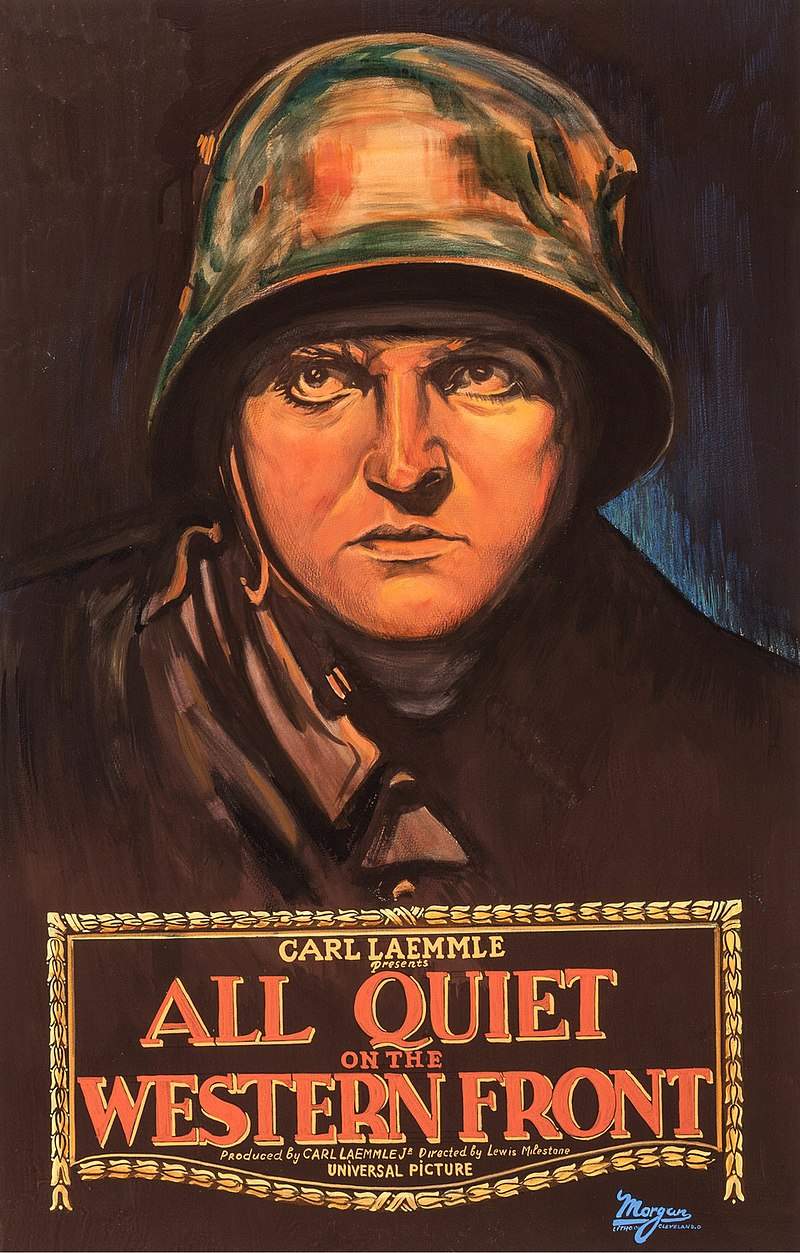
All Quiet on the Western Front (1979) movie poster

Timeline

All Quiet on the Western Front (1979) Timeline Explained – Every Event in Order

Release, runtime and language
1979 · 150 mins · English
Directed by
Delbert Mann
Starring
Ian Holm, Ernest Borgnine, Patricia Neal, Donald Pleasence, Richard Thomas, Ewan Stewart

They enlist as boys, dreaming of glory, but never return as men. At the start of World War I, idealistic German student Paul Baumer, inflamed by school propaganda, joins the army with his friends straight after graduation. The brutal reality of trench warfare shatters their patriotism; as comrades die or are maimed, Paul confronts the senseless cruelty of fighting over a few hundred yards of shattered countryside.

On this page (5)
  1. 1 Events in order (11)
  2. 2 Timeline questions answered
  3. 3 Movie threads
  4. 4 Movies like All Quiet on the Western Front
  5. 5 Every angle

11 events in order · contains spoilers

All Quiet on the Western Front Timeline: Events in Chronological Order

Every key event of All Quiet on the Western Front (1979) in order, scene by scene, with when and where it takes place. Use it to untangle flashbacks, time jumps and parallel storylines, to refresh your memory before the sequel or to find the exact scene you are thinking of.

  1. German soldiers prepare for battle

    In 1917 Germany, soldiers run through trenches amid a field of dead bodies, getting ready for the next attack of World War I. Heinrich Gerber is among the soldiers, trying to hide in panic before charging head-on into combat. The scene sets the intense, deadly environment of the battlefield, highlighting the chaos and brutality of war.

    When
    1917
    Where
    Trenches, Germany
  2. Young men enlist in the German army

    Paul Baumer and his friends, including Albert and Franz, enlist with patriotic enthusiasm after listening to their principal's inspiring speech. Paul receives Heinrich’s old uniform, symbolizing the transfer of war gear between generations of soldiers. Their departure marks the beginning of their brutal journey in the war.

    When
    Early 1917
    Where
    School, Germany
  3. Arrival in Paris and preparation for combat

    The soldiers arrive in Paris, where many are already injured, and precautions are taken against a gas attack, prompting them to wear masks. They reach the trenches, meet fellow soldiers like Kat and Tjaden, and settle in for their first night in the trenches amidst the ongoing shellfire and danger.

    When
    1917
    Where
    Paris, France
  4. First combat engagement and casualties

    French forces launch a gas attack forcing the Germans into bunkers. The attack intensifies, causing the bunker to collapse and trapping some soldiers under rubble. Paul helps recover the dead, and mourns Ludwig’s mutilated body, confronting the harsh reality of war’s brutality.

    When
    1917
    Where
    Trenches, France
  5. Negotiations for peace

    Eighteen months later, German officials, including Erzberger, meet with the Supreme Army Command to negotiate an armistice with the Allied powers. They discuss recent troop losses and strategize about ending the war, signaling a potential resolution after years of conflict.

    When
    1918
    Where
    Germany
  6. A brief respite and camaraderie

    Paul and Kat steal a goose from a farm in France, sharing it with friends and singing together, capturing a moment of camaraderie amidst war. Franz secretly spends time with a French woman, providing a brief glimpse of human connection in the midst of chaos.

    When
    1918
    Where
    Farm, France
  7. Letters reveal soldier’s personal struggles

    Paul reads a letter from Kat’s wife, learning that Kat has lost a son and feeling the emotional toll of war on soldiers’ families. Kat confesses he doubts he can readjust to civilian life, highlighting the long-lasting psychological scars of war.

    When
    1918
    Where
    Camp, France
  8. Death of comrades and failed rescue

    While searching for missing recruits, Paul and Albert see that some soldiers died due to gas mask removal. Kat, illiterate, is unable to read his wife’s letter, underscoring the soldiers’ helplessness. Kat later is fatally shot while trying to escape a farm.

    When
    1918
    Where
    French countryside
  9. End of the war and celebration

    After the Kaiser’s abdication, Erzberger is ordered to accept the Allied conditions. Soldiers, including Paul, learn of the impending ceasefire, and some celebrate the end of the war while others mourn fallen friends. Tjaden’s tragic suicide underscores ongoing despair.

    When
    1918
    Where
    Field hospital and battlefield
  10. Final attack and the death of Paul

    German soldiers are ordered to attack as the war nears its end. Paul fights fiercely and kills French soldiers, but he is eventually impaled by a bayonet in a trench. As the war ends at 11:00, Paul succumbs, symbolizing the devastating cost of conflict.

    When
    11:00, 1918
    Where
    Trenches, France
  11. Aftermath and remembrance

    The surviving recruits collect their fallen comrades’ tags, including a scarf belonging to Franz, as a somber act of remembrance. Paul’s body is retrieved, emphasizing the personal loss experienced by soldiers long after the war’s end.

    When
    Post-1918
    Where
    Battlefield, France

Last updated: April 24, 2026 at 12:37

Was this helpful?

Timeline questions answered

All Quiet on the Western Front Timeline Explained: Your Questions Answered

When does it happen, and why in that order? The questions people ask about the chronology of All Quiet on the Western Front (1979): time jumps, flashbacks, cause and effect between scenes and the correct order of events, each answered with spoilers.

Q1

Why does Paul receive Heinrich Gerber's old uniform?

Paul receives Heinrich Gerber's old uniform because the German army reissues dead soldiers' uniforms to new recruits. This symbolic transfer represents the endless cycle of war, where one generation of soldiers is replaced by the next. The uniform serves as both practical gear and a haunting reminder that Paul will share Heinrich's fate.

Foreshadowing: The opening scene shows Heinrich dying in battle, establishing the cycle that Paul will soon join.

  • uniform
  • heinrich gerber
  • recruits
  • cycle of war
  • gear
Q2

Why do Paul and his friends enlist in the army?

Paul and his friends enlist because they are idealistic young students inspired by their school principal's patriotic speech about glory and serving Germany. They believe war is honorable and exciting, viewing enlistment as a patriotic duty and adventure. This naive patriotism is quickly shattered once they experience the brutal reality of trench warfare.

Foreshadowing: The principal's speech in scene 2 directly contrasts with the opening scene's graphic death, showing the false promise of propaganda.

  • patriotism
  • enlistment
  • school
  • principal
  • glory
  • youth
Q3

Why does Kat die after being shot on the farm?

Kat is shot and killed by a farmer's son while attempting to steal food from a farm. Although Paul manages to carry Kat toward a hospital, Kat dies from his wounds during the journey. Kat's death illustrates how soldiers can die in random, meaningless circumstances even as the war nears its end, far from any combat front.

Foreshadowing: Earlier, Paul and Kat steal a goose from a farm, establishing their desperate hunger and the risks they take for food.

  • kat
  • death
  • farmer
  • food
  • stealing
  • wounds
Q4

Why does Tjaden commit suicide at the end of the war?

Tjaden commits suicide after being severely injured, unable to cope with the physical and psychological trauma of war. His suicide underscores the lasting scars that soldiers carry even as peace approaches, showing that survival does not guarantee recovery from the horrors they have experienced.

Foreshadowing: The letters from earlier reveal Kat's doubt about readjusting to civilian life, indicating the psychological toll that affects multiple soldiers.

  • tjaden
  • suicide
  • injury
  • trauma
  • end of war
  • psychological damage
Q5

Why does Paul apologize to the French soldier he kills?

Paul kills a French soldier in hand-to-hand combat but then finds a picture of the soldier's family in his uniform. Overcome with guilt and recognizing the shared humanity between them, Paul pleads for forgiveness. This moment represents Paul's complete disillusionment, he sees the enemy not as an abstract adversary but as another man with a family, making killing feel like murdering himself.

Foreshadowing: Earlier, Paul helps recover the mutilated body of Ludwig, his first direct confrontation with the cost of killing.

  • french soldier
  • forgiveness
  • family picture
  • guilt
  • killing
  • humanity
Q6

Why does Albert die after being burned and shot?

Albert is burned and shot when he attempts to surrender to enemy forces. His death demonstrates the futility and brutality of the final stages of the war, even when soldiers try to save themselves by surrendering, they are killed. This tragic end reflects the meaningless violence that consumes young men on both sides.

Foreshadowing: The gas attack and bunker collapse earlier establish the pattern of soldiers dying in attempts to survive.

  • albert
  • death
  • surrender
  • burned
  • shot
  • futility
Q7

Why does Paul die at exactly 11:00 when the war ends?

Paul is impaled by a French soldier's bayonet during the final attack just as the armistice takes effect at 11:00 am. He dies moments before peace arrives, symbolizing the senseless waste of war. Despite surviving years of battle, he cannot survive the last few seconds of fighting, underscoring the arbitrary and tragic nature of death in war.

Foreshadowing: Foch's ultimatum about the 72-hour deadline establishes that the war's end is imminent but not immediate.

  • death
  • 11:00
  • armistice
  • bayonet
  • final attack
  • senseless
Q8

Why are dead soldiers' uniforms washed and reused?

Dead soldiers' uniforms are washed and reused because the army has limited resources and must equip new recruits quickly. This practice highlights the dehumanizing machinery of war, reducing soldiers to interchangeable parts. The uniforms carry the blood and identity of previous wearers, psychologically burdening the new soldiers who wear them.

Foreshadowing: This is shown immediately after Heinrich's death, connecting the cycle of death to the cycle of reuse.

  • uniforms
  • dead soldiers
  • reuse
  • resources
  • dehumanizing
Q9

Why does Kaiser Wilhelm II abdicate before the armistice?

Kaiser Wilhelm II abdicates as Germany collapses under military defeat and internal revolution. With Allied forces demanding unconditional surrender and German morale shattered, the Kaiser loses political support. His abdication clears the way for Germany to sign the armistice, ending the monarchy that led the country into war.

Foreshadowing: The negotiations scene establishes Germany's weakening position and Erzberger's difficult mission.

  • kaiser
  • abdication
  • monarchy
  • defeat
  • armistice
  • surrender
Q10

Why do Paul and Kat steal a goose from the farm?

Paul and Kat steal a goose from a farm because soldiers are starving and desperate for food. The army cannot provide adequate nourishment, forcing soldiers to scavenge. This moment of camaraderie, sharing the stolen goose with friends and singing, provides brief relief from the war's horrors, showing how small pleasures become precious in such conditions.

Foreshadowing: This is after the bunker collapse and heavy casualties, during a brief respite in 1918.

  • goose
  • stealing
  • food
  • starvation
  • camarage
  • farmer
Q11

Why does a French soldier impale Paul with a bayonet?

A French soldier impales Paul with a bayonet during the final attack, just before the armistice takes effect. This represents the final, senseless act of violence in a war that is literally seconds from ending. Neither soldier knows peace is imminent, they are both caught in the momentum of combat, resulting in Paul's fatal wound.

Foreshadowing: The 72-hour ultimatum from Foch establishes the deadline, but communication breakdowns mean soldiers on the front remain unaware.

  • bayonet
  • french soldier
  • final attack
  • wound
  • armistice
  • combat
Q12

Why does Paul have trouble readjusting to civilian life?

Paul struggles to readjust because the war has fundamentally changed him. He has witnessed constant death, killed men, and lost all his friends. Kat earlier confesses he doubts he can readjust to civilian life, reflecting the broader psychological damage. The war has made them strangers to the мир of peace, leaving them emotionally broken and unable to envision normal life.

Foreshadowing: Kat's letter about his dead son and his doubts about civilian life foreshadow Paul's similar psychological break.

  • readjustment
  • civilian life
  • psychological
  • trauma
  • war
  • peace

Movie threads

More Movies Like All Quiet on the Western Front, by Mood & Story

Curated lists built around what makes All Quiet on the Western Front tick: the same mood, the same kind of story or the same emotional payoff. Each list explains why these movies belong together.

Grim anti-war movies like All Quiet on the Western Front

Stories that strip away glory to reveal the brutal, futile reality of combat. These films, like 'All Quiet on the Western Front,' explore the brutal reality and psychological trauma of warfare. If you were moved by its unflinching look at the futility and dehumanization of combat, you'll find similar powerful and devastating stories here. They share a bleak tone and heavy emotional weight.

  • grim
  • brutal
  • devastating
  • somber
  • dehumanizing
  • futility
  • Tone: bleak, devastating
  • Pacing: steady, methodical
Why these movies?

The story pattern: Narratives in this thread often follow a disillusionment arc, where characters—often young and idealistic—enter a conflict with patriotic fervor only to have their spirits broken by the relentless horror. The plot is typically episodic, focusing on the collective struggle for survival against an impersonal war machine rather than individual glory, leading to tragic or deeply sad conclusions.

Why they belong together: Movies are grouped here based on their shared commitment to an anti-war message conveyed through visceral, unglamorous portrayals of combat. They prioritize mood and theme over plot, creating a coherent experience defined by bleakness, high intensity, and a heavy emotional focus on loss and trauma.

Movies about shattered idealism like All Quiet on the Western Front

Journeys where hopeful idealism is crushed by a harsh, unforgiving reality. If the tragic arc of Paul Bäumer's lost innocence in 'All Quiet on the Western Front' resonated with you, explore these films. They feature similar journeys where hopeful characters have their idealism crushed by harsh realities, leading to sad or bittersweet endings and a heavy emotional impact.

  • somber
  • tragic
  • disillusionment
  • devastating
  • psychological
  • anxious
  • Tone: somber, bleak
  • Pacing: steady, character-driven
Why these movies?

The story pattern: The narrative pattern is a clear downward trajectory. A protagonist, often young, enters a new world (war, a new society, a demanding institution) filled with idealism. Through a series of harsh experiences, their worldview is shattered, leading to cynicism, trauma, or destruction. The structure is straightforward, focusing intensely on the protagonist's internal psychological collapse.

Why they belong together: These films are united by their central focus on the theme of disillusionment. They share a somber, often bleak mood and a steady pacing that allows the emotional weight of the character's decline to build effectively. The similarity lies in the core emotional journey, regardless of the specific setting.

If you liked this

Movies Like All Quiet on the Western Front

Similar movies to All Quiet on the Western Front: the same genre, themes or kind of story. Each one comes with its own plot summary, timeline and ending explained.

Browse all movie summaries

Every angle

All Quiet on the Western Front (1979) Explained: Plot, Timeline & Characters

Everything about All Quiet on the Western Front in one place: what happens in the plot summary, the timeline in chronological order, the characters and meaning and a spoiler-free summary. What's After the Movie adds the cast, box office and post-credit scenes.

Coming soon on iOS and Android

The Plot Explained Movie Summary App

Plot summaries, endings explained and timelines on your phone. Catch up on any movie in minutes, save your favorites and never miss a twist again.

Be the first to know when we launch. Your email stays private, always.

Learn more about the app