






Plot Explained Spoilers guaranteed!
Plot Explained

Browse by genre

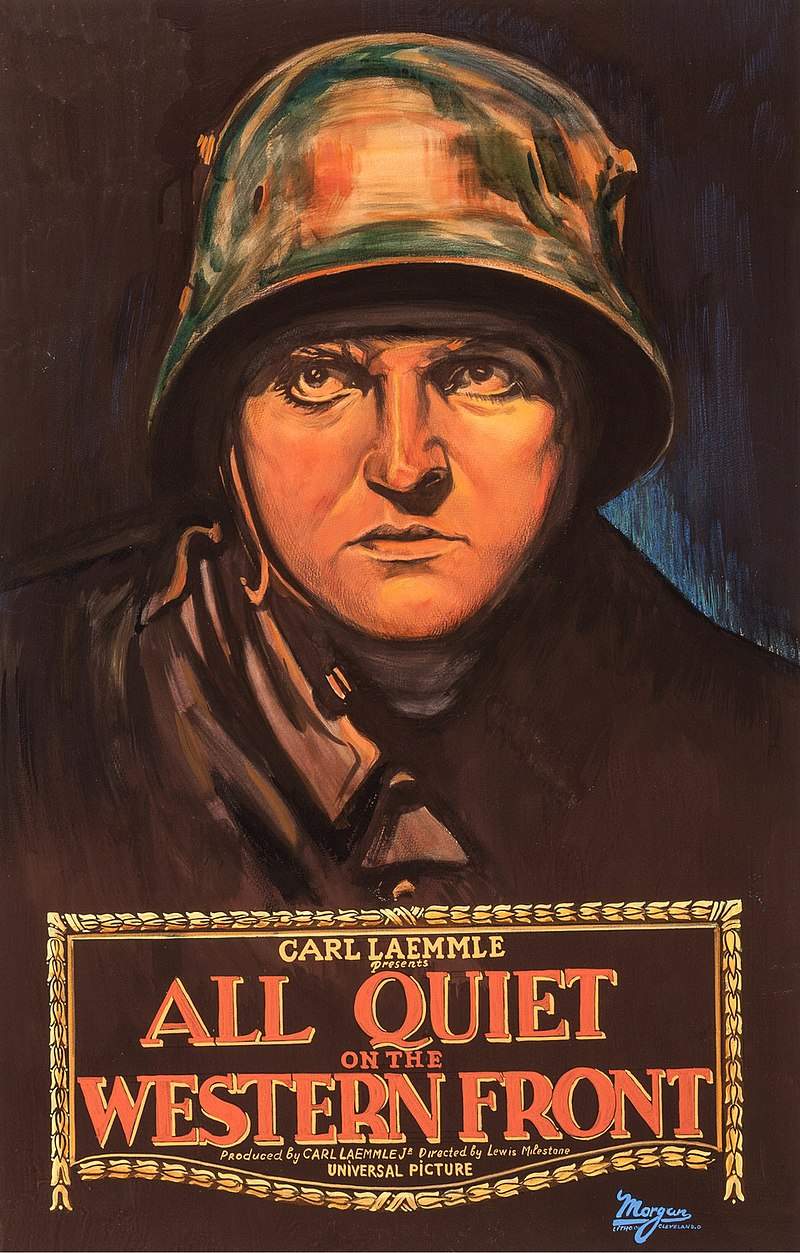
All Quiet on the Western Front (1979) movie poster

Characters & Themes

All Quiet on the Western Front (1979) Characters, Setting & Themes Explained

Release, runtime and language
1979 · 150 mins · English
JustWatch #16,305
Directed by
Delbert Mann
Starring
Ian Holm, Ernest Borgnine, Patricia Neal, Donald Pleasence, Richard Thomas, Ewan Stewart

They enlist as boys, dreaming of glory, but never return as men. At the start of World War I, idealistic German student Paul Baumer, inflamed by school propaganda, joins the army with his friends straight after graduation. The brutal reality of trench warfare shatters their patriotism; as comrades die or are maimed, Paul confronts the senseless cruelty of fighting over a few hundred yards of shattered countryside.

On this page (8)
  1. 1 Where to watch
  2. 2 Characters explained (3)
  3. 3 Where & when it takes place
  4. 4 Themes & meaning (2)
  5. 5 Character & meaning questions
  6. 6 Movie threads
  7. 7 Movies like All Quiet on the Western Front
  8. 8 Every angle

Where to watch

Where to Watch All Quiet on the Western Front (1979)

Where can you watch All Quiet on the Western Front? Stream, rent or buy it in the US, including on Amazon Prime Video, fuboTV and Kanopy: current JustWatch availability with up-to-date prices.

Streaming availability powered by JustWatch

3 main characters · contains spoilers

All Quiet on the Western Front Characters Explained: Who Is Who

The main characters of All Quiet on the Western Front (1979), heroes and villains: what drives them, how they change over the course of the story and what each of them reveals about the film's bigger ideas.

  • Paul Bäumer (Richard Thomas)

    A young soldier, Paul is driven by patriotism but becomes disillusioned by the horrors of war. His empathetic nature and moral struggles depict the emotional toll of combat. Paul’s character embodies innocence lost and the questioning of the heroic ideals of war.

    • 🌱 Youth
    • 💔 Disillusioned soldier
  • Stanislaus 'Kat' Katczinsky (Ernest Borgnine)

    An experienced and resourceful soldier, Kat is a mentor figure for the younger troops. Despite his toughness, he shows signs of vulnerability and deep camaraderie. His survival instincts and leadership highlight the importance of unity in adversity.

    • 🛡️ Leader
    • 🤝 Loyal friend
  • Paul's Mother (Patricia Neal)

    A caring and protective figure, she symbolizes the civilian lives waiting outside the chaos of war. Her concern underscores the emotional distance and the sacrifices made by loved ones during wartime.

    • ❤️ Maternal
    • 😢 Longing

Last updated: August 19, 2025 at 04:45

Was this helpful?

Setting

Where and When Does All Quiet on the Western Front Take Place?

The setting of All Quiet on the Western Front (1979): the year and time period, the places and locations, and how they shape the characters, the mood and the tension of the story.

Time period

1917

The events take place during 1917, the third year of World War I. This period was marked by entrenched trench warfare, significant casualties, and strategic negotiations for peace. It was a time of global conflict that deeply affected soldiers and civilians alike, with technological advancements like tanks and gas attacks changing the nature of warfare.

Location

Western Front, France, Germany

The movie is set mainly on the Western Front during World War I, a brutal and deadly battleground characterized by trenches, barbed wire, and artillery. The French countryside and German territories serve as the backdrop for intense combat, military camps, and makeshift field hospitals. These locations are pivotal in showcasing the harsh realities of WWI battles and soldiers' lives.

  • 🌍 War zone
  • 🏞️ Trench warfare
  • 🇫🇷 French countryside

Last updated: August 19, 2025 at 04:45

Was this helpful?

2 major themes

All Quiet on the Western Front Meaning: Themes & Message Explained

What is All Quiet on the Western Front (1979) really about? The emotional, social and philosophical themes the film keeps returning to, its symbolism and the message beneath the surface.

  • War and Sacrifice

    The movie explores the brutal realities of war, emphasizing the physical and psychological toll on soldiers. It highlights themes of sacrifice, loss, and the futility of violence, as characters face death and despair while fighting for their country. The story underscores the personal costs behind nationalistic motives and the senseless destruction caused by conflict.

  • Futility and Humanity

    A central theme is the futility of war, where soldiers’ efforts seem meaningless amidst mass casualties and destruction. It also examines lost innocence and the struggle to retain humanity in the face of violence. Characters grapple with fear, grief, and moral dilemmas, revealing the emotional scars inflicted by war.

Last updated: August 19, 2025 at 04:45

Was this helpful?

Character & theme questions

All Quiet on the Western Front Characters & Meaning: Your Questions Answered

The questions people ask about All Quiet on the Western Front (1979): who the characters really are, their relationships, what the symbols mean, where it takes place and what the movie is really about. Each answer contains spoilers.

Q1

Where is All Quiet on the Western Front set?

The movie is set on the Western Front during World War I, primarily in the trenches of the French countryside and German territories. This battleground was characterized by endless networks of trenches, barbed wire, and devastated land where some of the war's deadliest fighting occurred.

  • western front
  • trench warfare
  • ww1 settings
  • french countryside
  • germany
Q2

What was the Western Front like in World War I?

The Western Front was a brutal and deadly battlefield spanning across France and Belgium. Soldiers lived in muddy trenches, faced constant artillery fire, and dealt with harsh conditions including gas attacks and disease. The landscape was decimated by constant bombardment, with few landmarks remaining except destruction.

  • western front
  • trench warfare
  • ww1 combat
  • battlefield conditions
Q3

When does All Quiet on the Western Front take place?

The movie takes place in 1917, the third year of World War I. This was a pivotal period marked by entrenched trench warfare, massive casualties on both sides, and the emergence of new military technologies like tanks and chemical weapons.

  • 1917
  • ww1 timeline
  • world war 1 year
Q4

Why is 1917 significant in World War I?

1917 was significant because it was a year of tremendous loss and strategic stalemate. Both sides had suffered millions of casualties fighting over small patches of devastated land. The United States entered the war that year, and Russia eventually withdrew following its revolution, changing the war's dynamics.

  • 1917
  • ww1 history
  • american entry ww1
  • russian revolution
Q5

What are the main themes in All Quiet on the Western Front?

The movie explores two central themes: war and sacrifice, and futility and humanity. It depicts the brutal physical and psychological toll of combat, while also examining how soldiers struggle to maintain their humanity amid the senseless destruction and mass casualties of war.

  • war themes
  • sacrifice theme
  • futility
  • humanity theme
  • loss of innocence
Q6

What does the movie say about war and sacrifice?

The movie portrays war as a destructive force that shatters youthful idealism and patriotic dreams. It emphasizes the personal costs of conflict, the death, maiming, and psychological trauma that soldiers endure, questioning whether nationalistic motives justify the tremendous human sacrifice involved.

  • war critique
  • patriotism
  • soldier sacrifice
  • military propaganda
Q7

Who is Paul Bäumer in the movie?

Paul Bäumer is the film's protagonist, a young German student who enlists after being inspired by school propaganda about glory and national duty. As the story progresses, he becomes disillusioned with war as he witnesses the brutal reality of trench combat and the death of his comrades.

  • paul bäumer
  • protagonist
  • german soldier
  • youth idealism
Q8

Who is Katczinsky and what role does he play?

Katczinsky is an experienced veteran soldier who serves as a mentor to the younger troops, including Paul. Known for his resourcefulness and survival instincts, he provides guidance and emotional support to the new recruits while demonstrating the camaraderie that develops among soldiers facing death together.

  • katczinsky
  • stanislaus katczinsky
  • veteran soldier
  • mentor figure
Q9

What does the movie say about the futility of war?

The movie emphasizes that World War I's trench warfare made soldiers' efforts seem meaningless, fighting and dying for a few hundred yards of shattered countryside. This futility is reinforced by the tragic ending where the main characters perish just as the war ends, underscoring the senselessness of their sacrifice.

  • war futility
  • trench warfare
  • senseless sacrifice
  • wwi criticism
Q10

How does the movie portray lost innocence?

The movie follows Paul and his friends who enlist as idealistic young men dreaming of glory but never return as men. Their transformation from patriotic students to traumatized soldiers illustrates how war systematically destroys youthful idealism and innocence through the horrors they witness and commit.

  • lost innocence
  • youth
  • destruction of idealism
  • coming of age war
Q11

What is the tone of All Quiet on the Western Front?

The movie has an overwhelmingly bleak tone, defined by a pervasive sense of despair, futility, and the systematic destruction of youthful idealism. The pacing is steady as it methodically progresses through the stages of war, and the emotional weight is heavy, dealing unflinchingly with death, injuries, and psychological breakdown.

  • movie tone
  • bleak tone
  • war film atmosphere
  • emotional tone

Movie threads

More Movies Like All Quiet on the Western Front, by Mood & Story

Curated lists built around what makes All Quiet on the Western Front tick: the same mood, the same kind of story or the same emotional payoff. Each list explains why these movies belong together.

Grim anti-war movies like All Quiet on the Western Front

Stories that strip away glory to reveal the brutal, futile reality of combat. These films, like 'All Quiet on the Western Front,' explore the brutal reality and psychological trauma of warfare. If you were moved by its unflinching look at the futility and dehumanization of combat, you'll find similar powerful and devastating stories here. They share a bleak tone and heavy emotional weight.

  • grim
  • brutal
  • devastating
  • somber
  • dehumanizing
  • futility
  • Tone: bleak, devastating
  • Pacing: steady, methodical
Why these movies?

The story pattern: Narratives in this thread often follow a disillusionment arc, where characters—often young and idealistic—enter a conflict with patriotic fervor only to have their spirits broken by the relentless horror. The plot is typically episodic, focusing on the collective struggle for survival against an impersonal war machine rather than individual glory, leading to tragic or deeply sad conclusions.

Why they belong together: Movies are grouped here based on their shared commitment to an anti-war message conveyed through visceral, unglamorous portrayals of combat. They prioritize mood and theme over plot, creating a coherent experience defined by bleakness, high intensity, and a heavy emotional focus on loss and trauma.

Movies about shattered idealism like All Quiet on the Western Front

Journeys where hopeful idealism is crushed by a harsh, unforgiving reality. If the tragic arc of Paul Bäumer's lost innocence in 'All Quiet on the Western Front' resonated with you, explore these films. They feature similar journeys where hopeful characters have their idealism crushed by harsh realities, leading to sad or bittersweet endings and a heavy emotional impact.

  • somber
  • tragic
  • disillusionment
  • devastating
  • psychological
  • anxious
  • Tone: somber, bleak
  • Pacing: steady, character-driven
Why these movies?

The story pattern: The narrative pattern is a clear downward trajectory. A protagonist, often young, enters a new world (war, a new society, a demanding institution) filled with idealism. Through a series of harsh experiences, their worldview is shattered, leading to cynicism, trauma, or destruction. The structure is straightforward, focusing intensely on the protagonist's internal psychological collapse.

Why they belong together: These films are united by their central focus on the theme of disillusionment. They share a somber, often bleak mood and a steady pacing that allows the emotional weight of the character's decline to build effectively. The similarity lies in the core emotional journey, regardless of the specific setting.

If you liked this

Movies Like All Quiet on the Western Front

Similar movies to All Quiet on the Western Front: the same genre, themes or kind of story. Each one comes with its own plot summary, timeline and ending explained.

Browse all movie summaries

Every angle

All Quiet on the Western Front (1979) Explained: Plot, Timeline & Characters

Everything about All Quiet on the Western Front in one place: what happens in the plot summary, the timeline in chronological order, the characters and meaning and a spoiler-free summary. What's After the Movie adds the cast, box office and post-credit scenes.

Coming soon on iOS and Android

The Plot Explained Movie Summary App

Plot summaries, endings explained and timelines on your phone. Catch up on any movie in minutes, save your favorites and never miss a twist again.

Be the first to know when we launch. Your email stays private, always.

Learn more about the app