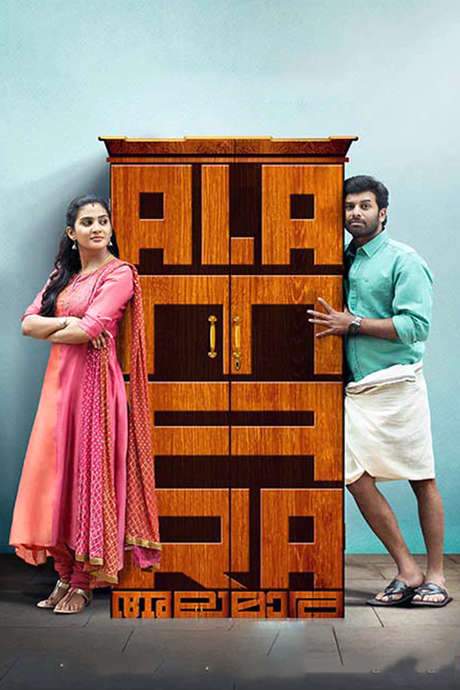
The wardrobe in this film opens as a quiet narrator and gradually becomes a bold metaphor for how parental interference can shape a newly married couple’s life. The story follows Arun Pavithran, Sunny Wayne, a man stymied by a stubborn horoscope that prevents him from finding a suitable bride. After his would-be fiancée elopes with her lover, Arun relocates to Bangalore to focus on his work and rethink his path. His sister asks him to help with Swati, Aditi Ravi, a woman who has just moved to Bangalore for training, and when they meet, Arun is instantly taken with her, and Swati agrees to marry him. Meanwhile, a gang loyal to Sreerama Shetty presses Arun to sell his plot of land, adding external pressure to his personal journey.
Arun’s parents are not convinced about Swati, but he pushes ahead and arranges a meeting with Swati’s parents to fix the wedding. They respond with a condition: Arun’s family should also organize a wedding for his sister at the same time. The plan strains the family dynamic, and Arun’s mother—Seema G Nair in the role of Sukumari—ends up calling off the wedding. Still, Arun and Swati persevere, and their marriage takes place despite the visible disapproval of their families.
Swati’s family gifts the couple a wooden wardrobe, a traditional token that soon becomes a source of friction as Arun’s mother complains that it takes up too much space. After moving to Bangalore, Swati asks Arun to bring the wardrobe to their new home, and he reluctantly agrees. But the wardrobes’ presence foreshadows deeper tensions: the families begin to interfere in daily life, stoking small conflicts that threaten the couple’s peace.
Trouble escalates when Arun’s lawyer asks for the documents related to a disputed plot of land. He discovers that those documents are locked inside the wardrobe, which Swati has kept locked while she is in Mumbai for training. With no other option, he and his friends hire a thief, Bijukuttan, to break the lock and retrieve the papers. They submit the papers at the police station, but a police officer sides with Shetty and declares the documents fake. Sreerama Shetty and his gang encroach on the land, yet Arun and his allies—backed by goons arranged by his uncle—hold them off, presenting a fight that blends camaraderie with desperation.
When Swati returns, she finds the wardrobe’s lock broken and her necklace missing. A heated confrontation with Arun follows, and Shetty’s threats grow more ominous, warning that they must leave Bangalore or face dire consequences. Swati decides to return to Kerala, and the couple’s attempt at a reconciliation is tested further when they attend a marriage-counseling session that fails to bring their families together. The pair ultimately divorces, marking a painful but decisive moment in their lives.
In the aftermath, both Arun and Swati encounter other potential partners, yet the fear of repeating the same mistakes lingers. Arun—afraid of commitment—begins to reassess his choices, and the possibility of reconciliation with Swati gradually reemerges. Ultimately, they decide to try again, choosing to restart their life together with a renewed sense of distance from the constant family meddling, and a cautious optimism about what their future could hold together.