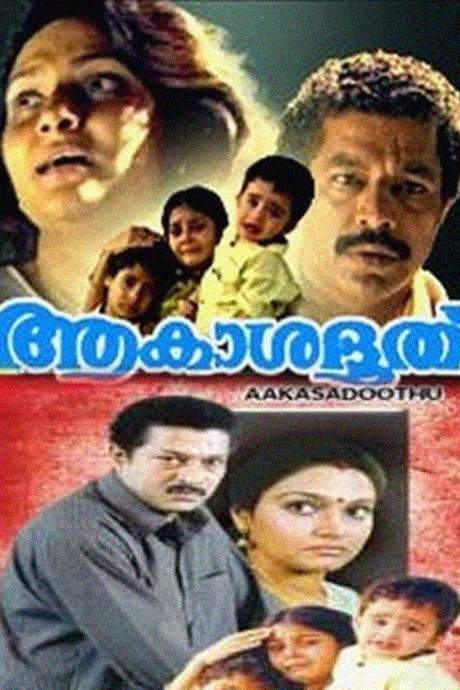
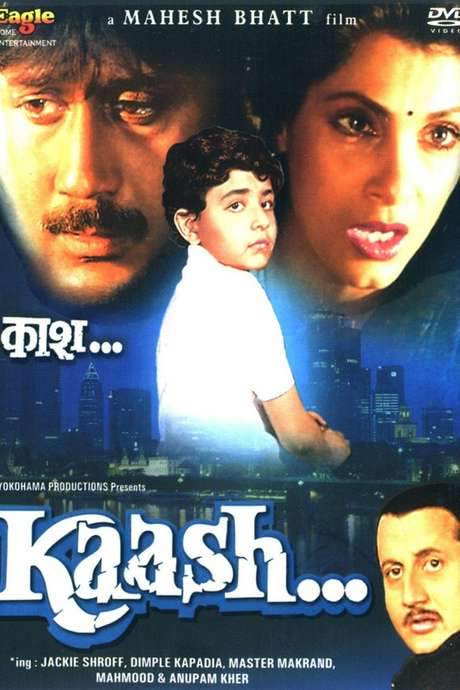
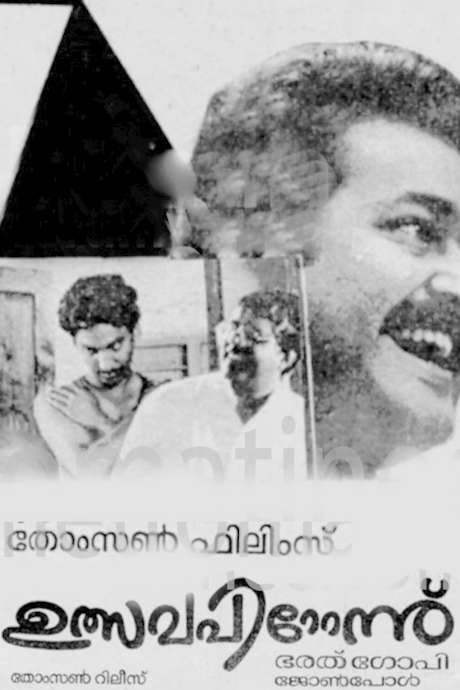
Johnny Murali and Annie Madhavi are a married couple who grew up together in an orphanage, sharing a deep bond that blossomed into a lifelong partnership. They build a modest life around their four children: Meenu Seena Antony, a teenage girl; and twin brothers Rony and Tony, who are about eight years old, along with Monu, a lively toddler. Rony, who uses a wheelchair, is particularly close to his twin, and the family does their best to keep spirits high despite limited means. Johnny works as a jeep driver while Annie teaches violin, pouring care into every small moment that keeps their household afloat. The family’s happiness is frequently tested by financial strain and Johnny’s recurring drinking, which leads him to spend much of his earnings at the local toddy shop. Yet even in these rougher patches, warmth and love hold the family together.
A violent confrontation with Keshavan N F Varghese, a milk-delivery man with a grudge, begins to tear at that fragile balance. After an altercation in which Keshavan feels humiliated in front of his family, the tension simmers until a tragic day when he spots Tony riding a bicycle home. Driving with dangerous speed, he knocks Tony off the road with his van. Tony is badly injured, and the emergency room becomes a tense theater of fear and hope as the doctors work to stabilize him. Tony’s condition is serious enough to require a blood transfusion, yet when doctors search for compatible donors, they discover a shocking obstacle: Annie’s blood, though healthy in most ways, carries abnormal characteristics that render it unsuitable for transfusion.
The hospital visit becomes a turning point. After more tests, Annie is diagnosed with a late-stage leukemia, and the prognosis is bleak—only a few months to live, perhaps a year at most. The news shatters Johnny and Annie, but it also triggers a personal transformation in Johnny; the alcohol-fueled haze lifts as he steps up to become a more responsible partner and father. Despite this renewed resolve, tragedy strikes again when Johnny is fatally attacked by Keshavan while returning home with medicine for Annie. Annie is devastated by the loss, yet she resolves to shield her children from the fate she herself has faced—growing up in the shadow of an orphanage.
With her days numbered, Annie makes a heart-wrenching decision to arrange for her children to be adopted, hoping to secure them stable, loving homes. She confesses nothing of the true reason to the children, instead telling them that the money she earns from teaching isn’t enough and that she will be going to Germany, so they will go to new houses and new parents who can take care of them. Meenu senses the gravity of the situation and, though worried, supports her mother; Annie and Father Vattappara Nedumudi Venu navigate the delicate process of placing the children with adopters who can provide for them.
Monu is soon adopted by a leading Doctor Prem Prakash, a hopeful sign that even the younger child will have opportunity. Annie longs for Rony and Tony to stay together, but finding a family willing to adopt the disabled boy proves difficult. Ultimately, Tony is placed with a wealthy business family, while Meenu agrees to leave with her new parents, driven by a belief that the family’s bond must endure even if they are separated. The only child left behind is Rony, whose disability makes adoption even more urgent and complex. Throughout this period, Annie continues to support Rony from afar and to seek a secure future for him, while Father Vattappara helps shepherd the arrangements with quiet faith.
As Christmas approaches, Annie receives a doctor’s note that her days are finite. She longs to celebrate the holiday at home with all her children and orchestrates a farewell-filled plan to keep them connected. She writes a letter to Meenu, urging her to maintain contact with her brothers so their sibling bond does not fade. In a moment of poignant irony and heartbreak, she experiences a dream in which all her children appear at her door, only to awaken and confront the reality of her limited time. The next moments are marked by a quiet, trembling ritual: she prays before the Crucifix, hoping for just one more day to see her children, and senses a final, irreversible end as she witnesses real blood on the wounds of Jesus. Death comes that night, and Rony discovers her body at the quiet hour after the funeral.
The funeral scene brings together the families who have taken in the children and marks a bittersweet farewell. As the adults depart, the siblings and their adoptive families share tearful goodbyes, and Rony is prepared to be taken to the orphanage by Father Vattappara. In a final act of grace, Tony’s adoptive parents return, and Tony races to Rony, embracing him tightly. Moved by the reunion, Tony’s new parents decide to take Rony in as well, ensuring that the two brothers remain connected in the only way left to them. The film closes on this note of enduring family ties—the promise that love can bridge even tragic losses and separate paths, uniting siblings once more in the face of life’s harshest challenges.