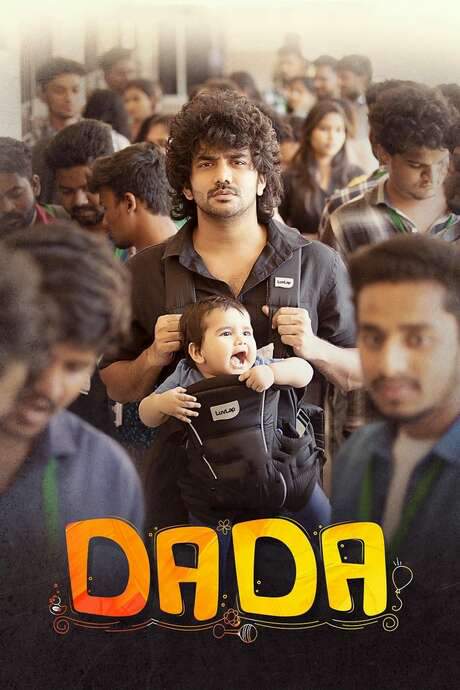
Dayalan is a Tamil lecturer in a private arts and science college who is widely loved for his caring approach, friendly nature, and open-minded stance on empowering students. Yet many colleagues resent him, including the college principal Singaperumal. The campus atmosphere is tense, split along two dominant caste groups that frequently clash, testing Dayalan’s commitment to unity.
Pazhanimuthu, Singaperumal's only son, secretly loves his classmate Podhumponnu, but he struggles to find the courage to confess. Podhumponnu has a positive image in the eyes of her classmate Aadhi, who comes from a poor family, setting up a contrast between ambition and circumstance that threads through the college life. The social divide intensifies the pressure on every student to choose sides, yet Dayalan refuses to let caste define the campus. He works tirelessly to calm tensions and encourage students to look beyond their backgrounds, gradually showing that education can be a powerful equalizer.
Dayalan’s personal life also evolves as he falls for his colleague Pachiammal, and the two eventually marry, reinforcing his belief in progressive, inclusive values. Boldly, he proposes forming a group called the Students Parliament, envisioned to take on day-to-day responsibilities like maintaining cleanliness and improving infrastructure. This plan sparks resistance from Singaperumal and several lecturers, who view it as a threat to the old order. Yet the media begins to echo Dayalan’s vision, painting the college in a favorable light and giving the initiative broader legitimacy.
Alongside this, Dayalan champions practical opportunities for students by arranging campus interviews and coordinating with external organizations to set up a placement process that would benefit students from poorer backgrounds. The idea gains momentum and starts to become a model for other arts and science colleges, signaling a shift in how education can uplift communities.
Amid these unfolding developments, Aadhi secures a promising job offer and dreams of lifting his family out of hardship. Some teachers who had opposed Dayalan’s reform gradually come around, but Singaperumal’s ego keeps him from full support. Tensions flare as Singaperumal increasingly targets students, ejecting Aadhi from his class and prompting Pazhani to withdraw as well. The two ride away on a motorcycle, only to be involved in a severe accident where Aadhi dies and Pazhani is badly injured.
The tragedy shakes the college and guilt gnaws at Singaperumal, who begins to rethink his stance. In a decisive moment, he apologizes and takes responsibility for Aadhi’s death, making a pledge that Pazhani will look after Aadhi’s family. Behind the scenes, Dayalan had secretly recorded conversations with caste leaders who had returned to pressure the college, exposing their real motives to the student body. The truth galvanizes the students to unite and expel the caste leaders from the campus, delivering a powerful message about solidarity over division. Singaperumal’s remorse and the promise to care for Aadhi’s family mark a turning point, while the broader campus community moves forward with a renewed commitment to equality and opportunity.
This story centers on resilience, reform, and the belief that education can bridge divides. It highlights how thoughtful leadership and collective action can challenge entrenched hierarchies, transforming a school into a space where every student has a chance to grow, regardless of background.