Year: 1976
Runtime: 146 mins
Language: Hindi
Director: Narendra Bedi
Honest farmer Dharamchand, called Dharma, celebrates his son Raju's birth. He rescues three men from a tiger, who later promise him work in Bombay. Drought drives Dharma, his family, to Bombay, where Ajit makes him manager. Falsely arrested, he's sentenced to 18 months plus six for contempt. Returning home, he finds his family destitute; Laxmi, raped by Sujit, killed herself.
Warning: spoilers below!
Haven’t seen Adalat yet? This summary contains major spoilers. Bookmark the page, watch the movie, and come back for the full breakdown. If you're ready, scroll on and relive the story!
Read the complete plot breakdown of Adalat (1976), including all key story events, major twists, and the ending explained in detail. Discover what really happened—and what it all means.
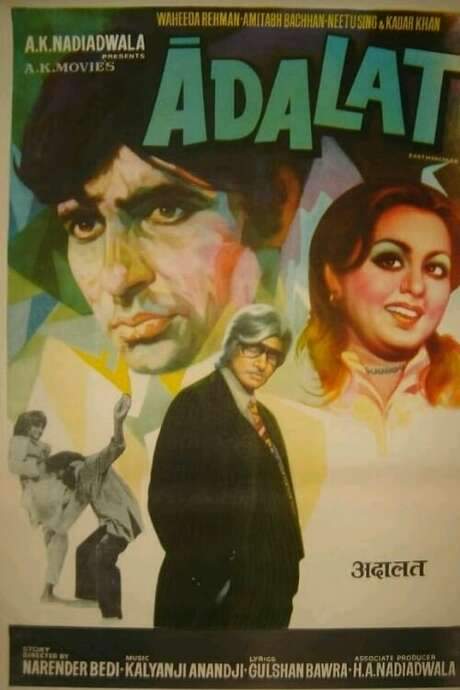
Amitabh Bachchan stars as Dharam Chand, known as Dharma, a warm-hearted village farmer whose life revolves around his wife Waheeda Rehman Radha and their newborn son, Raju. When Ajit Anwar Hussain, Sujit Sujit Kumar, and a friend named Suresh rush to their aid after a tiger attack, the grateful trio offers Dharma a future in Bombay: a job in a city warehouse if he ever decides to visit. The family’s simple joy is tested by hardship, and when a severe drought and economic strain grip their village, they uproot to the bustling metropolis, where Ajit makes Dharma the manager of his warehouse.
In Bombay, Dharma proves to be honest and courteous, earning the trust of his bosses and neighbors alike. Yet a cruel twist of fate awaits. Dharma is tricked into signing a document that makes him the owner of the very warehouse he’s been managing for others. A police raid soon follows, and he is arrested on charges of trafficking gold and drugs. His ignorance of the law and the manipulation of his employers pull him into a system that treats him as guilty before proven innocent. The judge sentences him to 18 months in jail, with an additional six months for contempt of court, leaving his wife and family to endure hardship back home. Sujit visits the destitute family with offers of compensation, but Radha refuses any money tied to ill-gotten wealth. She toils as a maid and stitches clothes for locals, her health strained by pregnancy. While Radha fights to hold the family together, a tragedy unfolds: she suffers a fall and is hospitalized, where Laxmi Heena Kausar—Dharma’s sister-in-law—grapples with the grim reality around her.
Laxmi, trying to secure medicine prescribed by the doctor, seeks help from Sujit. He provides money, but a brutal act follows: he rapes her before she can reach the hospital. Laxmi arrives with the medicine, and Dharma, then on parole, receives her with the fevered news that their baby has died—born of Radha’s own suffering and the earlier accident. The moment Dharma learns of the baby’s death and Radha’s frailty, his heartbreak hardens into resolve. When he returns, his bosses offer compensation, but he rejects it, insisting that the real losses—the baby and his sister—be accounted for. The seeds of vengeance take root, and the man who once wore his honesty like a badge starts moving along a darker path.
The climax unfolds with calculated ruthlessness. Dharma pressures Sujit to confess, getting him to write a letter of admission and then destroying him by making it look like suicide. Inspector Khan [Kader Khan] arrives, but without hard evidence he cannot arrest Dharma, and the cycle of suspicion continues. To shield his operation and secure his family’s future, Dharma seizes control of a hotel lease, binding himself with a modest monthly payment to keep enemies at bay. Yet Ajit’s shadow over Dharma’s life does not fade. He plants a bomb in Dharma’s home in a bid to wipe out Dharma’s family; Dharma survives but is severely injured, while Khan warns him that the life he’s chosen will eventually destroy him.
Dharma then targets Suresh, straining the already fragile thread of their criminal enterprise. He lures Suresh into a drunken clarity, extracts what he can, and pushes him down the stairs to stage an accident. Khan returns, still unable to pin anything on Dharma due to lack of conclusive evidence. After recovering, Dharma eliminates Ajit, severing the last ties to the old circle of crime, and moves to sever the toxic influences from his son’s life by sending Raju to London for education. Years pass, and Raju [Amitabh Bachchan] returns, ready to marry Geeta Verma [Neetu Singh] in London. Yet Dharma’s insistence on honoring a prior promise complicates the path to his son’s happiness: he had pledged to unite Raju with his business partner Rajan’s daughter, a decision bound up with old loyalties and a web of shifting allegiances.
Rajan, a former Ajit associate and a figure connected to Dharma’s business, becomes a thorn in Dharma’s side when he discovers that Ajit is not truly gone. Under pressure, Rajan leans toward Ajit’s camp and plots to end Dharma’s hold on the family and business. In a harrowing turn, a failed attempt to kill Dharma ends up costing Dharma’s wife Radha her life. Realizing the truth behind Khan’s cautions, Dharma faces the bitter reality of his choices. In a final, fateful duel with his rivals, he chooses to risk everything to secure his son’s future, even as the weight of his past closes in around him. The story ends with Dharma steering toward his own reckoning, a man who sought justice for his family but found that the road to redemption could ultimately demand the hardest sacrifice.
Last Updated: October 09, 2025 at 12:41
Discover curated groups of movies connected by mood, themes, and story style. Browse collections built around emotion, atmosphere, and narrative focus to easily find films that match what you feel like watching right now.
When injustice breaks a good man, pushing him towards a destructive path of revenge.If you were captivated by Adalat's story of a honest man's dark transformation, explore more movies like it. These films feature protagonists pushed to the edge by injustice, leading them on a violent quest for retribution that often costs them their former selves.
These narratives typically begin with a stable, moral protagonist whose life is devastated by a corrupt force or a terrible crime. The central conflict becomes internal as much as external, charting the protagonist's gradual or sudden embrace of violence as a necessary evil, often culminating in a pyrrhic victory that leaves them morally scarred.
Movies in this thread share a high-intensity, dark tone and a heavy emotional weight. They focus on the psychological cost of revenge, exploring themes of moral corruption, sacrifice, and the cyclical nature of violence, creating a consistently tense and gritty viewing experience.
Personal loss and family tragedy fueling a grim and determined quest for justice.For viewers who appreciated the heavy family tragedy and grief-driven revenge plot in Adalat, this collection features similar stories. Discover movies where a family's destruction sets a protagonist on a bleak, high-stakes path, blending intense drama with action.
The story arc is triggered by a devastating personal loss—often the death or assault of a family member—that destroys the protagonist's world. The narrative then follows their methodical and often bleak pursuit of the perpetrators, where the line between justice and vengeance blurs amidst overwhelming sorrow and anger.
This thread groups films based on their core motivation of familial grief and loss, combined with a dark, gritty atmosphere. They share a high emotional weight, steady pacing that builds tension, and a focus on the devastating impact of crime on ordinary families, leading to extreme actions.
Don't stop at just watching — explore Adalat in full detail. From the complete plot summary and scene-by-scene timeline to character breakdowns, thematic analysis, and a deep dive into the ending — every page helps you truly understand what Adalat is all about. Plus, discover what's next after the movie.
Track the full timeline of Adalat with every major event arranged chronologically. Perfect for decoding non-linear storytelling, flashbacks, or parallel narratives with a clear scene-by-scene breakdown.
Discover the characters, locations, and core themes that shape Adalat. Get insights into symbolic elements, setting significance, and deeper narrative meaning — ideal for thematic analysis and movie breakdowns.
Get a quick, spoiler-free overview of Adalat that covers the main plot points and key details without revealing any major twists or spoilers. Perfect for those who want to know what to expect before diving in.
Visit What's After the Movie to explore more about Adalat: box office results, cast and crew info, production details, post-credit scenes, and external links — all in one place for movie fans and researchers.
Discover movies like Adalat that share similar genres, themes, and storytelling elements. Whether you’re drawn to the atmosphere, character arcs, or plot structure, these curated recommendations will help you explore more films you’ll love.
Adalat (1976) Scene-by-Scene Movie Timeline
Adalat (1976) Movie Characters, Themes & Settings
Adalat (1976) Spoiler-Free Summary & Key Flow
Movies Like Adalat – Similar Titles You’ll Enjoy
Indian (2001) Film Overview & Timeline
Aadi (2002) Full Summary & Key Details
Badal (2000) Full Movie Breakdown
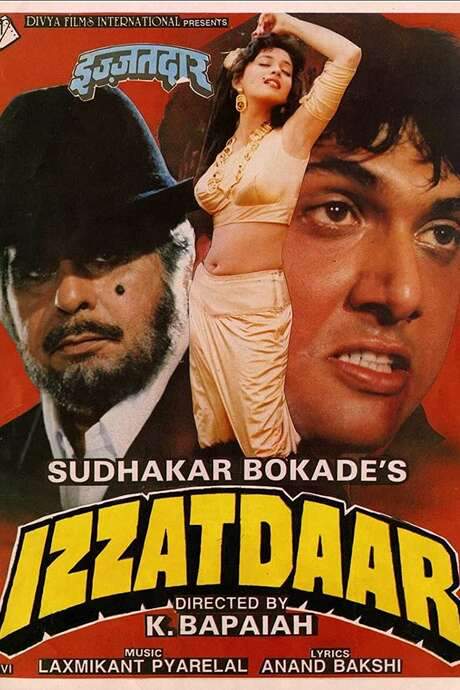
Izzatdaar (1990) Full Summary & Key Details
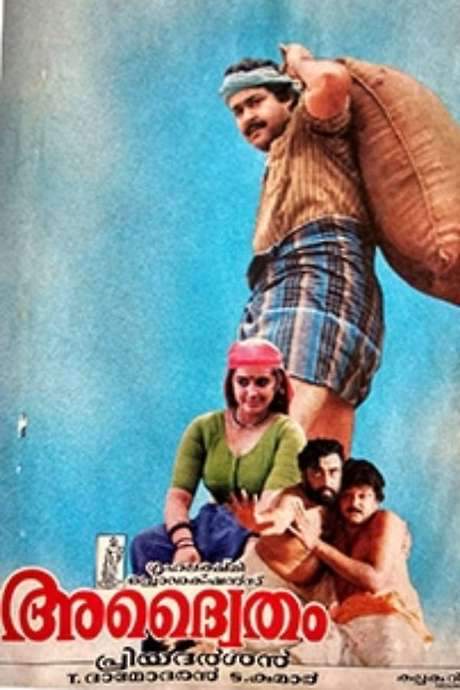
Adwaytham (1991) Plot Summary & Ending Explained
Dharma Durai (1991) Plot Summary & Ending Explained
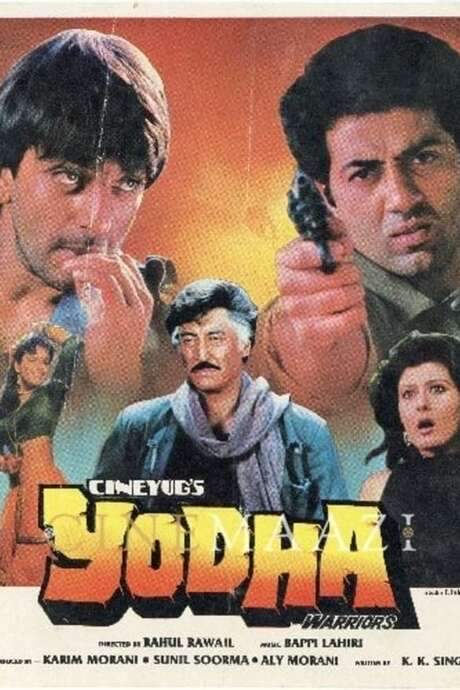
Yodha (1991) Ending Explained & Film Insights
Aakhri Adaalat (1988) Plot Summary & Ending Explained
Darbar (2020) Spoiler-Packed Plot Recap
Adavi Donga (1985) Complete Plot Breakdown
Darbar (2020) Complete Plot Breakdown
Laadla (1994) Detailed Story Recap
Yeshwant (1997) Detailed Story Recap
Amaanat (1994) Plot Summary & Ending Explained
Tirangaa (1993) Film Overview & Timeline