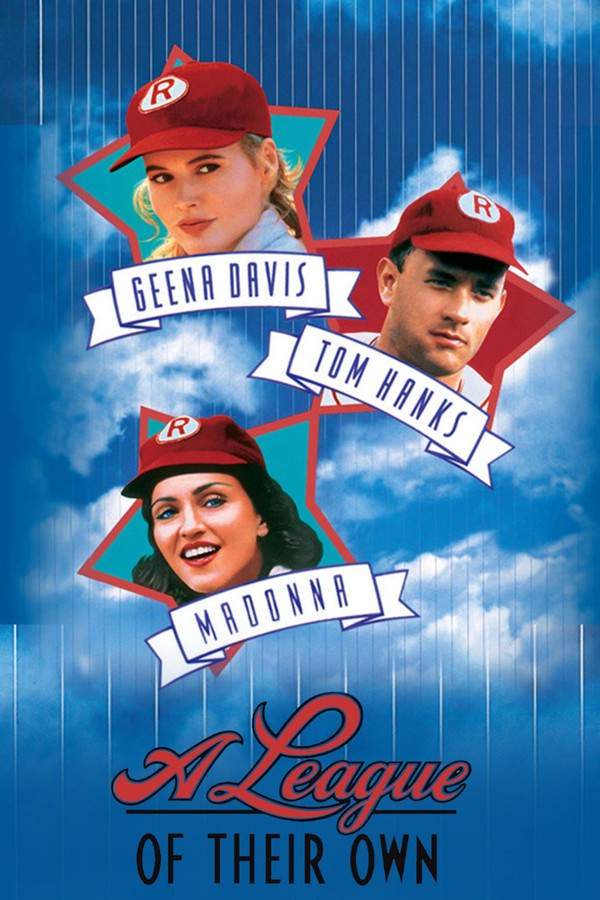














During World War II, with many male baseball players serving overseas, an all-female professional league is formed to keep the sport alive. Sisters Dottie and Kit Hatcher join the team, facing challenges both on and off the field. They encounter a wisecracking coach determined to mold them into champions and a cast of memorable teammates. As they compete for success and recognition, the women confront personal rivalries, unexpected romance, and the societal barriers of the time.
Find where to stream, rent, or buy A League of Their Own (1992) in the US with current JustWatch availability, up-to-date pricing, and platform listings for subscription, rental, and digital purchase options.
Warning: spoilers below!
Haven’t seen A League of Their Own yet? This summary contains major spoilers. Bookmark the page, watch the movie, and come back for the full breakdown. If you're ready, scroll on and relive the story!
Trace every key event in A League of Their Own (1992) with our detailed, chronological timeline. Perfect for unpacking nonlinear stories, spotting hidden connections, and understanding how each scene builds toward the film’s climax. Whether you're revisiting or decoding for the first time, this timeline gives you the full picture.
Last updated: November 16, 2024 at 19:07
Find frequently asked questions about the A League of Their Own (1992) timeline, including chronological order, nonlinear jumps, cause-and-effect links, and scene sequence clarifications. This timeline FAQ helps explain when key events happen, how moments connect, and why the story unfolds in that specific order.
Dottie chose to leave with Bob because he had returned injured from the war and needed her. While Jimmy Dugan urged her to stay and play in the final game, Dottie felt she would regret leaving her husband, prioritizing their reunion over the championship. This decision reflected her internal struggle between her love for baseball and her loyalty to her marriage.
Earlier scenes showed Dottie waiting faithfully for Bob's return, establishing her devotion to him.
Kit was traded to the Racine Belles because growing tension between her and Dottie, fueled by jealousy over Dottie's rising fame and leadership role, made playing together untenable. The trade was a business decision by the team owners to separate the sisters and strengthen the Belles, creating a dramatic World Series matchup between the two siblings.
The sisters' competitive dynamic was established early, with both wanting to prove themselves.
The tension between Dottie and Kit stemmed from Kit's jealousy of Dottie's natural talent and leadership abilities. As Dottie became the team's star and appeared on the cover of Life magazine, Kit felt overshadowed and undervalued. This sibling rivalry intensified until a trade separated them, forcing them to face each other as opponents in the World Series.
Kit's initial push to join the league was driven by her desire to prove herself, setting up her resentment when Dottie excelled.
The All-American Girls Professional Baseball League disbanded after World War II ended in 1945. Once the male players returned from overseas, professional baseball resumed as normal and the women's league was no longer economically viable. However, the league's legacy endured, eventually leading to the 1988 Hall of Fame exhibit that brought the former players together.
The movie's framing device in 1988 hints at the league's eventual recognition long after it ended.
Jimmy Dugan was chosen as coach because the league needed a well-known former Major League player to attract attention and credibility to the women's league. Although he was a washed-up, hard-drinking former star, his reputation helped draw crowds and legitimize the new league. His journey from an reluctant, disengaged coach to a supportive leader became a key part of the team's success.
Walter Harvey's push to create the league required figures with baseball prestige to make it work.
The Belles won the World Series because Kit, now pitching for them, made the crucial winning play in the final game. Despite Dottie hitting a play that gave the Peaches the lead, Kit's determination and successful play secured the victory for the Belles. This created a bittersweet ending where Kit's triumph came at her sister's expense.
The trade of Kit to the Belles directly set up this dramatic sister-vs-sister showdown.
Dottie's appearance on the cover of Life magazine was a pivotal moment that validated the women's league and brought unprecedented attention to the sport. Her impressive catch behind home plate became an iconic image that helped draw larger crowds to games. Despite this success, the league owners remained skeptical about the league's future, showing the ongoing struggle for recognition.
The Life magazine moment transformed Dottie from a talented player into a symbol of the league.
The women's baseball league was created because World War II was draining male players from Major League Baseball as they served overseas. Chicago Cubs owner Walter Harvey convinced other team owners that a women's league could keep baseball alive and profitable during the war. This led to the formation of the All-American Girls Professional Baseball League in 1943.
The opening scenes establish the wartime context that necessitated the league's creation.
Betty Spaghetti received news that her husband was killed in combat during the war. This tragic event caused her to leave the Rockford Peaches during the World Series, leaving her teammates devastated at such a crucial moment. Her departure highlighted the personal losses many women faced while men served overseas.
The war's impact on players was established as a recurring emotional thread throughout the season.
In 1988, Dottie attended the opening of the All-American Girls Professional Baseball League exhibit at the Baseball Hall of Fame in Cooperstown. She reunited with her former teammates, and they gathered for a photo while playing baseball together, reflecting on how far women's sports had come since their time in the league. The ending emphasized nostalgia and the lasting bonds formed through their shared experience.
The entire film is framed by this 1988 reunion, creating a bittersweet retrospective tone.
Discover curated groups of movies connected by mood, themes, and story style. Browse collections built around emotion, atmosphere, and narrative focus to easily find films that match what you feel like watching right now.
Teamwork, perseverance, and heart triumph against the odds on and off the field.Discover movies like A League of Their Own that celebrate underdog teams and athletes. These films share a hopeful tone, steady pacing, and a focus on personal growth and teamwork, offering inspiring stories about overcoming obstacles in the world of sports.
These stories typically follow a linear season arc, building from initial dysfunction to a cohesive team unit. The central conflict is often external—societal prejudice, lack of funding, or a powerful rival—while internal character arcs focus on building self-confidence and learning the value of collaboration.
Movies are grouped here for their shared focus on athletic perseverance, the emotional payoff of teamwork, and a tone that balances competitive spirit with heartfelt character moments. They deliver an inspiring, often nostalgic, experience centered on collective achievement.

Groups thrown together by circumstance forge deep bonds that shape their lives.Explore movies like A League of Their Own about found families. These stories focus on groups brought together by circumstance who form deep bonds, often ending on a bittersweet but hopeful note as they reflect on their shared legacy.
The narrative follows the formation, challenges, and eventual dissolution of a temporary community. While the group may scatter, the film emphasizes the profound and lasting impact each member had on the others, often using a framing device to look back on this formative period with a mix of joy and melancholy.
This thread connects films that masterfully blend heartfelt camaraderie with the poignant acknowledgment that all good things must end. They share a mix of humor and drama, a medium emotional weight, and a focus on how shared experiences define us.
Don't stop at just watching - explore A League of Their Own in full detail. From the complete plot summary and scene-by-scene timeline to character breakdowns, thematic analysis, and a deep dive into the ending - every page helps you truly understand what A League of Their Own is all about. Plus, discover what's next after the movie.
Read a complete plot summary of A League of Their Own, including all key story points, character arcs, and turning points. This in-depth recap is ideal for understanding the narrative structure or reviewing what happened in the movie.
Discover the characters, locations, and core themes that shape A League of Their Own. Get insights into symbolic elements, setting significance, and deeper narrative meaning - ideal for thematic analysis and movie breakdowns.
Discover movies like A League of Their Own that share similar genres, themes, and storytelling elements. Whether you’re drawn to the atmosphere, character arcs, or plot structure, these curated recommendations will help you explore more films you’ll love.
A League of Their Own (1992) Plot Summary & Movie Recap
A League of Their Own (1992) Scene-by-Scene Movie Timeline
A League of Their Own (1992) Spoiler-Free Summary & Key Flow
Movies Like A League of Their Own – Similar Titles You’ll Enjoy
For Love of the Game (1999) Spoiler-Packed Plot Recap
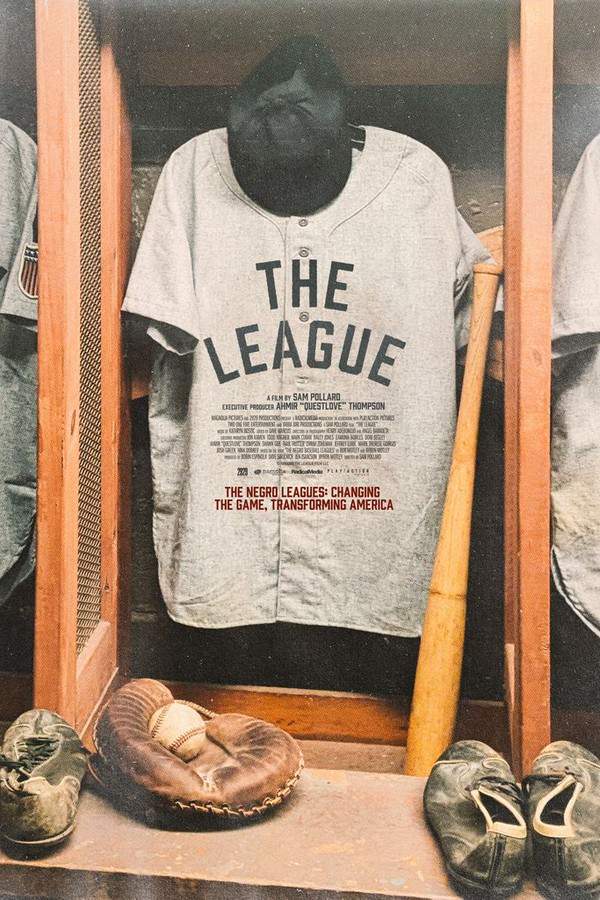
The League (2023) Movie Recap & Themes
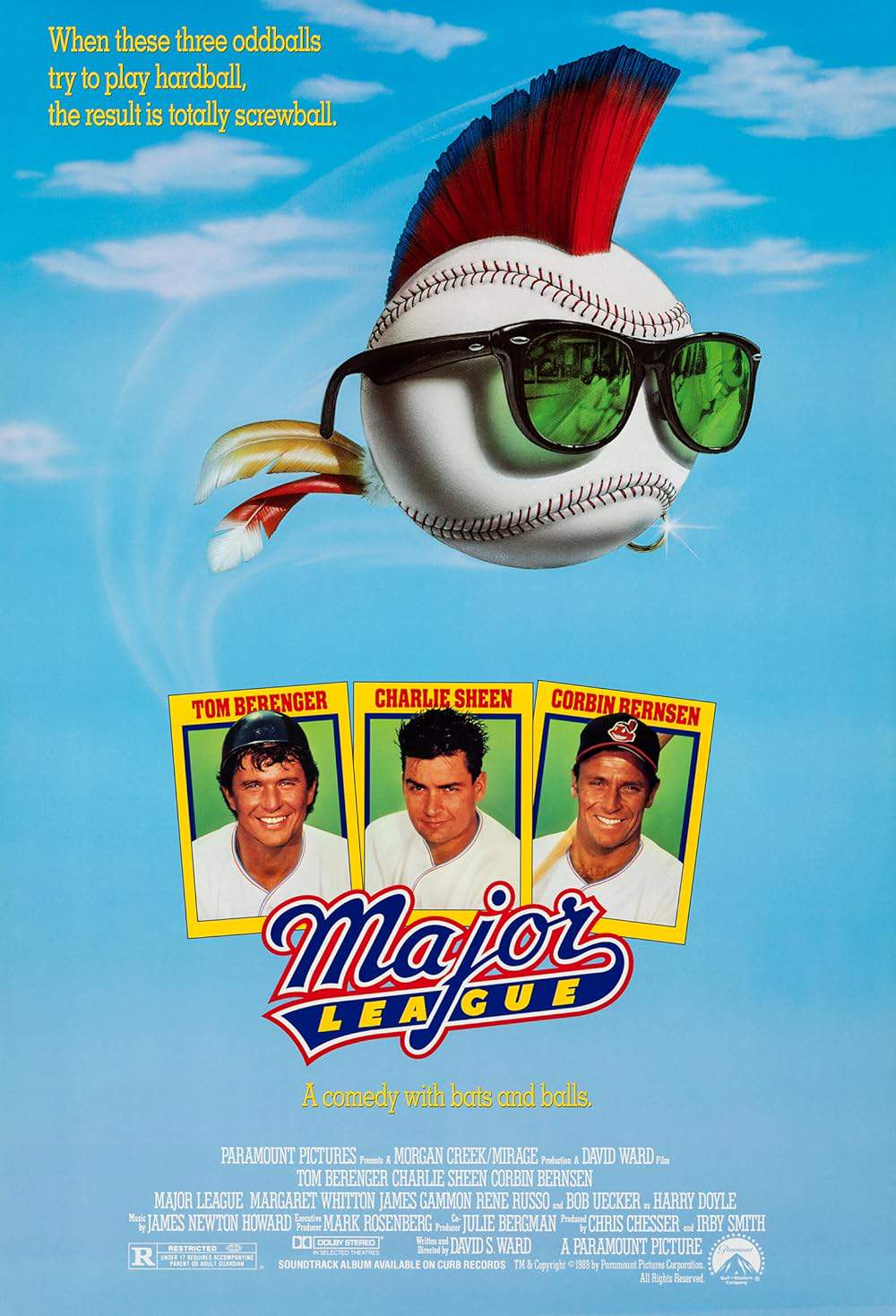
Major League (1989) Spoiler-Packed Plot Recap
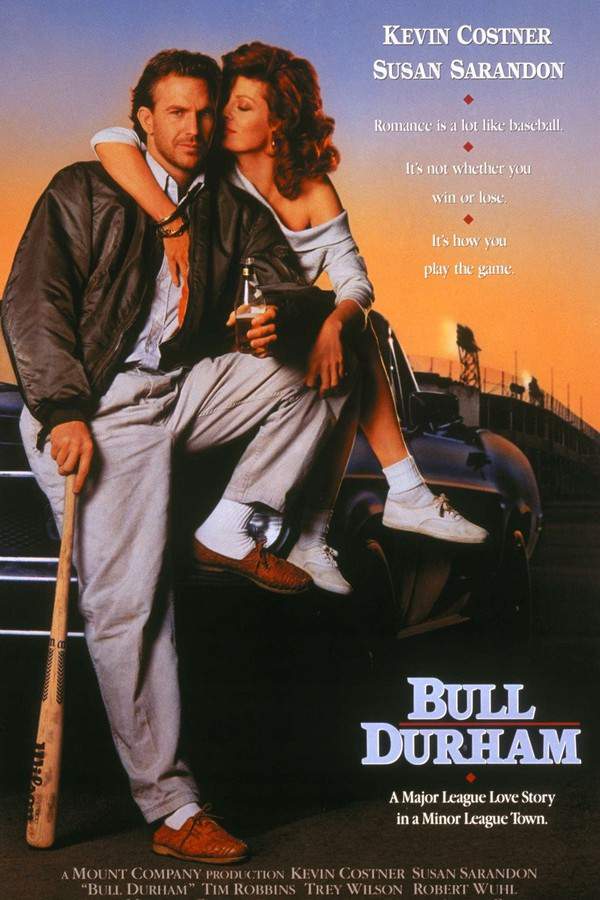
Bull Durham (1988) Detailed Story Recap
The Winning Season (2010) Film Overview & Timeline
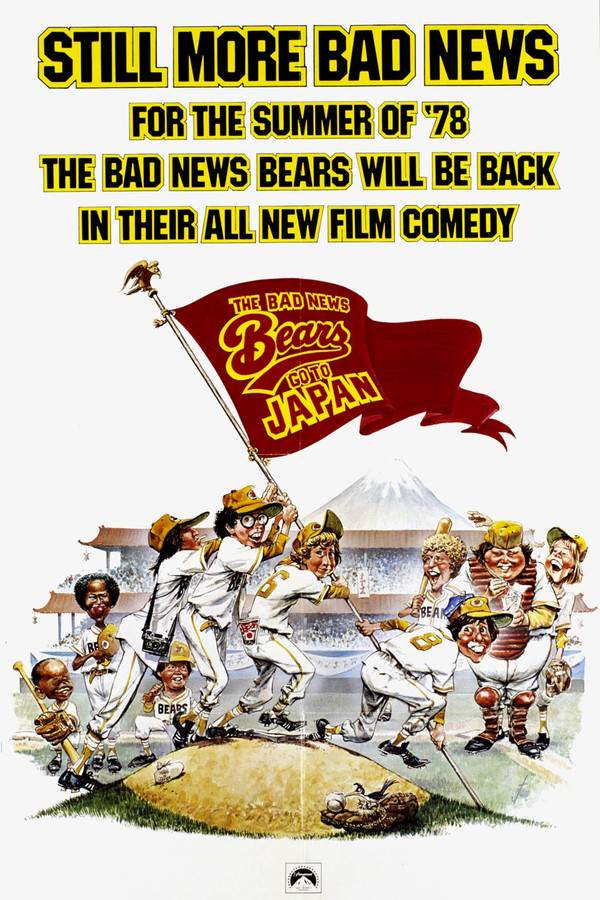
The Bad News Bears (1976) Spoiler-Packed Plot Recap
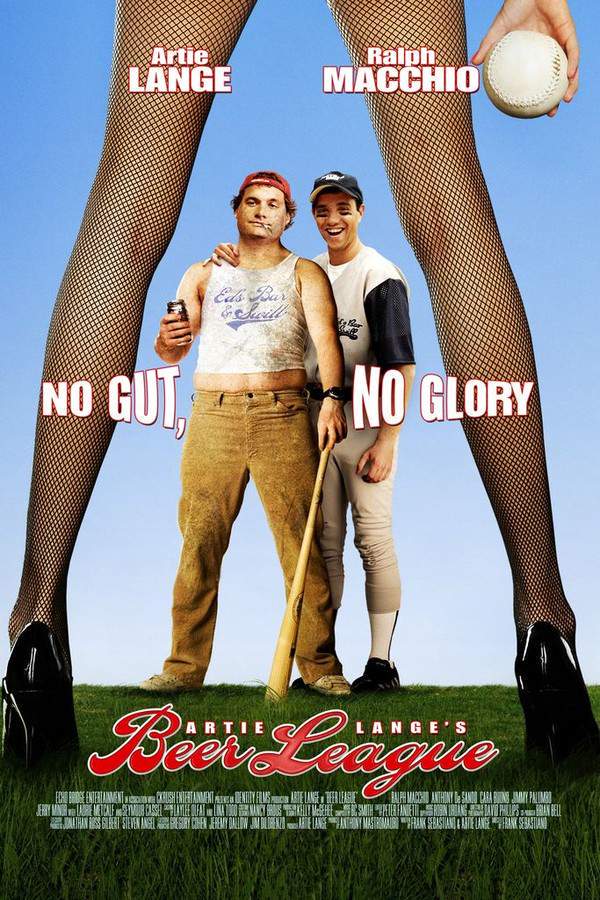
Beer League (2006) Story Summary & Characters
Lady Ballers (2023) Ending Explained & Film Insights
Baseball Girl (2019) Full Movie Breakdown
A League of Their Own: The Documentary (1987) Complete Plot Breakdown
Queens of The Field (2020) Detailed Story Recap
Girls Got Game (2021) Detailed Story Recap
Queens of The Field (2020) Story Summary & Characters
Ladies’ Day (1943) Story Summary & Characters
Girls Can Play (1937) Plot Summary & Ending Explained