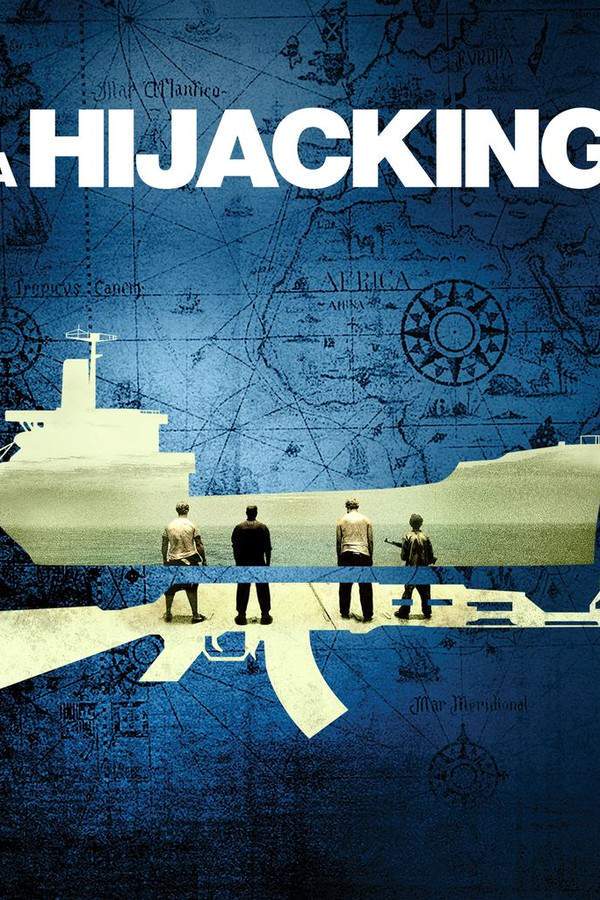
A Hijacking

A Danish cargo ship is seized by Somali pirates, initiating a tense hostage situation. The crew finds themselves caught in a dangerous standoff as the pirates demand a hefty ransom. Authorities in Copenhagen race against time to negotiate the ship's release, while the crew endures a harrowing ordeal at sea, facing escalating threats and uncertainty. The situation becomes a perilous game of strategy and survival.
Where to Watch A Hijacking?
Find where to stream, rent, or buy A Hijacking (2013) in the US with current JustWatch availability, up-to-date pricing, and platform listings for subscription, rental, and digital purchase options.











Streaming availability powered by 
Warning: spoilers below!
Haven’t seen A Hijacking yet? This summary contains major spoilers. Bookmark the page, watch the movie, and come back for the full breakdown. If you're ready, scroll on and relive the story!
Timeline – A Hijacking (2013)
Trace every key event in A Hijacking (2013) with our detailed, chronological timeline. Perfect for unpacking nonlinear stories, spotting hidden connections, and understanding how each scene builds toward the film’s climax. Whether you're revisiting or decoding for the first time, this timeline gives you the full picture.
Last updated: November 22, 2024 at 15:18
A Hijacking (2013) Timeline Questions Answered – Chronology FAQ
Find frequently asked questions about the A Hijacking (2013) timeline, including chronological order, nonlinear jumps, cause-and-effect links, and scene sequence clarifications. This timeline FAQ helps explain when key events happen, how moments connect, and why the story unfolds in that specific order.
Why did Ludvigsen refuse to communicate with the pirates through Hartmann?
Ludvigsen initially refused to communicate through Hartmann because he wanted to handle negotiations directly himself, believing the company should manage the crisis without intermediaries. He also dismissed Omar's first contact, cutting the call short when Omar claimed to be a translator. This refusal created a dangerous impasse that prolonged the hostages' suffering and led to the pirates' escalating threats.
Why did the pirates reject Ludvigsen's first ransom offer?
Ludvigsen's initial counter-offer was so absurdly low that it was essentially an insult to the pirates, signaling he was not taking the negotiations seriously. Omar warned that this standoff would only lead to further suffering and potential death if a realistic agreement wasn't reached. The lowball offer prolonged the crisis and increased tension aboard the ship.
Why was Hartmann chosen as the contact person between the pirates and the company?
Omar specifically approached Hartmann to act as the intermediary because he was the cook, a role that allowed him to move around the ship more freely during the hijacking. Hartmann had already been coerced into preparing meals for the pirates at gunpoint, making him a visible and accessible figure. The pirates needed someone to relay messages and pressure the company, and Hartmann became their link to Ludvigsen.
What caused the negotiations to stall for so long?
The negotiations stalled primarily because Ludvigsen insisted on handling everything directly himself, rejecting Connor Julian's suggestion to use a neutral third party. Additionally, Ludvigsen made unrealistically low offers that the pirates immediately rejected. The board of directors also pressured Ludvigsen, threatening to replace him if he couldn't finalize an agreement, adding further complications.
What happened to the ship's captain during the hijacking?
The captain was killed by the pirates themselves. When one of the pirates disobeyed Omar's orders and snatched away Hartmann's wedding ring, Omar struck the pirate down in an act of discipline. This violent incident occurred after the hostages were gathered on deck for a reunion, and it deeply affected Hartmann and Sørensen, marking a turning point in the captivity.
How was the final ransom amount agreed upon?
After receiving a fax from the pirates demanding proof of survival, Ludvigsen proposed $2.8 million, but Omar rejected it outright. Vestergaard then suggested enhancing the offer by pretending to include his own personal funds, a psychological tactic that eventually persuaded Omar to accept. This creative approach helped break the deadlock and secure the hostages' release.
Why was Hartmann emotionally detached when he finally returned home?
Hartmann suffered severe psychological trauma from months of captivity, including relentless physical and psychological abuse inflicted by the pirates. Sørensen had disclosed the full extent of the mistreatment Hartmann endured while negotiations stalled. Although he survived and reunited with his family, the profound emotional scars left him unable to reconnect normally, illustrating the lasting psychological impact of the ordeal.
Why did Omar kill one of his own pirates?
Omar killed one of the pirates for disobeying his orders. After the hostages were allowed on deck for a reunion and supplies were dropped by plane, one pirate impulsively snatched Hartmann's wedding ring away. Omar viewed this reckless behavior as a violation of discipline and struck the pirate down, demonstrating his control over the group even as tensions escalated.
What did the fax from the pirates contain?
The fax from the pirates demanded proof that Hartmann was still alive, compelling Ludvigsen to take the negotiations more seriously. This demand heightened the urgency of the situation and prompted Ludvigsen to propose a higher ransom amount. The fax represented a turning point where the pirates escalated their pressure after prolonged stalemate.
Why was Connor Julian's advice ignored during the negotiations?
Ludvigsen became increasingly isolated and detached from Julian's advice as the negotiations progressed. Rather than using Julian's suggested methods, including employing a neutral third party, Ludvigsen insisted on handling everything directly himself. This decision alienated the experienced negotiator and contributed to the prolonged stalemate.
What was the significance of Hartmann catching a fish during the hijacking?
When the pirates allowed the hostages some time on deck, Hartmann caught a large fish, which briefly lifted the spirits of both captives and captors. The moment provided a rare respite from the constant dread, with sea shanties sung and even a spontaneous group rendition of "Happy Birthday" when Hartmann mentioned it was his daughter's birthday. This scene highlighted the human moments that persisted despite the dire circumstances.
Why did Omar warn that violence might soon ensue among the pirates?
Omar warned Hartmann that the pirates might resort to violence because the prolonged negotiation impasse was causing frustration within the pirate group. The escalating tension from Ludvigsen's low offers and the lack of progress created a dangerous situation where internal violence became a real possibility. This warning heightened the stakes and reflected the deteriorating conditions aboard the ship.
Why did the board of directors threaten to replace Ludvigsen?
The board of directors threatened to replace Ludvigsen because the negotiations had stalled for weeks with no resolution in sight. They demanded that he finalize an agreement before the end of the month, putting immense pressure on him to secure the crew's release. This corporate pressure added to Ludvigsen's isolation and emotional burden during the crisis.
Why was Hartmann's phone call with his wife cut short?
Omar granted Hartmann a fleeting reunion with his wife Maria by phone, but an aggressive pirate demanded that she pressure Ludvigsen for compliance with their demands. When Maria tried to do so, Ludvigsen's response only invited more ridicule from the pirates, and the call was abruptly terminated. This moment underscored the pirates' manipulation of the hostages' emotions to gain leverage in negotiations.

Explore Movie Threads
Discover curated groups of movies connected by mood, themes, and story style. Browse collections built around emotion, atmosphere, and narrative focus to easily find films that match what you feel like watching right now.
Hostage Negotiation Thrillers like A Hijacking
Films that dissect the tense, protracted process of life-or-death bargaining.Discover movies similar to A Hijacking that focus on tense hostage crises and high-stakes negotiations. If you liked the strategic duel and psychological pressure in A Hijacking, you'll find these films share a similar harrowing and claustrophobic feel.


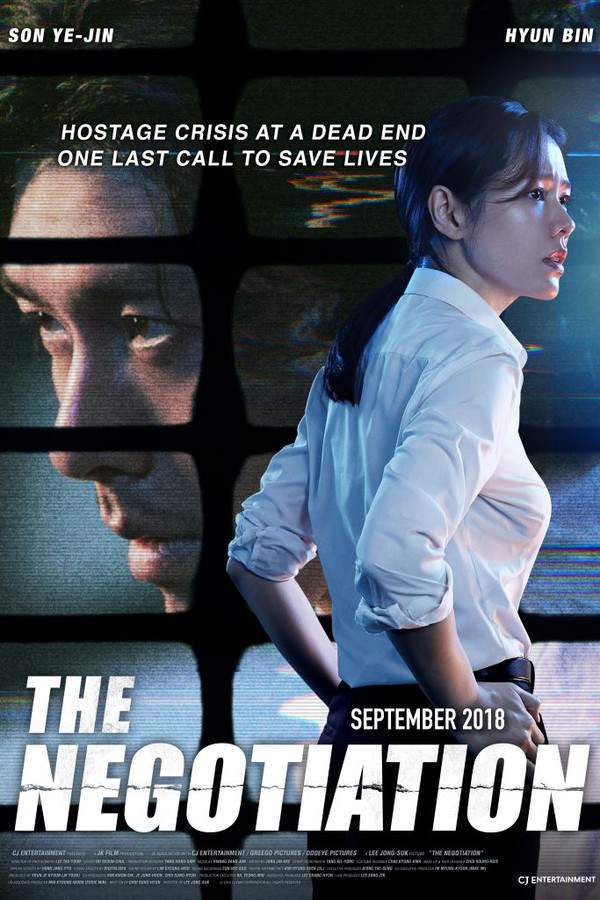
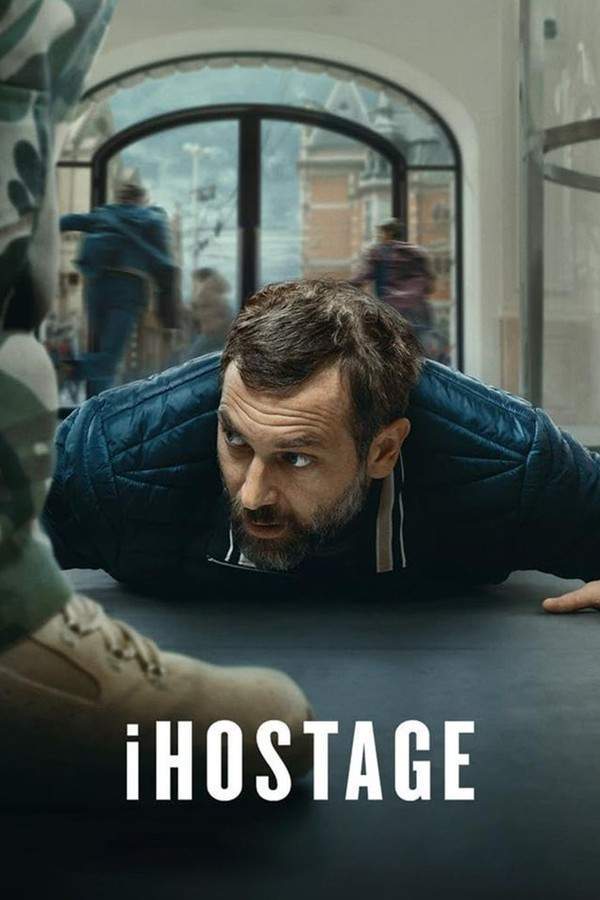



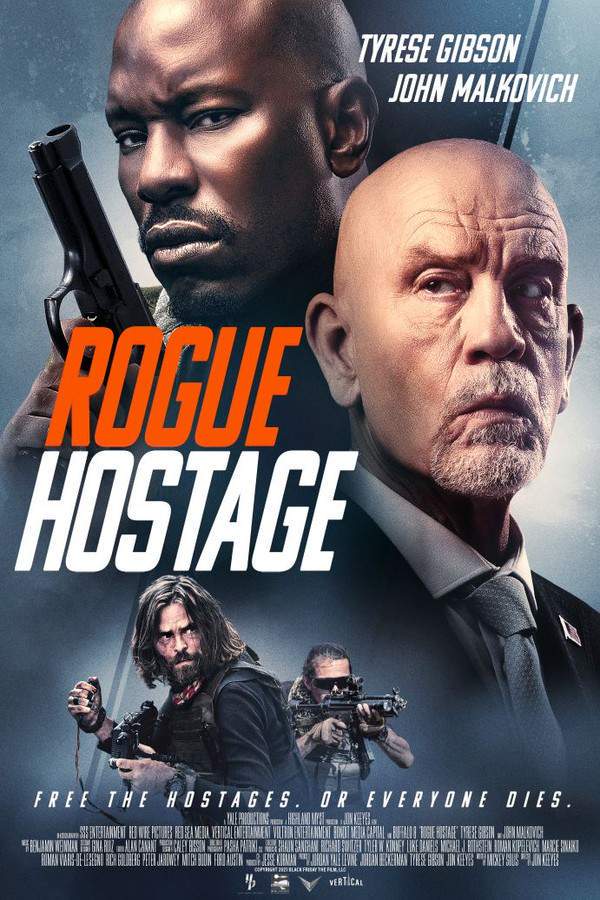

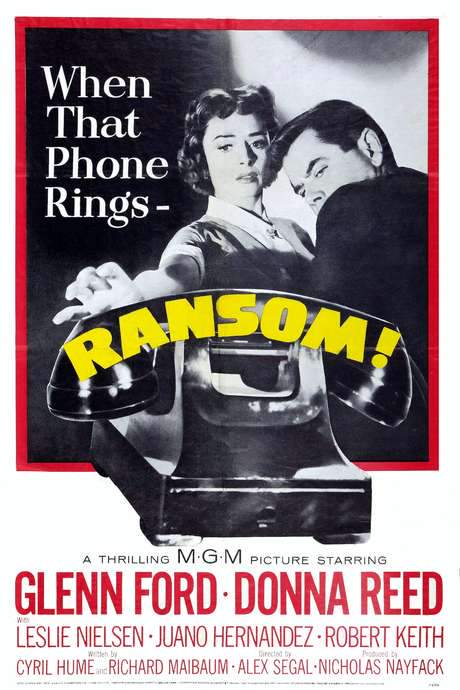




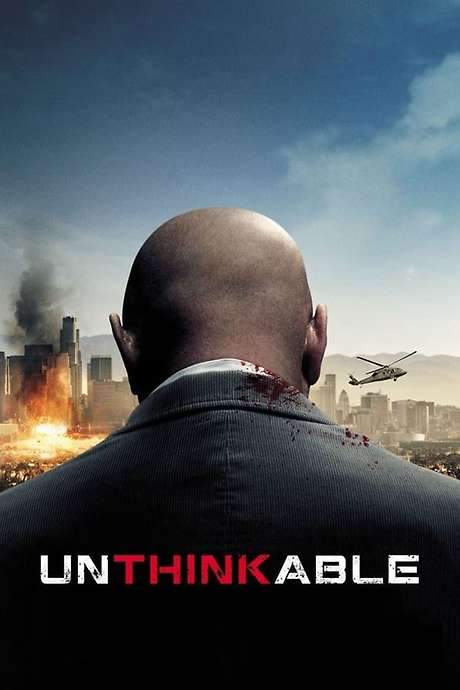
Narrative Summary
These stories typically follow a dual or multi-perspective structure, alternating between the captives enduring a harrowing ordeal and the negotiators working against the clock. The narrative is driven by deadlines, escalating threats, and the moral cost of bartering for human lives.
Why These Movies?
Movies in this thread are grouped by their shared premise of a hostage situation, their intense focus on negotiation as a central plot mechanism, and their ability to generate prolonged, claustrophobic tension. They explore themes of corporate or institutional responsibility, survival, and psychological trauma.
Claustrophobic Psychological Dramas like A Hijacking
Stories of characters trapped in unbearable pressure, facing psychological decay.Find movies like A Hijacking that capture a feeling of intense claustrophobia and psychological unraveling. These similar stories focus on characters trapped in unbearable situations, dealing with heavy emotional trauma and a bleak, unsettling atmosphere.

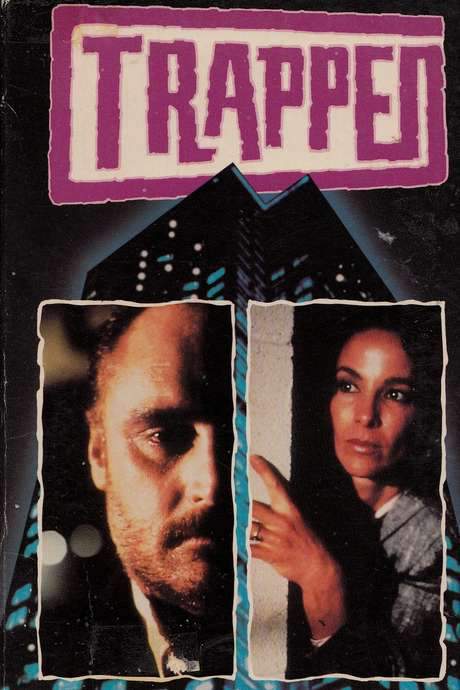

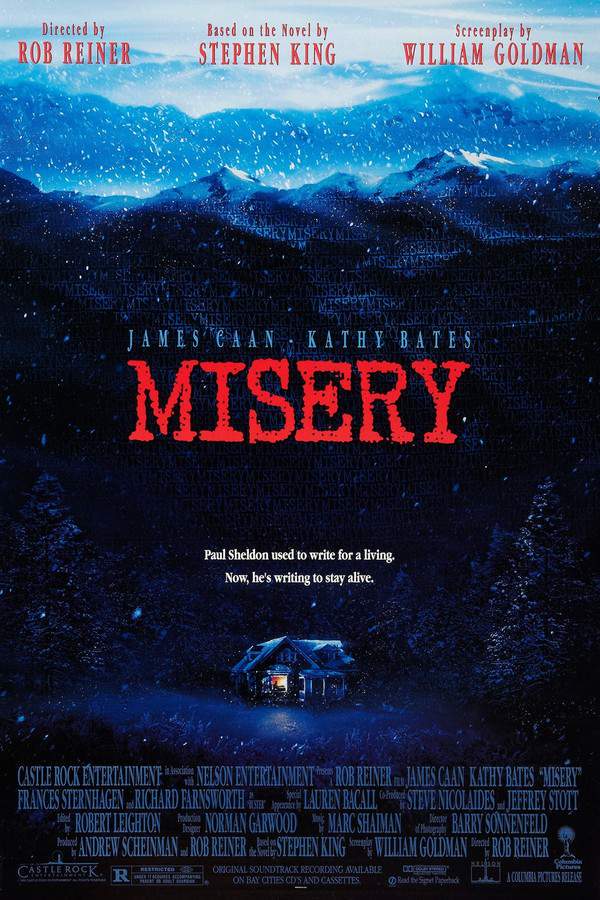









Narrative Summary
The narrative pattern involves placing ordinary individuals in an inescapable, high-pressure environment. The plot charts their psychological deterioration, their strategies for coping, and the lasting scars of their trauma, often concluding with a bittersweet or bleak resolution that emphasizes survival at a great cost.
Why These Movies?
These films are united by their overpowering atmosphere of claustrophobia and their deep dive into the psychology of survival. They share a heavy emotional weight, a tense or bleak tone, and a focus on the devastating impact of trauma on the human spirit.
Unlock the Full Story of A Hijacking
Don't stop at just watching - explore A Hijacking in full detail. From the complete plot summary and scene-by-scene timeline to character breakdowns, thematic analysis, and a deep dive into the ending - every page helps you truly understand what A Hijacking is all about. Plus, discover what's next after the movie.
A Hijacking Summary
Read a complete plot summary of A Hijacking, including all key story points, character arcs, and turning points. This in-depth recap is ideal for understanding the narrative structure or reviewing what happened in the movie.

Characters, Settings & Themes in A Hijacking
Discover the characters, locations, and core themes that shape A Hijacking. Get insights into symbolic elements, setting significance, and deeper narrative meaning - ideal for thematic analysis and movie breakdowns.


