Plot Explained Spoilers guaranteed!
Plot Explained

Browse by genre

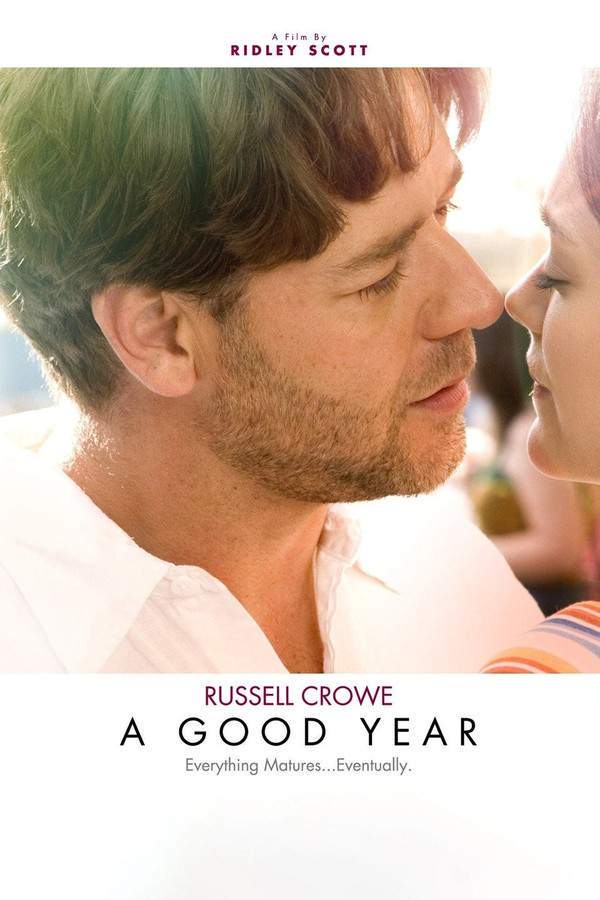
A Good Year (2006) movie poster

Plot Summary

A Good Year (2006) Plot Summary Explained

Release, runtime and language
2006 · 118 min · English
Directed by
Ridley Scott
Starring
Russell Crowe, Marion Cotillard, Albert Finney
Budget
$35M

In the south of France, a driven London investment banker unexpectedly inherits his uncle's vineyard. While assessing the property, he encounters a local woman who claims to have ancestral ties to the land and a shared history with his family. Forced to confront his past and re-evaluate his priorities, he finds himself drawn to the beauty of the region and the allure of a simpler life, ultimately embarking on a journey of self-discovery and unexpected romance.

On this page (6)
  1. 1 Where to watch
  2. 2 What happens: full plot
  3. 3 Plot questions answered
  4. 4 Movie threads
  5. 5 Movies like A Good Year
  6. 6 Every angle

Where to watch

Where to Watch A Good Year (2006)

Where can you watch A Good Year? Stream, rent or buy it in the US, including on Amazon Video, Apple TV Store and Fandango At Home: current JustWatch availability with up-to-date prices.

Streaming availability powered by JustWatch

Full plot summary · contains spoilers

What Happens in A Good Year: Full Plot Summary

The whole story of A Good Year (2006) explained, from the opening scene to the final frame: every key event, every twist and what it all adds up to. Read it as a quick recap before the sequel, to check a scene you missed, or to finally understand what really happened.

In the sweltering summer of his youth, Young Max Skinner, shaped by the tragic loss of his parents, created cherished memories during idyllic holidays at his Uncle Henry's vineyard in Provence, southeastern France. Fast forward twenty-five years, Max has evolved into a successful yet overly confident trader in London, sporting a cheeky demeanor that mirrors his polished appearance.

Following the death of Uncle Henry, Max inherits the vineyard, which prompts him to return to Provence with the intention of rapidly selling off the property. However, his first encounter with local café owner Fanny Chenal leads to a comical disaster, as his distracted phone handling inadvertently causes her to crash her bicycle, triggering a series of unforeseen events that challenge Max's resolve.

While preparing to sell the estate, Max becomes enmeshed in a plethora of complications. His recent financial blunder back in London has created turmoil among his colleagues, requiring his urgent return to the city. Simultaneously, a slip into an empty swimming pool, courtesy of Fanny’s quick thinking and some playful antics, exacerbates his predicament.

Max’s efforts to expedite the sale hit a snag when Christie Roberts, a spirited wine enthusiast from Napa Valley, claims to be Uncle Henry's long-lost daughter. Although Christie isn’t a legitimate heir according to French law, her connection to the estate complicates Max's plans and leaves him feeling unsettled.

Amidst this chaotic backdrop, Max discovers solace in the nuances of his uncle's exquisite wine, Le Coin Perdu, which both he and Christie find intriguingly captivating. During a dinner at the Duflot household, Max’s concerns regarding Christie’s unexpected claims lead him into a hasty inquiry, revealing the depth of the unexpected rivalry.

In London, Max faces further complications as his assistant Gemma warns him about Kenny's underhanded tactics. Trying to preserve his interests, Max misdirects Kenny, resulting in the young trader's downfall. As both personal and professional challenges mount, Max must navigate his evolving sense of self and reassess the true significance of the vineyard now entrusted to him.

As Max's feelings for Fanny, who seems to have sworn off relationships, reach an emotional peak, he manages to win her trust enough to share a night of closeness. Yet, by the morning, she anticipates his swift return to London, leaving behind the enchanting charms of Provence. Christie, dissatisfied with Max’s choices, decides it’s time for her to move on as well.

Unexpectedly, Max uncovers Uncle Henry's memoirs, which unveil surprising truths about Fanny's heritage, intensifying their relationship’s complexity. In a poignant farewell, he gives her an intriguing note concealed within the memoir's pages, amplifying her unanswered questions.

As Max attends to the estate's affairs, he learns that the beloved Le Coin Perdu wine was produced through unconventional means, raising eyebrows about the vineyard’s legitimacy. This revelation becomes pivotal as he gears up for the estate's likely sale.

Upon returning to London, Sir Nigel, the firm’s chairman, offers him a choice: accept a generous payout or join the partnership. However, Max remains unmoved by this proposition and feels an emotional pull towards Fanny’s restaurant, where he comes across a replica of Vincent van Gogh’s Road with Cypress and Star, a painting significant to both him and Fanny.

Sir Nigel’s derisive remark about the original being stored away as merely a prop drives Max to reevaluate his aspirations and values. In a bold act, he invalidates the estate sale by presenting a forged farewell letter, complemented by genuine photographs confirming Christie's lineage as Henry's daughter, claiming her stake in the estate.

Equipped with this newfound knowledge, Max lists his London home for sale and makes his way back to Provence, ready to rekindle his romantic connection with Fanny. As they share cherished memories from their childhood together, Christie also makes a return, leading to a unique partnership as she and Francis work together at the vineyard, striving to blend their contrasting philosophies on winemaking. This collaboration allows Max to focus wholly on his blossoming relationship with Fanny amid the stunning landscapes of Provence.

Last updated: November 19, 2024 at 20:51

Was this helpful?

Plot questions answered

A Good Year Plot Explained: Your Questions Answered

The questions people ask most about A Good Year (2006): what happens in the confusing scenes, why the characters do what they do, the twists, hidden details and what the ending means. Each answer contains spoilers.

Q1

Why does Max decide to keep the vineyard instead of selling it?

Max chooses to keep the vineyard after learning about Christie's true lineage as Henry's daughter and realizing the estate's emotional value outweighs its financial worth. His experiences in Provence, including reconnecting with Fanny and discovering his uncle's memoirs, make him understand that the simpler life he once cherished as a child matters more than his high-pressure London career. He invalidates the sale by forging a farewell letter and returns permanently to Provence.

  • max skinner
  • vineyard
  • provence
  • decision
  • inheritance
  • change of heart
Q2

What is Le Coin Perdu wine and why is it significant?

Le Coin Perdu is the exceptional wine produced at Uncle Henry's vineyard. Both Max and Christie become fascinated by its quality and complexity. The wine matters because it represents Henry's legacy and craftsmanship. Max later discovers it was produced through unconventional means, which raises questions about the vineyard's legitimacy but also highlights Henry's innovative approach to winemaking.

  • le coin perdu
  • wine
  • uncle henry
  • vineyard
  • significance
Q3

Why does Christie claim to be Uncle Henry's daughter and is her claim legitimate?

Christie Roberts, a wine enthusiast from Napa Valley, claims to be Uncle Henry's long-lost daughter. While she isn't recognized as a legitimate heir under French law initially, Max later discovers genuine photographs confirming her lineage as Henry's daughter. Her claim complicates the sale and forces Max to confront the truth about his uncle's past, ultimately leading him to acknowledge her rightful stake in the estate.

  • christie roberts
  • uncle henry
  • daughter
  • claim
  • inheritance
  • legitimacy
Q4

What does Uncle Henry's memoir reveal about Fanny?

Max discovers Uncle Henry's memoirs during his stay at the vineyard. The memoirs unveil surprising truths about Fanny's heritage, specifically that she has ancestral ties to the land and a shared history with the Skinner family. This revelation intensifies the complexity of Max and Fanny's relationship, adding deeper meaning to their connection and explaining why Fanny initially kept certain aspects of her background private.

  • uncle henry
  • memoir
  • fanny
  • heritage
  • truth
  • family history
Q5

Why does Max forge a farewell letter to invalidate the sale?

Max forges a farewell letter from Uncle Henry to invalidate the estate sale because he wants to protect the vineyard's legacy and ensure Christie receives her rightful share as Henry's daughter. This bold act signifies Max's transformation from a profit-driven trader to someone who values family connections and the vineyard's historical significance over financial gain.

  • max
  • forged letter
  • sale
  • invalid
  • christie
  • vineyard
  • decision
Q6

How was Le Coin Perdu wine actually produced?

The wine was produced through unconventional means. While the specific method isn't detailed in the summary, the revelation that Le Coin Perdu was made in an unusual way raises eyebrows about the vineyard's legitimacy but also demonstrates Henry's unconventional winemaking approach that somehow resulted in exceptional quality.

  • le coin perdu
  • unconventional
  • production
  • wine
  • method
  • uncle henry
Q7

Why does Max choose Provence and Fanny over his London career?

Max chooses Provence because his experiences there awaken dormant memories of happiness from his childhood holidays with Uncle Henry. The peaceful lifestyle, his growing love for Fanny, and his discovery of his uncle's memoirs all contribute to his realization that material success in London cannot provide the fulfillment he truly seeks. Sir Nigel's offer of partnership or a generous payout fails to sway him.

  • max
  • provence
  • london
  • career
  • fanny
  • choice
  • priorities
Q8

What is the significance of the Van Gogh painting in the movie?

Max encounters a replica of Vincent van Gogh's 'Road with Cypress and Star' at Fanny's restaurant. This painting is significant because it resonates with both Max and Fanny emotionally. Sir Nigel later reveals the original painting was stored away as merely a prop, which further disappoints Max and reinforces his feeling that his old London life values superficial things over genuine meaning.

  • van gogh
  • painting
  • fanny
  • restaurant
  • symbol
  • provence
  • london
Q9

What causes Max to return to Provence after going back to London?

Max returns to Provence after his trip to London because his emotional connection to the vineyard and Fanny proves stronger than his career ambitions. Sir Nigel's offer of partnership or payout doesn't interest him. After invalidating the sale and listing his London home, Max returns to Provence to rekindle his romance with Fanny and embrace the simpler life he discovered during his uncle's estate settlement.

  • max
  • return
  • provence
  • london
  • fanny
  • decision
  • emotional pull
Q10

Why is Fanny hesitant to commit to Max?

Fanny appears to have sworn off relationships, possibly due to past hurts or her independent nature. After spending a night with Max, she anticipates his swift return to London, assuming he will choose his former life over staying with her. This hesitation reflects her vulnerability and the uncertainty she feels about whether Max's feelings are genuine or transient.

  • fanny
  • hesitation
  • relationship
  • max
  • commitment
  • trust

Movie threads

More Movies Like A Good Year, by Mood & Story

Curated lists built around what makes A Good Year tick: the same mood, the same kind of story or the same emotional payoff. Each list explains why these movies belong together.

Tranquil Journeys of Self-Discovery like in A Good Year

Characters leave hectic lives behind for personal renewal in idyllic settings. Movies like 'A Good Year' where characters escape the city for a simpler life. If you enjoyed the charming, feel-good journey of rediscovering what matters in a beautiful setting, you'll find similar lighthearted and idyllic stories here.

  • idyllic
  • contemplative
  • feel-good
  • charming
  • hopeful
  • nostalgic
  • Tone: light, hopeful, contemplative
  • Pacing: steady, unhurried
Why these movies?

The story pattern: The narrative pattern involves a protagonist, typically successful but unfulfilled, being pulled from their fast-paced life into a tranquil, often rustic location. Through encounters with locals, peaceful surroundings, and reflections on the past, they undergo a low-stakes but meaningful personal evolution, leading to a happier, more authentic existence.

Why they belong together: These films are grouped by their shared vibe of gentle escapism and optimistic personal change. They feature low-intensity conflicts, a steady, character-driven pace, and a light, hopeful tone that makes for a comforting and uplifting viewing experience.

Charming Romantic Escapes like in A Good Year

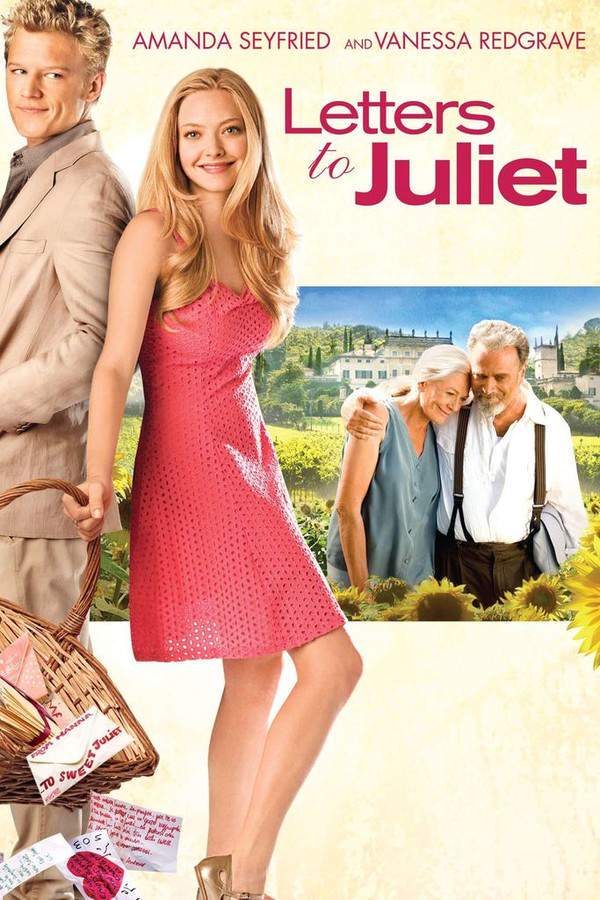
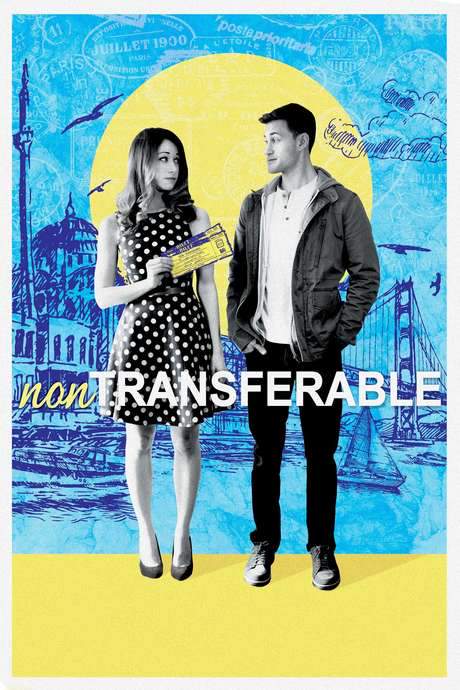
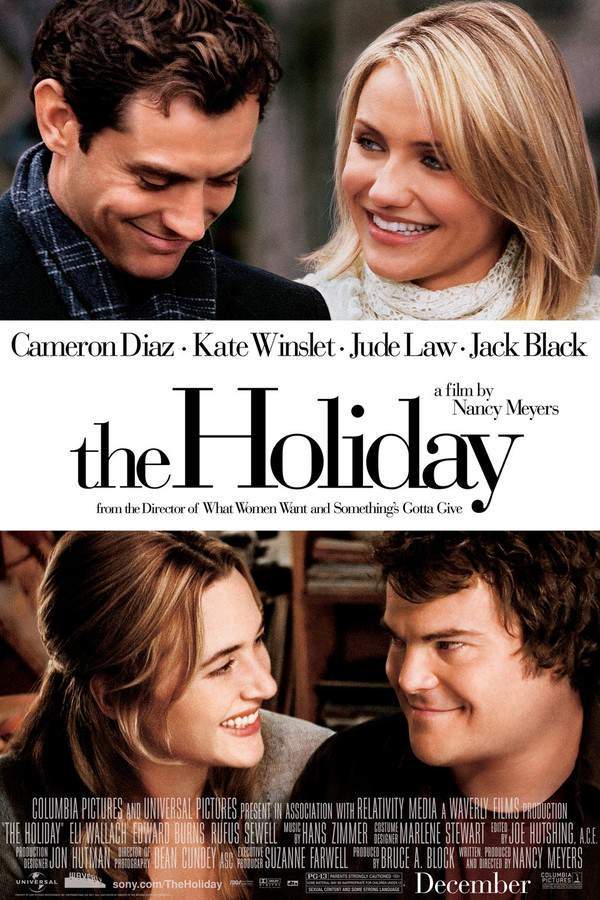
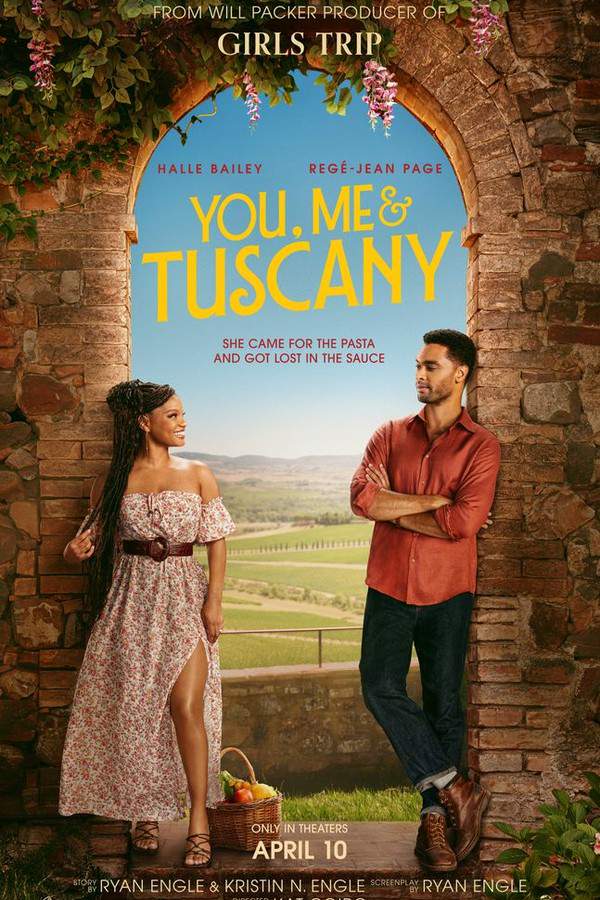
Whimsical love stories that bloom in beautiful, faraway locations. Find movies similar to 'A Good Year' with a picturesque location and a charming romance. If you liked the whimsical love story set against the beautiful backdrop of the French countryside, explore these feel-good romantic escapes.

  • romantic
  • whimsical
  • charming
  • feel-good
  • idyllic
  • escapist
  • Tone: light, whimsical, romantic
  • Pacing: steady, atmospheric
Why these movies?

The story pattern: The plot typically involves a character arriving in an idyllic location, often due to an inheritance or work, where they meet a local love interest. Their initial clashing of worlds or priorities gives way to a growing attraction, facilitated by the magic of the setting, resolving in a happy ending that often involves the protagonist choosing a new life.

Why they belong together: They share a core focus on romance intertwined with a strong sense of place. The tone is consistently light and charming, the pacing is steady to allow for atmospheric moments, and the overall experience is undemanding and delightfully escapist.

If you liked this

Movies Like A Good Year

Similar movies to A Good Year: the same genre, themes or kind of story. Each one comes with its own plot summary, timeline and ending explained.

Browse all movie summaries

Every angle

A Good Year (2006) Explained: Plot, Timeline & Characters

Everything about A Good Year in one place: what happens in the plot summary, the timeline in chronological order, the characters and meaning and a spoiler-free summary. What's After the Movie adds the cast, box office and post-credit scenes.

Coming soon on iOS and Android

The Plot Explained Movie Summary App

Plot summaries, endings explained and timelines on your phone. Catch up on any movie in minutes, save your favorites and never miss a twist again.

Be the first to know when we launch. Your email stays private, always.

Learn more about the app