Ed Chandler, Ed Chandler, is a devoted father who loses his job for taking time off to care for his 16-year-old daughter, Missy Chandler, who is fighting cancer. Rather than quietly accepting dismissal, he chooses to push back, driven by a sense of duty to his family and a belief that work should not punish those who need to care for a sick child. The story follows his relentless pursuit of fairness, as he partners with a United States senator to bring attention to the issue that affects families across the country. Through patient advocacy, public pressure, and political maneuvering, Ed becomes a driving force behind the push for legislative change, turning a personal grievance into a nationwide conversation about parental rights and workplace support. The drama centers on his determination to change the rules so parents can balance caregiving with their careers, all while navigating the complexities of politics, media scrutiny, and the emotional cost to his family.
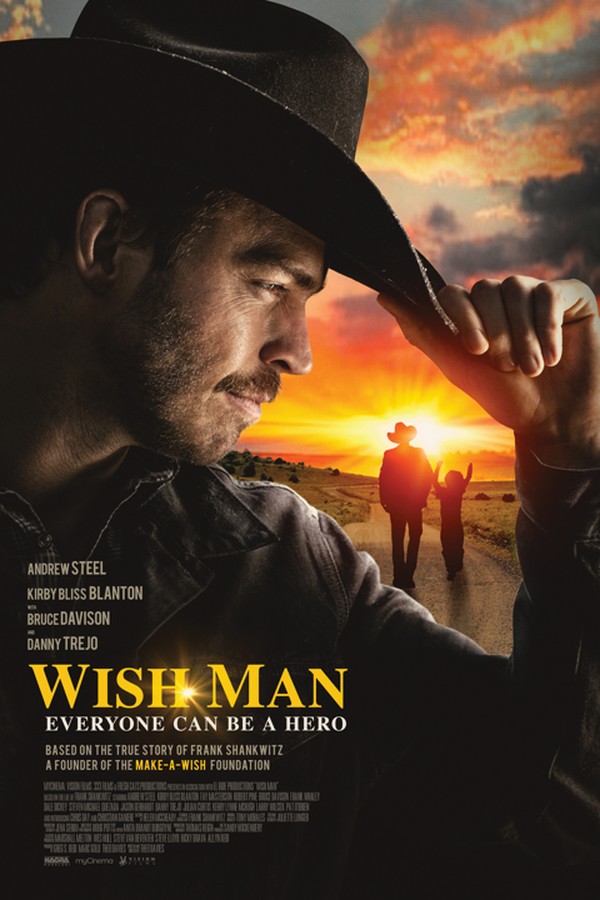
As Missy’s life-and-death struggle unfolds, the film introduces the Make-A-Wish Foundation, which aims to grant her a final, hopeful wish. Missy’s dream takes an extraordinary turn when she wishes to visit the White House, to step into the Oval Office, and to meet President Bill Clinton, who appears in a cameo as himself, bringing a real-world resonance to her moment of hope. The behind-the-scenes tension of the foundation’s mission adds a poignant layer to the story, underscoring the way small, personal wishes can intersect with large-scale political moments and societal change. The sequence also highlights the emotional stakes for Missy and her family, who cling to a moment of joy amid a harsh illness.
The film grounds its emotional arc in a true-life lineage, noting that Missy is inspired by the merging of two real women, Melissa Weaver and Dixie Yandle. Ed Chandler’s character is closely tied to George Yandle, who, along with his wife Vicki, championed the cause of the act after facing similar pressures to care for a sick child. In real life, Vicki Yandle even stood on stage with President Clinton when the law was signed, a detail that the film weaves into its portrayal of how personal sacrifice can translate into lasting policy. While the narrative draws on these connections, it remains focused on the human experience—the sleepless nights, the small victories, the stubborn obstacles, and the steadfast resolve that keeps a family hopeful through a daunting medical crisis and a long political process.
Overall, the story presents a measured, hopeful look at how courage in a single family’s struggle can illuminate a national issue. It portrays not just the legislative milestones but the people behind them—the families, the advocates, and the lawmakers—whose everyday choices shape the policy that lets families take necessary time off without fear of losing their livelihoods. Through its respectful, grounded lens, the film honors the idea that compassion and perseverance can drive meaningful change, offering a window into the human side of public policy and the lasting impact of a child’s illness on a nation.