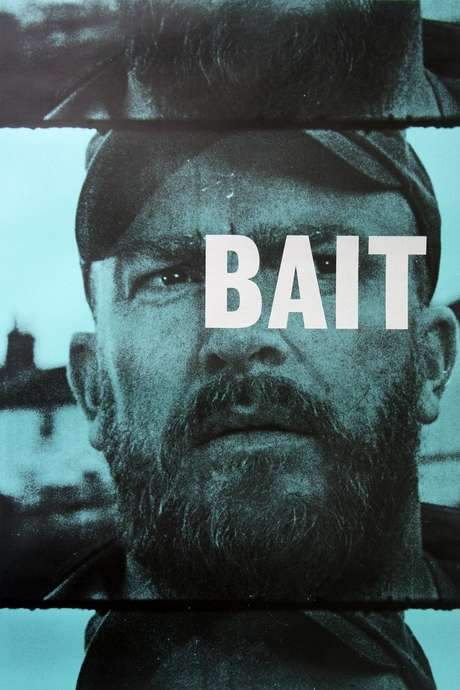
In a windswept Cornish fishing village, two brothers, Steven Ward and Martin Ward, navigate an economy that has become increasingly driven by tourism. Steven inherited their late father’s fishing boat and uses it to take visitors out on boat trips, a growing point of tension with Martin, who clings to a traditional way of life—fishing and selling his catch door-to-door—despite changing times.
Neil Ward, Steven's son, would rather fish with his uncle than join the tourist trips, a sign of the personal stakes behind the village's cultural shift.
They sold their childhood home to Tim Leigh and Sandra Leigh, a well-to-do couple from out of town who rent the house to vacationers. Martin's contentious relationship with the Leighs grows over renovations, including removing their mother's pantry and installing twee nautical-themed decor that Martin sees as a mockery of the village’s fishing heritage.
Tensions come to a head when Martin’s truck is booted for parking in front of the family home. He tries to remove the boot with help from Wenna Kowalski, a free-spirited barmaid at the pub, but Tim confronts them, and Wenna spends the night in jail.
On the advice of a mysterious, ghostly fisherman who appears periodically throughout the film, Martin tries lobster fishing in a local gully. He succeeds, but the Leighs' son Hugo Leigh steals the catch to eat with his family. Later that night, Martin confronts Hugo at the pub and makes him mend the cut lobster trap in front of all the other patrons. A guilty Sandra comes to Martin’s home and slips money into his savings tin as Martin watches silently from outside.
Neil begins a relationship with Katie Leigh, which Hugo discovers when they confront him for stealing Martin's lobster traps. When Hugo insults his sister, Neil attacks him, leading to a physical confrontation that ends in Neil accidentally falling to his death on the docks.
Following the tragedy and after seeing what the Leighs have done to the family home, Steven returns to fishing with Martin and Wenna as his crew. As they set out to sea, Martin sees Neil’s spirit looking on, a quiet reminder of the price paid for the town’s uneasy balance between tradition and change. Throughout the film, the ordinary rhythms of coastal life—the early morning sounds of the boats, the salty air, and the harbor’s hushed moments—underscore a deeper tension between memory, belonging, and the lure of a new kind of economy.