While a deadly plague sweeps his Renaissance realm, Prince Prospero secludes himself and his closest friends within his fortified castle, hosting endless masquerade revels behind lavish walls. As the suffering peasants perish outside, the unstoppable force of fate eventually breaches the aristocratic sanctuary, reminding that no privilege can outrun death.
Find where to stream, rent, or buy Masque of the Red Death (1989) in the US with current JustWatch availability, up-to-date pricing, and platform listings for subscription, rental, and digital purchase options.
Warning: spoilers below!
Haven’t seen Masque of the Red Death yet? This summary contains major spoilers. Bookmark the page, watch the movie, and come back for the full breakdown. If you're ready, scroll on and relive the story!
Read the complete plot breakdown of Masque of the Red Death (1989), including all key story events, major twists, and the ending explained in detail. Discover what really happened, and what it all means.
A mysterious rider roams the realm of Prince Prospero. The appearance of the rider is followed by a deadly plague that scars its victims and devastates the peasantry. The rural people grow desperate, seeking any chance to escape the spread of the illness, a crisis that bleeds into every corner of the countryside. As fear tightens its grip, Prospero seals himself behind the palace walls, determined to keep the world outside from intruding on his own sanctuary. Inside, he arranges a lavish masquerade ball, inviting the nobility to partake in music, fashion, and secrecy, a night designed to numb the senses while the outside world withers.
To heighten the spectacle, village maidens are brought into the castle to entertain the guests, their presence highlighting a stark contrast between opulence and the hardship beyond the gates. Among them is Julietta, an innocent peasant girl who continually resists the prince's advancing desires and commands. The tension between desire and restraint threads through the gilded corridors as the night unfolds, shaping the atmosphere with both allure and danger.
When Claudio, the prince's friend, advises Prospero to stop pursuing Julietta, the angry prince’s temper boils over. He orders Claudio and Julietta jailed in the depths of the palace, a harsh display of authority that upends loyalties and tests the boundaries of mercy within the fortress. The dungeon becomes a stark counterpoint to the ballroom, a reminder of the cost of unchecked power and intimate transgressions.
Outside the walls, despairing peasants press against the defenses, desperate to escape the Red Death and find safety within the castle’s supposedly protected domain. In a brutal move to deter the intrusion, the prince commands boiling oil to be poured from the battlements, scorching many who seek entry and further underscoring the cruelty that accompanies desperation and fear.
The party, still alive with clamor and color, continues under the watch of the masked revelers, until an unannounced figure—a mysterious man in a red cloak—slips into the celebration. His presence injects an unsettling uncertainty into the night, hinting at hidden motives and unpredictable consequences that could unravel the fragile order the prince has tried to maintain.
Last updated: March 05, 2026 at 18:38
Explore frequently asked questions about Masque of the Red Death (1989) with spoiler-rich answers covering the full plot summary, major story beats, character motivations, hidden details, and ending meaning. This movie summary FAQ helps explain confusing scenes, plot twists, and narrative decisions in clear, searchable detail.
Prince Prospero seals himself behind the palace walls to escape the deadly Red Death plaguing his realm. He believes his wealth and status can protect him and his court from the disease that devastates the peasantry. The isolation represents his attempt to deny mortality and maintain control over life and death through privilege and walls.
The earlier appearance of the mysterious rider signaled the plague's arrival, setting the stage for Prospero's fatal misconception.
Prospero becomes obsessed with Julietta, a peasant entertainer, because she represents innocence and purity that contrasts with his corrupt world. His desire stems from both physical lust and a need to assert his absolute power, forcing someone from a lower class to submit proves his dominance. Her continual refusal fuels his determination rather than deterring him.
The maidens were brought to entertain, blurring the line between spectacle and captivity from the start.
Prospero orders Claudio and Julietta jailed because Claudio dares to challenge the prince's authority by advising him to stop pursuing the peasant girl. This direct confrontation threatens Prospero's absolute control and exposes his vulnerability. The imprisonment brutalizes loyalty and serves as a warning to anyone else who might question his decisions.
Claudio's earlier warning about respecting Juliette foreshadows the conflict that leads to his imprisonment.
When desperate peasants attempt to breach the castle walls seeking safety from the plague, Prospero responds with extreme violence to maintain his isolation. The boiling oil scorches many invaders to death, demonstrating his brutal commitment to keeping the disease outside. This act underscores the cruel class divide and his willingness to commit mass murder to protect his privileged sanctuary.
The peasants were already desperate and pressing against the defenses earlier in the timeline.
The mysterious masked man in the red cloak appears unannounced at the masquerade ball, representing the Red Death itself or fate personified. His presence injects ominous uncertainty into the celebration, suggesting that no amount of walls, wealth, or revelry can keep death out. He embodies the inescapable force that Prospero has been trying to deny.
The mysterious rider who brought the plague appeared earlier, and the red cloak echoes the Red Death's color.
The masquerade ball serves as Prospero's declaration of defiance against death, he attempts to mask fear with music, fashion, and revelry. The masks symbolize denial and the illusion that the plague can be ignored. The celebration also highlights the stark contrast between aristocratic luxury inside and suffering outside, exposing the moral bankruptcy of ignoring others' suffering while indulging in pleasure.
The ball was planned specifically to distract from the plague and assert control over death.
Village maidens are brought into the castle to entertain the nobles during the masquerade, serving as living spectacles that blend danger with pleasure. Their presence satisfies the aristocracy's desire for novelty and control while highlighting the class disparity, wealthy guests enjoy entertainment that the suffering peasants cannot access. The maidens exist as objects of display in the prince's isolated world.
The maidens' arrival was part of the decadent preparations to escalate the party's mood of power and peril.
Julietta and Claudio are imprisoned together in the palace dungeons as punishment for Claudio's defiance and Julietta's continued resistance to Prospero. The dungeon represents the stark contrast to the ballroom above, it is where the prince's tyranny is fully exposed. Their imprisonment becomes a symbol of the cost of challenging absolute power and maintaining one's morality in a corrupt system.
The dungeon was established as a place of punishment when Prospero first locked himself away from the world.
The boiling oil incident reveals the extreme violence Prospero is willing to use to maintain class separation and protect his privilege. The peasants die trying to escape death while the nobles dance in luxury, this moment crystallizes the story's moral message that aristocratic indifference to mass suffering leads to brutal oppression. The act shows that privilege cannot outrun death, and attempts to preserve it through violence only deepen moral decay.
The tension between outside suffering and inside revelry has been building throughout the narrative.
The mysterious rider who appears at the beginning heralds the arrival of the Red Death, serving as a dark omen that sets the film's catastrophic events in motion. His appearance marks the transition from normal life to plague and desperation. The rider essentially functions as death's messenger, and his red cloak later appears again in the masked intruder at the ball, creating a symbolic connection between the plague and its inevitable arrival at Prospero's fortress.
The rider's appearance directly precedes and triggers the plague outbreak.
Discover curated groups of movies connected by mood, themes, and story style. Browse collections built around emotion, atmosphere, and narrative focus to easily find films that match what you feel like watching right now.
Affluent groups sheltering from plague or disaster while chaos reigns outside.Explore movies similar to Masque of the Red Death where wealthy characters isolate themselves during plagues or disasters. These films feature aristocratic settings, moral decay themes, and intense survival scenarios.
Narratives typically follow affluent characters attempting to preserve their lifestyle in fortified locations while external threats escalate, leading to internal conflicts and moral testing.
Movies are grouped based on shared themes of privileged isolation, epidemic threats, and the contrast between internal decadence and external suffering.
Period horror films featuring plague outbreaks and supernatural elements.Discover films similar to Masque of the Red Death featuring gothic settings and plague themes. These period horror movies explore disease, death, and human nature in historical contexts.
Stories unfold in gothic or historical settings where plague outbreaks trigger supernatural events or expose human morality under extreme conditions.
Grouped based on shared gothic atmosphere, plague-centric plots, and the blend of historical drama with horror elements.
Don't stop at just watching - explore Masque of the Red Death in full detail. From the complete plot summary and scene-by-scene timeline to character breakdowns, thematic analysis, and a deep dive into the ending - every page helps you truly understand what Masque of the Red Death is all about. Plus, discover what's next after the movie.
Track the full timeline of Masque of the Red Death with every major event arranged chronologically. Perfect for decoding non-linear storytelling, flashbacks, or parallel narratives with a clear scene-by-scene breakdown.
Discover the characters, locations, and core themes that shape Masque of the Red Death. Get insights into symbolic elements, setting significance, and deeper narrative meaning - ideal for thematic analysis and movie breakdowns.
Discover movies like Masque of the Red Death that share similar genres, themes, and storytelling elements. Whether you’re drawn to the atmosphere, character arcs, or plot structure, these curated recommendations will help you explore more films you’ll love.
Masque of the Red Death (1989) Scene-by-Scene Movie Timeline
Masque of the Red Death (1989) Movie Characters, Themes & Settings
Masque of the Red Death (1989) Spoiler-Free Summary & Key Flow
Movies Like Masque of the Red Death – Similar Titles You’ll Enjoy
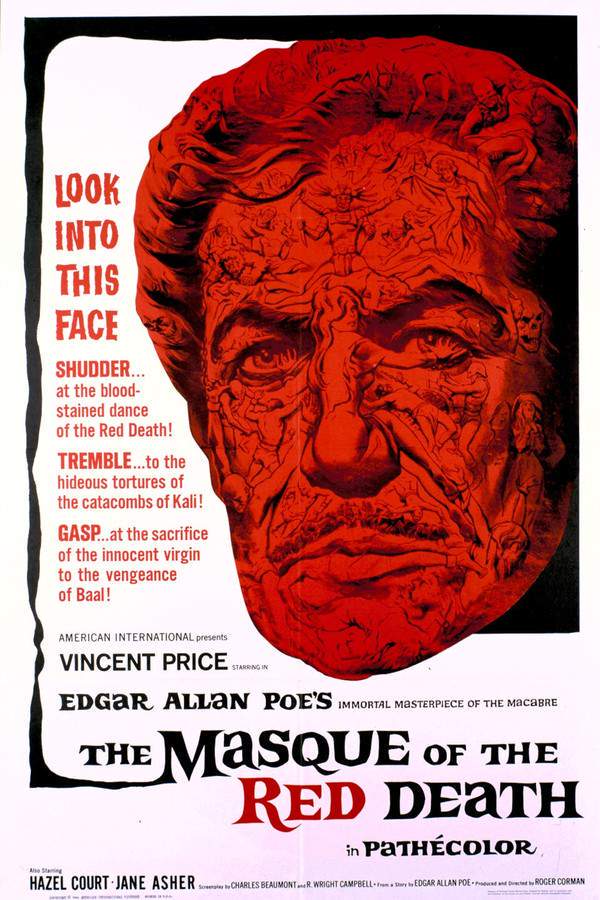
The Masque of the Red Death (1964) Plot Summary & Ending Explained
Black Death (2011) Full Movie Breakdown
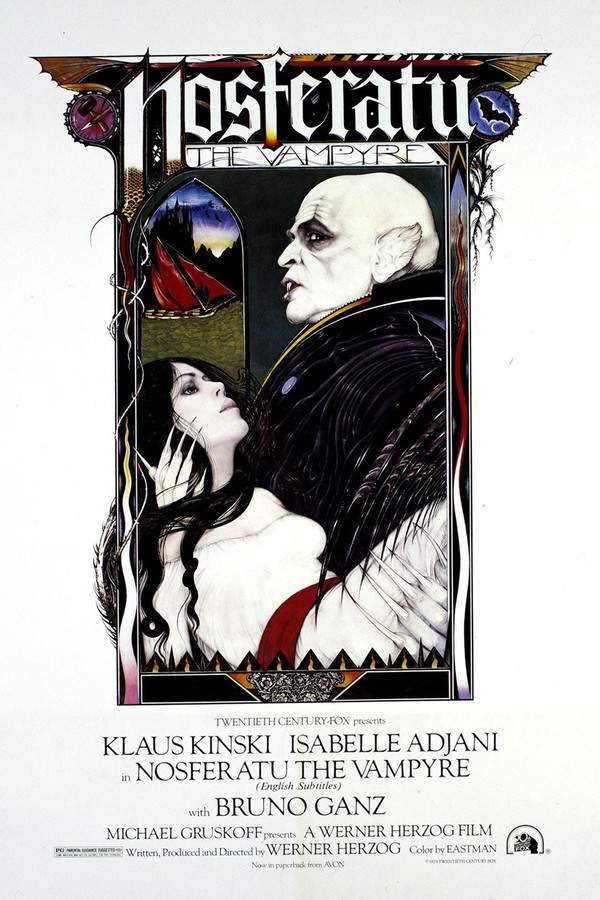
Nosferatu the Vampyre (1979) Film Overview & Timeline
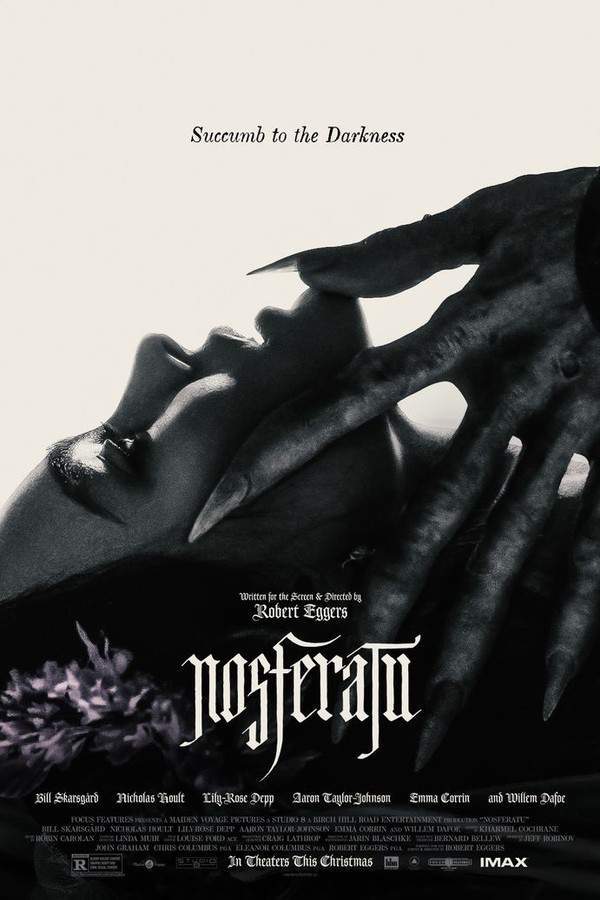
Nosferatu (2024) Complete Plot Breakdown
Black Plague (2002) Story Summary & Characters
The Mask (1988) Detailed Story Recap
Masque of the Red Death (1989) Movie Recap & Themes
The Picture of Dorian Grey (1915) Plot Summary & Ending Explained
The Masque of the Red Death (1989) Detailed Story Recap
Castle Freak (1995) Complete Plot Breakdown
The Mask (1961) Complete Plot Breakdown
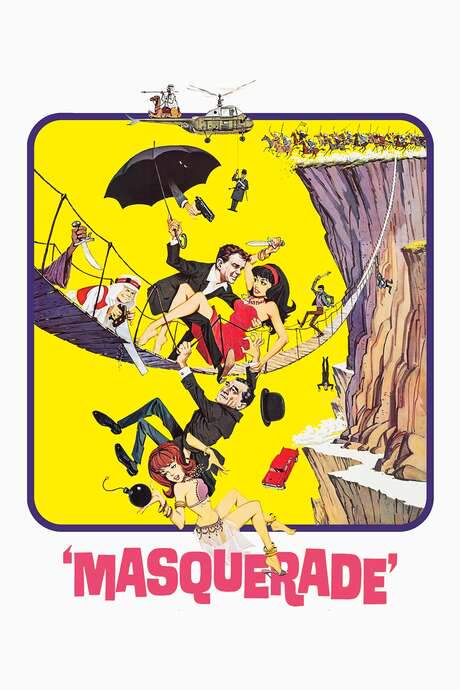
Masquerade (1965) Full Movie Breakdown
The Red Queen Kills Seven Times (1972) Detailed Story Recap
Red Mist (2008) Spoiler-Packed Plot Recap
The Phantom of the Red House (1956) Full Movie Breakdown