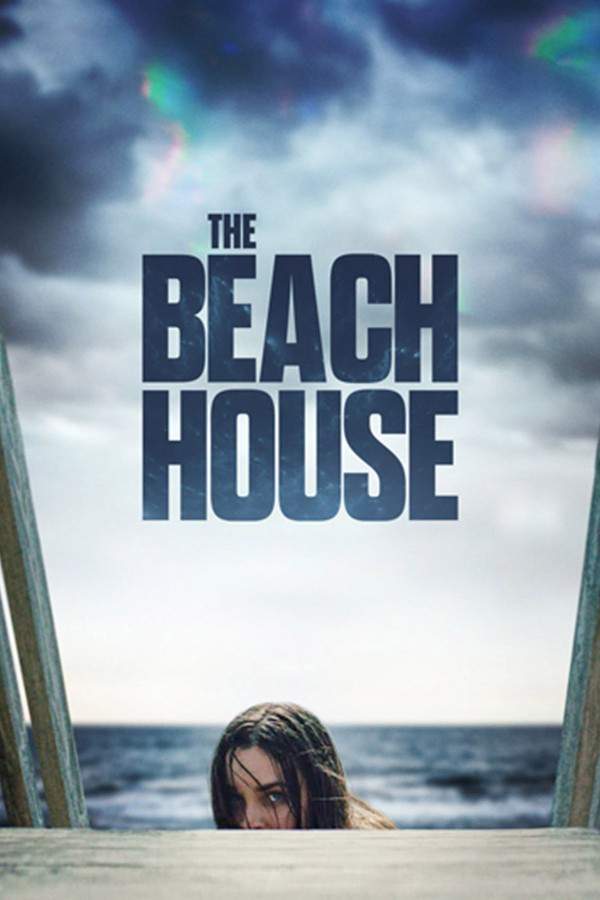
A romantic getaway for two college sweethearts takes a dark turn when unexpected guests and the surrounding environment display signs of a mysterious infection, leading to a desperate struggle for survival.
Find where to stream, rent, or buy The Beach House (2019) in the US with current JustWatch availability, up-to-date pricing, and platform listings for subscription, rental, and digital purchase options.
Warning: spoilers below!
Haven’t seen The Beach House yet? This summary contains major spoilers. Bookmark the page, watch the movie, and come back for the full breakdown. If you're ready, scroll on and relive the story!
Still thinking about how The Beach House (2019) ended? Here’s a full breakdown of the ending, key final moments, major twists, and the deeper meaning behind the film’s conclusion.
The ending of The Beach House delivers a haunting and poetic conclusion to its eco-horror narrative, one where every character's demise mirrors the specific way nature infected them. Throughout the film, Emily stands apart as the only character who successfully fights back against the parasitic invasion, surgically removing the worm that burrowed into her foot after she stepped on a jellyfish. This act of defiance, however, proves to be only a temporary reprieve. While her companions succumb to their unique infections—Randall transforming into a grotesque mollusk-humanoid hybrid and Mitch being claimed by the sea—Emily's transformation is slower and more insidious. The parasite fundamentally alters her genetic composition, turning her into something resembling the jellyfish that delivered the initial wound.
In the film's final moments, Emily realizes that escape from the contaminated fog is futile. She accepts her fate on the shoreline, lying down as the tide rolls in. When a wave washes over her body, she doesn't drown; instead, she dissolves completely. This shocking dissolution is a direct callback to the biology of jellyfish, which are composed almost entirely of water and physically evaporate when left on land. Emily's death is not a defeat in the traditional sense, but a total integration into the new ecosystem. The film posits that the microscopic organisms rising from the ocean's depths are not merely killing humanity, but rather reabsorbing them into the Earth's biology. By having Emily melt away into the ocean, director Jeffrey A. Brown underscores the film's central thesis: nature isn't fighting a war against humans, it is simply reclaiming the resources they borrowed, transforming them into something ancient and aquatic.
Last updated: March 30, 2026 at 15:48
Read frequently asked questions about the ending of The Beach House (2019), including final-scene interpretation, twist explanations, character outcomes, and the deeper meaning behind the conclusion. This ending explained FAQ is designed for viewers searching for clear spoiler-heavy answers and ending breakdown insights.
Emily dissolves because the parasite that burrowed into her foot fundamentally altered her genetic composition, turning her into something resembling the jellyfish that infected her. Since jellyfish are composed almost entirely of water, when the tide washes over her body, she evaporates just as a jellyfish would when left on land. Her death represents a total integration into the new aquatic ecosystem rather than a traditional defeat.
Earlier, Emily steps on a jellyfish and the worm burrows into her foot, establishing the biological connection between her and the creature.
In the final moments, Emily realizes that escape from the contaminated fog is impossible. She accepts her fate by lying down on the shoreline as the tide rolls in. When a wave washes over her body, she doesn't drown but instead dissolves completely into the ocean, being reabsorbed by the marine ecosystem.
The fog that surrounds the beach house is established early as an inescapable contamination from the ocean.
No, Emily does not survive. While she was the only character who successfully fought back against the infection by surgically removing the worm from her foot, this was only a temporary reprieve. The parasite had already fundamentally changed her body, and she ultimately dissolves into the ocean like the other infected characters.
Emily's surgical removal of the worm establishes that the infection can be fought but not easily escaped.
The parasite is a microscopic organism rising from the ocean's depths that infects humans through wounds like jellyfish stings. The film presents it not as a hostile force waging war, but as nature simply reclaiming what humans borrowed. The organisms are reabsorbing humans into Earth's biology, transforming them into something ancient and aquatic rather than killing them in a traditional sense.
The mysterious fog and marine creatures appearing around the house hint at the ocean's biological reclamation.
Randall transforms into a grotesque mollusk-humanoid hybrid because the specific way nature infected each person mirrors how they encountered the parasite. His unique infection path leads him to become part mollusk, reflecting the film's theme that the parasitic invasion adapts to individual biology.
Each character experiences different symptoms based on their specific exposure to the infection.
The ending presents a dark ecological thesis: nature isn't fighting against humanity but simply taking back the resources humans borrowed. The microscopic organisms from the deep ocean don't see humans as enemies, they're simply reabsorbing organic matter back into Earth's biology. Emily's dissolution into the ocean illustrates this concept literally, as she becomes part of something ancient and aquatic rather than dying as an individual.
The film's eco-horror tone consistently emphasizes humanity's smallness against nature's indifference.
Mitch is claimed by the sea, while Randall transforms into a grotesque mollusk-humanoid hybrid. Both characters succumb to their unique infections, the parasite adapts to each person's biology, resulting in different but equally complete transformations. Neither survives in their human form.
Mitch's connection to the water and Randall's specific exposure both hint at their eventual fates.
The contaminated fog represents the outward spread of the microscopic organisms rising from the ocean. It's not merely a weather phenomenon but a carrier of the parasitic infection, surrounding the beach house and making escape impossible. The fog symbolizes the inescapable nature of the ecological reclamation happening throughout the film.
The fog appears early and is established as something dangerous that surrounds the property.
Emily is the only character who actively fights the parasitic invasion by surgically removing the worm that burrowed into her foot after stepping on a jellyfish. This act of defiance represents human resistance against the ecological process. However, the film shows that this resistance is ultimately futile, the parasite had already begun altering her composition, making her eventual dissolution inevitable.
Emily's decision to remove the worm sets her apart from the others who succumb passively.
The jellyfish is the vector that delivers the initial infection to Emily through a wound in her foot. The parasite then fundamentally transforms her genetic composition to resemble the jellyfish itself. This is why her dissolution mirrors jellyfish biology, she evaporates into water when exposed to air and tide, just as a jellyfish would. The jellyfish represents both the source of infection and the form Emily ultimately becomes.
Emily stepping on the jellyfish and the subsequent worm burrowing into her foot establishes the biological link.
Discover curated groups of movies connected by mood, themes, and story style. Browse collections built around emotion, atmosphere, and narrative focus to easily find films that match what you feel like watching right now.
When the natural world turns hostile with an unknowable infection.If you liked the cosmic infection and body horror in The Beach House, explore more movies where survival horror meets existential dread. These films feature mysterious outbreaks caused by environmental or cosmic forces, leading to desperate struggles against an unknowable threat.
Stories typically begin with a seemingly normal situation that is quickly invaded by a mysterious, often environmental, threat. The narrative follows a linear descent as characters attempt to understand and survive the infection, only to realize the scale of the threat is cosmic and ultimately unstoppable, leading to a bleak sense of helplessness.
These films are grouped by their shared core of a biological or environmental outbreak with cosmic origins. They combine intense body horror, a relentless pacing of escalating terror, and a tone of profound existential fear, creating a specific subgenre of horror focused on humanity's fragility.
Trapped in a confined space as a terrifying situation unfolds.Fans of the oppressive, isolated dread in The Beach House will appreciate these films. They feature characters trapped in confined spaces, facing a terrifying and escalating threat. The limited setting intensifies the horror, creating a desperate struggle for survival.
The narrative is often straightforward, focusing on a small group trapped together. Tensions rise both from the external threat and the internal dynamics of the group under pressure. The plot is a steady, inescapable build towards a climax that offers little to no relief, emphasizing the characters' entrapment.
These movies are united by the powerful use of a single, confined setting to generate dread and paranoia. The combination of a steady pace, high intensity, and a dark tone creates a specific viewing experience focused on psychological pressure and the breakdown of relationships in extreme situations.
Don't stop at just watching - explore The Beach House in full detail. From the complete plot summary and scene-by-scene timeline to character breakdowns, thematic analysis, and a deep dive into the ending - every page helps you truly understand what The Beach House is all about. Plus, discover what's next after the movie.
Read a complete plot summary of The Beach House, including all key story points, character arcs, and turning points. This in-depth recap is ideal for understanding the narrative structure or reviewing what happened in the movie.
Track the full timeline of The Beach House with every major event arranged chronologically. Perfect for decoding non-linear storytelling, flashbacks, or parallel narratives with a clear scene-by-scene breakdown.
Discover the characters, locations, and core themes that shape The Beach House. Get insights into symbolic elements, setting significance, and deeper narrative meaning - ideal for thematic analysis and movie breakdowns.
Discover movies like The Beach House that share similar genres, themes, and storytelling elements. Whether you’re drawn to the atmosphere, character arcs, or plot structure, these curated recommendations will help you explore more films you’ll love.
The Beach House (2019) Plot Summary & Movie Recap
The Beach House (2019) Scene-by-Scene Movie Timeline
The Beach House (2019) Movie Characters, Themes & Settings
The Beach House (2019) Spoiler-Free Summary & Key Flow
Movies Like The Beach House – Similar Titles You’ll Enjoy
The Beach House (2020) Film Overview & Timeline
House (1986) Complete Plot Breakdown
Beach House (2018) Full Movie Breakdown
House of the Dead (2003) Detailed Story Recap
Survival Island (2002) Complete Plot Breakdown
House of Fears (2007) Story Summary & Characters
The House by the Cemetery (1981) Full Movie Breakdown
Blood Beach (1980) Spoiler-Packed Plot Recap
Beach House (2023) Story Summary & Characters
The Horror of Party Beach (1964) Ending Explained & Film Insights
The Beach Girls and the Monster (1965) Spoiler-Packed Plot Recap
House (1977) Complete Plot Breakdown
Fever Lake (1997) Full Movie Breakdown
The House of the Dead (1978) Complete Plot Breakdown
House on Haunted Hill (1959) Full Summary & Key Details