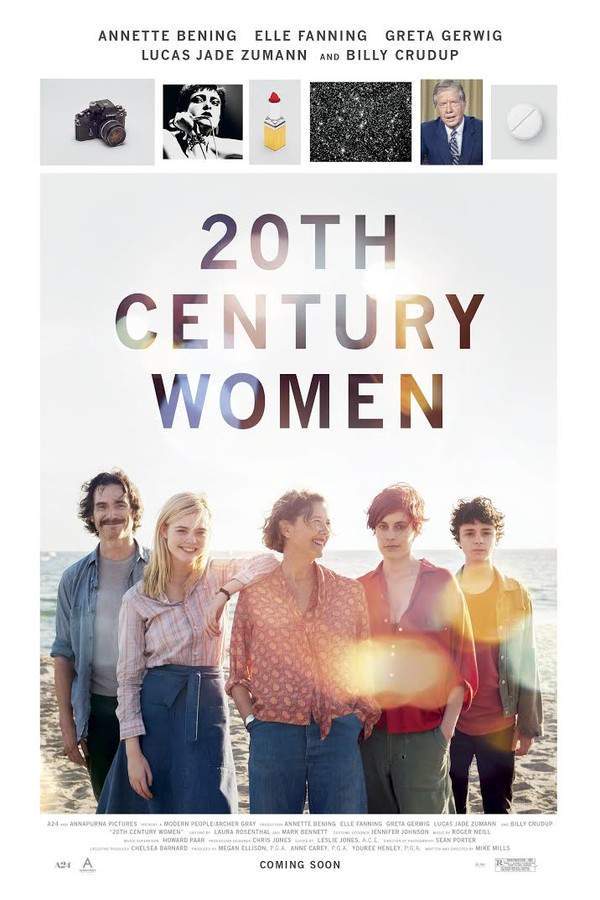
Year: 2016
Runtime: 119 min
Language: English
Director: Mike Mills
In 1970s Santa Barbara, Dorothea Fields, a single mother, worries about raising her adolescent son, Jamie. Seeking guidance, she asks for help from two unlikely companions: Abbie, a young punk artist, and Julie, a perceptive teenager. Together, they form an unconventional family unit, challenging societal norms and exploring the complexities of love, identity, and the evolving roles of women.
Find where to stream, rent, or buy 20th Century Women (2016) in the US with current JustWatch availability, up-to-date pricing, and platform listings for subscription, rental, and digital purchase options.
Warning: spoilers below!
Haven’t seen 20th Century Women yet? This summary contains major spoilers. Bookmark the page, watch the movie, and come back for the full breakdown. If you're ready, scroll on and relive the story!
Read the complete plot breakdown of 20th Century Women (2016), including all key story events, major twists, and the ending explained in detail. Discover what really happened, and what it all means.
In 1979, 15-year-old Jamie Fields resides in sunny Santa Barbara with his 55-year-old single mother, Dorothea. They share their home with two tenants: Abbie Porter, a 24-year-old photographer battling cervical cancer, and William, a carpenter and mechanic. Jamie’s closest companion is 17-year-old Julie Hamlin, who frequently stays over but is adamant about remaining friends, believing that taking their relationship into a sexual realm would jeopardize their bond.
Feeling a sense of disconnect with her son, Dorothea seeks the assistance of Abbie and Julie in raising Jamie. In response to this, Jamie impulsively escapes to Los Angeles with friends to catch a rock concert. Upon his return, Julie confides in him about her unprotected sexual encounter and the anxiety surrounding a potential pregnancy. Accompanying Abbie to a doctor’s visit, Jamie learns that she is cancer-free but might never be able to have children. While at the clinic, he picks up a magazine article on home pregnancy tests, which ultimately leads him to purchase one for Julie; fortunately, it returns a negative result. As a gesture of gratitude for his support, Abbie crafts a heartfelt mixtape for Jamie and reveals intimate details of her life, including how her delayed return from New York followed her diagnosis. Tragically, her mother could not face the truth that the cancer was caused by the fertility drug DES while Abbie was in utero, leading to her move with Dorothea.
One day, after witnessing Julie sneak out of Jamie’s window, Dorothea engages her in conversation, which unfolds into a candid dialogue about Dorothea’s lack of real relationships since Jamie’s father departed years earlier. Inspired by Jamie’s struggles, Dorothea persuades Abbie to introduce her to “the modern world.” They head to a punk club, where William kisses Dorothea; however, she turns him down when she learns of his affair with Abbie. In the aftermath, Abbie ends up in a heated altercation, while William ultimately decides he no longer wishes to be with her. Seeking wisdom, Abbie visits Jamie, only to discover him in bed with Julie. She admonishes the couple, warning them not to confine themselves to the limits of Santa Barbara.
Later, Jamie pleads with Abbie to take him back to the club, where the night spirals as he drinks too much and unexpectedly kisses another woman. Meanwhile, Dorothea takes on the role of a guide for William, teaching him the nuances of pursuing long-lasting relationships instead of fleeting encounters. When Abbie shares the details of Jamie’s escapade with Dorothea, she doesn’t react with anger; instead, she feels a tinge of nostalgia about the kind of experiences she can no longer witness firsthand as his mother.
Abbie introduces Jamie to feminist literature, which piques his interest, but Dorothea deems the material too advanced for him, resulting in a confrontation with Abbie. As tensions rise during a dinner party, Abbie reveals her exhaustion from menstruating, leading to an amusing moment where she makes the men at the table state the word “menstruation.” This candid comment incites Julie to share her own experiences with her first period and sexual encounter, effectively derailing the evening.
Feeling frustrated, Jamie informs Julie that he doesn’t want her to spend the night if the intent is merely to talk. Stung by his words, she proposes a spontaneous road trip up the coast. At a hotel during their getaway, Jamie professes his love for Julie, but she argues that their closeness makes intimate relations complicated. Their disagreement escalates as Julie accuses him of being just like “the other guys.” In a fit, Jamie storms out, and Julie reaches out to Dorothea, but by the time she arrives with Abbie and William, Jamie has already returned. Dorothea shares with Jamie her intent behind asking for help from Abbie and Julie; she hopes for Jamie’s happiness beyond her own experiences. This heartfelt moment mends their relationship, allowing them to return home to Santa Barbara, where Dorothea finally opens up about her aspirations and emotions.
In a reflective epilogue, we learn that Julie will start birth control, attend NYU, drift away from Jamie and Dorothea, find love, move to Paris, and ultimately decide against having children. Abbie chooses to remain in Santa Barbara, marry, set up a photography studio in her garage, and successfully welcome two sons into her life. William will continue living with Dorothea for another year before embarking on his own journey to Sedona to open a pottery shop and navigate his own romantic ventures. Dorothea finds companionship after 1983, living alongside a man until succumbing to metastatic lung cancer in 1999. Years later, as an adult, Jamie marries and becomes a father, yet struggles to convey the essence of Dorothea to his son.
Last updated: November 16, 2024 at 17:02
Explore frequently asked questions about 20th Century Women (2016) with spoiler-rich answers covering the full plot summary, major story beats, character motivations, hidden details, and ending meaning. This movie summary FAQ helps explain confusing scenes, plot twists, and narrative decisions in clear, searchable detail.
Dorothea feels disconnected from her teenage son Jamie and worries she can't relate to him because she was raised in the Depression era and doesn't understand the modern youth culture. She hopes that Abbie's artistic perspective and Julie's closeness to Jamie as his friend will provide him with guidance and companionship that she feels unable to give him herself.
Earlier in the film, Dorothea admits to Julie that she hasn't had any real relationships since Jamie's father left years earlier, showing her isolation.
Julie believes that if she and Jamie become sexually involved, it would ruin their friendship. She values their connection too much to risk losing it through intimacy, which she has seen damage relationships between other people in her life. She tells Jamie that their closeness makes romantic involvement complicated.
Julie frequently stays over at Jamie's house but insists on remaining 'just friends' from the start.
Abbie's cervical cancer was caused by DES (diethylstilbestrol), a fertility drug her mother took while pregnant with her. This revelation is devastating to Abbie because her mother refused to accept this truth and couldn't face the fact that her own pregnancy medication caused her daughter's cancer, which is why Abbie moved in with Dorothea.
Abbie mentions she delayed returning from New York after her diagnosis, hinting at her difficult family situation.
Dorothea decides to go to the punk club because she is inspired by Jamie's struggles with growing up and wants to understand 'the modern world' better. She asks Abbie to take her there so she can experience something new and break out of her isolated routine, representing her attempt to reconnect with life beyond just being a mother.
Jamie had just returned from impulsively escaping to Los Angeles for a rock concert, showing his need for freedom.
Abbie breaks up with William after learning he has been having an affair with someone else. When Dorothea kisses William at the punk club and then discovers the affair, she tells Abbie what happened. This betrayal leads to a heated argument between Abbie and William, after which William decides he no longer wants to be with her.
Dorothea witnesses William's affection toward her and wonders about his fidelity before discovering the truth.
The mixtape Abbie creates for Jamie represents her gratitude for his support during her health crisis and a gesture of intimacy between them. It contains songs and personal stories, including details about her life and how her delayed return from New York followed her cancer diagnosis, showing her vulnerability and trust in Jamie.
Jamie accompanies Abbie to her doctor's appointment where he learns she is cancer-free but may never be able to have children.
Jamie kisses another woman at the club after drinking excessively, acting out impulsively in a moment of teenage rebellion and self-destruction. This occurs after he pleads with Abbie to take him back to the club, where he gets drunk and kisses a stranger,的行为 reflecting his confusion about love and his desire for experiences beyond his current life.
Earlier, Jamie escaped to Los Angeles with friends for a rock concert, showing his pattern of impulsive behavior.
At the dinner party, Abbie openly discusses her exhaustion from menstruating and insists the men at the table say the word 'menstruation.' This candid moment causes Julie to share her own experiences about her first period and sexual encounter, creating an unexpected outpouring of honesty that shatters conventional dinner conversation and highlights generational differences in discussing women's health.
Abbie has been open about her health struggles throughout the film, setting the stage for her frankness.
Jamie and Julie struggle to be together because they both fear that adding romance to their friendship would ruin it. During their coast road trip, Jamie finally tells Julie he loves her, but she argues that their closeness makes intimate relations complicated. She accuses him of being like 'the other guys' when he reacts poorly, showing their fundamental conflict between desire and fear of losing their bond.
Julie has consistently insisted on remaining 'just friends' throughout the film, and Jamie has accepted this arrangement until he can't anymore.
When Dorothea finally explains her reasons to Jamie, she reveals that she asked Abbie and Julie for help because she wanted Jamie to have happiness beyond what she herself could provide. She recognizes her limitations as a mother from a different generation and hopes he can find joy and experiences that she cannot give him or understand herself.
This conversation happens after Jamie storms out during the road trip and Julie contacts Dorothea, showing the crisis point that forces honesty.
In the epilogue, Julie starts birth control, attends NYU, eventually moves to Paris, and decides not to have children. Abbie remains in Santa Barbara, gets married, opens a photography studio in her garage, and has two sons. William lives with Dorothea for another year before moving to Sedona to open a pottery shop. Dorothea finds companionship after 1983 but dies of metastatic lung cancer in 1999. As an adult, Jamie becomes a father but struggles to explain Dorothea to his own son.
The film foreshadows these outcomes through each character's stated ambitions and the narrative's reflective structure.
After Jamie's father abandoned the family, Dorothea struggles to form new relationships. She admits to Julie that she hasn't had any real relationships since he left, feeling disconnected from the modern world and unable to connect with potential partners. Only later does she begin to change, eventually finding companionship after 1983.
Dorothea's conversation with Julie about being alone is triggered by seeing Julie sneak out of Jamie's window, reflecting Dorothea's own hidden desires.
Discover curated groups of movies connected by mood, themes, and story style. Browse collections built around emotion, atmosphere, and narrative focus to easily find films that match what you feel like watching right now.
Warm but unsentimental stories about unconventional families shaping lives.Discover movies like 20th Century Women that explore the tender complexities of unconventional families. If you enjoyed its warm yet unsentimental look at how people shape each other, you'll find similar character-driven dramas here.
These stories are typically episodic and character-driven, unfolding through a series of life events that reveal the bonds and friction within a unique family structure. The narrative often balances warm, humorous moments with poignant reflections on loneliness, change, and the passage of time, culminating in an ending that acknowledges both loss and hope.
Movies are grouped here based on their shared focus on unconventional families, a bittersweet emotional tone, and a steady, reflective pacing. They all prioritize nuanced human connection over high-stakes drama, creating a specific, realistic, and deeply felt viewing experience.
Personal, reflective stories about youth, memory, and a specific time and place.Find films similar to 20th Century Women that offer a nostalgic, autobiographical look at coming of age. These movies share a reflective mood, a specific time period setting, and a focus on the personal details of youth and identity.
The narrative often feels like a collection of memories or a scrapbook, sometimes using voice-over or epilogues to reflect on the characters' futures. The plot is secondary to the atmosphere and the emotional journey of understanding one's place in a changing world, often through the lens of a specific historical period.
This thread connects films that share an autobiographical feel, a nostalgic or reflective mood, and a focus on the coming-of-age experience within a vividly realized time period. The similarity lies in the specific, personal, and often bittersweet perspective on youth and memory.
Don't stop at just watching - explore 20th Century Women in full detail. From the complete plot summary and scene-by-scene timeline to character breakdowns, thematic analysis, and a deep dive into the ending - every page helps you truly understand what 20th Century Women is all about. Plus, discover what's next after the movie.
Track the full timeline of 20th Century Women with every major event arranged chronologically. Perfect for decoding non-linear storytelling, flashbacks, or parallel narratives with a clear scene-by-scene breakdown.
Discover the characters, locations, and core themes that shape 20th Century Women. Get insights into symbolic elements, setting significance, and deeper narrative meaning - ideal for thematic analysis and movie breakdowns.
Discover movies like 20th Century Women that share similar genres, themes, and storytelling elements. Whether you’re drawn to the atmosphere, character arcs, or plot structure, these curated recommendations will help you explore more films you’ll love.
20th Century Women (2016) Scene-by-Scene Movie Timeline
20th Century Women (2016) Movie Characters, Themes & Settings
20th Century Women (2016) Spoiler-Free Summary & Key Flow
Movies Like 20th Century Women – Similar Titles You’ll Enjoy
Men, Women & Children (2014) Complete Plot Breakdown
Certain Women (2016) Ending Explained & Film Insights
My Twentieth Century (1990) Detailed Story Recap
Lovely & Amazing (2002) Full Summary & Key Details
The Women (2008) Plot Summary & Ending Explained
American Woman (2019) Film Overview & Timeline
In the Land of Women (2007) Full Movie Breakdown
I Could Never Be Your Woman (2007) Story Summary & Characters
Girl in Progress (2012) Film Overview & Timeline
Singles (1992) Complete Plot Breakdown
Mother (1997) Plot Summary & Ending Explained
Twenty-one (1991) Film Overview & Timeline
My Twentieth Century (1989) Full Summary & Key Details
Women on the Edge (2023) Detailed Story Recap
In the Company of Women (2023) Full Summary & Key Details