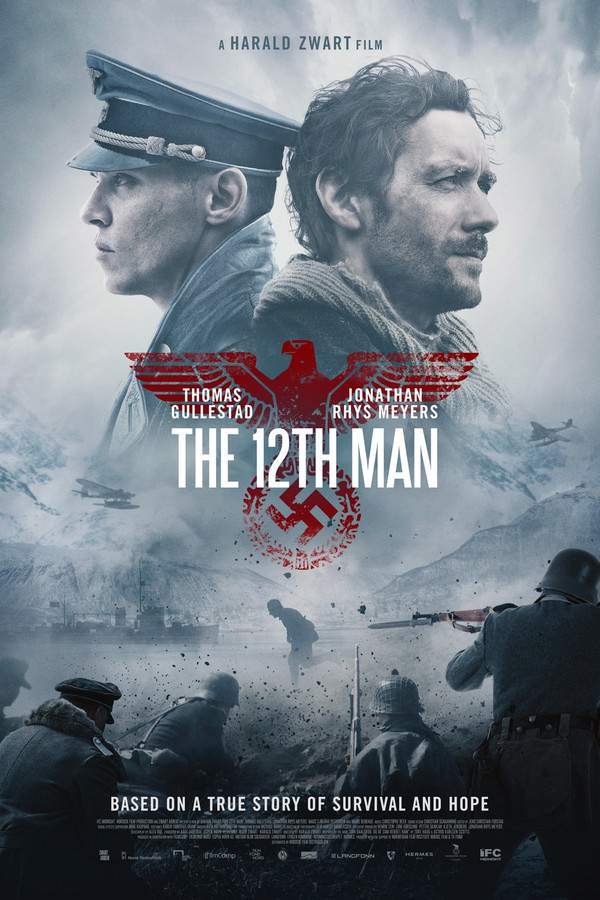
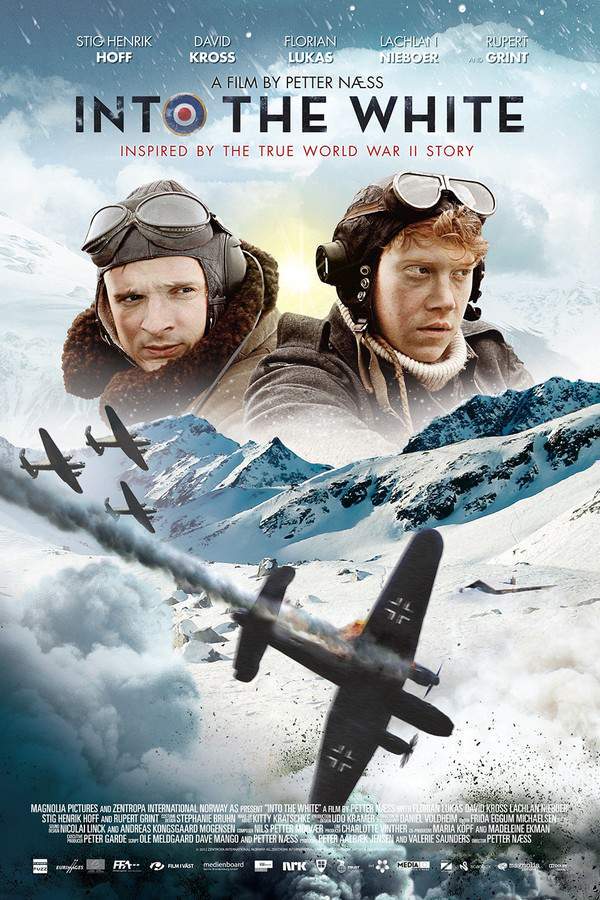
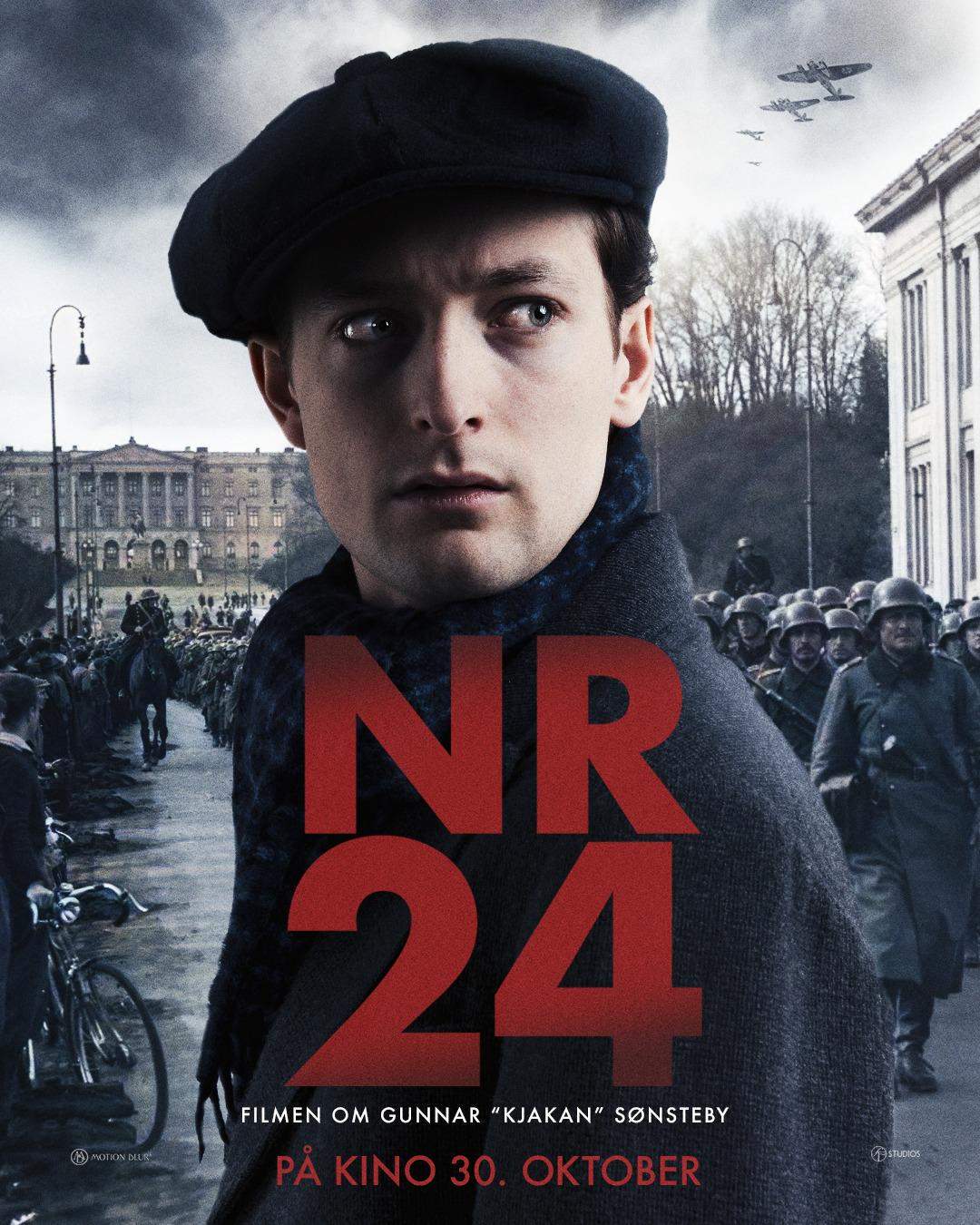
In the bitter winter of 1943, the stark Norwegian coastline is swallowed by ice and silence, a landscape where the sea freezes over and the wind cuts like glass. The occupied country lives under a heavy veil of oppression, its towns and fjords shadowed by the ever‑present threat of discovery. Within this relentless chill, a small band of resistance fighters dares to act, their quiet patriotism colliding with the brutal realities of a world at war.
At the heart of the story is Jan Baalsrud, a determined and resourceful Norwegian who has already faced the unforgiving sea and the weight of his comrades' hopes. When the mission goes awry, he finds himself alone, cut off from any familiar refuge. The isolation amplifies every sound—a distant gunshot, the crack of frozen ice underfoot—and forces him to confront not only the external pursuit of an unseen enemy but also the internal battle against doubt and fatigue.
The film’s tone is a tense, almost palpable blend of stark survival drama and quiet, human endurance. Snow‑laden forests and jagged cliffs become both sanctuary and obstacle, their beauty laced with danger. The relentless pursuit by unseen forces creates a constant undercurrent of suspense, while the harsh environment tests the limits of physical and mental stamina. Each step Jan takes across the frozen wilderness is a gamble, a reminder that even the smallest misstep can mean exposure to the unforgiving elements.
Through sparse dialogue and atmospheric visuals, the story invites the audience to feel the cold bite of the Arctic wind, hear the muffled echo of distant footsteps, and share in the desperate hope that somewhere beyond the ice lies a chance for freedom. The narrative lingers on the tension between isolation and the faint glimmers of unexpected aid, hinting at a precarious path forward without revealing how the struggle may resolve.