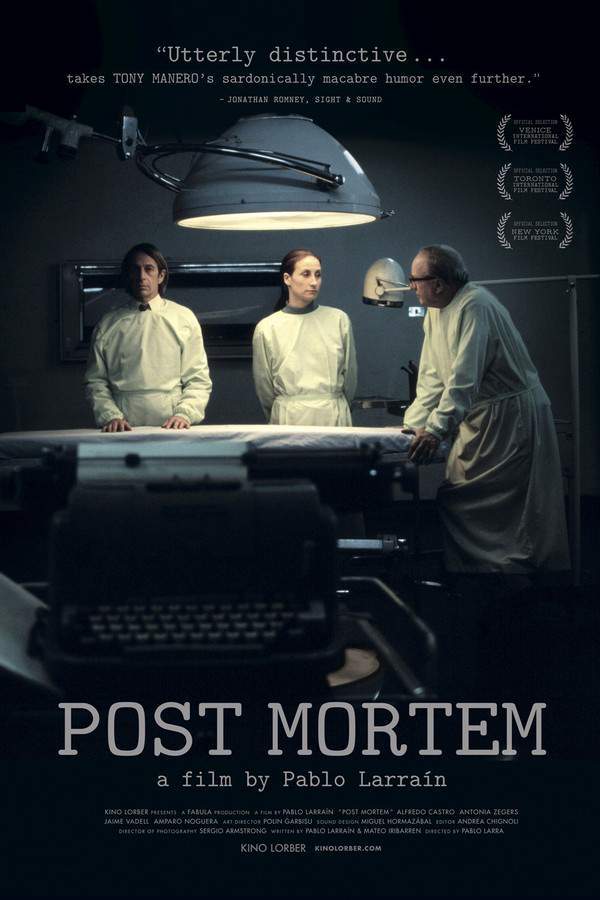
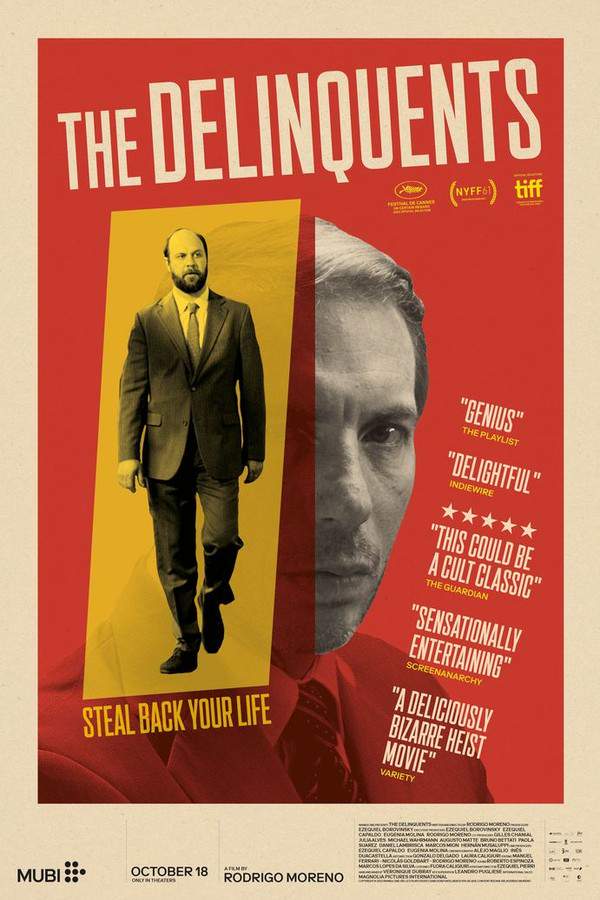
In a fever‑dream version of 1970s Buenos Aires, the country teeters on the edge of political collapse, and every whispered conversation feels charged with the promise of revolution or repression. The film paints the capital as a kaleidoscope of street protests, smoke‑filled cafés, and an undercurrent of absurdity that makes the ordinary seem surreal. Against this backdrop, a charismatic left‑leaning collective decides to seize an icon of the vanished regime—General Perón’s corpse—on the very day his death reverberates through the nation. Their plan, half‑coup and half‑ritual, becomes a darkly comic mirror for a society that is simultaneously mourning a leader and fearing the vacuum he leaves behind.
The story arrives at the modest home of Cosme, a young member of the Peronist Youth, where a family vigil for his recently deceased father provides a quiet counterpoint to the chaotic world outside. Cosme is caught between his inherited loyalty to the movement and the raw, unfiltered energy of the newcomers who thrust the outrageous scheme into his living room. Their presence is both intoxicating and unsettling, offering him a glimpse of a more radical, almost theatrical brand of politics that challenges his own convictions.
At the heart of the film is the dynamic between Cosme and the group's persuasive leader, Aldo, whose blend of idealism and sly humor draws the young activist in while keeping the audience guessing about the line between satire and sincerity. Their interactions crackle with tension and camaraderie, each exchange a balance of earnest political discourse and the absurdist edge that defines the movie’s tone. The narrative swirls around the idea that in moments of national crisis, even the most outlandish plans can feel like a plausible path to meaning.
Through vivid set pieces, quick‑witted dialogue, and a soundtrack that oscillates between mournful tango and anarchic rock, the film captures a country in limbo, where comedy and tragedy are inseparable. It invites viewers to wonder how far a group will go when the symbols of power become both a tantalizing prize and a haunting reminder of a past that refuses to stay buried.