






Plot Explained Spoilers guaranteed!
Plot Explained

Browse by genre

You Talkin’ To Me? (1987) movie poster

Timeline

You Talkin’ To Me? (1987) Timeline Explained – Every Event in Order

Release, runtime and language
1987 · 97 mins · English
JustWatch #15,893 4
Directed by
Charles Winkler
Starring
Brian Thompson, Doug Cox, Mykelti Williamson, Faith Ford, Jim Youngs, Alan King

A young actor’s fascination with Rober De Niro’s TAXI DRIVER persona leads him into a morass of strange and obsessional behaviors.

On this page (6)
  1. 1 Where to watch
  2. 2 Events in order (12)
  3. 3 Timeline questions answered
  4. 4 Movie threads
  5. 5 Movies like You Talkin’ To Me?
  6. 6 Every angle

Where to watch

Where to Watch You Talkin’ To Me? (1987)

Where can you watch You Talkin’ To Me?? Stream, rent or buy it in the US, including on Amazon Prime Video, fuboTV and MGM Plus: current JustWatch availability with up-to-date prices.

Streaming availability powered by JustWatch

12 events in order · contains spoilers

You Talkin’ To Me? Timeline: Events in Chronological Order

Every key event of You Talkin’ To Me? (1987) in order, scene by scene, with when and where it takes place. Use it to untangle flashbacks, time jumps and parallel storylines, to refresh your memory before the sequel or to find the exact scene you are thinking of.

  1. Obsession with De Niro and Taxi Driver

    Bronson Green idolizes Robert De Niro, especially his performance as Travis Bickle in Taxi Driver. He watches the film repeatedly in revival theaters and even wears a jacket stenciled with 'Bickle' as a constant nod to his idol.

    Where
    New York
  2. Move to Hollywood

    After relentless rejection in New York, Bronson leaves for Hollywood with his friend Thatcher Marks. He hopes for a fresh start in the film industry, away from his earlier disappointments.

    Where
    Hollywood, California
  3. Thatcher's Milk Ad Breakthrough

    Thatcher Marks finds success appearing in milk advertisements in Hollywood, gaining recognition. Bronson continues to struggle with casting, watching his friend’s rapid ascent while he remains sidelined by industry executives who see him as 'too New York.'

    Where
    Hollywood, California
  4. Hollywood Rejections for Bronson

    Casting directors dismiss Bronson as 'too New York' and ethnically unsuitable for contemporary Hollywood roles. He remains sidelined by continuing rejections as he watches others succeed around him.

    Where
    Los Angeles, California
  5. Taxi Driver and California Persona

    Bronson supports himself by driving a taxi in Los Angeles, scraping by while he pursues acting. After seeing a blonde actor effortlessly win a role, he begins to adopt a laid-back California persona.

    Where
    Los Angeles, California
  6. Hair Bleach and New Look

    His transformation deepens as he bleaches his hair and leans into a carefree California vibe. The new look and attitude draw attention from people around him, setting the stage for new opportunities.

    Where
    Los Angeles, California
  7. Dana Archer Enters the Picture

    Dana Archer, a wealthy socialite, witnesses Bronson thwart a robbery at a surf shop, and is impressed by his heroism. She becomes drawn to his charisma, unaware of the deeper compromises shaping his choices.

    Where
    Surf shop, California
  8. Archer Hires Him for TV Shows

    Peter Archer, Dana's father, runs right-wing religious television programming and hires Bronson as a spokesman for his shows. Bronson accepts the offer for fame and money, stepping into a world of propaganda.

    Where
    Peter Archer's TV studio, California
  9. Public Service Announcements Begin

    Bronson films racist public service announcements as part of Archer's program, testing his loyalty and the cost of success. He remains friends with Thatcher while he participates in the propaganda.

    Where
    Television studio, California
  10. Milk Billboard Discovery Provokes Anger

    Archer discovers Thatcher's milk billboard and grows angry at what this means for Bronson's image. He sends neo-Nazi associates to punish Thatcher.

    Where
    Hollywood, California
  11. Assault on Thatcher

    Neo-Nazi associates pour white paint on Thatcher and vandalize his home with 'THE WHITE TRUTH,' revealing the dangerous influence of Archer's network. The attack forces Bronson to confront the consequences of his complicity.

    Where
    Thatcher's residence, Los Angeles
  12. Bronson Chooses, Then Acts

    Bronson must decide between continuing the lucrative but racist platform and staying loyal to his friend Thatcher. He ultimately intervenes to save Thatcher, rejecting the path of fame in favor of his friendship and personal ethics.

    Where
    Los Angeles, California

Last updated: February 18, 2026 at 23:44

Was this helpful?

Timeline questions answered

You Talkin’ To Me? Timeline Explained: Your Questions Answered

When does it happen, and why in that order? The questions people ask about the chronology of You Talkin’ To Me? (1987): time jumps, flashbacks, cause and effect between scenes and the correct order of events, each answered with spoilers.

Q1

Why does Bronson bleach his hair and change his personality?

After watching a blonde actor effortlessly land a role that Bronson was rejected from, he decides to abandon his New York identity and adopt a laid-back California persona. Bleaching his hair symbolizes his attempt to reinvent himself for Hollywood, hoping a new look will help him land roles that previously eluded him.

Foreshadowing: Earlier, Bronson is rejected for being 'too New York,' setting up his radical transformation.

  • hair bleach
  • california persona
  • hollywood reinvention
  • character transformation
Q2

Why does Bronson accept the spokesperson job with Peter Archer?

Bronson accepts the position because he is desperate for fame and money after months of rejection. Despite knowing Archer's views are racist and his programming promotes white supremacist ideology, Bronson sees the job as his breakthrough opportunity in Hollywood.

Foreshadowing: Bronson's earlier rejections and his taxi driving job highlight his desperation for success.

  • peter archer
  • spokesperson job
  • fame
  • racism
  • hollywood desperation
Q3

Why does Peter Archer attack Thatcher?

When Archer discovers Thatcher's milk advertisement billboard, he becomes furious because he sees it as a betrayal by Bronson, his spokesperson being associated with a Black model contradicts the white supremacist image Archer wants to maintain. He sends neo-Nazi associates to assault Thatcher as punishment and a warning.

Foreshadowing: Archer previously chased a Black couple from his property while using racial slurs, establishing his extreme views.

  • thatcher marks
  • neo-nazi attack
  • milk billboard
  • peter archer
  • white supremacist
Q4

Why does Bronson agree to film racist public service announcements?

Bronson films the racist PSAs because he wants to keep his lucrative job with Archer. Despite remaining friends with Thatcher, Bronson prioritizes his career advancement and tells himself the work is just acting, distancing himself from the real-world harm of the content.

Foreshadowing: His friendship with Thatcher continues even as Bronson becomes more entangled with Archer's world.

  • racist psa
  • propaganda
  • acting job
  • moral compromise
Q5

What causes Bronson to finally intervene and save Thatcher?

When Bronson witnesses the neo-Nazi assault on Thatcher, including having paint poured on him and his home vandalized with 'THE WHITE TRUTH,' he realizes the cost of his complicity. The attack on his best friend forces him to choose between his fame and his values, and he ultimately chooses loyalty over career.

Foreshadowing: Bronson's internal conflict builds throughout the film as he watches his friend succeed while he compromises himself.

  • thatcher marks
  • save friend
  • moral choice
  • redemption
  • final confrontation
Q6

Why is Bronson so obsessed with Travis Bickle from Taxi Driver?

Bronson idolizes Robert De Niro's Travis Bickle character as the ultimate embodiment of a memorable on-screen persona. As a struggling actor who feels invisible and rejected, Bronson believes that adopting an intense, distinctive character identity is the key to success in Hollywood.

Foreshadowing: His jacket stenciled with 'Bickle' and repeated viewings of Taxi Driver establish this obsession from the start.

  • travis bickle
  • robert de niro
  • taxi driver
  • obsession
  • acting idol
Q7

Why does Dana Archer become interested in Bronson?

Dana witnesses Bronson heroically stop a robbery at a surf shop, which impresses her. She is drawn to his apparent courage and charisma, unaware of the moral compromises he is making with her father. Her attraction is based on the heroic image she sees, not his actual character.

Foreshadowing: The surf shop robbery establishes Bronson's potential for heroism before his moral decline.

  • dana archer
  • attraction
  • hero
  • surf shop robbery
Q8

Why does Bronson keep getting rejected in Hollywood?

Casting directors reject Bronson because they consider him 'too New York' and ethnically unsuitable for contemporary Hollywood roles. His intense, dramatic approach learned from studying De Niro doesn't fit the laid-back California aesthetic that casting directors seek.

Foreshadowing: The contrast between Bronson's New York intensity and Hollywood's preferences drives his transformation.

  • hollywood rejection
  • too new york
  • casting directors
  • acting career
Q9

Why does Thatcher succeed in Hollywood while Bronson fails?

Thatcher finds success as a milk model because his fresh, approachable look fits the commercial aesthetic Hollywood values. Bronson's intensity and New York background make him unsuitable for these roles, highlighting the irony that Bronson's attempts to be memorable actually work against him.

Foreshadowing: Thatcher's milk ad breakthrough comes right after Bronson's rejections, establishing the contrast.

  • thatcher marks
  • milk advertisement
  • model success
  • hollywood irony
Q10

Does Bronson redeem himself at the end?

Bronson chooses to save Thatcher, rejecting his racist employer and the fame he offered. However, the redemption is bittersweet, he has already caused harm by filming propaganda and exposing his friend to danger. His choice ends the film on a hopeful note but doesn't erase the damage done.

Foreshadowing: Throughout the film, Bronson balances his friendship with Thatcher against his career ambitions.

  • redemption
  • moral choice
  • ending
  • bittersweet
  • friendship

Movie threads

More Movies Like You Talkin’ To Me?, by Mood & Story

Curated lists built around what makes You Talkin’ To Me? tick: the same mood, the same kind of story or the same emotional payoff. Each list explains why these movies belong together.

Actor's Dark Descent movies like You Talkin’ To Me?

Stories of performers losing themselves in morally compromising roles. If you enjoyed the dark satire of an actor's obsession in You Talkin’ To Me?, you'll find similar stories here. These movies feature performers who dangerously immerse themselves in roles, leading to moral crises and psychological unraveling.

  • obsessive
  • unsettling
  • satirical
  • psychological
  • anxious
  • cynical
  • Tone: dark, unsettling, satirical
  • Pacing: steady, character-driven
Why these movies?

The story pattern: The narrative pattern follows a protagonist, typically an actor, who becomes intensely obsessed with a character or persona. This obsession leads them down a path of personal and moral decay, forcing them to confront the consequences of losing their true self to a performance.

Why they belong together: These films are grouped together because they share a core theme of identity erosion through performance. They blend dark tones with steady pacing to chronicle a character's psychological unravelling, creating a specific, unsettling vibe centered on the price of artistic obsession.
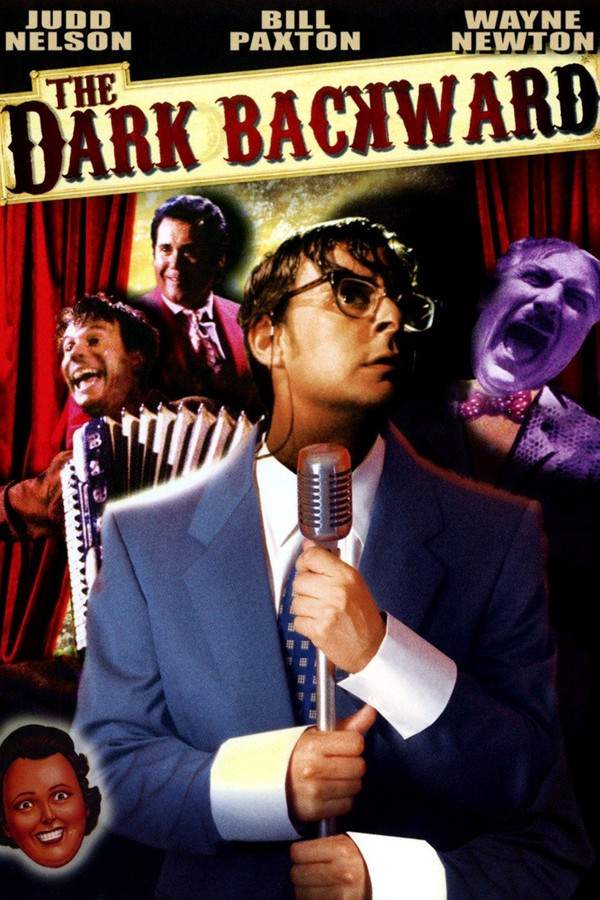
Dark Comedies of Moral Compromise like You Talkin’ To Me?

Darkly funny journeys into ethical gray zones and selfish choices. Fans of the biting satire and moral conflict in You Talkin’ To Me? will appreciate this collection. These films explore characters making selfish choices with darkly humorous consequences, testing friendships and personal values.

  • cynical
  • satirical
  • unsettling
  • desperate
  • anxious
  • moral dilemma
  • Tone: dark, cynical, bittersweet
  • Pacing: steady
Why these movies?

The story pattern: The plot follows a protagonist who, driven by a singular goal or obsession, begins to compromise their ethics. The narrative is often straightforward, escalating the stakes of their choices and culminating in a resolution that leaves them and their relationships forever changed.

Why they belong together: They are united by a unique blend of dark humor and serious ethical dilemmas. The pacing is steady, allowing the consequences of bad decisions to unfold logically, while the tone remains cynical and the emotional weight is substantial but not overwhelming.

If you liked this

Movies Like You Talkin’ To Me?

Similar movies to You Talkin’ To Me?: the same genre, themes or kind of story. Each one comes with its own plot summary, timeline and ending explained.

Browse all movie summaries

Every angle

You Talkin’ To Me? (1987) Explained: Plot, Timeline & Characters

Everything about You Talkin’ To Me? in one place: what happens in the plot summary, the timeline in chronological order, the characters and meaning and a spoiler-free summary. What's After the Movie adds the cast, box office and post-credit scenes.

Coming soon on iOS and Android

The Plot Explained Movie Summary App

Plot summaries, endings explained and timelines on your phone. Catch up on any movie in minutes, save your favorites and never miss a twist again.

Be the first to know when we launch. Your email stays private, always.

Learn more about the app