Plot Explained Spoilers guaranteed!
Plot Explained

Browse by genre

Yesterday’s Enemy (1959) movie poster

Characters & Themes

Yesterday’s Enemy (1959) Characters, Setting & Themes Explained

Release, runtime and language
1959 · 95 mins · English
Loading streaming availability…
Directed by
Val Guest
Starring
Burt Kwouk, Leo McKern, Gordon Jackson, Percy Herbert, Stanley Baker, Russell Waters

Set during the Burma Campaign of World War II, the film follows soldiers forced into brutal close‑quarters combat, testing their courage and endurance. It delves into the moral dilemmas ordinary men confront when the line between justified military action and intolerable cruelty blurs, revealing the psychological toll of war.

On this page (8)
  1. 1 Where to watch
  2. 2 Characters explained (7)
  3. 3 Where & when it takes place
  4. 4 Themes & meaning (3)
  5. 5 Character & meaning questions
  6. 6 Movie threads
  7. 7 Movies like Yesterday’s Enemy
  8. 8 Every angle
Loading streaming availability…

7 main characters · contains spoilers

Yesterday’s Enemy Characters Explained: Who Is Who

The main characters of Yesterday’s Enemy (1959), heroes and villains: what drives them, how they change over the course of the story and what each of them reveals about the film's bigger ideas.

  • Captain Alan Langford

    played by Stanley Baker

    A determined, duty-driven leader who makes hard choices under pressure. He relentlessly pursues a warning to HQ, endangering the lives of his men yet refusing to abandon the mission. His courage culminates in a final act of self-sacrifice as he tries to transmit the warning.

    • 🧭
    • ⚔️
    • Leadership
  • Sergeant McKenzie

    played by Gordon Jackson

    Loyal and pragmatic, he commands the rear-guard and participates in the dangerous extraction and defense. He bears the weight of the group's fate and holds the line as long as possible.

    • 👥
    • 🗡️
    • Duty
  • The Informer

    played by Wolfe Morris

    A Burmese informer employed by the Japanese, whose silence under interrogation shapes the fate of many. His eventual cooperation comes at a grim price, revealing the cost of betrayal in war.

    • 🕵️
    • 💬
    • Betrayal
  • Dr. Max

    played by David Oxley

    The civilian doctor on the retreat, whose perspective anchors the human cost of the fighting. He protests brutal decisions and fights to protect the wounded and civilians.

    • 🩺
    • 🧰
    • Humanity
  • Padre

    played by Guy Rolfe

    The priest who provides spiritual support amid the chaos, urging mercy and grace even as the battle rages. He joins the group in prayers as they face execution and danger.

    • 🙏
    • Faith
    • Morality
  • Major Yamazaki

    played by Philip Ahn

    The Japanese commander who respects Langford but commands brutal efficiency. His demeanor reflects wartime pragmatism and a code of honor among soldiers.

    • 🎖️
    • Command
    • War
  • Lieutenant Hastings

    played by Richard Pasco

    A capable officer tasked with defending the village under overwhelming odds. He embodies duty, restraint, and resolve in the face of imminent capture.

    • ⚔️
    • Duty
    • War

Last updated: October 04, 2025 at 16:57

Was this helpful?

Setting

Where and When Does Yesterday’s Enemy Take Place?

The setting of Yesterday’s Enemy (1959): the year and time period, the places and locations, and how they shape the characters, the mood and the tension of the story.

Time period

World War II, 1944

Set during the Burma Campaign of the Second World War, the narrative unfolds as Japanese forces push the Allied retreat and require urgent warning signals. The year 1944 is marked by heavy combat around Kohima, with strategic defenses, retreats, and the struggle to keep communication lines open. The time pressure intensifies as the unit attempts to reach Allied lines before the Japanese attack closes in.

Location

Burmese jungle, Kohima War Cemetery, Kohima, Nagaland, India

The action unfolds through the Burmese jungle as a British brigade retreats. The detachment seeks shelter in a small enemy-occupied village, where mud, rain and tension define the battleground. The final image links the story to Kohima War Cemetery in Kohima, Nagaland, India, a memory site for the campaign.

  • 🏞️ Jungle
  • 🗺️ Campaign
  • 🏘️ Village
  • 🎖️ War

Last updated: October 04, 2025 at 16:57

Was this helpful?

3 major themes

Yesterday’s Enemy Meaning: Themes & Message Explained

What is Yesterday’s Enemy (1959) really about? The emotional, social and philosophical themes the film keeps returning to, its symbolism and the message beneath the surface.

  • Courage & Sacrifice

    Langford and his men press on despite overwhelming odds, culminating in a last act of self-sacrifice to relay a crucial warning. The Padre and the doctor challenge inhumane orders, highlighting the personal cost of wartime leadership. The Kohima memorial at the film’s end underscores the price paid by those who strive for courage under fire.

  • Duty vs Morality

    Langford’s harsher choices—such as treating wounded soldiers as expendable—expose the tension between military necessity and humanity. The doctor and Padre contest these decisions, raising questions about ethics when every move could mean life or death. The film probes whether victory can justify compromising moral principles.

  • War Strategy & Communication

    A map hidden with the dead colonel reveals a plan for a major Japanese flank, while a damaged radio complicates warnings to HQ. The effort to repair and send a signal becomes a central thread that might alter the outcome for the retreating unit. The story emphasizes how intelligence and communication shape survival in war.

Last updated: October 04, 2025 at 16:57

Was this helpful?

Character & theme questions

Yesterday’s Enemy Characters & Meaning: Your Questions Answered

The questions people ask about Yesterday’s Enemy (1959): who the characters really are, their relationships, what the symbols mean, where it takes place and what the movie is really about. Each answer contains spoilers.

Q1

Where is Yesterday's Enemy set?

The film takes place during the Burma Campaign of World War II, primarily in the Burmese jungle and a small enemy-occupied village. The story's final images connect to the Kohima War Cemetery in Nagaland, India, a memorial to the actual campaign.

  • burma campaign
  • burmese jungle
  • ww2 setting
  • kohima
  • world war ii
Q2

When does the story take place?

The film is set in 1944 during World War II, specifically during the Burma Campaign when Japanese forces were pushing the Allied forces back. This was a critical year with heavy combat around Kohima, where strategic defenses and retreats determined the outcome of the campaign.

  • 1944
  • burma campaign
  • world war ii
  • historical setting
  • ww2
Q3

What is the main moral dilemma in the film?

The central theme explores whether military victory can justify compromising moral principles. Captain Langford makes increasingly harsh decisions, such as treating wounded soldiers as expendable, while the doctor and Padre challenge these choices, raising questions about ethics when every move could mean life or death.

  • duty vs morality
  • ethics in war
  • military necessity
  • moral dilemma
  • wartime ethics
Q4

How does the film portray courage and sacrifice?

Langford and his men push forward despite overwhelming odds, culminating in acts of self-sacrifice to relay crucial warnings. The film emphasizes the personal cost of leadership and ends with the Kohima memorial, underscoring the price paid by those who strive for courage under fire.

  • courage
  • sacrifice
  • self-sacrifice
  • wartime heroism
  • kohima memorial
Q5

Who is Captain Alan Langford?

Captain Alan Langford is the film's protagonist, a determined, duty-driven leader who makes hard choices under pressure. He relentlessly pursues getting a warning to headquarters, endangering his men's lives, and ultimately sacrifices himself trying to transmit the warning.

  • captain langford
  • stanley baker
  • protagonist
  • military leader
  • war hero
Q6

Who is Major Yamazaki?

Major Yamazaki is the Japanese commander in the film. He is portrayed as a pragmatic military leader who maintains a code of honor among soldiers. Despite being an enemy, he respects Langford's determination and embodies wartime efficiency combined with a soldier's sense of duty.

  • major yamazaki
  • japanese commander
  • enemy
  • philip ahn
  • wartime pragmatism
Q7

What role does Dr. Max play in the story?

Dr. Max is the civilian doctor accompanying the retreating unit, providing perspective on the human cost of fighting. He actively protests brutal decisions and fights to protect wounded soldiers and civilians, representing the moral conscience that questions the dehumanizing effects of war.

  • dr max
  • doctor
  • civilian
  • medical
  • human cost of war
Q8

What is the role of the Padre in the film?

The Padre serves as the spiritual guide for the unit, providing religious support and urging mercy and grace amid the chaos of battle. He represents moral integrity and joins the group in prayers as they face execution and grave danger, challenging the dehumanizing aspects of warfare.

  • padre
  • priest
  • spiritual support
  • chaplain
  • moral conscience
Q9

How does communication affect the story?

A hidden map with a dead colonel reveals a major Japanese flank plan, while a damaged radio complicates warnings to headquarters. The effort to repair and send a signal becomes central to survival, demonstrating how intelligence and communication shape outcomes in war.

  • communication
  • radio
  • intelligence
  • strategy
  • warning signal
Q10

Who is the Informer in the film?

The Informer is a Burmese man employed by the Japanese who provides intelligence to the enemy. His silence under interrogation determines the fate of many soldiers, and his eventual cooperation comes at a grim price, illustrating the devastating cost of betrayal in wartime.

  • informer
  • burmese
  • betrayer
  • betrayal
  • interrogation
Q11

What is the significance of the Kohima War Cemetery?

The film's closing images connect to the Kohima War Cemetery in Nagaland, India, which serves as a memorial to the Burma Campaign. This visual link underscores the real historical context and the price paid by actual soldiers, grounding the narrative's themes of sacrifice in historical reality.

  • kohima war cemetery
  • memorial
  • nagaland
  • burma campaign memorial
  • historical significance
Q12

How does the film explore moral degradation in war?

The film shows how soldiers are pushed to commit acts that blur the line into cruelty, exploring the psychological toll of wartime decisions. Langford's increasingly harsh choices test the boundaries between justified military action and intolerable cruelty, revealing how war can erode moral principles.

  • moral degradation
  • psychological toll
  • war crimes
  • ethics
  • dehumanization

Movie threads

More Movies Like Yesterday’s Enemy, by Mood & Story

Curated lists built around what makes Yesterday’s Enemy tick: the same mood, the same kind of story or the same emotional payoff. Each list explains why these movies belong together.

Movies about war ethics and moral dilemmas like Yesterday’s Enemy

Stories where soldiers face impossible choices that test their humanity. If you liked the difficult choices in Yesterday’s Enemy, explore more movies about the brutal moral calculus of war. These films, often set in intense combat zones, focus on the heavy psychological burden soldiers carry when forced to compromise their morality for survival.

  • ethical dilemma
  • psychological
  • brutal
  • tense
  • oppressive
  • thought-provoking
  • Tone: tense, bleak, psychologically heavy
  • Pacing: steady, relentless
Why these movies?

The story pattern: Narratives in this thread typically follow characters pushed to their absolute limits by the horrors of war. The central conflict is often internal, as protagonists grapple with orders or situations that demand a sacrifice of their ethics, leading to a profound exploration of guilt, duty, and the cost of survival.

Why they belong together: These movies are grouped by their shared, heavy emphasis on ethical quandaries within a high-stakes military context. They create a similarly tense and oppressive atmosphere, prioritizing psychological depth and moral conflict over straightforward action.
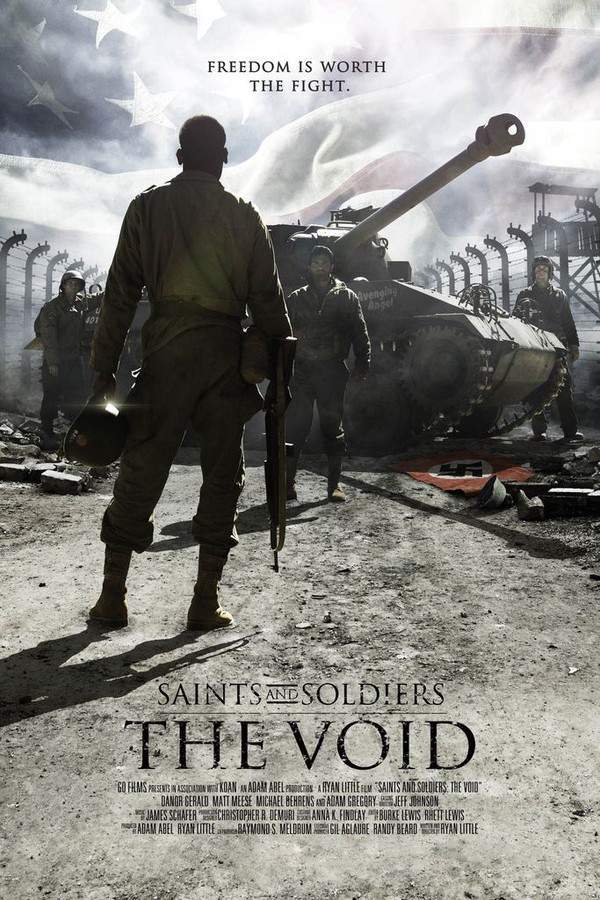
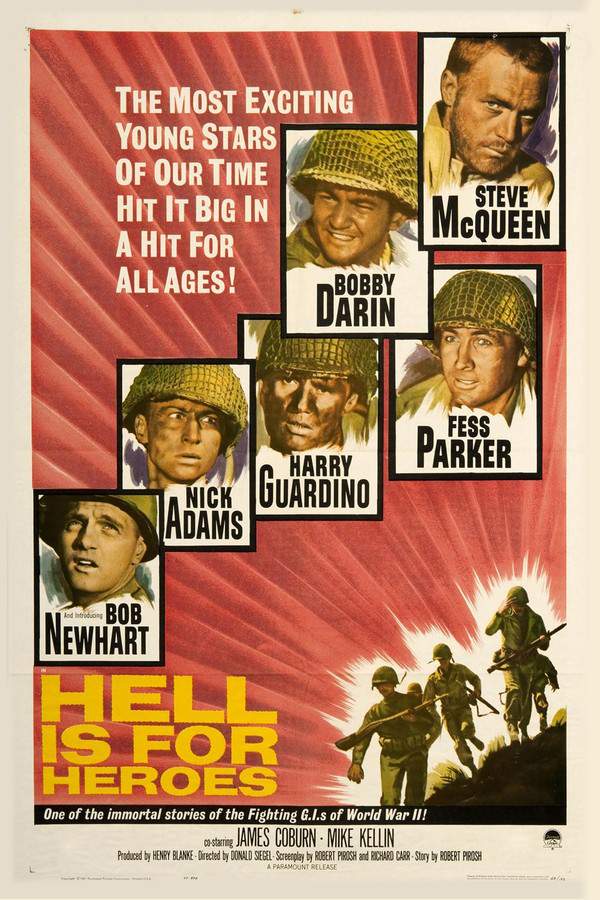
Claustrophobic survival thrillers with a tense atmosphere like Yesterday’s Enemy

Intense stories where the environment itself becomes a relentless enemy. Fans of the suffocating jungle warfare in Yesterday’s Enemy will appreciate these movies. They share a focus on survival in confined, hostile environments, creating a palpable sense of dread and anxiety as characters fight against both visible enemies and the oppressive setting.

  • claustrophobic
  • tense
  • sweaty
  • oppressive
  • survival
  • anxious
  • Tone: tense, anxious, gritty
  • Pacing: steady, relentless pressure
Why these movies?

The story pattern: The narrative pattern involves a group or individual trapped in an inescapable, dangerous environment. The plot unfolds as a grueling test of endurance, where the setting relentlessly erodes morale and forces desperate acts. The journey is often one of psychological unraveling as much as physical survival.

Why they belong together: These films are united by their mastery in creating a palpable, claustrophobic vibe. They share a high-tension, steady pace, and use their settings as a primary antagonist, resulting in an anxious, gritty, and immersive viewing experience focused on the raw struggle to endure.

If you liked this

Movies Like Yesterday’s Enemy

Similar movies to Yesterday’s Enemy: the same genre, themes or kind of story. Each one comes with its own plot summary, timeline and ending explained.

Browse all movie summaries

Every angle

Yesterday’s Enemy (1959) Explained: Plot, Timeline & Characters

Everything about Yesterday’s Enemy in one place: what happens in the plot summary, the timeline in chronological order, the characters and meaning. What's After the Movie adds the cast, box office and post-credit scenes.

Coming soon on iOS and Android

The Plot Explained Movie Summary App

Plot summaries, endings explained and timelines on your phone. Catch up on any movie in minutes, save your favorites and never miss a twist again.

Be the first to know when we launch. Your email stays private, always.

Learn more about the app