Plot Explained Spoilers guaranteed!
Plot Explained

Browse by genre

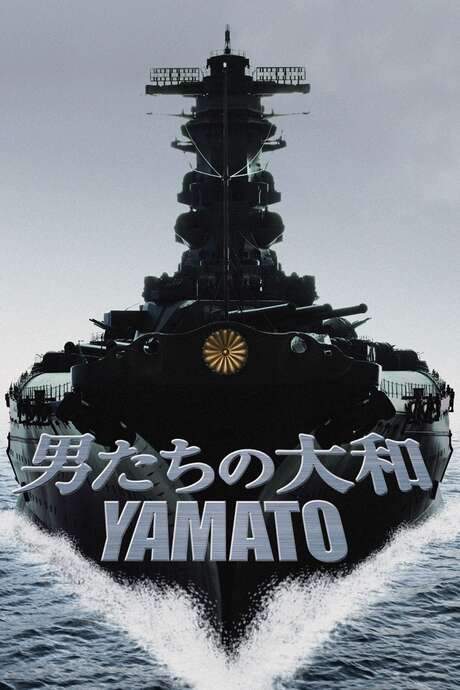
Yamato (2005) movie poster

Characters & Themes

Yamato (2005) Characters, Setting & Themes Explained

Release, runtime and language
2005 · 143 mins · Japanese
Directed by
Junya Satō
Starring
Tatsuya Nakadai, Hisashi Igawa, Shinobu Terajima, Ken'ichi Matsuyama, Takashi Sorimachi, Jun'ichi Haruta

Directed by Junya Sato and adapted from Jun Henmi’s book, the film frames its narrative today before launching a series of flashbacks that follow the crew of the World War II Japanese battleship Yamato. Though never released in the United States, reviewers who have seen it liken the sweeping military epic to Titanic and Saving Private Ryan.

On this page (7)
  1. 1 Characters explained (3)
  2. 2 Where & when it takes place
  3. 3 Themes & meaning (2)
  4. 4 Character & meaning questions
  5. 5 Movie threads
  6. 6 Movies like Yamato
  7. 7 Every angle

3 main characters · contains spoilers

Yamato Characters Explained: Who Is Who

The main characters of Yamato (2005), heroes and villains: what drives them, how they change over the course of the story and what each of them reveals about the film's bigger ideas.

  • Katsumi Kamio

    played by Ken'ichi Matsuyama

    Katsumi Kamio is a survivor of the Yamato disaster, shaped by his experiences during World War II as an air defense crewman. He is portrayed as a resilient yet troubled man, deeply affected by the loss of friends and the weight of duty. His journey to honor his fallen comrades reflects a complex interplay of guilt and the need for closure.

    • 🧑‍✈️ Veteran
    • ⛴️ Survivor
    • 💔 Grief
  • Makiko Uchida

    played by Yu Aoi

    Makiko Uchida, the adopted daughter of a Yamato crewman, represents the connection between past and present. Her quest to honor her father's memory is deeply personal and embodies a search for identity amidst the shadows of wartime tragedy. Makiko's determination to memorialize the sacrifice of the crew adds emotional richness to the narrative.

    • 🕊️ Remembrance
    • ❤️ Daughter
    • 💫 Hope
  • Mamoru Uchida

    played by Shido Nakamura

    Mamoru Uchida is portrayed as a dedicated Petty Officer whose bravery and commitment to his fellow sailors exemplify the stoic courage of those who served on the Yamato. His character's legacy looms large, even after his death, influencing those who knew him and encapsulating the themes of sacrifice and honor in battle.

    • ⚓ Hero
    • 🎖️ Duty
    • 👨‍✈️ Leader

Last updated: October 03, 2026 at 14:00

Was this helpful?

Setting

Where and When Does Yamato Take Place?

The setting of Yamato (2005): the year and time period, the places and locations, and how they shape the characters, the mood and the tension of the story.

Time period

1940s

The movie predominantly unfolds during the 1940s, a period marked by World War II and significant military engagements. This era saw Japan's naval forces in both triumphs and tragedies, culminating in catastrophic battles like the one at Leyte Gulf and the ultimate sinking of the Yamato. It was a time of intense national pride but also great loss and sacrifice for many families.

Location

Yamato Museum, Kure, Hiroshima, Okinawa

The Yamato Museum in Kure, Hiroshima, serves as both a memorial and a tribute to the legendary battleship Yamato, which was one of the largest warships ever built. The area is steeped in maritime history and is known for its connection to Japan's naval forces during World War II. Okinawa, where a fateful battle took place, is surrounded by beautiful blue waters but also marked by the harsh realities of war.

  • 🏛️ Museum
  • 🌊 Ocean
  • ⚓ Battleship

Last updated: October 03, 2026 at 14:00

Was this helpful?

2 major themes

Yamato Meaning: Themes & Message Explained

What is Yamato (2005) really about? The emotional, social and philosophical themes the film keeps returning to, its symbolism and the message beneath the surface.

  • Sacrifice

    Sacrifice is a central theme in 'Yamato', highlighting the deep commitment of the crew to their country and each other. The film explores the emotional turmoil and heart-wrenching choices faced by the soldiers, emphasizing their willingness to lay down their lives for duty. The legacy of these sacrifices resonates through generations, shaping the lives of those who survived.

  • Loss

    Loss permeates the narrative, with characters grappling with the consequences of war and the personal toll it takes on their lives. The emotional struggles of Kamio as he copes with the deaths of friends and loved ones, as well as his own regret over lost opportunities, highlight the pervasive nature of grief in wartime. The film poignantly illustrates how such losses can haunt survivors long after the battles have ended.

Last updated: October 03, 2026 at 14:00

Was this helpful?

Character & theme questions

Yamato Characters & Meaning: Your Questions Answered

The questions people ask about Yamato (2005): who the characters really are, their relationships, what the symbols mean, where it takes place and what the movie is really about. Each answer contains spoilers.

Q1

Where is the story set?

The story is set across two main contexts: the present-day Yamato Museum in Kure, Hiroshima, which serves as a memorial to the legendary WWII battleship, and the open ocean of the Pacific theater, including the waters around Okinawa. The film uses the museum as the framing location for its modern-day storyline, while the wartime flashbacks unfold aboard the battleship and across the seas where major naval engagements took place. Together, these locations bridge Japan's living memory of the war with its historical reality.

  • yamato museum
  • kure hiroshima
  • okinawa
  • pacific ocean
  • battleship yamato
Q2

When does the story take place?

The story primarily unfolds during the 1940s, the era of World War II, with the bulk of the narrative focused on Japan's naval operations during that conflict. The film is framed by a modern-day storyline set in contemporary Japan, where survivors and descendants reflect on the wartime events. This dual timeline allows Yamato to connect the living memory of the war with its historical reality.

  • 1940s
  • world war ii
  • wwii japan
  • modern-day
  • dual timeline
Q3

What is the Yamato Museum and why is it important in the film?

The Yamato Museum, located in Kure, Hiroshima, is a real-life memorial dedicated to the WWII battleship Yamato, one of the largest warships ever built. In the film, it serves as the central present-day setting where survivors and family members gather to honor the fallen crew. The museum anchors the modern storyline and bridges the wartime past with contemporary remembrance, making it both a literal and symbolic heart of Yamato.

  • yamato museum
  • kure
  • hiroshima
  • memorial
  • battleship
  • remembrance
Q4

What does sacrifice mean in the context of the film?

Sacrifice is a central theme in Yamato, referring to the profound willingness of the battleship's crew to lay down their lives for their country and for one another. The film portrays the emotional weight of those choices and how the legacy of those sacrifices continues to shape the lives of survivors and descendants. The theme underscores both the noble commitment to duty and the devastating human cost of that commitment.

  • sacrifice
  • duty
  • crew
  • wartime
  • legacy
  • kamikaze mission
Q5

How does loss shape the characters in Yamato?

Loss is a pervasive force throughout Yamato, affecting nearly every character as they grapple with the deaths of loved ones and the destruction of their world. Characters like Kamio carry deep grief and survivor guilt long after the battles have ended, while younger characters like Makiko inherit the weight of a generation's tragedy. The film shows how wartime loss does not end with the war but continues to haunt those who remain.

  • loss
  • grief
  • survivor guilt
  • kamio
  • wartime trauma
Q6

Who is Katsumi Kamio?

Katsumi Kamio is a survivor of the Yamato disaster who served as an air defense crewman during World War II. He is portrayed as a resilient but troubled man, deeply marked by the loss of his friends and the heavy burden of duty. His journey to honor his fallen comrades reflects a complex mix of guilt, memory, and the need for personal closure.

  • katsumi kamio
  • survivor
  • air defense crewman
  • wwii veteran
  • guilt
Q7

Who is Makiko Uchida?

Makiko Uchida is the adopted daughter of a Yamato crewman, representing the generational connection between the wartime past and the present. Her personal quest to honor her father's memory drives much of the modern-day storyline and embodies a search for identity shaped by the shadows of wartime tragedy. Through her determination to memorialize the crew's sacrifice, she brings emotional depth to the film's themes of remembrance.

  • makiko uchida
  • adopted daughter
  • crewman
  • remembrance
  • identity
Q8

Who is Mamoru Uchida?

Mamoru Uchida is portrayed as a dedicated Petty Officer aboard the Yamato, whose bravery and steadfast commitment to his fellow sailors define his character. Though he dies during the war, his legacy continues to influence those who knew him, including his adopted daughter Makiko. He embodies the stoic courage and sense of honor that characterized the Yamato's crew in Yamato.

  • mamoru uchida
  • petty officer
  • yamato crew
  • bravery
  • honor
Q9

Why does the film alternate between past and present?

Yamato is built as a frame narrative that alternates between a modern-day memorial voyage and WWII flashbacks, allowing the film to connect the living memory of the war with its historical reality. The present-day scenes focus on survivors like Kamio and descendants like Makiko reflecting on the past, while the flashbacks reveal the crew's experiences aboard the battleship. This structure emphasizes how the legacy of sacrifice and loss continues across generations.

  • frame narrative
  • flashback structure
  • dual timeline
  • memory
  • legacy
Q10

What role does Okinawa play in the story?

Okinawa is featured in Yamato as the site of a fateful WWII battle, surrounded by blue waters that contrast sharply with the devastation of war. The location represents the harsh realities of the Pacific theater and marks a key point in the battleship's final mission. Its inclusion underscores the geographic scope of the conflict and the human cost paid in island battles across the Pacific.

  • okinawa
  • pacific theater
  • battle
  • wwii location
  • naval engagement
Q11

What is the overall tone of the film?

The tone of Yamato is bittersweet rather than purely bleak, balancing devastating wartime loss with moments of remembrance, healing, and human connection. Despite overwhelming tragedy, including death, survivor guilt, and the futility of a suicide mission, the film offers catharsis through acts of remembrance and the characters' journeys toward closure. The emotional weight is heavy, but the story ultimately leans toward reflection and honoring the past.

  • bittersweet
  • emotional tone
  • catharsis
  • remembrance
  • tragic
Q12

What kind of conflict drives the story?

Yamato is driven by a blend of external and internal conflicts: the external conflict centers on the military operations and suicidal final mission of the WWII battleship, while the internal conflict revolves around the characters' struggles with duty, guilt, grief, and the search for meaning. The tension between national obligation and personal loss defines the emotional core of the film, making it as much a human story as a war epic.

  • conflict
  • duty
  • guilt
  • war epic
  • internal struggle
  • military

Movie threads

More Movies Like Yamato, by Mood & Story

Curated lists built around what makes Yamato tick: the same mood, the same kind of story or the same emotional payoff. Each list explains why these movies belong together.

Wartime memory dramas like Yamato

Films that cut between today's quiet grief and yesterday's violent past. If you liked Yamato's structure of present-day reflection woven into WWII flashbacks, these movies echo that same frame. Explore wartime memory dramas that use quiet memorial journeys to confront trauma, mixing slow reflective scenes with explosive combat and finding catharsis through remembrance rather than victory.

  • memory
  • remembrance
  • frame narrative
  • contemplative
  • haunting
  • somber
  • Tone: melancholic, reflective
  • Pacing: variable, slow reflective stretches and violent peaks
Why these movies?

The story pattern: A witness, survivor, or descendant travels in the present while the film cross-cuts into the war they are remembering. The two timelines inform each other: present-day silences are charged by what we know happened, and the flashback violence is filtered through the survivor's guilt or grief. The plot is rarely a thriller and more a slow emotional excavation, often ending not with answers but with a ritual of remembrance that lets both timelines finally rest.

Why they belong together: They share a structural DNA: a memorial or commemorative frame on one side, visceral combat on the other. They tend to favor variable pacing, heavy emotional weight, bittersweet or melancholic tones, and a sense that history is being carried rather than simply recounted. The mood is somber, contemplative, and cathartic, with haunting images and quiet grief holding the action scenes in tension.

If you liked this

Movies Like Yamato

Similar movies to Yamato: the same genre, themes or kind of story. Each one comes with its own plot summary, timeline and ending explained.

Browse all movie summaries

Every angle

Yamato (2005) Explained: Plot, Timeline & Characters

Everything about Yamato in one place: what happens in the plot summary, the timeline in chronological order, the characters and meaning and a spoiler-free summary. What's After the Movie adds the cast, box office and post-credit scenes.

Coming soon on iOS and Android

The Plot Explained Movie Summary App

Plot summaries, endings explained and timelines on your phone. Catch up on any movie in minutes, save your favorites and never miss a twist again.

Be the first to know when we launch. Your email stays private, always.

Learn more about the app