Plot Explained Spoilers guaranteed!
Plot Explained

Browse by genre

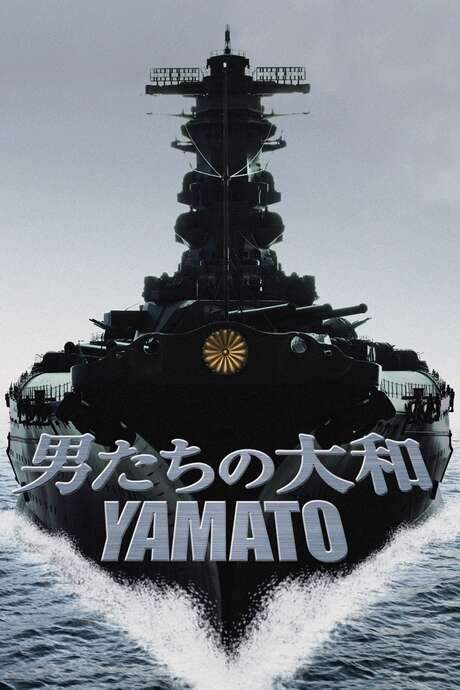
Yamato (2005) movie poster

Spoiler-Free Summary

Yamato (2005) Spoiler-Free Summary – What It's About

Release, runtime and language
2005 · 143 mins · Japanese
Loading streaming availability…
Directed by
Junya Satō
Starring
Tatsuya Nakadai, Hisashi Igawa, Shinobu Terajima, Ken'ichi Matsuyama, Takashi Sorimachi, Jun'ichi Haruta

Directed by Junya Sato and adapted from Jun Henmi’s book, the film frames its narrative today before launching a series of flashbacks that follow the crew of the World War II Japanese battleship Yamato. Though never released in the United States, reviewers who have seen it liken the sweeping military epic to Titanic and Saving Private Ryan.

On this page (7)
  1. 1 Where to watch
  2. 2 What it is about
  3. 3 Is it worth watching?
  4. 4 After you watch
  5. 5 Movie threads
  6. 6 Movies like Yamato
  7. 7 Every angle
Loading streaming availability…

Spoiler-free summary · safe to read

What Is Yamato About? (No Spoilers)

The plot of Yamato (2005) without spoilers: what it is about, who it follows and where it takes place, told without the twists or the ending. Enough to decide whether it is your next watch, not enough to ruin it.

In the present day, an aging fisherman named Katsumi Kamio carries the weight of a past few can imagine. As a young man, he served aboard one of history's most storied warships — a vessel whose legend has lived on in silence for decades. Now, years later, he agrees to take a woman named Makiko Uchida on a pilgrimage across open water, traveling toward the place where that mighty ship came to rest beneath the sea. Joined by his teenage apprentice, Atsushi, Kamio sets out on a journey that is equal parts voyage of remembrance and quiet reckoning with ghosts long left unspoken.

As the boat cuts toward the historic coordinates, the film drifts between the calm of the open ocean and vivid memories of life aboard the warship during the Second World War. The story moves between Kamio's present-day reflections and his youth as an air defense crewman, when he and a company of cadets — many barely out of boyhood — were molded by the discipline of seasoned petty officers. The grandeur of the vessel itself becomes a character: a floating world of steel and ritual, where loyalty is tested daily and the bonds between men grow quietly profound.

The tone is sweeping and elegiac, painting a portrait of a generation shaped by duty, hardship, and the looming shadow of a war that would demand everything from them. Through Kamio's memories, the film captures the texture of life at sea — the camaraderie forged in cramped quarters, the rhythms of training and watch, and the steady undercurrent of a fate no one aboard could outrun.

Beneath the epic scale, the story rests on something deeply human: the need to honor those who did not return, and the quiet, unspoken debts carried by those who did. As Kamio, Makiko, and Atsushi drift toward a place few have ever visited, the journey becomes less about the wreckage below and more about the lives, loves, and losses that still ripple across the water's surface.

Last updated: October 01, 2026 at 14:42

Was this helpful?

What to expect

Is Yamato Worth Watching? What It Feels Like

Is it dark, sad, slow, intense or confusing? The mood of Yamato (2005) in a few tags, without a word about how it ends. Each tag opens a list of movies that feel the same.

After you watch

Seen Yamato? Now Read the Spoilers

Once you have watched Yamato (2005), come back for the full story: the plot summary with spoilers, the timeline in chronological order, the characters and meaning.

Movie threads

More Movies Like Yamato, by Mood & Story

Curated lists built around what makes Yamato tick: the same mood, the same kind of story or the same emotional payoff. Each list explains why these movies belong together.

Doomed missions and sacrifice like in Yamato

Stories where survival was never the real victory, only remembrance. Movies like Yamato where hopeless wartime missions become meditations on duty, sacrifice, and survivor guilt. These war epics and naval dramas follow soldiers into battles they cannot win, trading victory for something quieter and more human in the wreckage.

  • doomed mission
  • sacrifice
  • survivor guilt
  • solemn
  • haunting
  • heavy
  • Tone: bittersweet, somber
  • Pacing: variable, slow build to overwhelming combat
Why these movies?

The story pattern: These stories typically open with a quiet sense of dread, then march toward an unavoidable catastrophe. A small crew or unit is sent into overwhelming force on a so-called final mission, and the film earns its emotion not through clever twists but through the slow accumulation of doomed faces, farewell letters, and small human moments that the audience knows will be erased. After the mission, survivors, mourners, or witnesses carry the weight forward, and the ending often heals only partially, through remembrance rather than resolution.

Why they belong together: These films share a moral and emotional gravity: the feeling that courage is being asked of people who will not be saved. They tend toward bittersweet or bleak tones, high intensity combat punctuated by hushed personal scenes, and a heavy emotional weight rooted in loss, survivor guilt, and the futility of sacrificial duty. The catharsis comes from grief being honored, not from victory.

Wartime memory dramas like Yamato

Films that cut between today's quiet grief and yesterday's violent past. If you liked Yamato's structure of present-day reflection woven into WWII flashbacks, these movies echo that same frame. Explore wartime memory dramas that use quiet memorial journeys to confront trauma, mixing slow reflective scenes with explosive combat and finding catharsis through remembrance rather than victory.

  • memory
  • remembrance
  • frame narrative
  • contemplative
  • haunting
  • somber
  • Tone: melancholic, reflective
  • Pacing: variable, slow reflective stretches and violent peaks
Why these movies?

The story pattern: A witness, survivor, or descendant travels in the present while the film cross-cuts into the war they are remembering. The two timelines inform each other: present-day silences are charged by what we know happened, and the flashback violence is filtered through the survivor's guilt or grief. The plot is rarely a thriller and more a slow emotional excavation, often ending not with answers but with a ritual of remembrance that lets both timelines finally rest.

Why they belong together: They share a structural DNA: a memorial or commemorative frame on one side, visceral combat on the other. They tend to favor variable pacing, heavy emotional weight, bittersweet or melancholic tones, and a sense that history is being carried rather than simply recounted. The mood is somber, contemplative, and cathartic, with haunting images and quiet grief holding the action scenes in tension.

If you liked this

Movies Like Yamato

Similar movies to Yamato: the same genre, themes or kind of story. Each one comes with its own plot summary, timeline and ending explained.

Browse all movie summaries

Every angle

Yamato (2005) Explained: Plot, Timeline & Characters

Everything about Yamato in one place: what happens in the plot summary, the timeline in chronological order, the characters and meaning and a spoiler-free summary. What's After the Movie adds the cast, box office and post-credit scenes.

Coming soon on iOS and Android

The Plot Explained Movie Summary App

Plot summaries, endings explained and timelines on your phone. Catch up on any movie in minutes, save your favorites and never miss a twist again.

Be the first to know when we launch. Your email stays private, always.

Learn more about the app