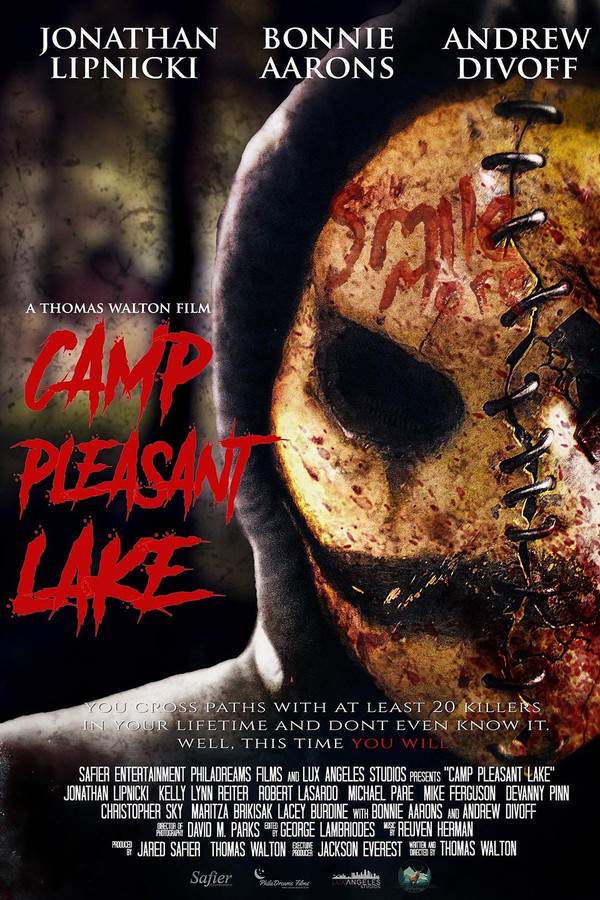
Rachel Callie Ott is years removed from a terrifying massacre she barely survived, and the memory still tugs at her as she agrees to a Spring Break retreat with a close-knit circle of friends. The trip comes with a heavy burden: her brother accompanies them, her brittle relationship with a flirtatious boyfriend strains the dynamic, and a cadre of hangers-on tag along for the ride. The plan is simple—step away from the noise of their everyday lives, seek sun and laughter in an isolated cabin tucked deep in the woods, and let the retreat melt away some of the past. But the mood shifts quickly from carefree to uneasy as the group slips into a rhythm of hazy mornings, late-night whispers, and the kind of reckless freedom that invites trouble.
The setting—sunlight on pine, the distant crackle of a fire, the echo of laughter leaking through thin walls—carries a double edge. In this glow, tensions surface with surprising force. The dynamics between the group members become a focal point: the protective instinct some show toward Bonnie yet another person in the frame, the way others push boundaries during moments of flirtation and secrecy, and the undercurrent of danger that seems to hover just out of sight. The camaraderie strains under the weight of hidden histories, and the thrill of the moment blooms alongside fear. Donnie appears as a charismatic but volatile presence who tests boundaries with Sam and the rest of the crew, while the others—Jacob, Burt, and Lisa—navigate their own responses to the unsettling atmosphere.
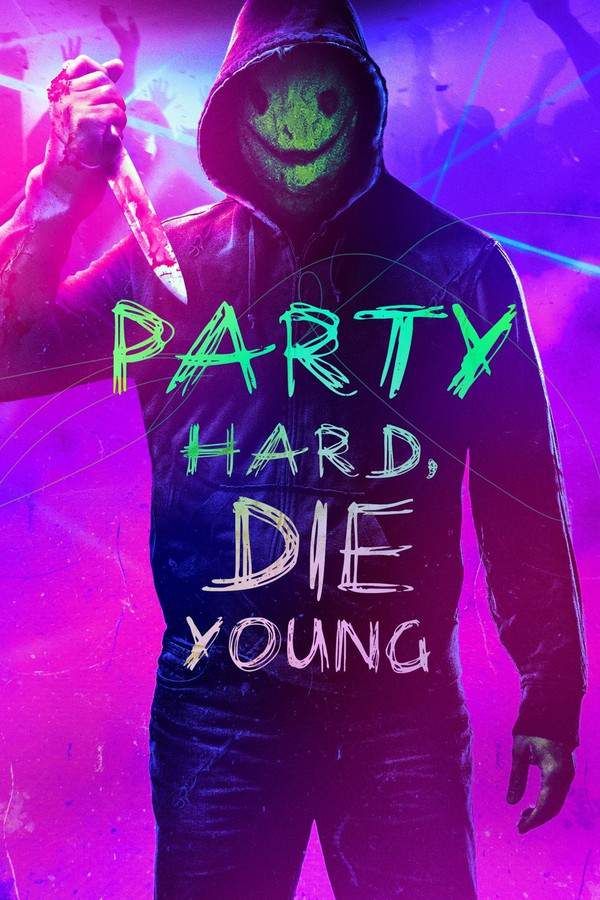
What begins as a night of reckless fun quickly gives way to a sense of vulnerability. The group experiences a cascade of strange noises, unexplained occurrences, and a creeping feeling that they’re not alone. The tension escalates when one member of the party disappears and later surfaces only as a horrifying corpse, his throat slit. The discovery shatters any sense of safety and thrusts the remaining friends into a fight for their lives. A hooded figure begins to stalk them, methodically targeting each person in increasingly brutal ways, from a brutal stab to a cruel turn of fate with hairspray turned weapon. The camp’s claustrophobia intensifies as fear and suspicion spread, and the line between friend and foe blurs.
As the body count climbs, Rachel is forced to confront the nightmare she hoped was behind her. The patterns she thought she had left behind start to echo in the present, and she realizes that the monster from her past has returned in a new form. The group’s fear deepens into dread, and every shadow becomes a potential threat. The sense of inevitability grows as the killer narrows in on the survivors, turning the remote cabin into a chamber of terror where trust is a luxury and survival depends on staying one step ahead of a predator who seems to anticipate their every move. The tension is relentless, and the suspense is built not just on shocks, but on a careful unraveling of who among them is truly vulnerable and who might be hiding something darker still.
With each chilling encounter, the mystery tightens around the truth of what happened before, and Rachel realizes that history is repeating itself in a much more brutal form. The film toys with the notion that escaping one nightmare only to walk into another is possible, and the best chance for escape lies in confronting the attacker head-on. As the plot unfolds, the viewers are drawn into a web of revelations that reframe the earlier danger in a stark new light, elevating the violence and the stakes. The twists come with a sharpened edge, forcing the characters—and the audience—to rethink who the killer might be and what motivates the killings.
The finale intensifies the confrontation and tests every character’s resolve. Bevan, Rachel, and the rest of the group are pressed to their limits as the motivations behind the assaults come into sharper focus, and the true nature of the threat is laid bare. The climactic moment hinges on a choice: to run and hide, or to stand and fight, knowing that the price of either option could be a final, devastating cost. In the end, the story reveals a twist that makes the deaths more horrific than they first appeared, reframing each casualty as part of a larger, darker pattern that has haunted Rachel for years.
Alongside the suspense and shocks, the film also builds small, intimate moments that illuminate the characters’ humanity. Aunt Tracy appears in scenes that offer a counterpoint to the brutal events, reminding the audience of the ties that bind families and friends even as fear tears at those bonds. Jessie and the rest of the ensemble bring a range of reactions—from bravado to vulnerability—that keep the tension dynamic and the pacing taut. The survivors grapple with guilt, anger, and a desperate need for safety, all while trying to maintain a sliver of normalcy in a situation that seems to invert the rules of what a spring break should be.
As the final chords of the night close in, the story lingers on the consequences of trauma and the unpredictable nature of evil. The experience becomes not just a fight for physical survival but a reckoning with the past that refuses to stay buried. The audience is left to ponder how far one must go to reclaim control when the past refuses to stay silent, and what it truly costs to outwit a killer who seems always a step ahead. The film closes with a stark acknowledgment: the monster may be rooted in history, but the resolve to confront it—and the courage to survive—are what ultimately define the next chapter for Rachel and the remaining members of the group.