Plot Explained Spoilers guaranteed!
Plot Explained

Browse by genre

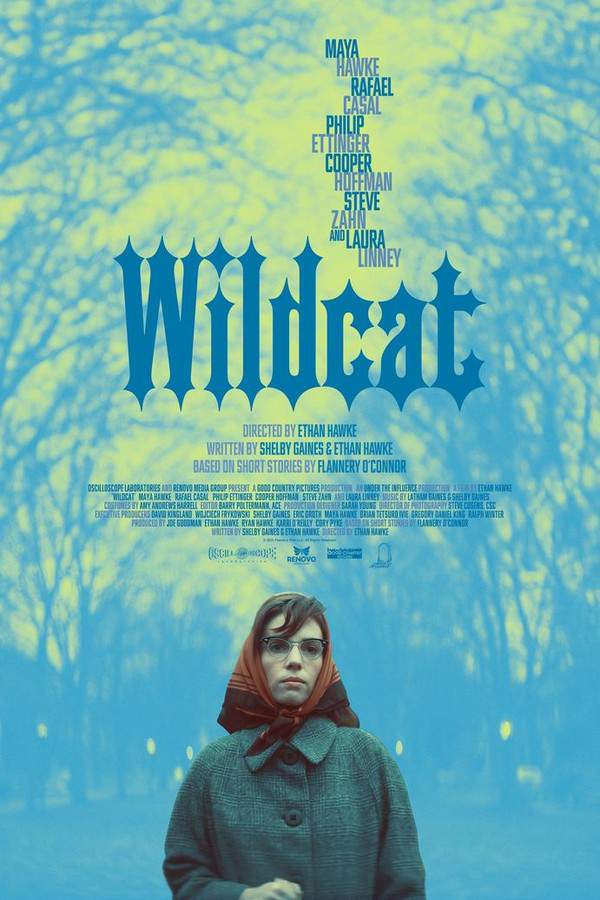
Wildcat (2022) movie poster

Timeline

Wildcat (2022) Timeline Explained – Every Event in Order

Release, runtime and language
2022 · 105 min · English
Echo score 73
Loading streaming availability…
Directed by
Melissa Lesh, Trevor Frost

Deep within the Amazon rainforest, a young veteran named Harry Turner searches for healing and peace. He unexpectedly encounters Samantha Zwicker, who runs a wildlife sanctuary, and becomes involved in her efforts to rescue and rehabilitate orphaned animals. While caring for an ocelot, Harry experiences a profound personal transformation, finding purpose and redemption through connection with nature and the animals he helps. It’s a true story about love, healing, and finding second chances.

On this page (6)
  1. 1 Where to watch
  2. 2 Events in order (14)
  3. 3 Timeline questions answered
  4. 4 Movie threads
  5. 5 Movies like Wildcat
  6. 6 Every angle
Loading streaming availability…

14 events in order · contains spoilers

Wildcat Timeline: Events in Chronological Order

Every key event of Wildcat (2022) in order, scene by scene, with when and where it takes place. Use it to untangle flashbacks, time jumps and parallel storylines, to refresh your memory before the sequel or to find the exact scene you are thinking of.

  1. Opening fantasy trailer

    The film opens with Flannery imagining a melodramatic movie trailer featuring a crazed, nymphomaniac boarder who drags her boarding-house hosts into trouble. This playful fantasy blends imagined episodes with scenes from her real life, hinting at the stories that will follow. It establishes the movie's hallmark mix of imagination and biography.

    When
    opening
    Where
    boarding-house
  2. Imaginary and real episodes

    Throughout the early scenes, the film intercuts imaginary episodes with moments drawn from Flannery O'Connor's short stories such as The Comforts of Home and Everything That Rises Must Converge. The juxtaposition highlights how her inner life informs her writing and experiences. The tone shifts between whimsy and lived reality.

    When
    early sequence
  3. Wins a writing competition

    Flannery wins a writing competition, a victory that signals her talent and fuels her determination. The achievement propels her toward greater opportunities and sets the stage for her publishing ambitions. The moment marks a turning point in her confidence as a writer.

    When
    after victory
    Where
    home
  4. Trip to New York for Wise Blood

    She travels to New York to seek approval from a publisher for her novel Wise Blood. She refuses to outline the work, insisting on presenting it on its own terms. The trip centers the film on the struggle to assert creative independence.

    When
    after competition
    Where
    New York
  5. Conversations with Robert Lowell

    In New York she discusses her novel with Robert Lowell, who praises her as a talented student and with whom she shares mutual romantic feelings. The exchange underscores the personal complexities entwined with her artistic ambitions. Their rapport foreshadows later tensions in their lives.

    When
    during New York trip
    Where
    New York
  6. Writers' party clash

    They meet again at a writers' party where O'Connor does not get along well with other guests, highlighting social dynamics within the literary circle. The scene contrasts with the intensity of her writing aspirations and Lowell's evolving life. The party setting serves as a social counterpoint to her creative focus.

    When
    New York
    Where
    writers' party
  7. Return home; lupus revealed

    Returning from New York, she feels tired and develops facial rashes. She learns she has lupus, a disease that also claimed her father, catalyzing a shift in her priorities and daily life. The diagnosis marks a turning point in her personal and creative course.

    When
    return from New York
    Where
    home
  8. Initial treatment hesitancy

    Flannery initially refuses to see a doctor, delaying medical care as she grapples with the illness. Over time she recognizes the seriousness of lupus and begins treatment. The struggle with denial adds depth to her character’s resilience.

    When
    after diagnosis
    Where
    home
  9. Health declines; crutches and a fall

    Her condition worsens, forcing her to use crutches and at times causing a fall down the stairs. The physical toll interferes with daily life while she continues to write in bursts of effort and stubborn persistence. The sequence emphasizes the dual burden of illness and creative labor.

    When
    illness progression
    Where
    home
  10. Mother's support and prejudice

    Regina, Flannery's mother, offers support even as she reveals racist prejudices that complicate their relationship. The tension between care and abrasive attitudes shapes Flannery's sense of family and informs her perspective on society. Their dynamic mirrors wider conflicts in her work.

    When
    during illness
    Where
    home
  11. Peacock as comfort

    Flannery buys a peacock for comfort, turning this unusual pet into a symbol of resilience amid medical and emotional strain. The animal becomes a quiet companion as she endures illness while continuing to write. The scene adds an idiosyncratic warmth to her portrait.

    When
    during illness
    Where
    home
  12. Irish priest and the Ulysses moment

    An Irish priest counsels her on inner struggles and suggests acts of charity as a way to channel her gifts. She mentions James Joyce's Ulysses being banned in Ireland, which he deems needless, reinforcing a faith-inflected approach to her art. The exchange frames faith and literature as mutually shaping sources of meaning.

    When
    during illness
    Where
    parish
  13. Focus returns after Lowell's marriage news

    After receiving a letter from Lowell about his marriage to Elizabeth Hardwick, Flannery settles into a life of concentrated writing. She redirects her energy toward her craft, determined to persevere despite personal upheavals. The moment marks a renewed dedication to her literary path.

    When
    after letter
    Where
    home
  14. Ending intertitle and lupus note

    The film closes with an intertitle stating that O'Connor lived another fourteen years and eventually succumbed to lupus. The closing credits feature a quotation about the pigs' pituitary glands used for lupus injections that kept her alive. The ending ties together her perseverance and the physical toll of her illness.

    When
    end
    Where
    closing credits

Last updated: October 09, 2025 at 16:22

Was this helpful?

Timeline questions answered

Wildcat Timeline Explained: Your Questions Answered

When does it happen, and why in that order? The questions people ask about the chronology of Wildcat (2022): time jumps, flashbacks, cause and effect between scenes and the correct order of events, each answered with spoilers.

Q1

Why does the movie open with a fantasy movie trailer?

The film opens with Flannery imagining a melodramatic movie trailer featuring a crazed, nymphomaniac boarder. This creative framing device establishes the movie's blend of imagination and biography, introducing the fictional stories she will later write while showing how her inner life fuels her creative output. The trailer previews the stories she will draw from, like The Comforts of Home and Everything That Rises Must Converge.

  • flannery o'connor
  • fantasy trailer
  • opening scene
  • framing device
Q2

How are Flannery O'Connor's short stories connected to her real life?

Throughout the film, imaginary episodes based on her published stories are intercut with moments from her actual life. This juxtaposition reveals how her inner imagination and lived experiences, including her relationships, illness, and Southern background, directly informed her fiction. The film stages scenes from works like The Life You Save May Be Your Own and Parker's Back, showing her creative process.

  • flannery o'connor stories
  • biography
  • fiction
  • short stories
Q3

Why does Flannery O'Connor refuse to outline Wise Blood to the publisher?

When she travels to New York to secure a publisher for Wise Blood, she is asked to provide an outline of the novel. She refuses, insisting on presenting the work on its own terms rather than conforming to commercial expectations. This reflects her fierce commitment to artistic integrity and her determination to protect her creative vision from outside interference.

  • wise blood
  • publisher
  • outline
  • creative integrity
Q4

What happened between Flannery O'Connor and Robert Lowell?

In New York, Flannery discusses her novel with Robert Lowell, who praises her as his most talented student. They share a quiet, mutual romantic attraction. However, Lowell eventually marries Elizabeth Hardwick, and Flannery learns of this at a writers' party. The unrequited romance adds emotional complexity to her life, though she ultimately redirects her energy toward writing after receiving news of his marriage.

Foreshadowing: Their meeting in New York foreshadows the personal tension that develops when Lowell marries someone else.

  • robert lowell
  • romance
  • elizabeth hardwick
  • new york
Q5

Why does Flannery O'Connor buy a peacock?

After her lupus diagnosis and during the turmoil of illness and writing, Flannery buys a peacock as a source of comfort. The unusual pet becomes a tangible companion during her medical struggles and emotional strain, providing idiosyncratic warmth and resilience amid her declining health while she continues to write.

  • peacock
  • pet
  • comfort
  • illness
Q6

What is lupus and how did it affect Flannery O'Connor?

Lupus is a chronic autoimmune disease that Flannery learns she has after returning from New York, following fatigue and a painful facial rash. The same disease had already claimed her father's life. She initially refuses medical treatment, eventually accepts it, and must use crutches as her condition worsens. The illness profoundly impacts her daily life and creative work throughout her remaining years.

  • lupus
  • illness
  • diagnosis
  • health decline
Q7

Why does the ending mention pig-derived pituitary extracts?

After the credits roll, the film includes a quotation from Flannery O'Connor expressing gratitude toward the actors of the medical world, pig-derived pituitary extracts, that helped sustain her life. These injections, derived from pig glands, were used as treatment for lupus and helped keep her alive for the fourteen years she lived after her diagnosis.

  • pig pituitary
  • lupus treatment
  • medical
  • injection
Q8

What advice does the Irish priest give to Flannery O'Connor?

An Irish priest counsels Flannery on her inner conflicts between faith and doubt, recognizing the tension in her life as a Catholic writer. He suggests she channel her gifts toward acts of charity and toward enriching others through her writing. When she mentions that Joyce's Ulysses is banned in Ireland, he calls the ban needless, reinforcing his broader openness to confronting difficult ideas in art.

  • irish priest
  • faith
  • charity
  • ulysses
  • james joyce
Q9

How does Flannery's mother Regina feel about her writing?

Regina, Flannery's mother, offers practical support during her daughter's illness while sometimes clashing with the bite of Flannery's uncompromising voice. The film also reveals Regina's racist prejudices, which create tension in their relationship. Despite these conflicts, Regina remains a supportive figure, though their dynamic mirrors the complex family relationships that appear in O'Connor's fiction.

  • regina mother
  • family
  • support
  • prejudice
Q10

How long did Flannery O'Connor live after the events in the film?

The film ends with an intertitle stating that Flannery O'Connor lived another fourteen years after the period depicted, eventually succumbing to lupus, which she described as the "French wolf." During those years, she continued writing some of her most acclaimed short stories until her death at age 39.

  • death
  • lifespan
  • fourteen years
  • lupus

Movie threads

More Movies Like Wildcat, by Mood & Story

Curated lists built around what makes Wildcat tick: the same mood, the same kind of story or the same emotional payoff. Each list explains why these movies belong together.

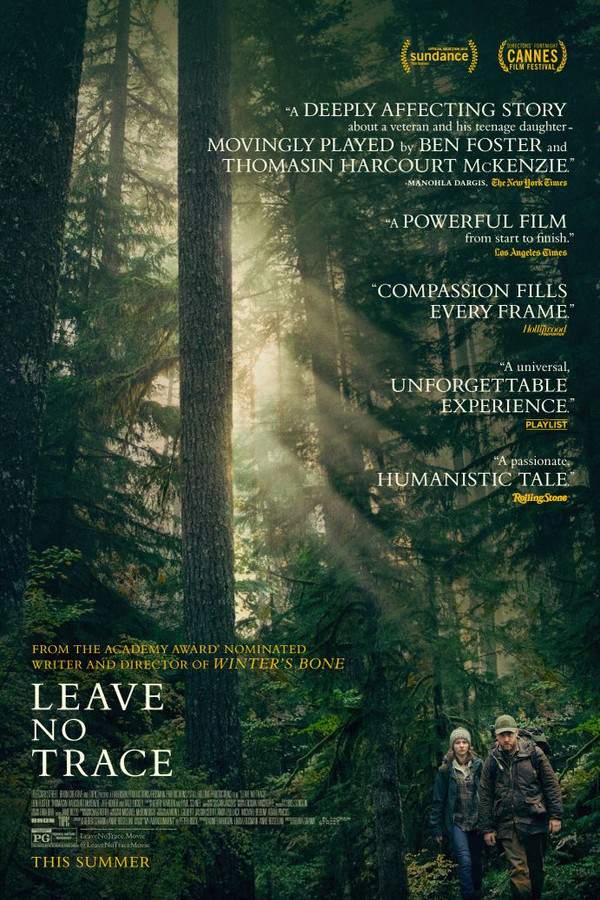
Movies about finding redemption in nature like Wildcat

Stories of wounded souls finding purpose and peace through connection with the wilderness. If you were moved by the journey of healing in Wildcat, explore these similar movies about characters finding purpose and redemption through their connection with the wilderness. These stories often feature solitary figures, wildlife, and a slow, contemplative pace.

  • introspective
  • meditative
  • solitary
  • spiritual
  • melancholic
  • redemptive
  • Tone: melancholic, hopeful
  • Pacing: slow, contemplative
Why these movies?

The story pattern: The narrative follows a character, often burdened by trauma or loss, who seeks solitude in a remote natural setting. Their initial struggle gives way to a deepening bond with the environment or its creatures, leading to a slow-burn personal transformation that is more internal than external, focusing on emotional and spiritual growth.

Why they belong together: These films are grouped by their shared focus on nature as a catalyst for healing, their melancholic yet hopeful tone, and their slow, reflective pacing that allows the audience to sit with the character's internal journey. They share a heavy emotional weight and often bittersweet resolutions.
Bittersweet true life stories similar to Wildcat

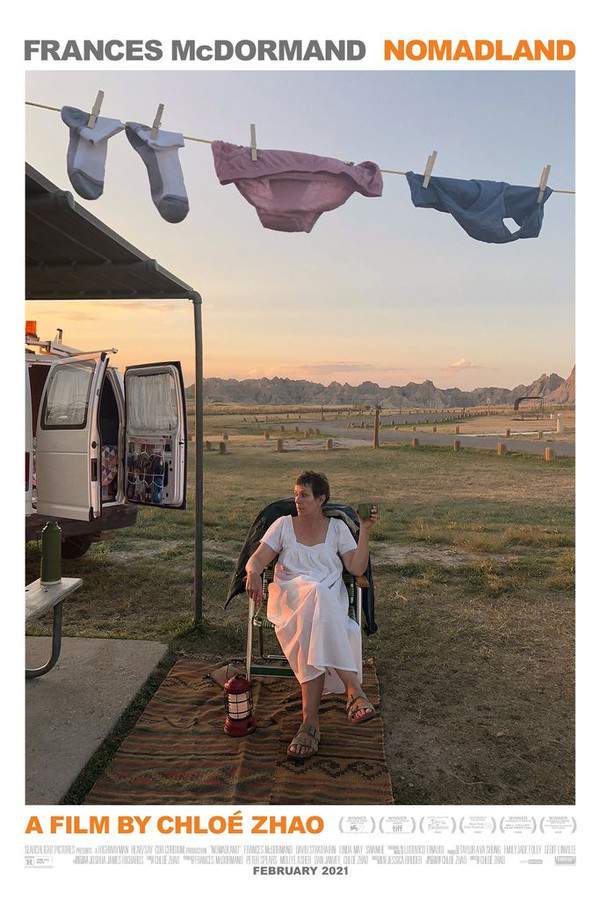
Intimate portraits of real people whose passionate dedication comes with a profound personal cost. For viewers who appreciated the true story and emotional depth of Wildcat, this collection features movies like it: poignant biographical documentaries about individuals whose profound dedication to a cause shapes their life in bittersweet ways.

  • poignant
  • resigned
  • reflective
  • solitary
  • dedicated
  • bittersweet
  • Tone: melancholic, poignant
  • Pacing: slow, reflective
Why these movies?

The story pattern: These stories are character-driven, chronicling the real-life journey of someone committed to a singular purpose, often in the face of personal hardship, illness, or isolation. The plot is less about dramatic action and more about the quiet, cumulative impact of their work, leading to an ending that acknowledges both their achievements and the sacrifices made.

Why they belong together: Movies in this thread share a foundation in truth, a complex emotional tone blending melancholy with purpose, and a heavy emotional weight. They are united by a slow, reflective pace that allows for deep character study and often conclude with a bittersweet feeling, honoring the complexity of a life fully lived.

If you liked this

Movies Like Wildcat

Similar movies to Wildcat: the same genre, themes or kind of story. Each one comes with its own plot summary, timeline and ending explained.

Browse all movie summaries

Every angle

Wildcat (2022) Explained: Plot, Ending, Timeline & Characters

Everything about Wildcat in one place: what happens in the plot summary, the timeline in chronological order, the characters and meaning, the ending explained and a spoiler-free summary. What's After the Movie adds the cast, box office and post-credit scenes.

Coming soon on iOS and Android

The Plot Explained Movie Summary App

Plot summaries, endings explained and timelines on your phone. Catch up on any movie in minutes, save your favorites and never miss a twist again.

Be the first to know when we launch. Your email stays private, always.

Learn more about the app