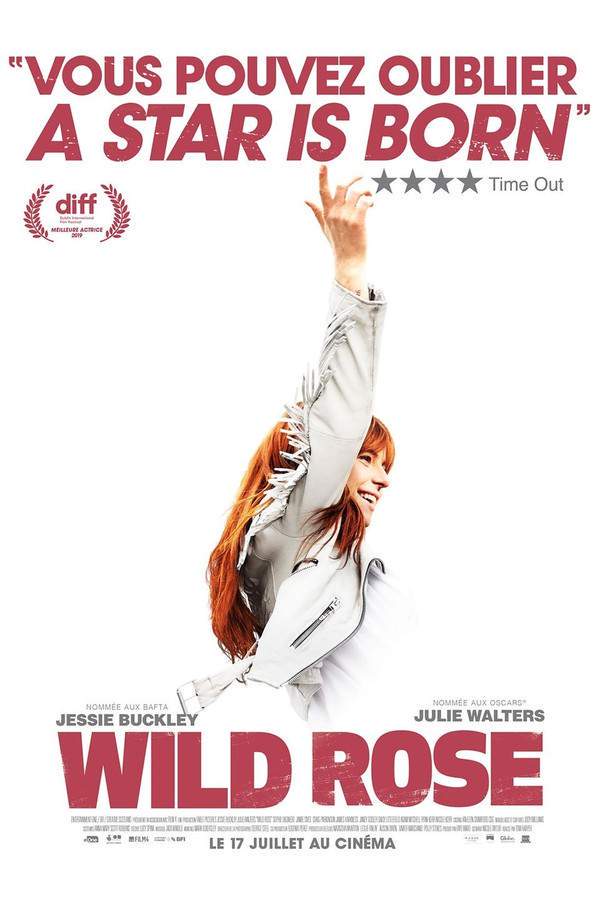
Rose-Lynn Harlan, a Glasgow-born, aspiring country singer and mother of two, is released after serving a year in prison for attempted drug smuggling. She was convicted of throwing a package of heroin over the wall into HM Prison Cornton Vale, but she insisted she didn’t know what was in the package.
Her long-held dream collides with family responsibilities when she returns to everyday life, and her mother, Marion, who has been caring for Rose-Lynn’s children, urges her to give up the music pursuit for something steadier and more reliable. The pull between art and duty becomes a recurring tension as Marion emphasizes the need for stability over aspiration.
Rose-Lynn’s first step back into work is a cleaning job at a wealthy household run by Susannah. The woman’s children overhear Rose-Lynn singing during the chores and tell their mother, planting the seed for a chance at public performance. Rose-Lynn asks Susannah for money to travel to Nashville to pursue opportunities, but the offer is declined. Undeterred, she records a demo and sends it to a BBC Radio presenter, who invites her to London if she can get there.
A judge is persuaded to lift part of her probation, freeing her from a strict 7pm–7am curfew so she can travel. With permission secured, she journeys to London, where she sits in on a live set by the touring singer Ashley McBryde. The radio host encourages her to keep performing and to define what she has to say through her songs, nudging her toward self-discovery as an artist.
Back home, Susannah offers Rose-Lynn a performance at a house party, with the aim of raising funds for a Nashville path. Rose-Lynn asks Marion to watch the kids during rehearsals, but Marion declines, worried about sacrifices and holidays. As the big night approaches, tension tightens the household: Susannah’s husband privately warns Rose-Lynn to stop performing after the event.
Family pressures intensify when Rose-Lynn’s young son breaks his arm while under her temporary care. Doctors postpone the cast until after the party, forcing a difficult choice. Marion arrives to help but challenges Rose-Lynn, who is torn between a dream and responsibility. On the night of the party, Rose-Lynn rushes to perform but can’t shake off the anxiety and breaks down on stage, confessing her guilt about past choices and her sense that her conviction and motherhood are permanent barriers to her musical future.
In the aftermath, Rose-Lynn finds steadier footing by taking a job as a waitress and dedicating herself to her children. A turning moment comes when Marion saves up a substantial sum and offers it to help fund another Nashville attempt, acknowledging the cost of chasing her daughter's dream and wanting to repair the hurt of earlier choices. Rose-Lynn modestly resists at first, but accepts the gesture, encouraged by the idea that a future might still hold music at home rather than far away.
The journey continues as she heads to Nashville, where the reality of the music industry proves tougher than expected. Gigs don’t come easy, and opportunities are scarce, but the experience hardens her resolve. A backstage tour at the famous Ryman Auditorium yields a moment of audacious courage: she slips onto a stage and performs an original song for an empty building. A security guard offers to introduce her to a record producer, yet Rose-Lynn chooses to return to Glasgow, realizing that the best chance to express herself lies in her hometown and its people.
A powerful homecoming moment arrives about a year later when she performs an original song at Celtic Connections, titled “Glasgow (No Place Like Home).” The reception is jubilant, with a raucous chorus of applause that includes the presence of Harris, Susannah, and her children in the crowd, signaling a full-circle moment where personal growth and artistic honesty meet community support. The story closes on a note of hard-won balance, showing that the road to artistic fulfillment can run through love, responsibility, and a deep connection to one’s roots.