Plot Explained Spoilers guaranteed!
Plot Explained

Browse by genre

Whose Life Is It Anyway? (1981) movie poster

Characters & Themes

Whose Life Is It Anyway? (1981) Characters, Setting & Themes Explained

Release, runtime and language
1981 · 119 mins · English
Directed by
John Badham
Starring
Lyman Ward, Richard Dreyfuss, Kenneth McMillan, Mel Stewart, John Cassavetes, Bob Balaban

A talented sculptor, Ken Harrison, is left quadriplegic after a car crash, able only to speak and move his head. Confined to a hospital, he forms bonds with several staff members who become his allies as he fights a legal battle to secure the right to end his own life. The drama examines his determination, the compassion of those around him, and the courtroom struggle over assisted dying.

On this page (8)
  1. 1 Where to watch
  2. 2 Characters explained (5)
  3. 3 Where & when it takes place
  4. 4 Themes & meaning (3)
  5. 5 Character & meaning questions
  6. 6 Movie threads
  7. 7 Movies like Whose Life Is It Anyway?
  8. 8 Every angle

Where to watch

Where to Watch Whose Life Is It Anyway? (1981)

Where can you watch Whose Life Is It Anyway?? Stream, rent or buy it in the US, including on Amazon Video, Apple TV Store and Fandango At Home: current JustWatch availability with up-to-date prices.

Streaming availability powered by JustWatch

5 main characters · contains spoilers

Whose Life Is It Anyway? Characters Explained: Who Is Who

The main characters of Whose Life Is It Anyway? (1981), heroes and villains: what drives them, how they change over the course of the story and what each of them reveals about the film's bigger ideas.

  • Ken Harrison (Richard Dreyfuss)

    A once-creative sculptor who is paralyzed from the neck down and suddenly confronted with the loss of independence and purpose. He remains determined and mentally sharp, seeking control over his life and death. His insistence on ending his life clashes with medical and legal authorities.

    • ♿ Disability
    • ⚖️ Autonomy
    • ❤️ Relationships
  • Dr. Michael Emerson (John Cassavetes)

    The hospital administrator who staunchly opposes euthanasia and fights to preserve Ken's life. He embodies institutional authority and a paternalistic approach to patient care, often opposing Ken's wishes.

    • ⚖️ Ethics
    • 🏥 Hospital
    • 🛡️ Authority
  • Dr. Clare Scott (Christine Lahti)

    A compassionate physician who becomes personally involved with Ken. She wants to keep him alive, balancing empathy with medical duty, and she struggles with the ethical implications of her patient’s choice.

    • 💙 Compassion
    • 🩺 Doctor
    • ⚖️ Ethics
  • Pat (Patricia) (Janet Eilber)

    Ken's girlfriend who initially mourns the possibility of losing him but ultimately accepts that their relationship cannot continue as a result of his decision. Her arc highlights how personal relationships react to life-and-death choices.

    • ❤️ Relationships
    • 🧭 Autonomy
  • Carter Hill (Bob Balaban)

    A lawyer hired to represent Ken’s right to die. He is at first reluctant but ultimately advocates for Ken's legal option to end his life, navigating the complexities of the medical and legal system.

    • ⚖️ Law
    • 💼 Lawyer

Last updated: October 04, 2025 at 12:45

Was this helpful?

Setting

Where and When Does Whose Life Is It Anyway? Take Place?

The setting of Whose Life Is It Anyway? (1981): the year and time period, the places and locations, and how they shape the characters, the mood and the tension of the story.

Time period

Location

Boston, hospital

Set in Boston, the story unfolds primarily inside a major urban hospital. The setting highlights the contrast between a busy, impersonal medical institution and the intimate drama of a patient deciding life or death. Boston's medical and legal culture provides a backdrop for the ethical debates around euthanasia.

  • 🏙️ City
  • 🏥 Hospital

Last updated: October 04, 2025 at 12:45

Was this helpful?

3 major themes

Whose Life Is It Anyway? Meaning: Themes & Message Explained

What is Whose Life Is It Anyway? (1981) really about? The emotional, social and philosophical themes the film keeps returning to, its symbolism and the message beneath the surface.

  • Autonomy

    Ken Harrison's fight to control his fate raises questions about patient autonomy and the right to die. The hospital's response, led by Dr. Emerson, pushes the boundaries of life-sustaining care and discharge policies. A legal hearing later tests whether individual choice can override medical authority.

  • Love vs Duty

    Love and care clash with professional duties as Dr. Clare Scott wrestles with her growing feelings for Ken while trying to preserve his life. Pat's decision to accept the end of their relationship underlines how personal ties influence perceived value of life. The film uses these relationships to explore whether compassion can justify overriding a patient's requests.

  • Ethics & Law

    Ethical questions about euthanasia and patient rights drive the plot beyond medical treatment. The story scrutinizes how law, medicine, and personal beliefs shape the outcome of Ken's fate. The courtroom becomes a battleground where the meaning of autonomy is argued.

Last updated: October 04, 2025 at 12:45

Was this helpful?

Character & theme questions

Whose Life Is It Anyway? Characters & Meaning: Your Questions Answered

The questions people ask about Whose Life Is It Anyway? (1981): who the characters really are, their relationships, what the symbols mean, where it takes place and what the movie is really about. Each answer contains spoilers.

Q1

Why is the Boston hospital setting significant to the story?

The film takes place primarily in a major Boston hospital, creating a stark contrast between the busy, impersonal medical institution and the intimate, life-or-death drama unfolding within it. Boston's medical and legal culture provides the backdrop for the ethical debates about euthanasia and patient autonomy, grounding the story in a real-world context where such legal battles could realistically occur.

  • boston
  • hospital setting
  • medical institution
  • euthanasia debate
Q2

What does the film say about patient autonomy and the right to die?

The film centers on Ken Harrison's fight to control his own fate after becoming quadriplegic. His determination to secure the right to end his life raises profound questions about whether a patient has the right to choose death over a life of severe disability. The story examines whether individual choice can override medical authority and institutional paternalism.

  • patient autonomy
  • right to die
  • euthanasia
  • medical authority
  • self-determination
Q3

How does the film explore the conflict between love and medical duty?

Dr. Clare Scott wrestles with her growing feelings for Ken while trying to preserve his life, representing the clash between personal compassion and professional obligations. Similarly, Pat's decision to accept the end of their relationship illustrates how personal ties influence the perceived value of life. The film uses these relationships to question whether compassion can ever justify overriding a patient's explicit requests.

  • love
  • duty
  • compassion
  • medical ethics
  • patient-physician relationship
Q5

Who is Ken Harrison and what is his circumstances?

Ken Harrison is a talented sculptor who becomes quadriplegic after a car crash, leaving him able only to speak and move his head. Confined to a hospital bed, he retains his sharp mind but loses all physical independence. His situation forces him to fight a legal battle to secure what he sees as his right to choose death rather than live in a state he finds intolerable.

  • ken harrison
  • quadriplegic
  • sculptor
  • disability
  • independence
Q6

What role does Dr. Emerson play in the story?

Dr. Michael Emerson serves as the hospital administrator who staunchly opposes Ken's desire for euthanasia. He embodies institutional authority and a paternalistic approach to patient care, believing that medical professionals should preserve life at all costs. His resistance creates the central conflict as he fights to keep Ken alive against the patient's explicit wishes.

  • dr emerson
  • hospital administrator
  • authority
  • medical paternalism
  • institutional opposition
Q7

Who is Dr. Clare Scott and what conflict does she face?

Dr. Clare Scott is a compassionate physician who becomes personally involved with Ken while treating him. She genuinely wants to keep him alive but struggles with the ethical implications of going against his wishes. Her arc represents the tension between empathy for a patient and the duty to preserve life, making her one of the most emotionally complex characters in the film.

  • dr clare scott
  • physician
  • compassion
  • ethical dilemma
  • patient care
Q8

What is Pat's role in the story and how does she relate to Ken's situation?

Pat is Ken's girlfriend who initially mourns the possibility of losing him. Her arc involves accepting that their relationship cannot continue as a result of Ken's decision to end his life. Her journey highlights how personal relationships are profoundly affected by life-and-death choices and the different ways people respond to a loved one's terminal wishes.

  • pat
  • girlfriend
  • relationship
  • acceptance
  • personal sacrifice
Q10

Why is the hospital itself important to the film's themes?

The hospital functions almost as a character in the film, representing the tension between institutional preservation of life and individual freedom. Its busy, impersonal atmosphere contrasts sharply with the intimate moral struggle occurring within its walls. The medical environment becomes the arena where Ken's battle for autonomy plays out, making the setting integral to the story's meaning.

  • hospital
  • institution
  • medical system
  • autonomy vs authority
  • setting themes

Movie threads

More Movies Like Whose Life Is It Anyway?, by Mood & Story

Curated lists built around what makes Whose Life Is It Anyway? tick: the same mood, the same kind of story or the same emotional payoff. Each list explains why these movies belong together.

Claustrophobic moral defiance dramas like Whose Life Is It Anyway?

Personal autonomy challenged in restricted, high-stakes settings. If you liked the intense, confined battle for autonomy in Whose Life Is It Anyway?, explore these movies that similarly focus on a defiant individual's moral struggle within restrictive settings. These films feature heavy themes, steady pacing, and a powerful examination of human dignity against institutional ethics.

  • somber
  • claustrophobic
  • defiant
  • thought-provoking
  • meditative
  • tense
  • Tone: dark, defiant
  • Pacing: steady, methodical
Why these movies?

The story pattern: Stories typically follow a protagonist trapped in a hospital, prison, or other controlled environment, whose core identity or freedom is under threat. The plot revolves around their intellectual and emotional battle against authority, building tension through debates and legal or ethical confrontations rather than physical action.

Why they belong together: They are grouped by their intense, confined atmosphere and their focus on a singular, high-stakes moral conflict. The shared experience is one of intellectual and emotional tension, a somber mood, and a deep exploration of personal rights and ethical dilemmas.
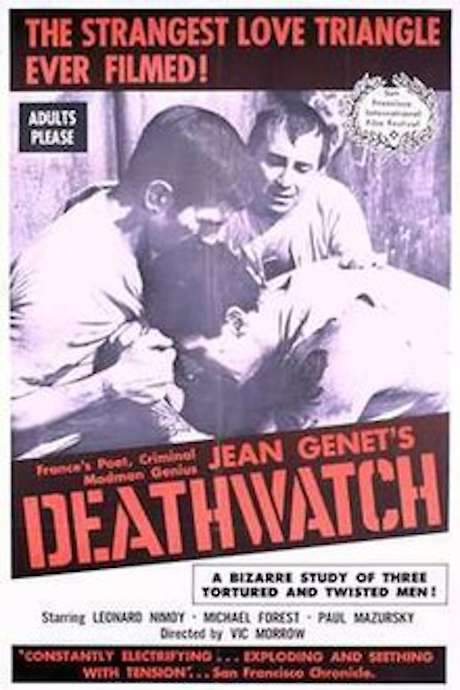
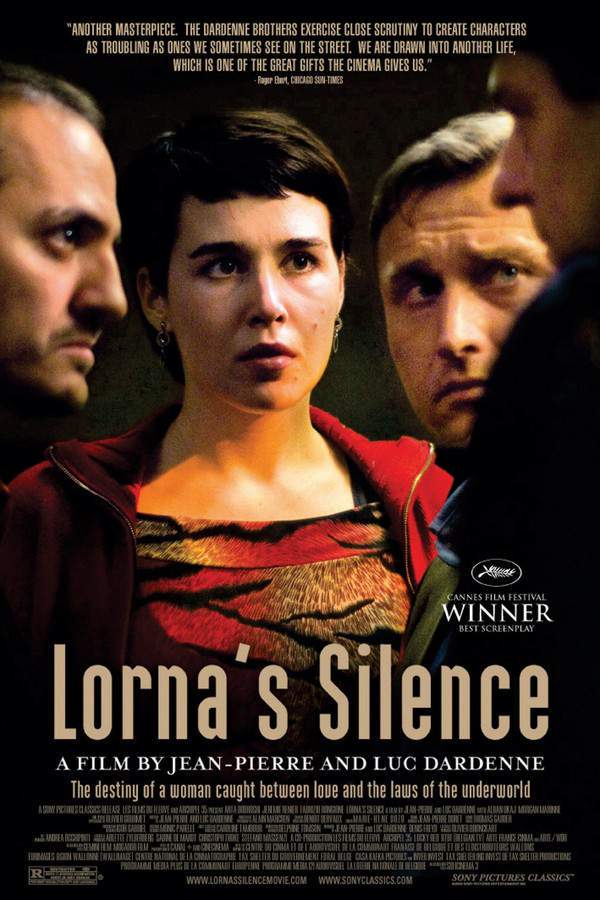
Bittersweet moral victory endings like in Whose Life Is It Anyway?

Stories where a profound ethical win comes with deep personal cost. Find more movies with endings like Whose Life Is It Anyway?, where a character's hard-won moral or legal victory is deeply bittersweet. These films are heavy dramas that explore complex ethical dilemmas, leading to conclusions that are both triumphant and emotionally resonant with loss.

  • thought-provoking
  • melancholic
  • somber
  • defiant
  • heavy
  • cathartic
  • Tone: bittersweet, melancholic
  • Pacing: steady, character driven
Why these movies?

The story pattern: The journey is defined by a clear, deeply personal goal rooted in ethics or dignity. The protagonist faces significant opposition, and the climax is a victory for their principle. However, this success is inextricably linked to a profound sacrifice, such as death or irrevocable change, creating a poignant conclusion.

Why they belong together: They share a specific narrative and emotional arc: a linear, straightforward build towards a climactic moral choice or legal outcome that results in a bittersweet feeling. The focus is on the emotional weight of a victory that is simultaneously a form of loss.

If you liked this

Movies Like Whose Life Is It Anyway?

Similar movies to Whose Life Is It Anyway?: the same genre, themes or kind of story. Each one comes with its own plot summary, timeline and ending explained.

Browse all movie summaries

Every angle

Whose Life Is It Anyway? (1981) Explained: Plot, Timeline & Characters

Everything about Whose Life Is It Anyway? in one place: what happens in the plot summary, the timeline in chronological order, the characters and meaning and a spoiler-free summary. What's After the Movie adds the cast, box office and post-credit scenes.

Coming soon on iOS and Android

The Plot Explained Movie Summary App

Plot summaries, endings explained and timelines on your phone. Catch up on any movie in minutes, save your favorites and never miss a twist again.

Be the first to know when we launch. Your email stays private, always.

Learn more about the app