Plot Explained Spoilers guaranteed!
Plot Explained

Browse by genre

White Tiger (2012) movie poster

Characters & Themes

White Tiger (2012) Characters, Setting & Themes Explained

Release, runtime and language
2012 · 105 mins · Russian
Directed by
Karen Shakhnazarov
Starring
Aleksey Vertkov, Dmitriy Bykovskiy-Romashov, Vitaly Kishchenko, Vladimir Ilin, Andrey Myasnikov, Gerasim Arkhipov

In the spring of 1945, during World War II, Red Army Sergeant Ivan Naydenov survives a harrowing battle against a legendary, ghostly-white German Tiger tank. Haunted by the encounter, he becomes consumed by a relentless desire to destroy the formidable vehicle and the crew responsible for its creation. His quest for vengeance leads him on a dangerous mission deep within enemy territory.

On this page (6)
  1. 1 Characters explained (7)
  2. 2 Where & when it takes place
  3. 3 Themes & meaning (3)
  4. 4 Character & meaning questions
  5. 5 Movie threads
  6. 6 Every angle

7 main characters · contains spoilers

White Tiger Characters Explained: Who Is Who

The main characters of White Tiger (2012), heroes and villains: what drives them, how they change over the course of the story and what each of them reveals about the film's bigger ideas.

  • Naydenov

    played by Aleksey Vertkov

    A Soviet tank driver who survived 90% burns with no scarring and regains his skills despite retrograde amnesia. He believes he can communicate with tanks as if they are living comrades and trusts the so-called 'Tank God' guiding him. His obsession with destroying the White Tiger drives much of the action.

    • 🪖 Protagonist
    • ⚔️ Tank Commander
  • Fedotov

    played by Vitaly Kishchenko

    A counterintelligence Major who witnesses Naydenov's abilities and grows convinced they are real. He collaborates with Naydenov's crew and tries to persuade the higher command that the 'undead' tank and Naydenov's perception may be rooted in war's myth as much as reality. He acts as a rational foil to the legend while becoming its advocate.

    • 🧭 Investigator
    • 🎖️ Officer
  • Kryuk

    played by Aleksandr Vakhov

    Gunner of the upgraded T-34/85, tasked with precision fire on the move. He participates in ambush tactics and is critical when the White Tiger's turret is later disabled, even as the crew’s weaponry and luck falter under the ghostly adversary.

    • 🧭 Gunner
    • 🧰 Tech
  • Berdyev

    played by Vitaliy Dordzhiev

    Loader on the Soviet tank, part of the crew that demonstrates loyalty and quick actions under fire. He participates in the ambush and fights to survive the onslaught of the White Tiger.

    • 🗄️ Crew
    • 🧭 Support
  • General

    played by Andrey Myasnikov

    A Soviet military superior who remains largely skeptical about Naydenov's abilities and the myth surrounding the White Tiger. He issues orders and weighs the cost of acting on legends versus conventional tactics.

    • 🎖️ Officer
    • 🗺️ Strategist
  • Gitler

    played by Karl Kranzkowski

    A German leader figure referenced in the narrative, symbolizing the Nazi war machine. He appears as a looming presence in the film's final moments, reflecting on war’s brutality and the monster that leadership can become.

    • 👑 Ruler
    • 🧭 Symbol
  • Voennvrach

    played by Mariya Shashlova

    A military doctor who cares for wounded soldiers and supports the crew through medical care. The presence of medical personnel underscores the human cost of the front-line battles and the toll of Naydenov’s injuries and amnesia.

    • 🧑‍⚕️ Doctor
    • 🧭 Caregiver

Last updated: October 03, 2025 at 20:03

Was this helpful?

Setting

Where and When Does White Tiger Take Place?

The setting of White Tiger (2012): the year and time period, the places and locations, and how they shape the characters, the mood and the tension of the story.

Time period

Summer 1943

The events unfold during the summer of 1943 on the Eastern Front, a period marked by intense armored warfare and rapid tactical developments. This era saw heavy fighting as the Germans and Soviets tested new equipment and strategies. The narrative narrows to a pivotal sequence of battles and the myth surrounding the White Tiger within this timeframe.

Location

Battlefield, Forest, Swamp, Abandoned Village, Berlin

The story moves across a ruined WWII landscape: after a tank battle in the summer of 1943, the battlefield stretches through the forest and a nearby swamp. The action shifts to an abandoned village that becomes the setting for key confrontations, before culminating in scenes linked to Berlin after the war’s surrender. The varied locations anchor the film’s arc from frontline combat to the broader aftermath of the conflict.

  • 🏞️ Battlefield
  • 🌲 Forest
  • 🏚️ Abandoned Village
  • 🏙️ Berlin

Last updated: October 03, 2025 at 20:03

Was this helpful?

3 major themes

White Tiger Meaning: Themes & Message Explained

What is White Tiger (2012) really about? The emotional, social and philosophical themes the film keeps returning to, its symbolism and the message beneath the surface.

  • Mythic War

    The film frames war as a stage where myth and machine collide. The legend of the White Tiger haunts the front, shaping decisions as fear can override reason. Naydenov’s belief in a “Tank God” guiding him blurs the line between supernatural influence and battlefield reality, raising questions about what drives soldiers in war.

  • Memory

    Naydenov awakens with retrograde amnesia but retains his skills, creating a fragile sense of self tethered to the tanks he commands. He discovers an almost instinctual bond with machines, treating them as sentient allies. The memory gap pushes the crew to navigate identity, loyalty, and purpose under extreme pressure.

  • Endurance

    War’s legacy persists beyond victory or surrender, as the White Tiger myth endures and the threat lingers in the minds of soldiers. The film implies that violence outlives the official end of the conflict, with the narrative closing on reflections about war’s cyclical nature and unresolved wounds.

Last updated: October 03, 2025 at 20:03

Was this helpful?

Character & theme questions

White Tiger Characters & Meaning: Your Questions Answered

The questions people ask about White Tiger (2012): who the characters really are, their relationships, what the symbols mean, where it takes place and what the movie is really about. Each answer contains spoilers.

Q1

What locations are shown in this film?

The story takes place across several key locations: a battlefield and forest where tank combat occurs, a nearby swamp area, an abandoned village that serves as the setting for major confrontations, and finally Berlin after Germany's surrender. This progression moves from the frontlines of combat to the aftermath of war.

  • setting
  • locations
  • battlefield
  • forest
  • abandoned village
  • berlin
Q2

What time period does this movie depict?

The film is set during the summer of 1943 on the Eastern Front of World War II, a period marked by intense armored warfare between German and Soviet forces. This was a critical era when both sides were testing new equipment and strategies in large-scale tank battles.

  • time period
  • 1943
  • eastern front
  • world war 2
  • summer 1943
Q3

What is the White Tiger in the movie?

The White Tiger is a legendary German Tiger tank that appears as a ghostly, almost supernatural adversary on the battlefield. It becomes a focal point of fear and obsession, representing how myth and legend can shape battlefield reality. The film explores how fear of this seemingly invincible tank affects Soviet soldiers' decisions and morale.

  • white tiger
  • tank
  • german tiger
  • myth
  • legend
Q4

What does the movie say about war and myth?

The film frames war as a stage where myth and machine collide. The legend of the White Tiger haunts the front lines, shaping decisions as fear can override reason. The story blurs the line between supernatural influence and battlefield reality, questioning what truly drives soldiers in combat, their training or their beliefs in something larger than themselves.

  • myth
  • war
  • legend
  • fear
  • supernatural
Q5

How does memory loss factor into the story?

The protagonist survives severe burns with no scarring but develops retrograde amnesia, creating a fragile sense of self. Despite losing his memories, he retains his tank-driving skills and discovers an almost instinctual bond with machines, treating them as sentient allies. This memory gap forces the crew to navigate questions of identity, loyalty, and purpose under extreme pressure.

  • memory
  • amnesia
  • identity
  • trauma
  • forgotten
Q6

What does the film suggest about war's legacy?

The movie implies that violence and trauma outlive the official end of conflict. The White Tiger myth persists in soldiers' minds even after the war ends, and the narrative closes with reflections on war's cyclical nature and unresolved psychological wounds. The bleak conclusion suggests that personal conflicts and inner battles continue long after surrender.

  • war legacy
  • aftermath
  • trauma
  • cycle of violence
  • enduring
Q7

Who is the main character Naydenov?

Naydenov is a Soviet tank driver who survived catastrophic burns with no visible scarring. Despite developing retrograde amnesia, he retains his exceptional tank-driving abilities. He believes he can communicate with tanks as if they are living comrades and follows the guidance of what he calls the 'Tank God.' His obsessive quest to destroy the White Tiger drives much of the film's action.

  • naydenov
  • protagonist
  • tank driver
  • soviet
  • soldier
Q8

Who is Fedotov in the story?

Fedotov is a counterintelligence Major who witnesses Naydenov's extraordinary abilities and becomes convinced they are real rather than supernatural. He serves as a rational foil to the legend of the White Tiger while simultaneously becoming an advocate for it. He works to persuade higher command that both the 'undead' tank and Naydenov's perceptions may be rooted in war's myth as much as in reality.

  • fedotov
  • major
  • counterintelligence
  • rational
  • command
Q9

Who is the German leader figure in the film?

The German leader, referred to as Gitler in the credits, represents the Nazi war machine as a looming presence. He appears in the film's final moments, delivering a chilling monologue that frames war as humanity's natural state. This meta-commentary serves as the story's pessimistic philosophical conclusion about the nature of conflict.

  • german leader
  • hitler
  • nazi
  • war machine
  • berlin
Q10

Who are the other crew members of the Soviet tank?

The crew includes Kryuk, the gunner of the upgraded T-34/85 tasked with precision fire during ambush tactics, and Berdyev, the loader who demonstrates loyalty and quick action under fire. Together with Naydenov, they form a unit that faces the White Tiger. A skeptical Soviet General also features, questioning whether to act on legends versus conventional tactics.

  • crew
  • tank
  • t-34
  • soldiers
  • soviet army
Q11

What is the overall tone and message of the film?

The film has an overwhelmingly dark tone, defined by the horrors of war and a protagonist psychologically scarred by near-fatal combat. It delivers a deeply pessimistic philosophical conclusion, suggesting that war is humanity's natural state and that violence outlives official endings. The story combines WWII battle action with fantasy elements to explore themes of obsession, trauma, and the blurred line between myth and reality.

  • tone
  • dark
  • message
  • war
  • psychological
  • pessimistic

Movie threads

More Movies Like White Tiger, by Mood & Story

Curated lists built around what makes White Tiger tick: the same mood, the same kind of story or the same emotional payoff. Each list explains why these movies belong together.

Obsessive hunts for mythical foes like in White Tiger

Stories of characters consumed by a single-minded pursuit of an uncanny enemy. If you liked the relentless, personal vendetta against the ghostly tank in White Tiger, you'll find similar movies in this thread. These films feature protagonists on obsessive quests against larger-than-life, almost mythical enemies, blending external conflict with deep internal psychological struggle.

  • obsessive
  • unsettling
  • relentless
  • mythical
  • vengeful
  • psychological
  • Tone: dark, obsessive, grim
  • Pacing: steady, relentless
Why these movies?

The story pattern: These narratives follow a character who survives a traumatic encounter with a formidable, often legendary, foe. This event sparks a consuming obsession, turning their life into a single-minded hunt. The pursuit is typically perilous and psychologically taxing, forcing the protagonist to confront not just the enemy but the darkness within themselves.

Why they belong together: Movies in this thread share a core narrative of obsession, pitting a determined individual against an antagonist that takes on a near-mythical status. They blend high-stakes action with heavy psychological drama, creating a tense, grim mood where the line between vengeance and self-destruction is thin.
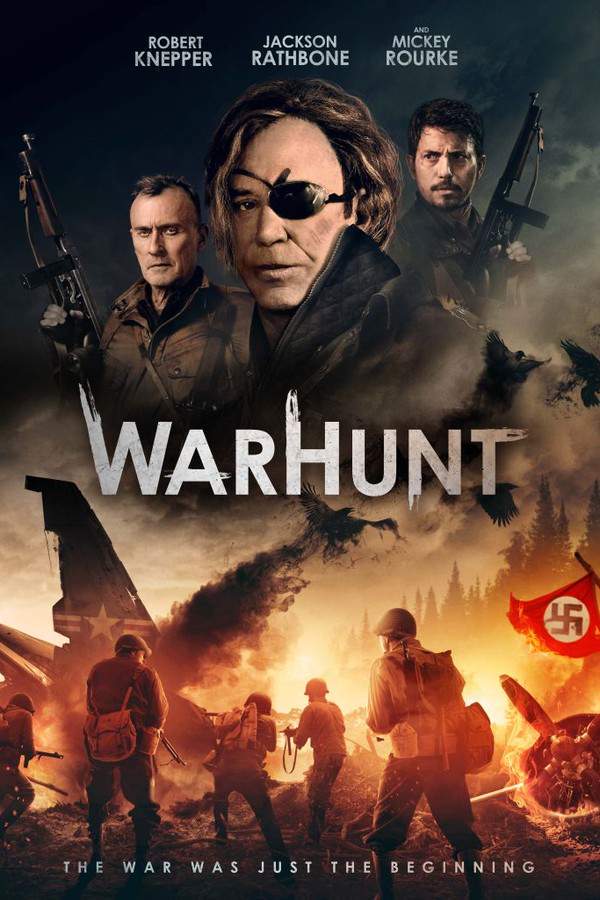
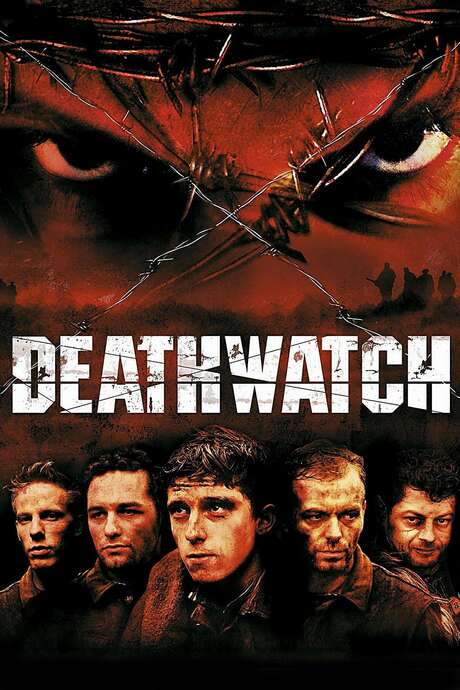
Supernatural war horror movies like White Tiger

Historical conflicts where the battlefield is haunted by otherworldly forces. For viewers who enjoyed the ghostly tank and haunting atmosphere of White Tiger, this thread finds similar movies that blend World War II or historical combat with supernatural horror. These films use the familiar backdrop of war to explore themes of existential dread and unseen terrors.

  • supernatural
  • haunting
  • grim
  • mysterious
  • unsettling
  • tense
  • Tone: dark, haunting, bleak
  • Pacing: steady, punctuated by eerie quiet
Why these movies?

The story pattern: These films are set within documented historical wars but introduce a layer of supernatural threat. The enemy may be partially human, but their methods or technology feel alien and unexplainable. The narrative explores the psychological impact on soldiers facing an enemy that defies logic, making the already terrifying experience of war feel even more hopeless and eternal.

Why they belong together: These films are grouped by their unique fusion of gritty, realistic war settings with horror and fantasy elements. They share a dark, haunting tone where the trauma of war is compounded by encounters with the uncanny, leading to bleak philosophical conclusions about the nature of conflict itself.

Every angle

White Tiger (2012) Explained: Plot, Timeline & Characters

Everything about White Tiger in one place: what happens in the plot summary, the timeline in chronological order, the characters and meaning and a spoiler-free summary. What's After the Movie adds the cast, box office and post-credit scenes.

Coming soon on iOS and Android

The Plot Explained Movie Summary App

Plot summaries, endings explained and timelines on your phone. Catch up on any movie in minutes, save your favorites and never miss a twist again.

Be the first to know when we launch. Your email stays private, always.

Learn more about the app