Plot Explained Spoilers guaranteed!
Plot Explained

Browse by genre

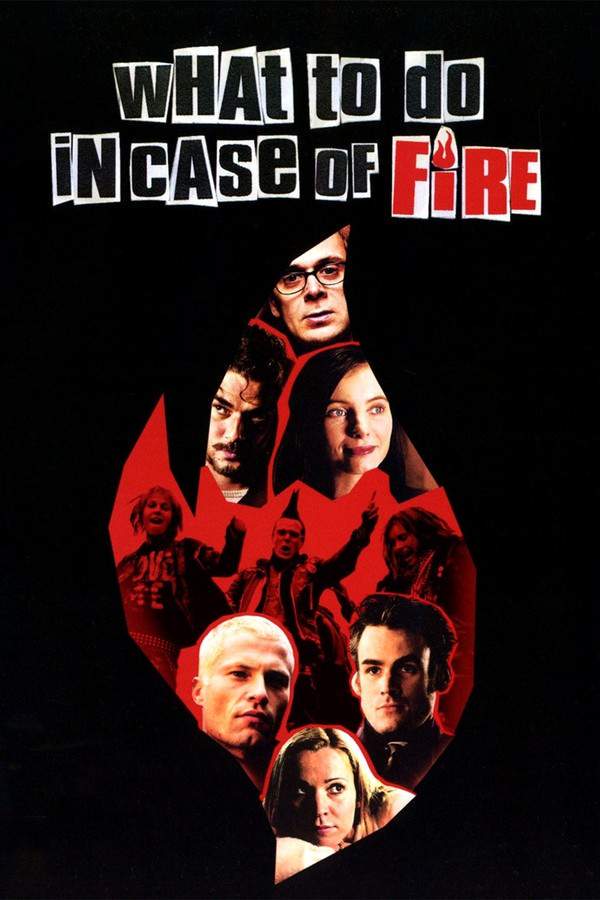
What to Do in Case of Fire (2002) movie poster

Characters & Themes

What to Do in Case of Fire (2002) Characters, Setting & Themes Explained

Release, runtime and language
2002 · 101 min · German
Loading streaming availability…
Directed by
Gregor Schnitzler
Starring
Nadja Uhl, Klaus Löwitsch, Sebastian Blomberg, Til Schweiger, Doris Schretzmayer, Martin Feifel

A group of former radicals in Berlin are brought back together for a risky mission: stealing damaging video evidence from the authorities. As they attempt the heist, they grapple with their shared history, current personal challenges, and the repercussions of their past actions. The experience forces them to examine their revolutionary ideals and consider whether to embrace a renewed sense of purpose or move forward with their lives.

On this page (8)
  1. 1 Where to watch
  2. 2 Characters explained (7)
  3. 3 Where & when it takes place
  4. 4 Themes & meaning (2)
  5. 5 Character & meaning questions
  6. 6 Movie threads
  7. 7 Categories
  8. 8 Every angle
Loading streaming availability…

7 main characters · contains spoilers

What to Do in Case of Fire Characters Explained: Who Is Who

The main characters of What to Do in Case of Fire (2002), heroes and villains: what drives them, how they change over the course of the story and what each of them reveals about the film's bigger ideas.

  • Tim (Til Schweiger)

    Tim is a passionate and impulsive former radical who grapples with the weight of his past actions. His leadership is characterized by a mix of idealism and desperation, as he fights for what he believes is just. As a character, Tim embodies the struggles of reconciling past dreams with present realities.

    • 🔥 Rebellion
    • 💔 Regret
    • ⏳ Nostalgia
  • Hotte (Martin Feifel)

    Hotte is defined by his loyalty to his friends and commitment to their cause, even in the face of physical limitations. His resourcefulness and determination shine as he navigates perilous situations, seeking redemption for past choices. Hotte's character highlights the personal costs of activism and the importance of camaraderie in difficult times.

    • 🤝 Loyalty
    • ⚠️ Struggle
    • 🎭 Transformation
  • Nele (Nadja Uhl)

    Nele is a devoted single mother caught between her past involvement in radical activism and her current responsibilities. Her character showcases the complexities of balancing personal sacrifice with a desire for change. Nele's journey emphasizes the ongoing conflict between societal expectations and individual aspirations.

    • 🏠 Domesticity
    • 🚶‍♀️ Growth
    • 🌪️ Conflict
  • Maik (Sebastian Blomberg)

    Maik is a creative director who once thrived on radical ideas but now grapples with commercialism. His character illustrates the struggles of adapting ideology to changing circumstances. Through his lens, the film critiques the commodification of radical imagery and the complexities of personal growth.

    • 🎨 Creativity
    • 💰 Materialism
    • 🚧 Ideology
  • Manowsky (Klaus Löwitsch)

    Officer Manowsky represents the embodiment of traditional authority and skepticism towards the rebels. Throughout the film, his character evolves from a staunch adversary to a figure of empathy, reflecting on his values and the implications of his actions. This transformation adds depth to the narrative as he confronts the rebels’ struggles.

    • 👮 Authority
    • 🌐 Conflict
    • ⚖️ Justice
  • Terror (Matthias Matschke)

    Terror is depicted as a principled lawyer who remains loyal to the ideals of his past despite the changing landscape of activism. His commitment to justice serves as a counterpoint to the actions of his former comrades, underscoring the complexity of maintaining one's beliefs in a rapidly evolving world.

    • ⚖️ Justice
    • ✊ Activism
    • 🔍 Scrutiny
  • Flo (Doris Schretzmayer)

    Flo represents the choice of personal peace over radicalism, as she has distanced herself from her rebellious past. Her character highlights themes of sacrifice and the different paths individuals take in response to life’s challenges, and her reunion with Tim showcases the tension between love and activism.

    • ❤️ Love
    • ☮️ Peace
    • 🔀 Choices

Last updated: October 22, 2024 at 22:51

Was this helpful?

Setting

Where and When Does What to Do in Case of Fire Take Place?

The setting of What to Do in Case of Fire (2002): the year and time period, the places and locations, and how they shape the characters, the mood and the tension of the story.

Time period

1987, Present Day

The film juxtaposes two distinct time periods: the fervent, rebellious spirit of 1987, when a group of activists sought to challenge societal norms, against the present day, where remnants of their past return to haunt them. The late 80s were marked by political upheaval and a desire for change, while the current landscape raises questions about aging ideals and confrontation with modern authority.

Location

Berlin, Kreuzberg, Grunewald

Berlin, Germany's vibrant capital, is known for its rich history and cultural diversity. The Kreuzberg district, famous for its artistic flair and rebellious spirit, serves as a backdrop for a group of radical insurgents. Grunewald, a more serene area, contrasts sharply with the tensions of the rebels' past and present.

  • 🌆 City
  • 🏙️ Urban
  • 🏡 Residential

Last updated: October 22, 2024 at 22:51

Was this helpful?

2 major themes

What to Do in Case of Fire Meaning: Themes & Message Explained

What is What to Do in Case of Fire (2002) really about? The emotional, social and philosophical themes the film keeps returning to, its symbolism and the message beneath the surface.

  • Rebellion

    The theme of rebellion is central to the film, as characters strive to subvert conventional authority and societal expectations. Their past radicalism clashes with current realities, forcing them to confront the consequences of their youthful defiance. The actions they take highlight the ongoing struggle between revolutionary spirit and the pressures of conformity.

  • Redemption

    Redemption plays a crucial role as characters seek to reconcile their past actions with their present circumstances. As they navigate the challenges posed by their youthful decisions, the quest for redemption reveals their vulnerabilities and evolving values. This theme is underscored by the relationships they rekindle and the risks they're willing to take for one another.

Last updated: October 22, 2024 at 22:51

Was this helpful?

Character & theme questions

What to Do in Case of Fire Characters & Meaning: Your Questions Answered

The questions people ask about What to Do in Case of Fire (2002): who the characters really are, their relationships, what the symbols mean, where it takes place and what the movie is really about. Each answer contains spoilers.

Q1

Where is the movie set?

The movie takes place primarily in Berlin, Germany. Key locations include the Kreuzberg district, known for its artistic and rebellious atmosphere, and the more serene Grunewald area. These contrasting settings reflect the tension between the characters' radical past and their current lives.

  • berlin
  • kreuzberg
  • grunewald
  • setting
  • locations
  • germany
Q2

When does the story take place?

The film spans two time periods: 1987, when the group was active as radical activists, and the present day. The late 1980s were marked by political upheaval and a desire for social change, while the present shows characters confronting their aging ideals and modern authority.

  • 1987
  • present day
  • time period
  • 1980s
  • historical context
Q3

What is the significance of Kreuzberg in the film?

Kreuzberg serves as the backdrop for the group of former radicals. The district is famous for its artistic flair and rebellious spirit, which directly connects to the characters' history as activists. Its cultural identity makes it a fitting setting for characters who once challenged societal norms.

  • kreuzberg
  • berlin
  • rebel district
  • artistic
  • neighborhood
Q4

What are the main themes explored in the film?

The film centers on two primary themes: rebellion and redemption. Rebellion explores the clash between the characters' past radical activism and present-day realities, questioning whether revolutionary ideals can survive the pressures of conformity. Redemption follows the characters as they seek to reconcile their past actions with their current circumstances, taking risks for each other and themselves.

  • rebellion
  • radicalism
  • redemption
  • themes
  • activism
  • ideals
Q5

How does the film explore the theme of rebellion?

The theme of rebellion is central as the characters grapple with their past radicalism against current realities. Their youthful defiance clashes with the pressures of conformity in modern society. The heist itself represents both a return to their revolutionary spirit and a confrontation with the consequences of their past actions.

  • rebellion
  • conformity
  • youth
  • defiance
  • authority
  • protest
Q6

How does redemption factor into the story?

Redemption drives much of the characters' actions as they navigate the consequences of their youthful decisions. The risky mission to steal video evidence becomes a path toward personal redemption. Their willingness to risk everything for each other underscores their quest to reconcile who they were with who they've become.

  • redemption
  • forgiveness
  • past actions
  • second chances
  • atone
Q7

Who is Tim and what is his role in the story?

Tim (played by Til Schweiger) is a passionate and impulsive former radical who serves as a leader among the group. He grapples with the weight of his past actions and embodies the struggle of reconciling past dreams with present realities. His leadership mixes idealism with desperation as he fights for what he believes is just.

  • tim
  • til schweiger
  • leader
  • radical
  • former activist
Q8

Who is Flo and what represents her journey?

Flo represents the choice of personal peace over radical activism. She distanced herself from her rebellious past and now serves as a contrast to the other characters. Her reunion with Tim showcases the tension between love and continued activism, highlighting how different paths emerge from similar backgrounds.

  • flo
  • doris schretzmayer
  • love
  • activism
  • sacrifice
  • choice
Q9

Who is Officer Manowsky and how does he factor into the story?

Officer Manowsky represents traditional authority and initially serves as an adversary to the rebels. However, his character evolves throughout the film, developing empathy and reflecting on his own values. This transformation adds depth to the narrative, showing how even those on opposite sides can find understanding.

  • manowsky
  • klaus löwitsch
  • police
  • authority
  • transformation
Q10

What is Maik's role in the film?

Maik is a creative director who once thrived on radical ideas but now grapples with commercialism. His character illustrates the struggle of adapting ideology to changing circumstances. Through him, the film critiques the commodification of radical imagery and examines the complexities of personal growth after activism.

  • maik
  • sebastian blomberg
  • creative director
  • commercialism
  • advertising
Q11

What kind of group are the main characters?

The main characters are former radical activists who reunite for a risky mission. They include Tim (the passionate leader), Hotte (the loyal and resourceful one), Nele (a single mother balancing past and present), Maik (now in advertising), and others who each took different paths after their activist days. Their intertwined histories and personal conflicts drive the narrative.

  • ensemble cast
  • former radicals
  • activists
  • friends
  • group
Q12

What is the tone and genre of the film?

The film blends drama and comedy, creating a tone that is tense but punctuated by moments of nostalgia and satire. While there is high-stakes tension from the police manhunt and heist plot, the film also uses humor to address the commercialization of radical imagery. It balances serious themes of consequence and identity with lighter character-driven moments.

  • drama
  • comedy
  • tone
  • genre
  • satire
  • nostalgia

Movie threads

More Movies Like What to Do in Case of Fire, by Mood & Story

Curated lists built around what makes What to Do in Case of Fire tick: the same mood, the same kind of story or the same emotional payoff. Each list explains why these movies belong together.

Movies about reuniting radicals like in What to Do in Case of Fire

A group of former activists reunites for one last high-stakes mission. For viewers who enjoyed What to Do in Case of Fire, this section features movies about former activists and radicals reuniting for a final, high-stakes mission. These films often blend heist or thriller elements with the emotional weight of confronting one's past and the complicated dynamics of a found family tested by time.

  • reunited crew
  • nostalgic
  • urgent
  • rebellious
  • found family
  • reckoning with the past
  • Tone: tense, nostalgic, urgent
  • Pacing: fast, driven by mission
Why these movies?

The story pattern: The narrative pattern involves a disruptive event pulling a disbanded group back into action, forcing them to reconcile their past ideals with their present circumstances. The plot often centers on a physical mission that serves as a metaphor for resolving their ideological and personal conflicts.

Why they belong together: Movies in this group share a focus on collective character arcs, the tension between nostalgia and current reality, and a compelling mix of high-stakes action with introspective drama about the compromises of adulthood.


Heist movies with emotional depth like What to Do in Case of Fire

A tense, high-stakes heist driven by personal history and redemption. If you liked the blend of a tense, fast-paced heist and the emotional weight of personal history in What to Do in Case of Fire, explore these similar movies. They feature high-stakes missions driven by character motivations, where the success of the plan is intertwined with the characters' search for redemption or closure.

  • tense
  • urgent
  • heist
  • redemption
  • moral complexity
  • found family
  • Tone: tense, dramatic, satirical
  • Pacing: fast, urgent
Why these movies?

The story pattern: The heist plot serves as the engine for exploring complex character relationships and unresolved personal history. The suspense comes not just from the risk of failure, but from the emotional consequences for the characters involved, often leading to a morally complex or bittersweet resolution.

Why they belong together: These films are grouped by their unique combination of a tightly-plotted, suspenseful heist narrative with a significant focus on character development, moral ambiguity, and the emotional reasons behind the mission.

Categories

Movie Lists Featuring What to Do in Case of Fire

What to Do in Case of Fire appears in these hand-built movie categories. Each one groups movies by a specific mood, theme or story type, with their plot summaries and endings explained.

View all movie categories

Every angle

What to Do in Case of Fire (2002) Explained: Plot, Timeline & Characters

Everything about What to Do in Case of Fire in one place: what happens in the plot summary, the timeline in chronological order, the characters and meaning and a spoiler-free summary. What's After the Movie adds the cast, box office and post-credit scenes.

Coming soon on iOS and Android

The Plot Explained Movie Summary App

Plot summaries, endings explained and timelines on your phone. Catch up on any movie in minutes, save your favorites and never miss a twist again.

Be the first to know when we launch. Your email stays private, always.

Learn more about the app