#84714 Year: 2022
Runtime: 86 min
Language: English
Director: Jane Schoenbrun
Echo Score: 66Budget: $15K
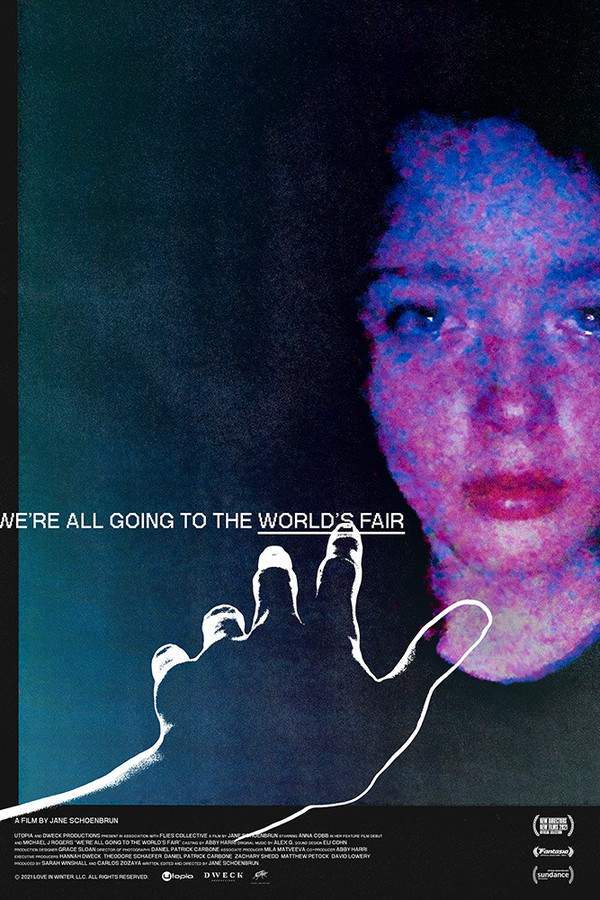
While spending late nights online, Casey discovers the World's Fair Challenge, a strange and unsettling role-playing game. Drawn into the game's promise of change, she begins documenting her experiences, which quickly become increasingly surreal. As the line between the digital world and reality blurs, a mysterious online presence takes notice of Casey's uploads, suggesting a disturbing connection between them.
Find where to stream, rent, or buy We're All Going to the World's Fair (2022) in the US with current JustWatch availability, up-to-date pricing, and platform listings for subscription, rental, and digital purchase options.
Warning: spoilers below!
Haven’t seen We're All Going to the World's Fair yet? This summary contains major spoilers. Bookmark the page, watch the movie, and come back for the full breakdown. If you're ready, scroll on and relive the story!
Read the complete plot breakdown of We're All Going to the World's Fair (2022), including all key story events, major twists, and the ending explained in detail. Discover what really happened, and what it all means.
Casey, a lonely teenage girl living with her single father, begins her journey by sitting in front of her laptop camera, preparing to introduce herself and expressing her desire to participate in the viral “World’s Fair challenge.” After dimming the lights in her room save for her desk lamp, she approaches the camera with a stuffed toy lemur, which she names “Poe,” declaring that both she and the toy will take on the challenge. With uncertainty in her voice, she states, “I don’t know what to expect.” She proceeds to turn off her lamp and, while staring intently into the camera, recites, “I want to go to the World’s Fair” three times, punctuating the ritual by piercing her finger with a pin and smearing her blood on the laptop screen. In a haunting manner, she watches a video filled with colorful strobe lights, her unblinking gaze fixed on the screen, before promising her viewers to give updates on any changes she might experience.
As Casey delves deeper into the World’s Fair challenge, she stumbles across various other videos. One features a young man who insists he’s “turning into something,” while another boasts a mysterious, distorted voice inviting the viewer to the “internet’s scariest online horror game.” The voice ominously warns, “we can’t be held responsible for what you become,” suggesting that the challenge is in fact an elaborate alternate reality game. Casey watches a clip of a man who claims there’s a game of Tetris happening inside him, alongside a video from a user named Keith who expresses, “I can’t feel my body!” as he mindlessly slaps himself while running on a treadmill.
At home, resistant to sleep after being reprimanded by her father for her late-night viewing habits, she expresses her fascination with horror movies and her childhood sleepwalking experiences in another video. Casey’s actions grow increasingly erratic as she begins recording herself sleep, ventures into her father’s barn to steal a shotgun, and watches an ASMR video that soothes her after a nightmare.
The tension escalates when she receives a message from a user named JLB, who warns her about the darker aspects of the challenge. In their Skype call, he suggests that the challenge may alter her subconscious. Throughout their correspondence, Casey conveys her unsettling experiences, confessing that she feels as though she is “leaving her body” and transforming into someone else.
The film takes a chilling turn, with Casey’s mental stability deteriorating as she uploads a series of disturbing videos documenting her disconnection from reality and increasing anxieties about her existence. In one especially nightmarish video, she wakes up to find herself crawling towards the camera, eerily stating, “I see you there, even if you won’t show your face. You can’t stop me,” possibly directed at JLB, who is shown watching her from a distance.
As the narrative unfolds, Casey’s mental state fluctuates dramatically, revealing her struggles with her father’s estrangement and her desires for freedom from her confining realities. The film culminates in a haunting revelation of her life post-challenge, where she meets JLB after a year apart, having spent time in a psychiatric institution. They share a coffee, exchanging experiences and hesitantly discussing the profound connection formed through their struggles.
Ultimately, Casey confesses, “That night, I made it there… into the heart of the fair. But something brought me back. I don’t know what it was.” JLB, filled with concern for Casey’s well-being, reveals his ongoing prayers for her safety, leaving the audience to ponder whether the connection they formed was real or a mere figment of their troubled minds. The ambiguity of their meeting leaves viewers questioning the thin line between reality and the digital horrors that haunted them both.
Last updated: November 15, 2024 at 17:22
Explore frequently asked questions about We're All Going to the World's Fair (2022) with spoiler-rich answers covering the full plot summary, major story beats, character motivations, hidden details, and ending meaning. This movie summary FAQ helps explain confusing scenes, plot twists, and narrative decisions in clear, searchable detail.
Casey is a lonely teenager living with her single father, isolated and craving connection. She's fascinated by horror and feels trapped in her mundane life. The challenge promises 'change' and escape from her reality - she explicitly states she 'wants to go to the World's Fair' as a way to transform and find something meaningful beyond her isolated existence.
The film shows several other participants in disturbing states: one claims he's 'turning into something,' another says there's 'Tetris happening inside him,' and Keith laments 'I can't feel my body' while slapping himself on a treadmill. These suggest the challenge affects people differently - some experience physical dissociation, others claim transformation. Whether these are real effects or psychological breakdowns is ambiguous.
JLB is an anonymous user who reaches out to Casey after she begins posting her challenge videos. He warns her about the darker aspects of the World's Fair challenge, suggesting it can alter her subconscious. He positions himself as concerned and protective, though his true intentions remain unclear. Their relationship develops through Skype calls and messages, with JLB watching her uploads from a distance.
In her final revelation to JLB, Casey claims she reached 'the heart of the fair' that night but something 'brought her back.' This suggests she experienced something transformative during the challenge - possibly a peak experience, hallucination, or psychotic break. The ambiguity lies in whether this describes a literal supernatural journey, a psychological breakthrough, or simply her descent into mental illness.
One year after her involvement with the challenge, Casey has spent time in a psychiatric institution. She meets JLB at a cafe where they share coffee and discuss their experiences. The film never clarifies whether JLB is a real person she met online or entirely imaginary. Her cryptic statement about reaching 'the heart of the fair' but being 'brought back' suggests a traumatic psychological event rather than a literal supernatural experience.
The film deliberately leaves JLB's existence ambiguous. He's never shown outside of Casey's screen or Skype calls. The final scene shows them meeting in person, but this could be a hallucination or metaphor for her fragmented mind. His concern for her and prayers for her safety could represent genuine connection or the voice in her head urging her toward help.
During her descent, Casey ventures into her father's barn and steals a shotgun. This represents her complete break from reality and desperate attempt to find something tangible or dramatic. As her mental state deteriorates and the line between online and offline blurs, she seeks a physical action that might trigger 'change' or prove something is real. The theft also shows her growing alienation from her father and normal life.
As part of her entry into the challenge, Casey pierces her finger and smears blood on her laptop screen while reciting 'I want to go to the World's Fair' three times. The ritual appears to be a commitment device - it represents a threshold moment marking her dedication to the challenge. Whether it has any actual supernatural effect or is purely symbolic of her psychological commitment is never explained.
Casey's involvement with the World's Fair challenge coincides with a severe mental health crisis. She experiences dissociation ('leaving her body'), uploads disturbing videos showing her crawling toward the camera, and makes statements suggesting paranoid ideation. Her father is emotionally distant, leaving her without support. She ultimately requires institutional care, though whether the challenge caused her breakdown or merely triggered an underlying mental illness remains unclear.
The film never confirms whether the World's Fair challenge has supernatural powers or if it's entirely a psychological phenomenon. Participants report disturbing experiences, but these could be mass hysteria, shared delusions, or an elaborate ARG designed to psychologically manipulate vulnerable people. The ambiguity is intentional - the film explores how digital spaces can blur reality and how isolation can fuel psychological breakdown.
Discover curated groups of movies connected by mood, themes, and story style. Browse collections built around emotion, atmosphere, and narrative focus to easily find films that match what you feel like watching right now.
Stories where online worlds amplify isolation and unravel fragile mental states.If you liked the exploration of internet horror and teenage loneliness in We're All Going to the World's Fair, you'll find similar stories here. These movies delve into themes of digital identity, mental health crises fueled by online experiences, and the chilling blurring of reality in the internet age.
These narratives typically follow an isolated protagonist delving into a strange online community or game. Their search for connection or change leads them down a rabbit hole, where their perception of reality becomes distorted. The story is a character-driven descent, often culminating in ambiguous outcomes that question what was real and what was a digital fiction.
Movies are grouped here for their shared focus on the psychological impact of the internet. They share a dark, melancholic tone, a slow, atmospheric pace that builds unease, and a heavy emotional weight centered on themes of isolation, identity crisis, and the erosion of reality.
Atmospheric films where internal turmoil manifests as creeping external dread.Fans of the slow-burning, atmospheric dread and deep character focus in We're All Going to the World's Fair will appreciate these films. They feature a similar pacing that prioritizes mood over action, often exploring themes of mental fragility, isolation, and a surreal blurring of reality and fantasy.
The narrative pattern is a linear but deeply internal journey. The plot is minimal, serving as a framework to explore a character's deteriorating mental state or existential crisis. The conflict is often internal, with external events acting as a catalyst or a distorted reflection of the protagonist's inner world, leading to an emotionally heavy and often ambiguous conclusion.
These films are united by their slow pacing, which allows unease to simmer. They share a dark or melancholic tone, medium intensity derived from psychological tension rather than overt action, and a heavy emotional weight. The focus is consistently on a deep, often distressing, character study.
Don't stop at just watching - explore We're All Going to the World's Fair in full detail. From the complete plot summary and scene-by-scene timeline to character breakdowns, thematic analysis, and a deep dive into the ending - every page helps you truly understand what We're All Going to the World's Fair is all about. Plus, discover what's next after the movie.
Track the full timeline of We're All Going to the World's Fair with every major event arranged chronologically. Perfect for decoding non-linear storytelling, flashbacks, or parallel narratives with a clear scene-by-scene breakdown.
Discover the characters, locations, and core themes that shape We're All Going to the World's Fair. Get insights into symbolic elements, setting significance, and deeper narrative meaning - ideal for thematic analysis and movie breakdowns.
Discover movies like We're All Going to the World's Fair that share similar genres, themes, and storytelling elements. Whether you’re drawn to the atmosphere, character arcs, or plot structure, these curated recommendations will help you explore more films you’ll love.
We're All Going to the World's Fair (2022) Scene-by-Scene Movie Timeline
We're All Going to the World's Fair (2022) Movie Characters, Themes & Settings
We're All Going to the World's Fair (2022) Spoiler-Free Summary & Key Flow
Movies Like We're All Going to the World's Fair – Similar Titles You’ll Enjoy
Unfriended: Dark Web (2018) Film Overview & Timeline
The World is Full of Secrets (2019) Complete Plot Breakdown
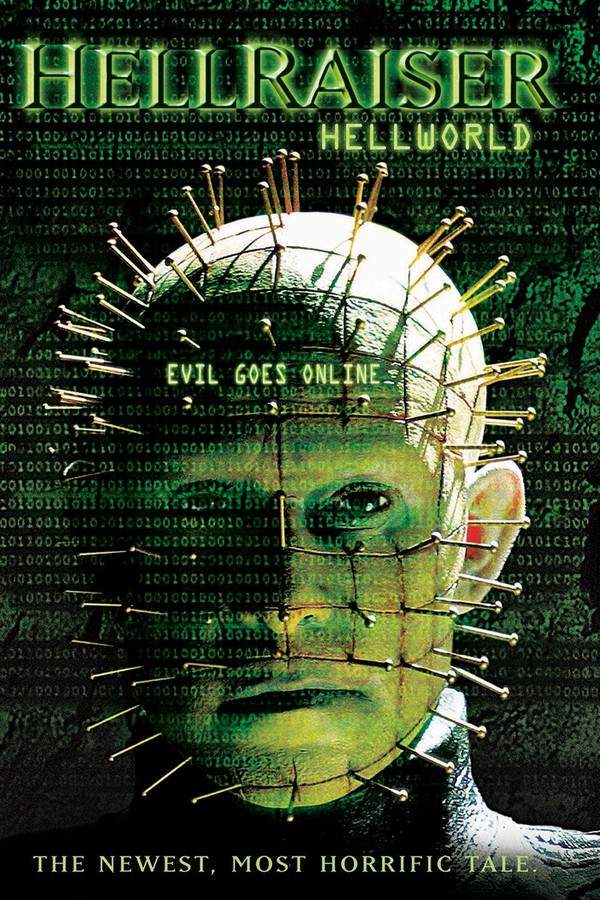
Hellraiser: Hellworld (2005) Full Summary & Key Details
Come Play (2020) Spoiler-Packed Plot Recap
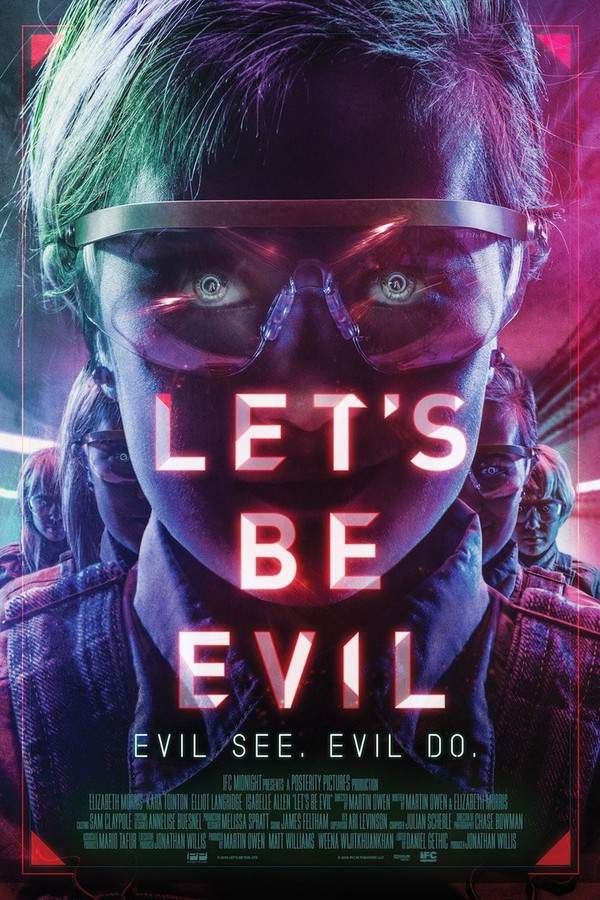
Let's Be Evil (2016) Plot Summary & Ending Explained
The Funhouse (1981) Full Summary & Key Details
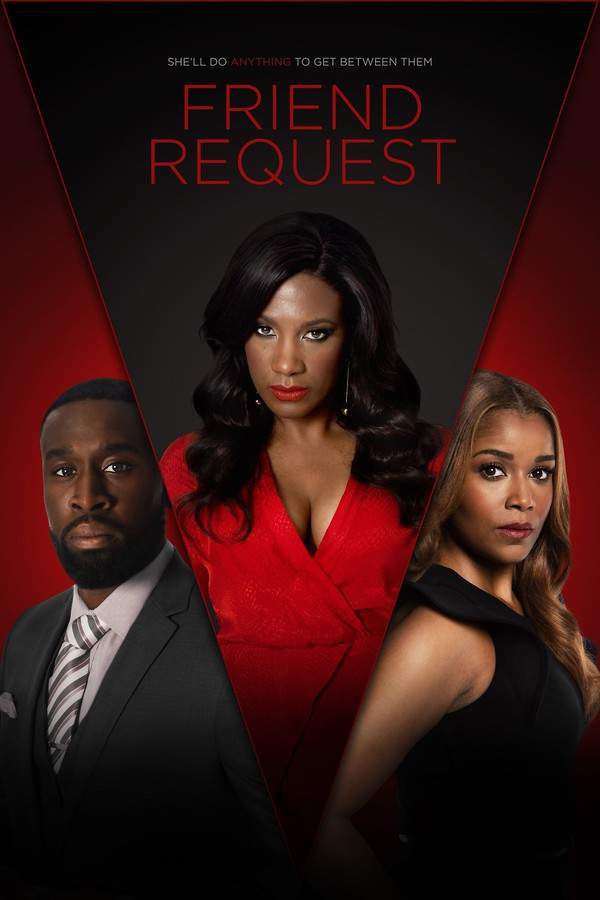
Friend Request (2017) Ending Explained & Film Insights
Devour (2005) Movie Recap & Themes
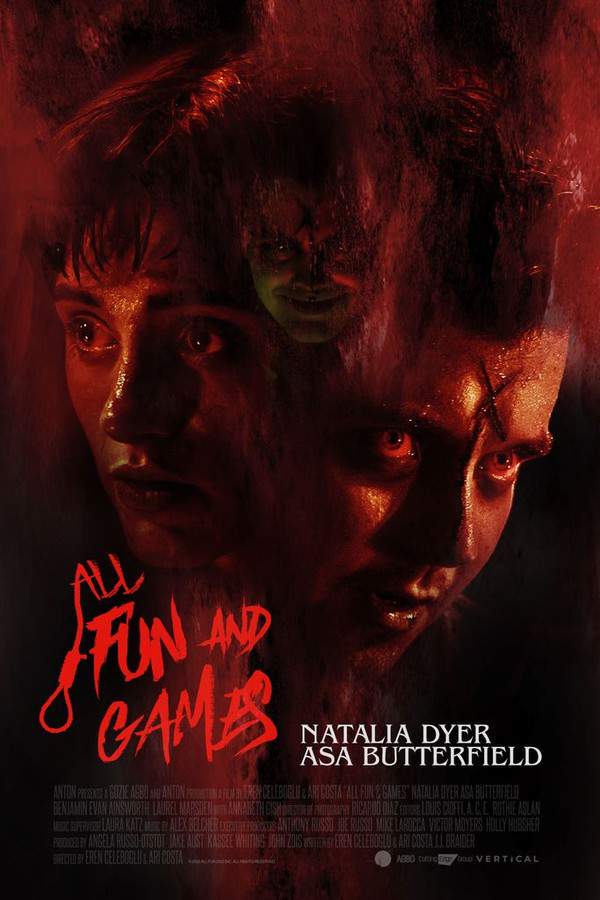
All Fun and Games (2023) Story Summary & Characters
Webcast (2018) Full Movie Breakdown
Frightworld (2006) Complete Plot Breakdown
The Dark Web Tapes (2020) Full Summary & Key Details
Scary Stories: Dark Web (2020) Plot Summary & Ending Explained
Death Link (2021) Film Overview & Timeline
Something Weird (1967) Ending Explained & Film Insights