







Plot Explained Spoilers guaranteed!
Plot Explained

Browse by genre

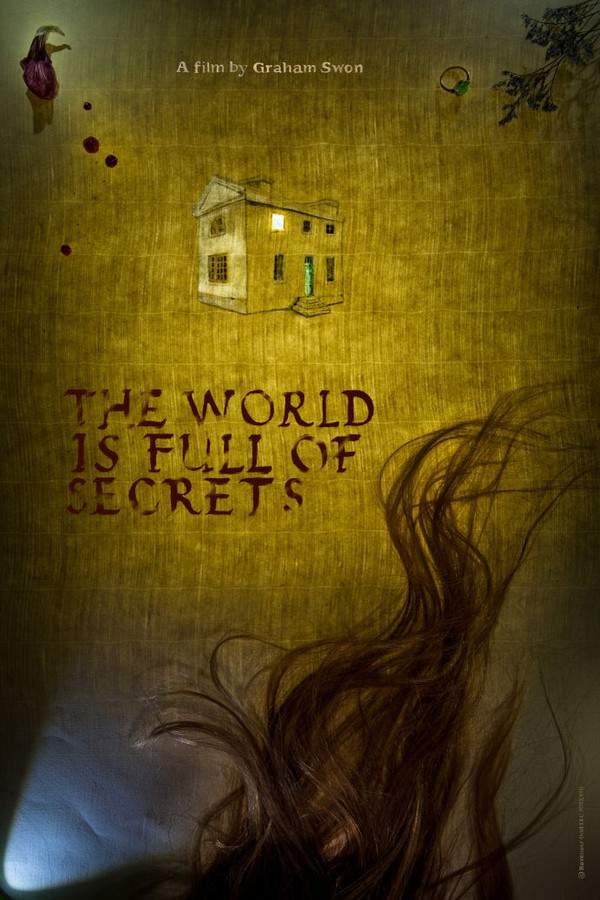
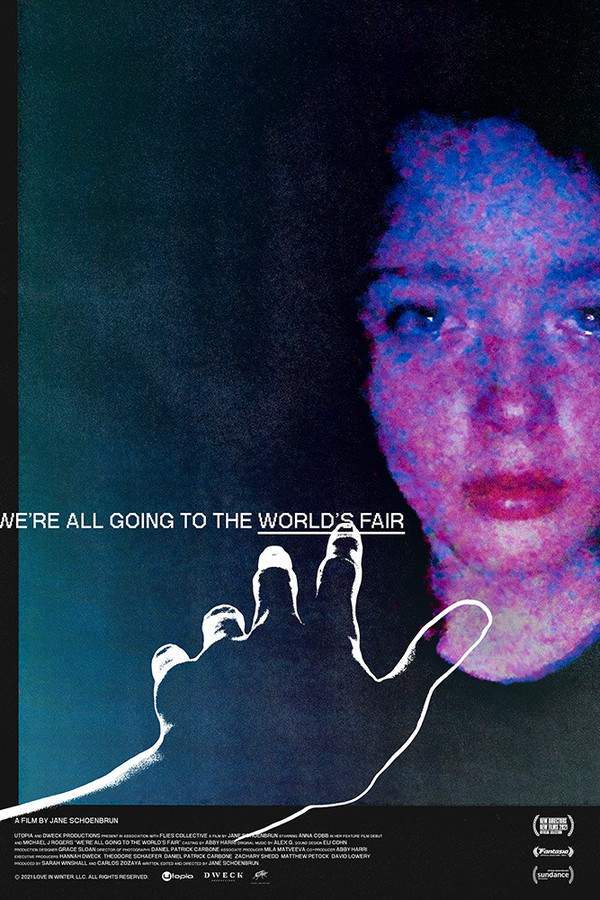
We're All Going to the World's Fair (2022) movie poster

Timeline

We're All Going to the World's Fair (2022) Timeline Explained – Every Event in Order

Release, runtime and language
2022 · 86 min · English
Echo score 66
JustWatch #721 112
Directed by
Jane Schoenbrun
Starring
Anna Cobb, Michael Rogers
Budget
$15K

While spending late nights online, Casey discovers the World's Fair Challenge, a strange and unsettling role-playing game. Drawn into the game's promise of change, she begins documenting her experiences, which quickly become increasingly surreal. As the line between the digital world and reality blurs, a mysterious online presence takes notice of Casey's uploads, suggesting a disturbing connection between them.

On this page (7)
  1. 1 Where to watch
  2. 2 Events in order (13)
  3. 3 Timeline questions answered
  4. 4 Movie threads
  5. 5 Movies like We're All Going to the World's Fair
  6. 6 Categories
  7. 7 Every angle

Where to watch

Where to Watch We're All Going to the World's Fair (2022)

Where can you watch We're All Going to the World's Fair? Stream, rent or buy it in the US, including on MUBI, Hoopla and Kanopy: current JustWatch availability with up-to-date prices.

Streaming availability powered by JustWatch

13 events in order · contains spoilers

We're All Going to the World's Fair Timeline: Events in Chronological Order

Every key event of We're All Going to the World's Fair (2022) in order, scene by scene, with when and where it takes place. Use it to untangle flashbacks, time jumps and parallel storylines, to refresh your memory before the sequel or to find the exact scene you are thinking of.

  1. Introduction to the World's Fair Challenge

    Casey, a lonely teenage girl living with her single father, sits in front of her laptop camera. She expresses her desire to participate in the viral 'World's Fair challenge,' introducing herself and her stuffed toy lemur, Poe, as her only companion in the quest.

  2. Opening Ritual

    As part of the challenge, Casey dims her lights and turns off her lamp to create an eerie atmosphere. With uncertainty, she declares, 'I want to go to the World's Fair' three times before piercing her finger with a pin and smearing her blood on the laptop screen, marking her commitment to the challenge.

    Where
    Casey's bedroom
  3. Engagement with Other Participants

    As Casey immerses herself deeper into the challenge, she discovers various videos from other participants. One features a young man claiming he's transforming, and another presents a sinister voice inviting users to play a horror game, suggesting the challenge is more than just an online experience.

  4. Exploration of Horror Themes

    Casey watches a disturbing clip of a man who insists about a Tetris game occurring within him, and another user, Keith, who laments his inability to feel his body. These videos amplify her intrigue and fear about the effects of the World's Fair challenge.

  5. Conflict with Father

    After being reprimanded by her father for staying up late and watching horror videos, Casey expresses her fascination with horror films and recounts her childhood experiences with sleepwalking. This confrontation highlights the tension in their relationship and her longing for connection.

    Where
    Casey's home
  6. Descent into Disturbing Behaviors

    Casey's actions become more erratic as she begins recording herself while sleeping. She also ventures into her father’s barn to steal a shotgun, showcasing her increasingly unstable mental state and her desperate search for a release from her reality.

    Where
    Father's barn
  7. Message from JLB

    Casey receives a cautionary message from a user named JLB, who warns her about the darker sides of the World's Fair challenge. They communicate via Skype, and he suggests that the challenge could impact her subconscious, which sparks Casey's deepening anxiety.

    Where
    Online
  8. Disturbing Videos Documented

    As Casey experiences disturbing disconnection from reality, she uploads a series of unsettling videos. Her mental state deteriorates, further documented by a chilling video where she mysteriously crawls towards the camera, claiming she can see JLB even without showing his face.

  9. Struggles with Estrangement

    Throughout this spiral, Casey's mental stability fluctuates, reflecting her struggles with her father's emotional distance. She longs for freedom from her confining realities, which clouds her judgment and perception of self.

  10. Meeting JLB After a Year

    The film culminates in a meeting between Casey and JLB one year later, after she has spent time in a psychiatric institution. They share coffee, cautiously discussing their experiences and the profound connection that developed amid their struggles.

    Where
    Cafe
  11. Revelation of the Experience

    In their conversation, Casey reveals, 'That night, I made it there... into the heart of the fair. But something brought me back.' This statement encapsulates her haunting experience and raises questions about the true nature of her journey.

  12. Concerns for Casey's Well-Being

    JLB expresses his ongoing concern for Casey's safety and well-being, revealing that he has been praying for her. This moment underscores their emotional connection and highlights the ambiguity surrounding the true experience of the challenge.

  13. Ambiguous Reality

    As the meeting concludes, the audience is left to ponder whether the connection Casey and JLB formed is genuine or merely a figment of their troubled minds. The thin line between reality and the digital horrors they encountered raises chilling questions about their experiences.

Last updated: November 15, 2024 at 17:22

Was this helpful?

Timeline questions answered

We're All Going to the World's Fair Timeline Explained: Your Questions Answered

When does it happen, and why in that order? The questions people ask about the chronology of We're All Going to the World's Fair (2022): time jumps, flashbacks, cause and effect between scenes and the correct order of events, each answered with spoilers.

Q1

Why does Casey decide to participate in the World's Fair challenge?

Casey is a lonely teenager living with her single father, isolated and craving connection. She's fascinated by horror and feels trapped in her mundane life. The challenge promises 'change' and escape from her reality - she explicitly states she 'wants to go to the World's Fair' as a way to transform and find something meaningful beyond her isolated existence.

  • casey motivation
  • lonely teenager
  • escape
  • online challenge
Q2

What happens to the other people who do the World's Fair challenge?

The film shows several other participants in disturbing states: one claims he's 'turning into something,' another says there's 'Tetris happening inside him,' and Keith laments 'I can't feel my body' while slapping himself on a treadmill. These suggest the challenge affects people differently - some experience physical dissociation, others claim transformation. Whether these are real effects or psychological breakdowns is ambiguous.

  • tetris man
  • keith
  • participant effects
  • online game
  • alternate reality game
Q3

Who is JLB and why does he contact Casey?

JLB is an anonymous user who reaches out to Casey after she begins posting her challenge videos. He warns her about the darker aspects of the World's Fair challenge, suggesting it can alter her subconscious. He positions himself as concerned and protective, though his true intentions remain unclear. Their relationship develops through Skype calls and messages, with JLB watching her uploads from a distance.

  • jlb
  • online stranger
  • warning
  • contact
  • skype
Q4

What does Casey mean when she says she 'made it to the heart of the fair'?

In her final revelation to JLB, Casey claims she reached 'the heart of the fair' that night but something 'brought her back.' This suggests she experienced something transformative during the challenge - possibly a peak experience, hallucination, or psychotic break. The ambiguity lies in whether this describes a literal supernatural journey, a psychological breakthrough, or simply her descent into mental illness.

  • heart of the fair
  • transformation
  • experience
  • breakthrough
  • supernatural
Q5

What really happened to Casey at the end of the movie?

One year after her involvement with the challenge, Casey has spent time in a psychiatric institution. She meets JLB at a cafe where they share coffee and discuss their experiences. The film never clarifies whether JLB is a real person she met online or entirely imaginary. Her cryptic statement about reaching 'the heart of the fair' but being 'brought back' suggests a traumatic psychological event rather than a literal supernatural experience.

  • ending
  • psychiatric institution
  • meeting jlb
  • cafe
  • recovery
Q6

Was JLB real or was he just part of Casey's breakdown?

The film deliberately leaves JLB's existence ambiguous. He's never shown outside of Casey's screen or Skype calls. The final scene shows them meeting in person, but this could be a hallucination or metaphor for her fragmented mind. His concern for her and prayers for her safety could represent genuine connection or the voice in her head urging her toward help.

  • jlb reality
  • hallucination
  • mental breakdown
  • imaginary friend
  • ambiguity
Q7

Why does Casey steal her father's shotgun?

During her descent, Casey ventures into her father's barn and steals a shotgun. This represents her complete break from reality and desperate attempt to find something tangible or dramatic. As her mental state deteriorates and the line between online and offline blurs, she seeks a physical action that might trigger 'change' or prove something is real. The theft also shows her growing alienation from her father and normal life.

  • shotgun
  • barn
  • theft
  • desperation
  • alienation
Q8

What is the blood ritual supposed to do in the World's Fair challenge?

As part of her entry into the challenge, Casey pierces her finger and smears blood on her laptop screen while reciting 'I want to go to the World's Fair' three times. The ritual appears to be a commitment device - it represents a threshold moment marking her dedication to the challenge. Whether it has any actual supernatural effect or is purely symbolic of her psychological commitment is never explained.

  • blood ritual
  • pin
  • commitment
  • threshold
  • symbolic
Q9

Why was Casey hospitalized in a psychiatric institution?

Casey's involvement with the World's Fair challenge coincides with a severe mental health crisis. She experiences dissociation ('leaving her body'), uploads disturbing videos showing her crawling toward the camera, and makes statements suggesting paranoid ideation. Her father is emotionally distant, leaving her without support. She ultimately requires institutional care, though whether the challenge caused her breakdown or merely triggered an underlying mental illness remains unclear.

  • psychiatric institution
  • mental health
  • breakdown
  • hospitalization
  • dissociation
Q10

Is the World's Fair challenge real or is everything in Casey's mind?

The film never confirms whether the World's Fair challenge has supernatural powers or if it's entirely a psychological phenomenon. Participants report disturbing experiences, but these could be mass hysteria, shared delusions, or an elaborate ARG designed to psychologically manipulate vulnerable people. The ambiguity is intentional - the film explores how digital spaces can blur reality and how isolation can fuel psychological breakdown.

  • supernatural
  • psychological
  • reality vs fiction
  • online game
  • arg
  • ambiguity

Movie threads

More Movies Like We're All Going to the World's Fair, by Mood & Story

Curated lists built around what makes We're All Going to the World's Fair tick: the same mood, the same kind of story or the same emotional payoff. Each list explains why these movies belong together.

Movies about digital paranoia and online isolation like We're All Going to the World's Fair

Stories where online worlds amplify isolation and unravel fragile mental states. If you liked the exploration of internet horror and teenage loneliness in We're All Going to the World's Fair, you'll find similar stories here. These movies delve into themes of digital identity, mental health crises fueled by online experiences, and the chilling blurring of reality in the internet age.

  • anxious
  • paranoid
  • lonely
  • unsettling
  • claustrophobic
  • dreamlike
  • Tone: dark, unsettling, melancholic
  • Pacing: slow, deliberate, atmospheric
Why these movies?

The story pattern: These narratives typically follow an isolated protagonist delving into a strange online community or game. Their search for connection or change leads them down a rabbit hole, where their perception of reality becomes distorted. The story is a character-driven descent, often culminating in ambiguous outcomes that question what was real and what was a digital fiction.

Why they belong together: Movies are grouped here for their shared focus on the psychological impact of the internet. They share a dark, melancholic tone, a slow, atmospheric pace that builds unease, and a heavy emotional weight centered on themes of isolation, identity crisis, and the erosion of reality.

Slow-burn psychological character studies with heavy atmospheres like We're All Going to the World's Fair

Atmospheric films where internal turmoil manifests as creeping external dread. Fans of the slow-burning, atmospheric dread and deep character focus in We're All Going to the World's Fair will appreciate these films. They feature a similar pacing that prioritizes mood over action, often exploring themes of mental fragility, isolation, and a surreal blurring of reality and fantasy.

  • slow burn
  • uneasy
  • psychological
  • melancholic
  • dreamlike
  • claustrophobic
  • Tone: dark, melancholic, tense
  • Pacing: slow burn, deliberate, character-driven
Why these movies?

The story pattern: The narrative pattern is a linear but deeply internal journey. The plot is minimal, serving as a framework to explore a character's deteriorating mental state or existential crisis. The conflict is often internal, with external events acting as a catalyst or a distorted reflection of the protagonist's inner world, leading to an emotionally heavy and often ambiguous conclusion.

Why they belong together: These films are united by their slow pacing, which allows unease to simmer. They share a dark or melancholic tone, medium intensity derived from psychological tension rather than overt action, and a heavy emotional weight. The focus is consistently on a deep, often distressing, character study.

If you liked this

Movies Like We're All Going to the World's Fair

Similar movies to We're All Going to the World's Fair: the same genre, themes or kind of story. Each one comes with its own plot summary, timeline and ending explained.

Browse all movie summaries

Categories

Movie Lists Featuring We're All Going to the World's Fair

We're All Going to the World's Fair appears in these hand-built movie categories. Each one groups movies by a specific mood, theme or story type, with their plot summaries and endings explained.

View all movie categories

Every angle

We're All Going to the World's Fair (2022) Explained: Plot, Timeline & Characters

Everything about We're All Going to the World's Fair in one place: what happens in the plot summary, the timeline in chronological order, the characters and meaning and a spoiler-free summary. What's After the Movie adds the cast, box office and post-credit scenes.

Coming soon on iOS and Android

The Plot Explained Movie Summary App

Plot summaries, endings explained and timelines on your phone. Catch up on any movie in minutes, save your favorites and never miss a twist again.

Be the first to know when we launch. Your email stays private, always.

Learn more about the app